Water Resistant Sunscreen Meaning: Your FAQ Guide
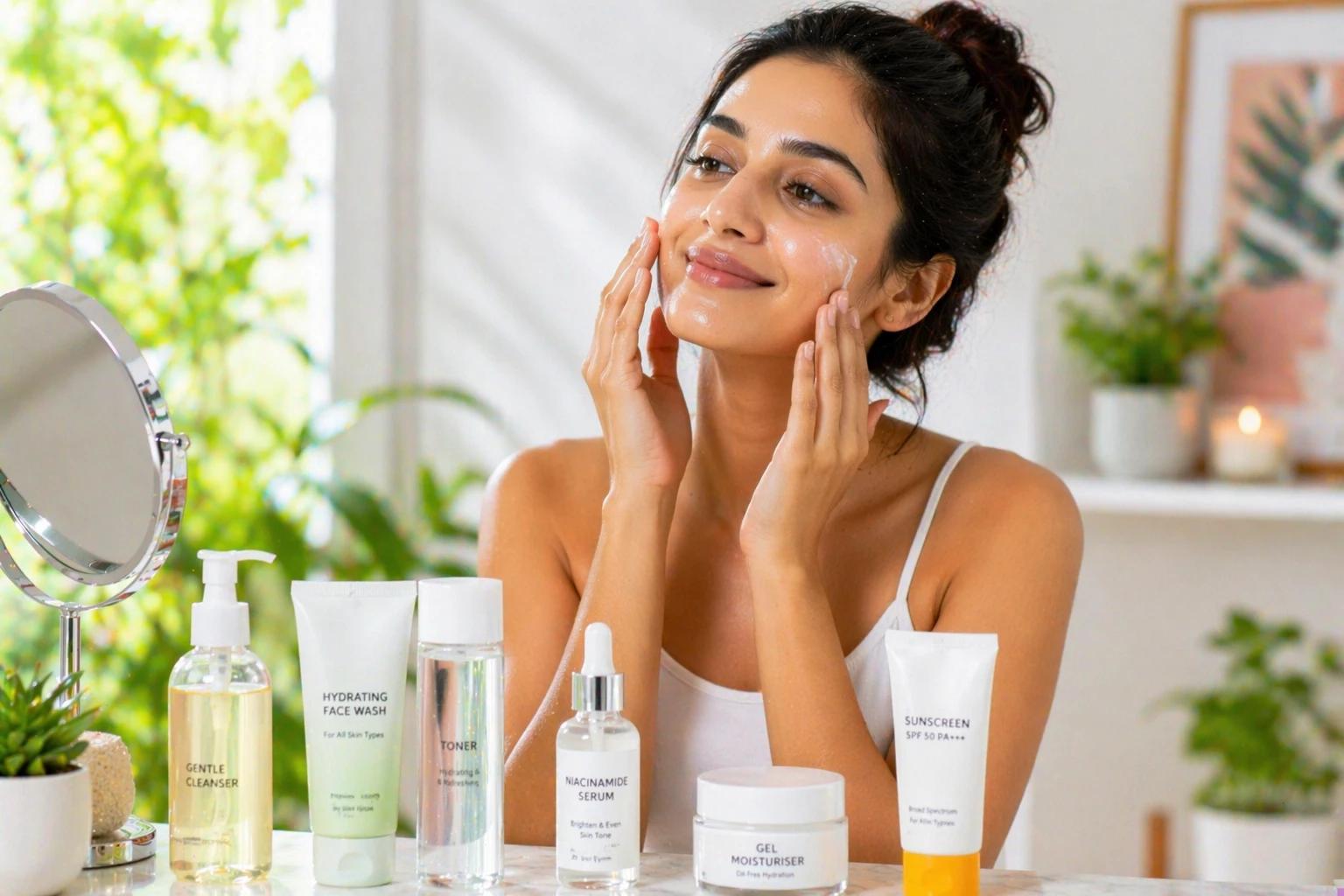

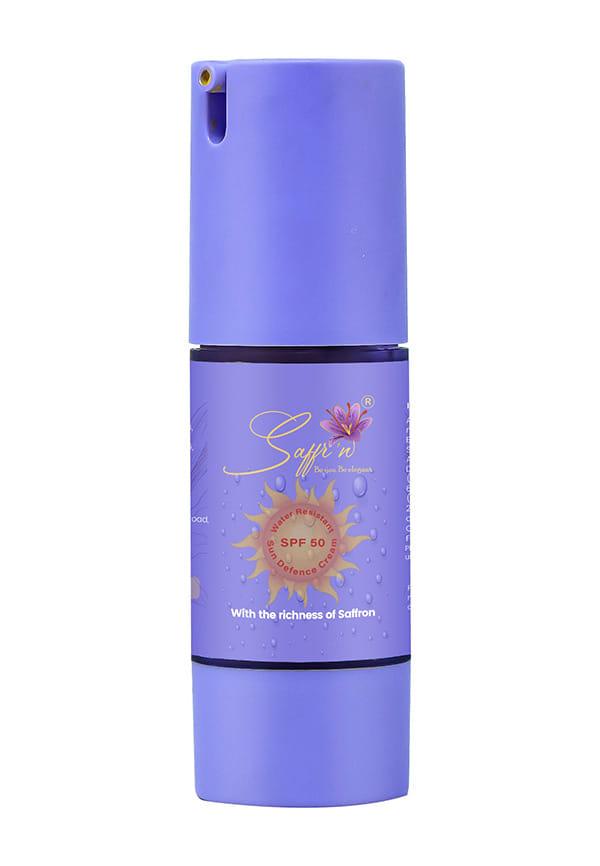
Water Resistant SPF 50 Sun Defence Sunscreen
You're standing by the pool, sunscreen in hand, reading the label that says 'water resistant' and wondering what that actually means. Does it stay put when you dive in? How long does the protection last? And what's the real difference between water resistant and waterproof anyway? These aren't just casual questions—understanding water resistant sunscreen meaning is crucial for proper sun protection, especially during those summer pool days or beach holidays.
The water resistant sunscreen meaning is more specific than you might think. According to FDA regulations, a water resistant sunscreen must maintain its stated SPF protection for either 40 or 80 minutes whilst you're swimming or sweating. This isn't just marketing speak—it's based on rigorous laboratory testing where volunteers apply sunscreen and then soak in water for the specified time.
The magic happens through special film-forming ingredients that create a protective barrier on your skin. These polymers and waxes help the sunscreen stick around even when water tries to wash it away. Think of it like a invisible, breathable film that holds your SPF in place whilst you're active.
You'll see two main categories on sunscreen labels. Standard water resistant products offer 40 minutes of protection, whilst 'very water resistant' or 'ultra water resistant' formulas last up to 80 minutes. These timeframes start from the moment you get wet, not from when you first applied the product.
The testing process involves real people in controlled conditions—not just theoretical lab work. Volunteers apply sunscreen, wait for it to absorb, then spend time in a swimming pool. Researchers measure how much sun protection remains after the specified time. This ensures the claims on your bottle actually reflect real-world performance.
Here's something that might surprise you: the term 'waterproof sunscreen' is actually banned by the FDA. No sunscreen can claim to be completely waterproof because, frankly, nothing stays on your skin forever when you're swimming or sweating heavily.
This regulation exists to protect consumers from false expectations. Before these rules, many people assumed waterproof sunscreen meant they could swim all day without reapplying. The reality? Even the most tenacious formulas need refreshing after the specified time period.
The science behind water resistance involves creating a film that's both adherent and breathable. Modern formulations use silicones, acrylates, and other polymers that form molecular bonds with your skin's surface. These ingredients don't just sit on top—they create a mesh-like network that holds sunscreen ingredients in place.
Different countries have varying approaches to water resistance testing. European standards, for instance, focus on the percentage of SPF protection that remains after water exposure. Australian regulations emphasise both water and sweat resistance. Understanding these differences helps when you're shopping for broad spectrum sunscreen from international brands.
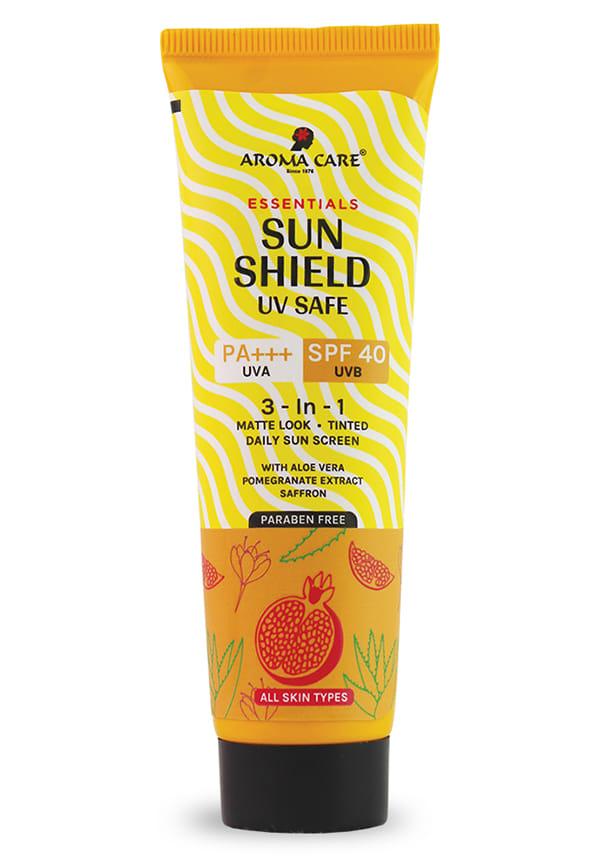
Sun Shield UV Safe SPF 40 3-IN-1
Those 40 and 80-minute timeframes aren't arbitrary numbers—they're based on how long most people spend in water during typical activities. A quick swim or beach volleyball game usually fits within 40 minutes, whilst longer water sports sessions might need the extended 80-minute protection.
Real talk: laboratory conditions are quite different from your actual beach day. The testing happens in controlled pools with specific water temperatures and movement patterns. Your actual swimming style, the saltwater environment, or that intense beach volleyball match might affect how long your protection lasts.
Water resistance doesn't switch off like a timer—it gradually decreases. After 40 minutes in water, a standard water resistant formula might retain 80% of its original SPF. By 60 minutes, that could drop to 60%. This gradual decline is why reapplication timing matters so much.
Several things can impact how long your water resistant sunscreen actually lasts. Vigorous swimming, towelling off, sandy beaches that create friction, and even the pH of pool water can all influence protection levels. Your skin type matters too—oily skin might hold onto sunscreen longer than dry skin.
Proper application is crucial for getting the full benefit of your water resistant sunscreen. The golden rule? Apply 15-30 minutes before you plan to get wet. This gives the film-forming ingredients time to properly bond with your skin and create that protective barrier.
Amount matters more than you might think. Most people use about half the recommended amount, which significantly reduces protection. For your face alone, you need roughly a quarter teaspoon of product. For your entire body, aim for about one ounce—enough to fill a shot glass.
When you're planning water activities, apply your sunscreen for face and body in thin, even layers. Don't forget often-missed spots like your ears, the tops of your feet, and along your hairline. These areas are particularly vulnerable to burning and often get overlooked in the rush to get into the water.
If you're using other skincare products, apply them first and let them absorb completely before adding sunscreen. Moisturisers, serums, and makeup can interfere with how well your sunscreen adheres to skin. For sunscreen for face, consider using a dedicated facial formula that's designed to work well under makeup.
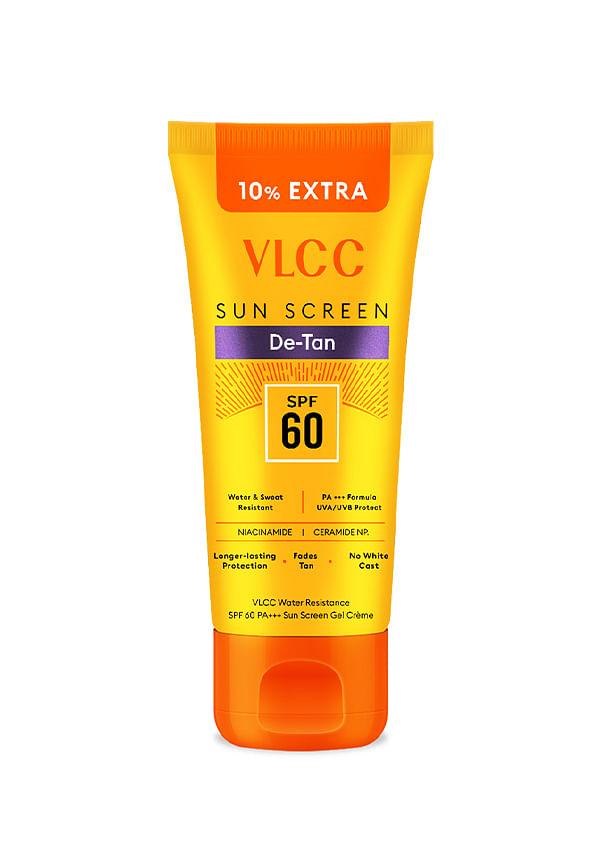
Water Resistant SPF 60 PA+++ Sunscreen Gel Crèam
The ingredients list on your water resistant sunscreen tells a story about how it works. Film-forming polymers like acrylates copolymer and VP/eicosene copolymer are the workhorses that create that adherent barrier. These ingredients form flexible films that move with your skin whilst maintaining protection.
Zinc oxide and titanium dioxide are naturally more water resistant than many chemical filters because they sit on the skin's surface rather than absorbing into it. However, modern chemical filters like avobenzone and octinoxate can be just as effective when properly formulated with the right film-forming agents.
Broad spectrum sunscreen protects against both UVA and UVB rays, and maintaining this protection in water requires careful formulation. UVA filters tend to be less photostable, meaning they can break down more quickly when exposed to sunlight and water. Quality water resistant formulas include photostabilising ingredients to maintain broad spectrum protection throughout your water activities.
Modern sunscreen ingredients include encapsulated filters that release protection gradually, and micro-encapsulation technology that helps maintain SPF levels even after water exposure. Some formulas also include antioxidants like vitamin E and green tea extract that help protect the sunscreen ingredients themselves from degradation.
Different activities call for different approaches to water resistant protection. Swimming laps in a pool is quite different from surfing in saltwater, and your sunscreen benefits need to match your activity level.
For swimming and water sports, the 80-minute protection timeframe makes more sense. You're likely to be in and out of water repeatedly, and the longer protection window gives you more flexibility. Beach volleyball or poolside lounging might be fine with 40-minute protection, especially if you're good about reapplying.
Here's something interesting: sweat resistance and water resistance use the same testing protocols. So your water resistant sunscreen is also your sweat resistant sunscreen. This makes these formulas excellent for outdoor exercise, hiking, or any activity where you'll be working up a sweat.
If you live in a humid climate or spend time in air-conditioned environments that make you sweat when you step outside, water resistant formulas offer better daily protection than standard sunscreens. They're particularly worth considering during monsoon season when humidity levels soar.
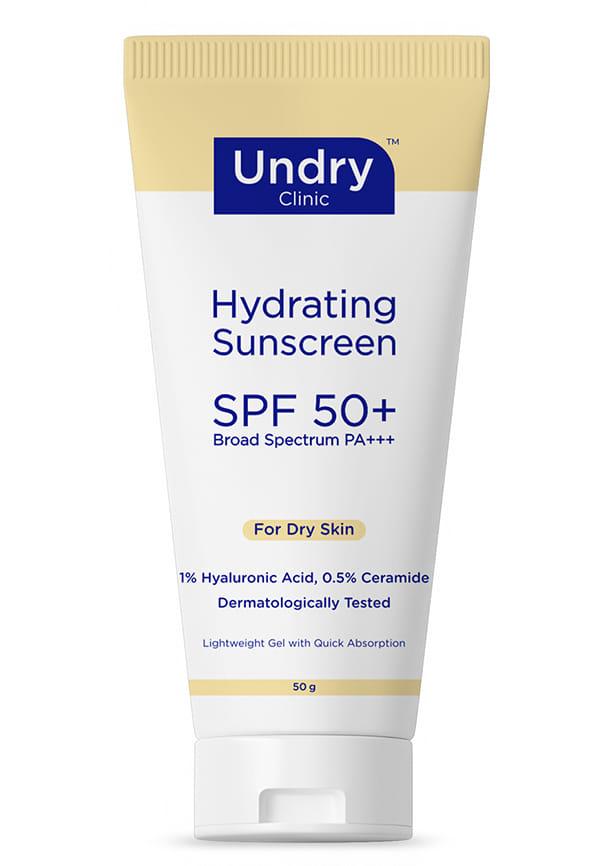
Hydrating Sunscreen for Dry Skin SPF 50
True waterproof sunscreen doesn't exist—the FDA banned this term because no product can provide permanent protection in water. Water resistant sunscreens are actually more honest about their capabilities, offering specific timeframes (40 or 80 minutes) for protection during water activities. This transparency helps you plan proper reapplication timing.
Water resistant sunscreens maintain their SPF protection for either 40 or 80 minutes during swimming or sweating, depending on the specific product. However, this doesn't mean protection completely disappears after this time—it gradually decreases. For best results, reapply immediately after the stated timeframe, or sooner if you've been towelling off or swimming vigorously.
The best sunscreen for your face should be non-comedogenic, offer broad spectrum protection, and feel comfortable under makeup if you wear it. Look for facial formulas specifically designed to be water resistant—these tend to be less greasy and more cosmetically elegant than body sunscreens. Mineral sunscreens with zinc oxide often work well for sensitive facial skin.
Absolutely! Water resistant formulas work perfectly for daily wear, especially if you live in a humid climate or exercise regularly. The film-forming ingredients that make them water resistant also help them last longer during normal daily activities. Just ensure you're removing them properly with a good cleanser at the end of the day.
Yes, water resistant sunscreens are tested for both water and sweat resistance using the same protocols. This makes them excellent for exercise, outdoor work, or any activity where you'll perspire. The same 40 or 80-minute protection timeframes apply whether you're swimming or sweating through a workout.
Even if you're not in water, you should still reapply every two hours for optimal protection. Water resistance helps your sunscreen stay put during sweating or brief water exposure, but UV filters naturally break down over time when exposed to sunlight. Regular reapplication ensures consistent protection throughout the day.
Understanding water resistant sunscreen meaning empowers you to make smarter choices about sun protection. Whether you're planning a beach holiday, training for a triathlon, or simply want reliable daily protection, knowing how these formulas work helps you use them more effectively.
The key takeaways? Water resistant doesn't mean waterproof, 40 and 80-minute timeframes are based on real testing, and proper application timing matters as much as the product itself. Your skin deserves protection that actually works when you need it most.
When you're ready to explore different water resistant sunscreen options, Smytten's curated selection includes trusted brands that have been tried and tested by millions of users. From lightweight facial formulas to robust body sunscreens, you can discover what works best for your lifestyle. If you're curious about trying a new brand before committing to a full-size bottle, Smytten also offers minis from many top sunscreen brands—a smart way to test different formulations and find your perfect match.
