Vitamin D and Skin Health for Indians: Your Questions Answered


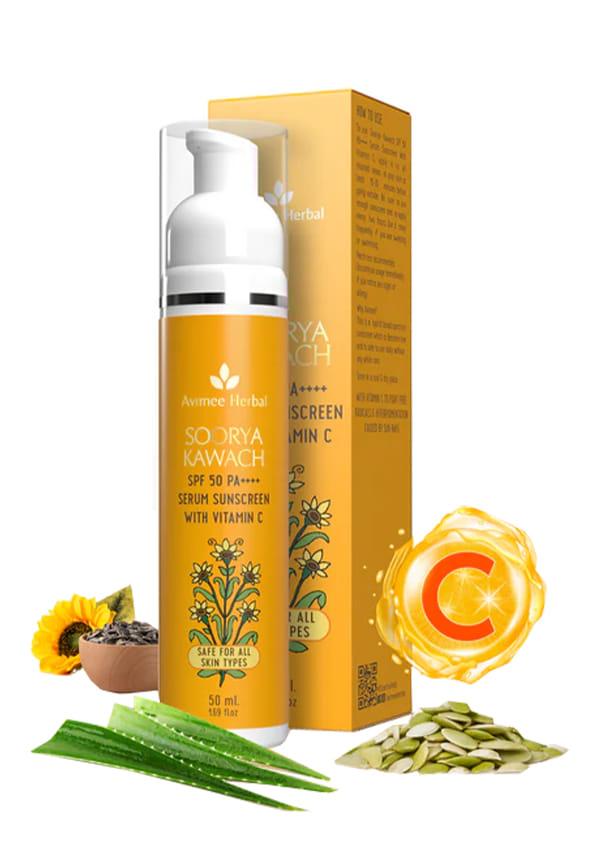
Soorya Kawach Sunscreen with Vitamin C
You've been diligent about your skincare routine, yet your skin feels perpetually dry and sensitive. Your wounds take forever to heal, and despite living in a sun-drenched country, you're spending most daylight hours indoors. Sound familiar? You might be among the 90% of Indians dealing with vitamin D deficiency—a silent culprit behind many skin concerns that often goes unnoticed until the effects become visible.
It seems contradictory, doesn't it? India receives abundant sunshine year-round, yet studies consistently show that nine out of ten Indians have insufficient vitamin D levels. This paradox stems from our modern lifestyle patterns that have shifted dramatically from our ancestors' sun-exposed routines.
The primary culprits include extended indoor working hours, urban pollution that blocks UV rays, cultural preferences for fair skin leading to sun avoidance, and the widespread use of sunscreen without strategic timing. Additionally, traditional Indian clothing often covers most of the body, limiting skin exposure to sunlight. Air conditioning has also changed how we interact with natural light—we move from air-conditioned homes to cars to offices, rarely stepping into direct sunlight.
This vitamin D deficiency manifests in various skin problems that many Indians experience but don't connect to their vitamin D status. Chronic dryness, increased skin sensitivity, slower wound healing, and even certain inflammatory skin conditions can all trace back to inadequate vitamin D levels.
Vitamin D acts as a crucial regulator for multiple skin functions. It supports the formation and maintenance of your skin's protective barrier, ensuring moisture retention and defence against environmental stressors. The vitamin also plays a vital role in hair follicle development and the regulation of sebaceous glands, which control oil production.
Perhaps most importantly, vitamin D possesses anti-inflammatory properties that help manage various skin conditions. It supports skin cell regeneration and repair processes, making it essential for maintaining healthy, resilient skin. When your body has adequate vitamin D levels, your skin can better defend itself against damage and heal more efficiently.
Your skin often provides the first visible signs of vitamin D deficiency. Persistent dryness that doesn't improve with moisturising, delayed wound healing, and increased skin sensitivity are common indicators. You might notice that minor cuts or blemishes take longer to heal than they used to.
Vitamin D deficiency can also exacerbate inflammatory skin conditions like eczema and psoriasis. Some people experience changes in skin pigmentation, though this varies significantly among individuals. If you're noticing these patterns alongside fatigue or muscle weakness, it's worth discussing vitamin D testing with your healthcare provider.
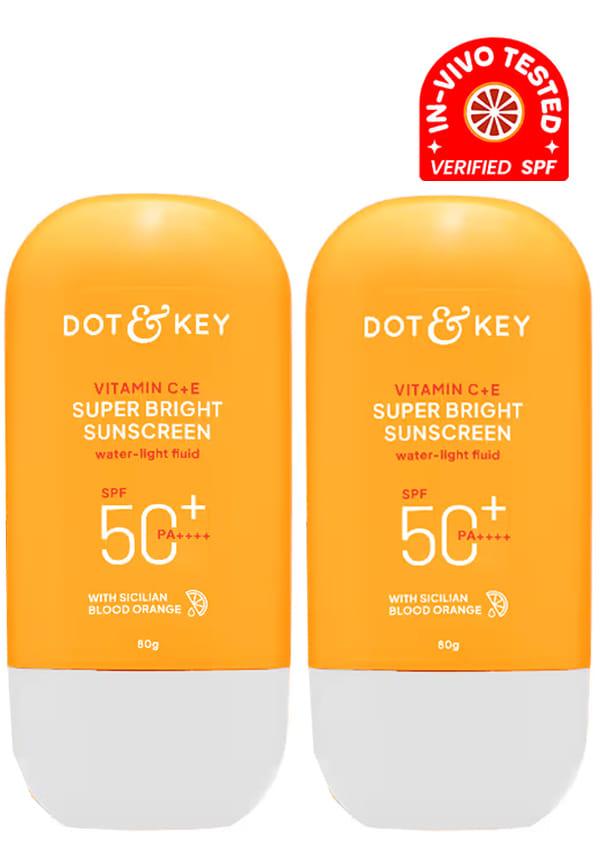
Vitamin C + E Sunscreen, IN-VIVO Tested SPF 50+ PA++++
Loved Product, Will Repurchase
 5
5“loved the product and purchase it again and again my favourite recently”
Very Good, Light Weight Product
5“very good project so light weight and I love it”
Very Good, Light Weight Product
5“very good project so light weight and I love it”
The key to beneficial sun exposure lies in timing and moderation. For most Indians, the optimal window for vitamin D synthesis is between 10 AM and 3 PM, when UVB rays are strongest. However, this doesn't mean you should bake in the midday sun—quite the opposite.
Start with 10-15 minutes of direct sun exposure on your arms and legs, gradually increasing to 20-30 minutes based on your skin's tolerance. Fair-skinned individuals should stick to the lower end of this range, while those with darker skin may need slightly longer exposure. The goal is to achieve a very light pink tinge—never burning or significant darkening.
Regional variations matter too. If you're in northern India, you might need slightly longer exposure during winter months, while those in southern regions can maintain shorter durations year-round. Remember, you're aiming for vitamin D synthesis, not a tan.
Many people wonder about late afternoon sun exposure, particularly given India's hot climate. Unfortunately, sun exposure after 4 PM is significantly less effective for vitamin D synthesis. The angle of the sun changes, reducing UVB intensity while maintaining UVA rays that contribute to skin damage without vitamin D benefits.
While late afternoon sun feels gentler and more comfortable, it won't provide the vitamin D boost your skin needs. If morning or midday exposure isn't possible due to work schedules, consider alternative vitamin D sources rather than relying on evening sun.
For many Indians, dietary sources and supplements become essential for maintaining adequate vitamin D levels. Fatty fish like salmon, mackerel, and sardines are excellent sources, though they're not staples in many Indian diets. More accessible options include fortified milk, egg yolks, and mushrooms exposed to UV light.
Vegetarian Indians can focus on fortified plant-based milk alternatives, certain cereals, and vitamin D-fortified foods. However, it's challenging to meet vitamin D requirements through food alone—most people need a combination of dietary sources, sensible sun exposure, and potentially supplements.
Vitamin D supplements come in two forms: D2 (ergocalciferol) and D3 (cholecalciferol). D3 is generally more effective at raising blood levels and is the preferred choice. Consult with a healthcare provider for appropriate dosing, as requirements vary based on current levels, age, and health status.
Certain foods can enhance vitamin D absorption when consumed together. Healthy fats like those found in nuts, seeds, and cooking oils help with absorption since vitamin D is fat-soluble. Conversely, excessive fibre intake at the same time might reduce absorption, so timing matters.
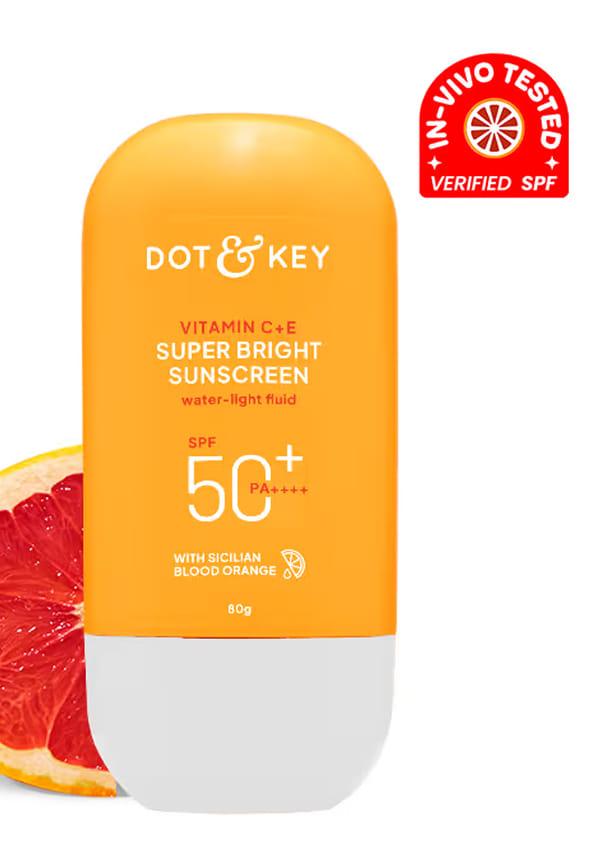
Vitamin C + E Sunscreen, IN-VIVO Tested SPF 50+ PA++++
Loved This Sunscreen
5“I loveeeeee thisssss sunscreemmmm”
Favourite Product
5“one of them my favourite product”
Favourite Product
5“one of them my favourite product”
Traditional Indian spices like turmeric may actually support vitamin D function in the body, making your regular dal and curry consumption potentially beneficial for overall vitamin D utilisation.
One of the biggest concerns among Indians is whether sunscreen completely blocks vitamin D synthesis. The reality is more nuanced. While high SPF sunscreen can significantly reduce vitamin D production, it doesn't eliminate it entirely. SPF 30 blocks about 97% of UVB rays, leaving 3% for vitamin D synthesis.
A strategic approach involves short periods of unprotected exposure followed by sunscreen application. For example, spend 10-15 minutes in morning sun without sunscreen, then apply SPF before continuing outdoor activities. This allows for some vitamin D synthesis while protecting against prolonged UV damage.
Choose broad-spectrum sunscreens with SPF 30-50 for daily use. Higher SPFs don't provide proportionally better protection and may give false confidence for extended exposure. Remember, the goal is balance—some controlled sun exposure for vitamin D, with protection against harmful overexposure.
Despite abundant sunshine, most Indians spend daylight hours indoors due to work patterns, urban pollution, cultural sun avoidance, and lifestyle changes. Traditional clothing and consistent sunscreen use also limit skin exposure to UV rays necessary for vitamin D synthesis.
Sun exposure after 4 PM is much less effective for vitamin D synthesis. The sun's angle reduces UVB intensity while maintaining UVA rays that can damage skin without providing vitamin D benefits. Morning or midday exposure between 10 AM and 3 PM is optimal.
Vitamin D plays a role in melanin production and skin cell regulation, which can influence pigmentation. While it may help with some pigmentation concerns, it's not a standalone treatment. Adequate vitamin D supports overall skin health, which can contribute to more even skin tone over time.
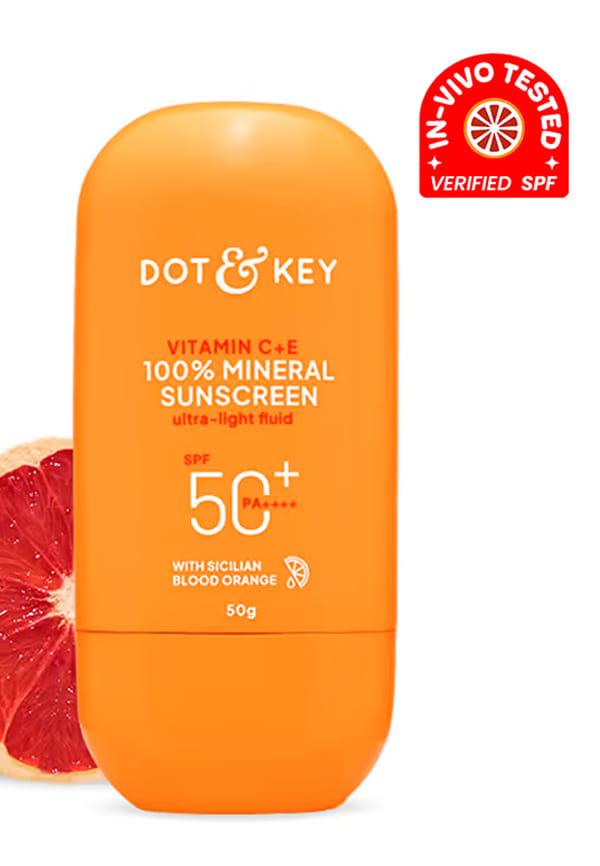
Vitamin C + E 100% Mineral Sunscreen SPF 50+ PA++++
Loved the Product
5“I Loved this product so muchhhh”
The best time for vitamin D synthesis in India is between 10 AM and 3 PM when UVB rays are strongest. Start with 10-15 minutes of direct exposure on arms and legs, adjusting based on your skin type and tolerance.
Most Indians need 10-30 minutes of direct sun exposure depending on skin type, location, and season. Fair-skinned individuals should aim for 10-15 minutes, while those with darker skin may need 20-30 minutes. Never expose skin to the point of burning.
While vitamin D supplements can address deficiency, they don't provide all the benefits of moderate sun exposure. Sunlight triggers additional processes beyond vitamin D synthesis that support skin health. A combination of sensible sun exposure, dietary sources, and supplements when needed is ideal.
Indian-friendly vitamin D rich foods include fortified milk, egg yolks, fatty fish like mackerel, UV-exposed mushrooms, and fortified cereals. Vegetarians can focus on fortified plant-based milk alternatives and vitamin D-fortified foods, though dietary sources alone rarely meet full requirements.
Vitamin D deficiency can manifest as chronic skin dryness, delayed wound healing, increased sensitivity, and exacerbation of inflammatory conditions like eczema. The skin's barrier function may be compromised, leading to moisture loss and increased susceptibility to irritation.
Vitamin D plays a fundamental role in skin health that extends far beyond what most people realise. For Indians navigating the balance between sun protection and vitamin D synthesis, the key lies in strategic, moderate exposure combined with dietary awareness and professional guidance when needed.
Your skin health journey is unique, and understanding how vitamin D fits into your overall skincare routine can make a significant difference in achieving the healthy, resilient skin you're working towards. Whether through sensible sun exposure, dietary choices, or supplements, ensuring adequate vitamin D levels supports your skin's natural defence and repair mechanisms.
As you explore products to support your skin health goals, platforms like Smytten offer access to curated skincare options from trusted brands, allowing you to discover what works best for your individual needs. With over 28 million users finding their perfect products, it's worth exploring the range of vitamin D-supporting skincare and wellness options available.
