Vitamin C Storage Best Practices: Your FAQ Answered
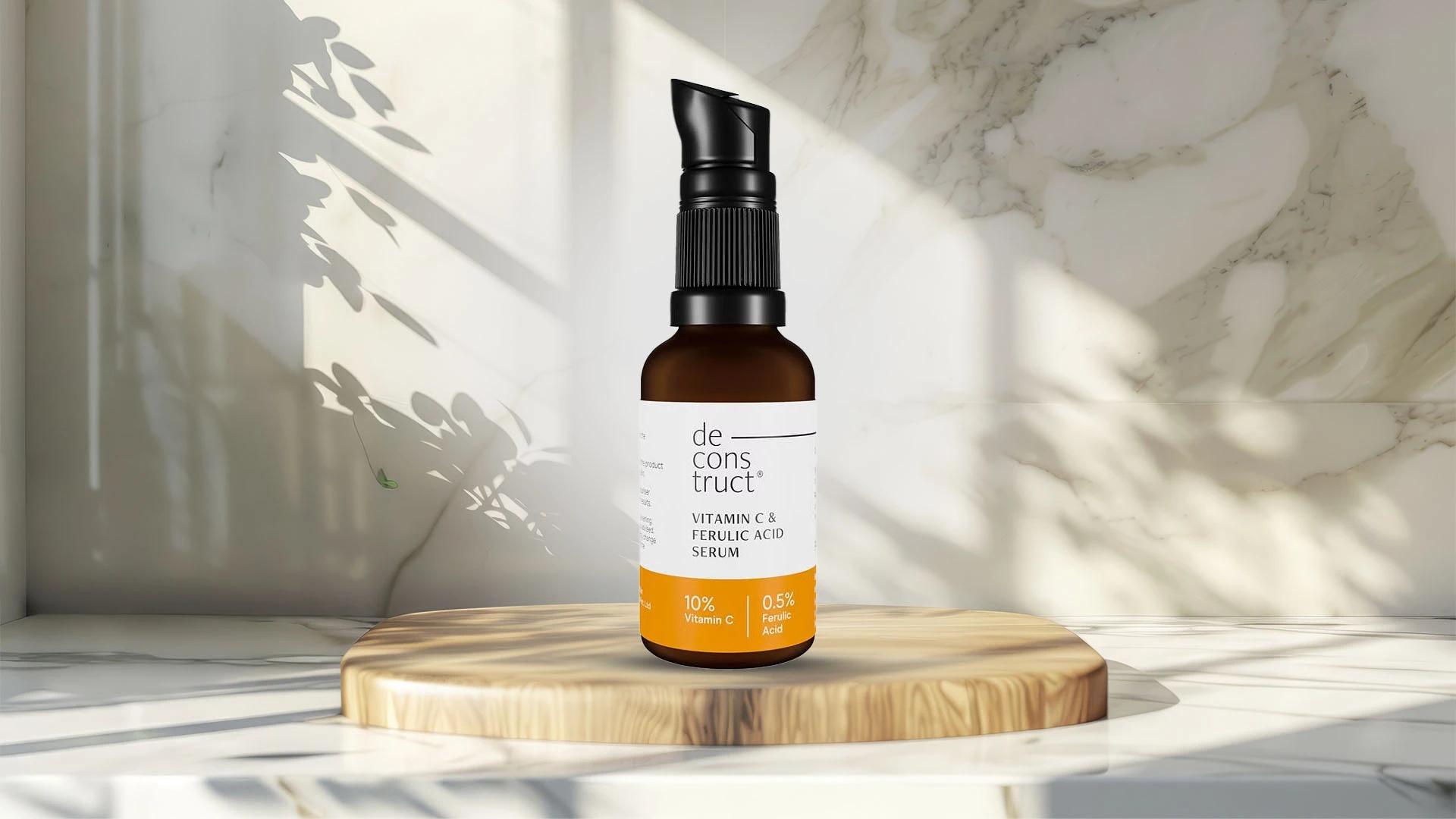

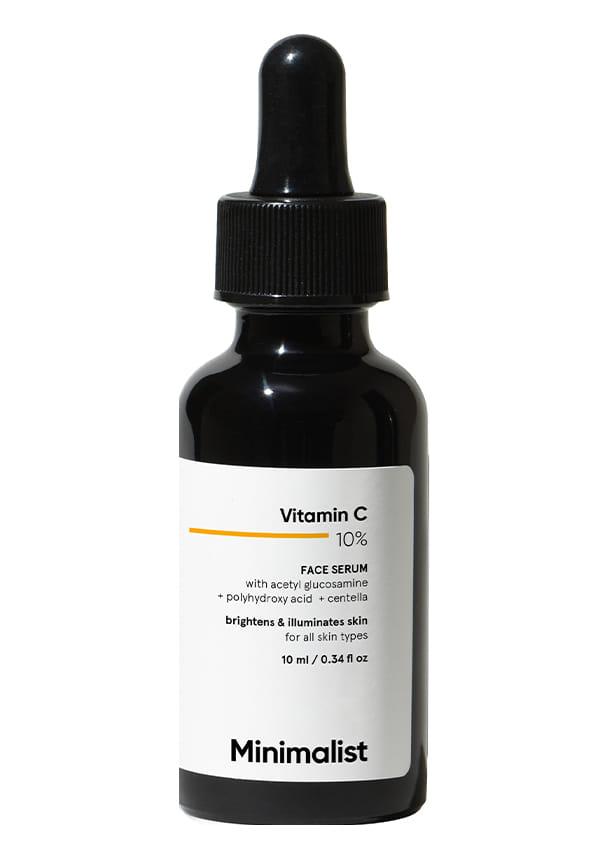
10% Vitamin C Face Serum For Skin Brightening & Reduce Sun Damage
Let's be real—you've probably spent good money on that vitamin C serum or powder, only to watch it turn a suspicious orange colour within weeks. Sound familiar? You're not alone. Proper vitamin C storage best practices can make the difference between a product that works wonders and one that's basically expensive water. The thing is, vitamin C is notoriously fickle when it comes to staying stable, but with the right storage game, you can keep your products potent for months longer than you'd expect.
Here's the thing about vitamin C—it's brilliant for your skin but absolutely terrible at staying stable. When stored incorrectly, vitamin C oxidation can reduce a product's effectiveness by up to 80%. That's like throwing money down the drain, and nobody has time for that.
The science behind vitamin C degradation is pretty straightforward. This powerhouse ingredient breaks down when exposed to light, heat, air, and humidity. Once it starts oxidising, you'll notice your once-clear serum turning yellow, brown, or even orange—and that colour change isn't just cosmetic. It means the vitamin C has lost most of its skin-loving benefits.
Temperature is your vitamin C's biggest enemy. Heat speeds up the breakdown process faster than you can say "glow up." Even room temperature can be too warm in some climates.
Light exposure, especially UV rays, acts like kryptonite to vitamin C. That's why most quality products come in dark or opaque packaging.
Humidity creates the perfect storm for degradation. Moisture in the air can seep into containers and trigger oxidation.
Air exposure is the final nail in the coffin. Every time you open that bottle, oxygen rushes in and starts the breakdown process.
When it comes to vitamin C serum storage, your fridge might just become your skincare's best friend. The optimal temperature range sits between 4-8°C, which is exactly what your standard refrigerator offers.
But refrigeration isn't your only option. Dark storage locations work brilliantly too—think medicine cabinets, bedroom drawers, or even a dedicated skincare box tucked away from windows. The key is keeping things cool, dark, and dry.
Container considerations matter more than you might think. Opaque packaging beats clear glass every time, and pump bottles are generally better than dropper bottles because they limit air exposure.
Avoid these storage mistakes at all costs:
Bathroom storage near showers (hello, humidity)
Window sills or sunny countertops
Car glove compartments (temperature swings are brutal)
Near heating vents or radiators
Living in Mumbai or Chennai? Hot and humid environments demand refrigeration—no exceptions. Your vitamin C won't survive the heat and moisture combo.
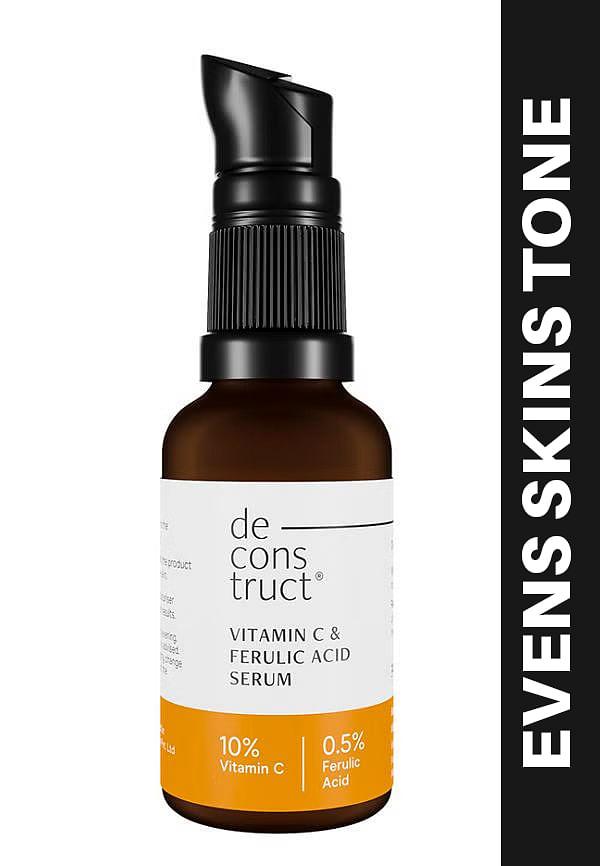
Vitamin C & Ferulic Acid Serum
In drier climates like Delhi or Pune, you might get away with cool, dark storage, but summer months still call for fridge time.
Seasonal adjustments are smart too. Move products to cooler storage during summer and you can probably get away with room temperature during winter months.
For travel, invest in insulated pouches or mini coolers. Your skin will thank you when you arrive with products that actually work.
Storing vitamin C powder requires a slightly different approach than serums. Powder forms are generally more stable, but they're not invincible.
Airtight containers are non-negotiable. Glass jars with tight-fitting lids work brilliantly, but avoid metal containers—vitamin C can react with certain metals and lose potency.
Moisture prevention is crucial. Consider adding food-grade desiccant packets to your storage container, especially if you live in a humid area.
Scooping best practices matter too:
Always use clean, dry utensils
Avoid metal spoons—plastic or ceramic work better
Never use wet hands near the powder
Close containers immediately after use
Consider dividing bulk powder into smaller portions. This way, you're not exposing your entire stash to air every time you need a dose.
Oral vitamin C supplements have their own storage needs. Temperature control remains important, but you don't necessarily need refrigeration for tablets.
Original packaging often provides the best protection. Those little bottles aren't just for show—they're designed to keep moisture and light out. Transferring to pill organisers might seem convenient, but it can reduce vitamin C shelf life.
Humidity protection becomes critical in bathrooms and kitchens. Store supplements in bedrooms or living areas instead.
Expiration date monitoring and rotation systems help ensure you're using products while they're still effective. First in, first out—just like your favourite café does with their stock.
Smart purchasing strategies can save you money and frustration. Smaller quantities might cost more per unit, but they ensure you're using products at peak potency. Unless you're sharing with flatmates, that jumbo size might not be worth it.
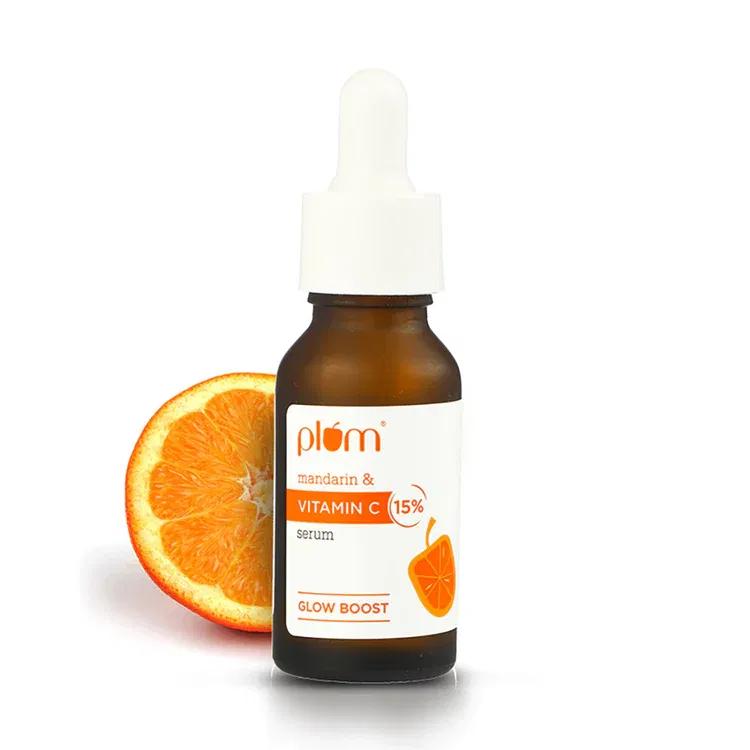
15% Vitamin C Face Serum with Mandarin
Storage rotation systems work wonders for skincare enthusiasts with multiple products. Label everything with purchase dates and use older products first.
When combining storage with other skincare ingredients, keep vitamin C separate from retinoids and acids. They don't play well together, even in storage.
DIY storage solutions don't have to break the bank:
Small insulated lunch boxes for travel
Dark cardboard boxes for room temperature storage
Silica gel packets from shoe boxes (clean them first)
Mini fridges dedicated to skincare
Visual indicators are usually the first giveaway. Any brown, yellow, or orange discolouration means it's time to bin that product.
Texture changes matter too. If your serum becomes thicker, grittier, or separates, oxidation has likely occurred.
Smell development is another red flag. Fresh vitamin C products should be relatively odourless. Any funky, metallic, or rancid smells indicate degradation.
Reduced effectiveness symptoms include lack of brightening, increased skin sensitivity, or irritation where there wasn't any before.
Bathroom storage problems top the list of storage mistakes. That steamy shower creates the perfect environment for vitamin C stability to go out the window. Even if your bathroom feels dry, humidity levels spike every time someone showers.
Refrigerator door placement seems logical but creates problems. The door experiences the most temperature fluctuations, which can stress your products. Store vitamin C on a main shelf instead.
Direct sunlight exposure is skincare suicide. Window sills and sunny countertops might look Instagram-worthy, but they'll destroy your products faster than you can say "vitamin C degradation."
Cross-contamination risks increase when you use wet hands or dirty utensils. Water introduces bacteria and speeds up oxidation.
Freezer storage myths need addressing. While freezing can preserve some products, the freeze-thaw cycle can damage vitamin C formulations and change their texture permanently.
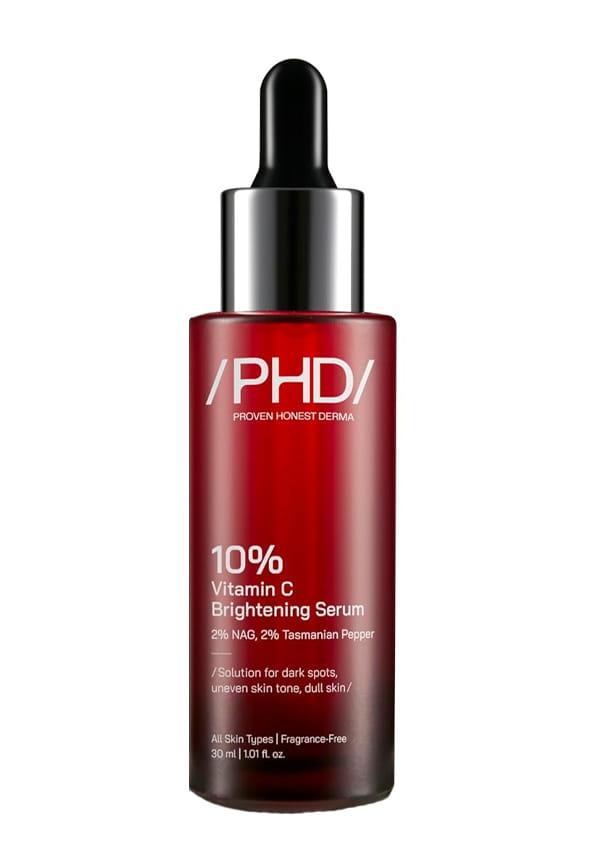
10% Vitamin C Brightening Serum
The best way to store vitamin C depends on the formulation, but generally, cool, dark places work brilliantly. For serums, refrigeration between 4-8°C is ideal, especially in hot climates. Powders do well in airtight containers in cool, dry locations, while tablets can stay in their original packaging away from humidity.
With optimal proper vitamin C storage, serums typically last 6-12 months, powders maintain potency for 1-2 years, and tablets can remain effective for 2-3 years from the manufacture date. Always check expiration dates and watch for signs of degradation.
Absolutely. Store in cool, dark locations like medicine cabinets or bedroom drawers, maintaining temperatures below 20°C and humidity under 60%. Avoid bathrooms, kitchens, and areas with temperature fluctuations.
Not necessarily. Storing vitamin C powder in airtight containers in cool, dry places works well. Refrigeration can actually introduce moisture when containers are repeatedly opened and closed, which might cause clumping.
Look for brown, yellow, or orange discolouration, changes in texture or consistency, unusual metallic or rancid odours, or reduced skin benefits. Any of these signs indicate it's time for a replacement.
Yes, but ensure each product is properly sealed and stored according to its specific requirements. Serums might need refrigeration while powders prefer dry storage, so plan accordingly.
For serums, 4-8°C (refrigerator temperature) is optimal. Powders and tablets do well below 20°C in dry conditions. Avoid temperature fluctuations and extreme heat.
While basic vitamin C storage best practices remain consistent across brands, always check manufacturer recommendations. Some formulations include stabilising ingredients that might affect storage requirements.
Mastering vitamin C skincare storage isn't rocket science, but it does require some attention to detail. The investment you make in proper storage pays off in products that actually work and last their full shelf life.
Remember the golden rules: keep it cool, keep it dark, keep it dry, and keep it sealed. Whether you're storing serums in the fridge or powders in airtight containers, consistency in your storage routine makes all the difference.
If you're keen to explore different vitamin C formulations without committing to full sizes, platforms like Smytten offer curated trial packs from trusted brands. With over 1,500 brands available, you can discover which vitamin C products work best for your skin before investing in full-size versions. The platform's trial system lets you test products properly—including how well they store in your specific environment—before making larger purchases. After all, why settle for maybe when you can try it all and find your perfect vitamin C match?
