Vitamin C Serum Morning or Night? Your FAQ Answered


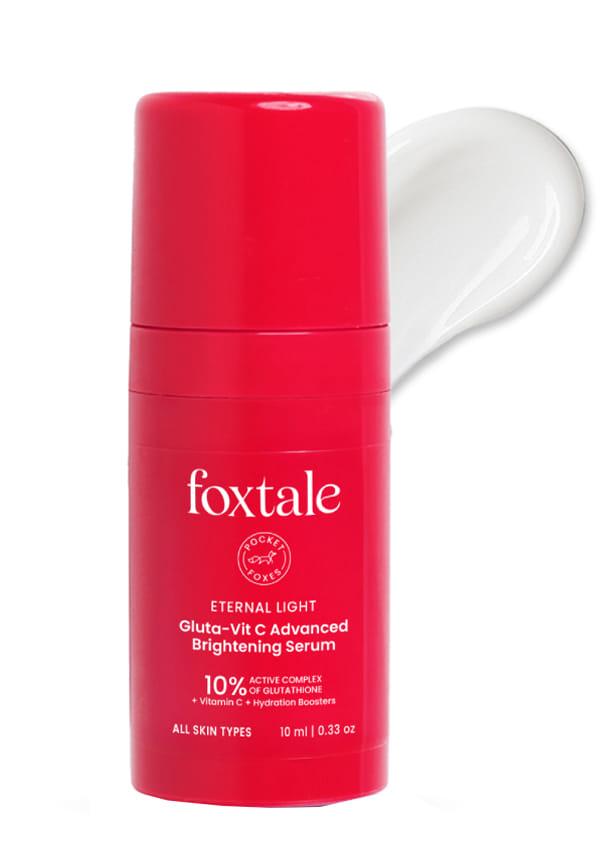
10% Eternal Light Gluta - Vit C Advanced Brightening Serum
You've finally added a vitamin C serum to your cart, but now you're staring at the bottle wondering: should this go in my morning routine or my evening one? If you've been scrolling through conflicting advice about when to apply vitamin C serum, you're not alone. Some swear by morning application for antioxidant protection, while others insist night-time is when the real magic happens. The truth? Both camps have valid points, and the best time for vitamin C serum depends on your skin goals, lifestyle, and the specific formulation you're using.
Here's what dermatologists actually recommend: morning application takes the crown for most people. The science is pretty straightforward—vitamin C acts as a powerful antioxidant that neutralises free radicals from UV exposure and pollution throughout the day. Think of it as your skin's bodyguard, working overtime to prevent damage before it happens.
That said, night application isn't wrong—it's just different. Evening use focuses on repair and regeneration, making it ideal if you're dealing with hyperpigmentation or want to maximise collagen production while you sleep. The key is understanding what your skin needs most right now.
Most skin experts lean towards morning application because vitamin C's antioxidant properties work best as a preventative measure. Dr. Patricia Wexler, a renowned dermatologist, explains that vitamin C helps boost your SPF's effectiveness when applied before sunscreen. However, if you have sensitive skin or you're using a high-concentration pure ascorbic acid formula, night application might be gentler and more effective for your skin type.
When you apply vitamin C serum in the morning, you're essentially giving your skin a shield against environmental aggressors. Free radicals from pollution, UV rays, and even blue light from screens can cause oxidative stress that leads to premature ageing and dullness. Vitamin C neutralises these free radicals before they can damage your skin cells.
There's also the SPF synergy factor. Studies show that vitamin C can enhance your sunscreen's protective abilities, making your morning skincare routine more effective overall. Plus, many people find that vitamin C gives them a subtle glow that looks gorgeous under makeup—perfect for starting the day with confidence.
For those following a vitamin C serum morning routine, the application feels fresh and energising. Your skin has been in repair mode all night, so it's primed to absorb active ingredients effectively. The clean slate of morning skin means better penetration and less interference from other products.
Vitamin C works by donating electrons to neutralise free radicals, essentially sacrificing itself to protect your skin. This process is most beneficial when it happens in real-time as environmental damage occurs. Research published in the Journal of Investigative Dermatology shows that topical vitamin C provides significant photoprotection when applied before sun exposure, making morning application scientifically sound.
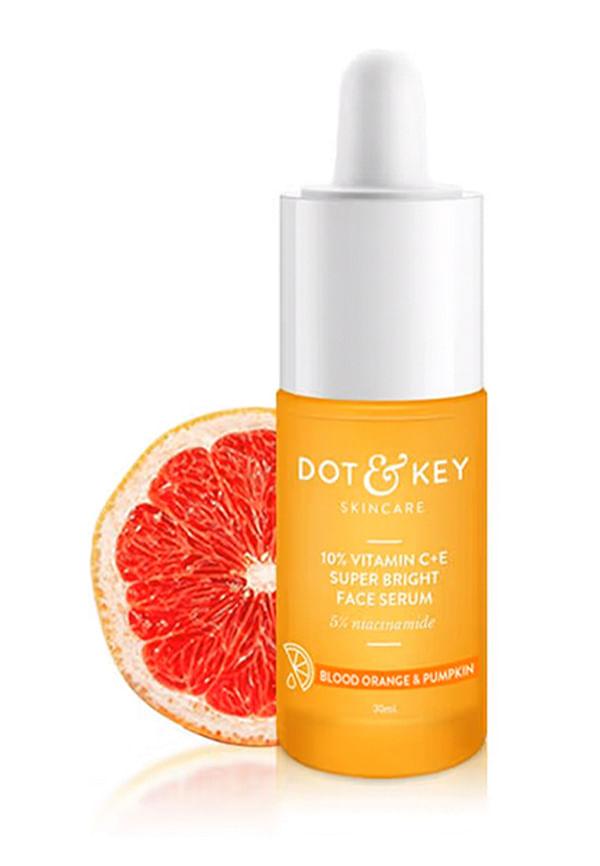
10% Vitamin C+E, 5% Niacinamide Face Serum For Glowing Skin
Don't write off evening application just yet. Vitamin C serum night routine enthusiasts have solid reasons for their timing choice. During sleep, your skin shifts into repair mode, increasing cell turnover and collagen production. Applying vitamin C at night means it can work alongside these natural processes without interference from environmental stressors.
Night application is particularly brilliant for those with sensitive skin. Without the worry of sun exposure, you can use higher concentrations or pure ascorbic acid formulations that might cause irritation during the day. Plus, you avoid any potential photosensitivity issues that some people experience with certain vitamin C derivatives.
If you're specifically targeting hyperpigmentation or acne scarring, night application allows vitamin C to focus purely on cellular repair and melanin regulation. The Foxtale 10% Eternal Light Gluta Vit C Advanced Brightening Serum works particularly well in evening routines, combining vitamin C with glutathione for enhanced brightening effects while your skin regenerates overnight.
Evening use eliminates concerns about vitamin C degrading under light exposure, which can happen with certain formulations. You also avoid any potential interactions with makeup or other daytime products. For those using multiple actives, night application gives you more flexibility in layering without worrying about how products might interact with environmental factors throughout the day.
Regardless of when you choose to apply it, proper vitamin C serum application follows the same basic principles. Always apply to clean, dry skin and follow the thinnest-to-thickest product rule. Use 2-3 drops—more isn't better and can actually cause irritation.
The golden rule of serum application order is simple: cleanse first, then apply your vitamin C serum before any moisturisers or oils. This ensures maximum absorption and effectiveness. Wait about 10-15 minutes between each step to allow proper penetration.
For morning application, your sequence should be: gentle cleanser, vitamin C serum, moisturiser, then SPF. Never skip the sunscreen—vitamin C can make some people slightly more photosensitive initially. The wait time between vitamin C and SPF is crucial; give your serum at least 10 minutes to absorb before applying sunscreen to avoid any potential interactions.
Evening application follows: cleanser, toner (if using), vitamin C serum, then moisturiser. If you're using other actives like retinol or AHAs, consider alternating nights rather than layering them together. Your skincare routine vitamin C placement should always prioritise skin tolerance over product maximisation.
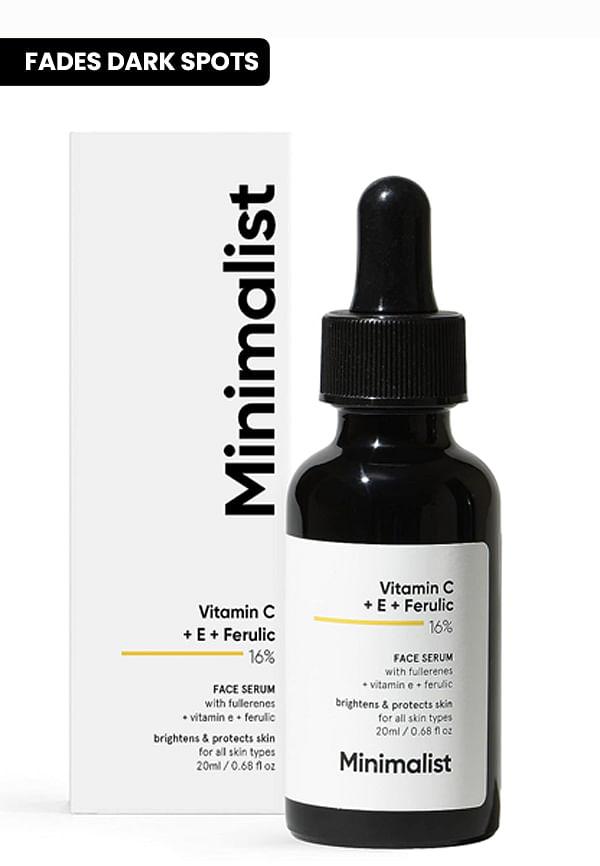
16% Vitamin C Face Serum (Advanced) With Vit E
Some skincare enthusiasts swear by using vitamin C both morning and night, but this approach requires careful consideration. Your skin's tolerance is the deciding factor—start with once daily and gradually increase if your skin handles it well. Signs that twice-daily use might work for you include no irritation after several weeks of single daily use and specific skin concerns that benefit from increased vitamin C exposure.
However, more isn't always better. Using vitamin C twice daily can lead to irritation, especially if you're also using other actives. If you do choose this route, consider using a gentler vitamin C derivative like magnesium ascorbyl phosphate for one application and saving the stronger L-ascorbic acid for the other.
Understanding ingredient interactions is crucial for effective vitamin C serum application. The biggest myth? That you can't use vitamin C with niacinamide. This has been thoroughly debunked—they actually work well together. The real concerns lie with pH-dependent interactions and ingredient stability.
Avoid using vitamin C directly with retinol in the same routine, as both are potent actives that can cause irritation when combined. Similarly, be cautious with AHAs and BHAs, which can destabilise certain vitamin C formulations. The solution isn't to avoid these ingredients entirely—it's about smart timing and layering.
The biggest mistake is layering too many actives without considering pH levels. Vitamin C works best in acidic conditions, while some other ingredients prefer neutral or alkaline environments. When in doubt, use vitamin C in your morning routine and save other actives for evening, or alternate nights between different products.
Most dermatologists recommend morning application for antioxidant protection against environmental damage. However, night use offers excellent repair benefits and may be better for sensitive skin. Choose based on your primary skin concerns and tolerance level.
Some avoid nighttime use due to concerns about photosensitivity or potential interactions with other nighttime actives like retinol. However, these concerns are often overstated, and many people successfully use vitamin C in their evening routines without issues.
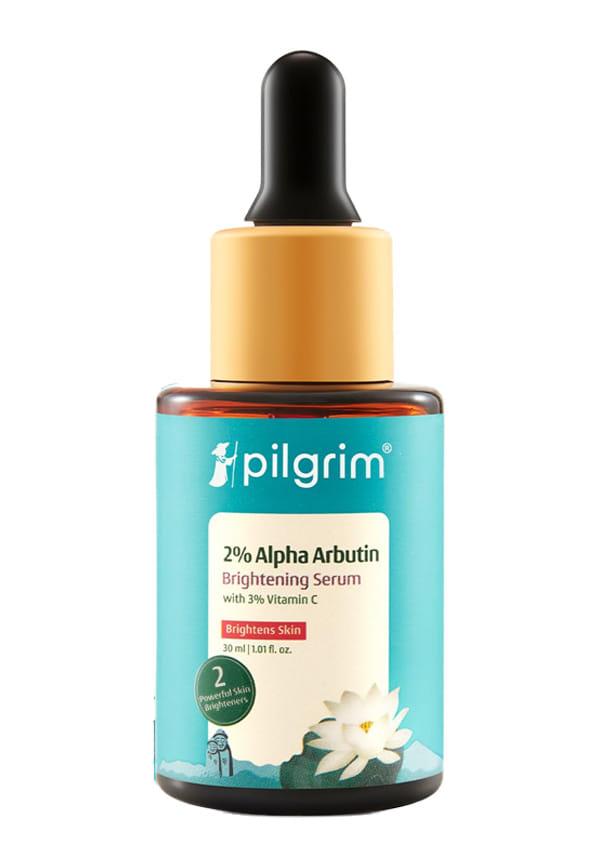
Skin Brightening Serum With Alpha Arbutin & Vitamin C For Glowing Skin
It's best to use vitamin C in the morning and retinol at night to avoid potential irritation. If you prefer using both in evening routines, alternate nights or ensure you're using stable, gentle formulations of both ingredients.
Antioxidant protection begins immediately, but visible improvements in brightness and skin texture typically appear after 4-6 weeks of consistent use. Hyperpigmentation improvements may take 8-12 weeks to become noticeable.
Morning application provides environmental protection and enhances SPF effectiveness. Night application focuses on cellular repair, collagen synthesis, and addressing hyperpigmentation while your skin naturally regenerates during sleep.
Most people can use vitamin C daily once their skin adjusts to it. Start with every other day for the first week, then gradually increase to daily use if your skin tolerates it well. Listen to your skin and reduce frequency if irritation occurs.
Pure vitamin C rarely causes breakouts, but some formulations contain comedogenic ingredients that might clog pores. If you experience breakouts, check the full ingredient list and consider switching to a different formulation or brand.
The morning versus night vitamin C debate doesn't have a one-size-fits-all answer, and that's perfectly fine. Your skin's needs, lifestyle, and the specific formulation you're using all play roles in determining the best time for vitamin C serum application. What matters most is consistency—whether you choose morning, night, or both, stick with your routine for at least 6-8 weeks to see real results.
Remember that skincare is deeply personal. What works brilliantly for your friend might not suit your skin, and that's completely normal. Pay attention to how your skin responds and adjust accordingly. If morning application causes irritation, try switching to evening use. If you're not seeing the brightening effects you want with night application, consider moving to morning use for better antioxidant protection.
For those exploring different vitamin C options, Smytten's curated selection includes formulations from trusted brands, making it easier to find the right match for your skin type and routine preferences. Whether you're team morning or team night, the key is finding a high-quality serum that fits seamlessly into your lifestyle and delivers the vitamin C serum skincare benefits you're seeking.
