Vitamin C Serum Discoloration FAQ: Why It Turns Yellow or Orange


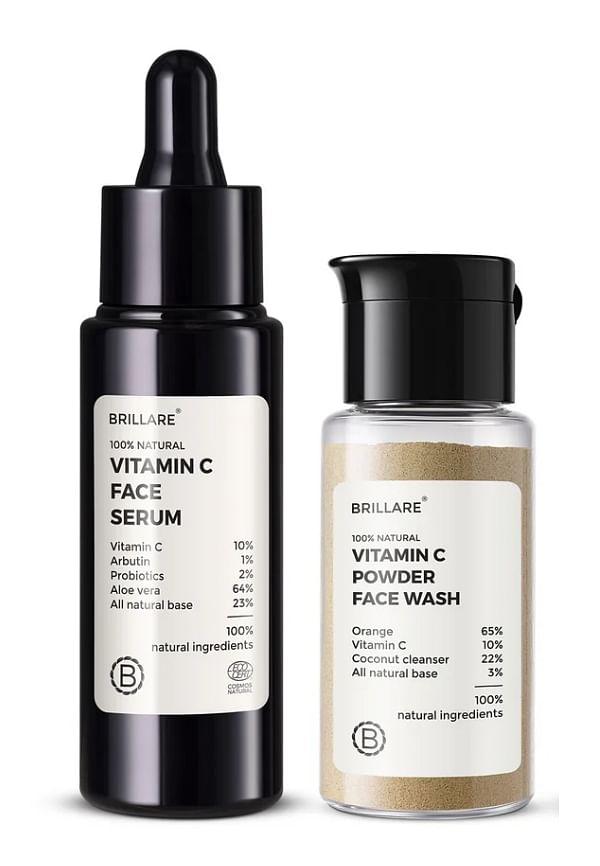
Orange Powder Face Wash & Vitamin C Serum
Favourite & Best Face Wash
 5
5“It always my favourite brand this is one of the best face wash totally vaule of money”
Good Natural Product
5“Soo good natural and nice product”
Serum & Face Wash Review
5“This serum Dry out a little, but brightening my skin Face wash is good, but i don't use it daily for my sensitive skin”
You've just opened your vitamin C serum and noticed it's turned a suspicious shade of yellow—or worse, orange. Before you panic and toss it in the bin, let's talk about what's actually happening inside that bottle. Vitamin C serum discoloration is one of the most common skincare concerns, and whilst it can be alarming, it doesn't always mean your serum is rubbish. Understanding why this happens and when it's still safe to use can save you money and help you get the most from your skincare routine.
When your vitamin C serum changes colour, you're witnessing vitamin C serum oxidation in action. This natural chemical process occurs when ascorbic acid—the most common form of vitamin C in skincare—reacts with oxygen, light, and heat. Think of it like an apple browning after you've cut it; the same oxidation process is happening to your serum, just more slowly.
The transformation typically follows a predictable pattern. Fresh serums start clear or very pale yellow, gradually shifting to deeper yellow, then amber, and finally orange or brown as oxidation progresses. Environmental factors like exposure to air every time you open the bottle, storage in warm bathrooms, or leaving it on a sunny windowsill all accelerate this process.
What's particularly frustrating is that ascorbic acid oxidation can begin almost immediately after manufacturing. Even with the best packaging, some exposure to oxygen is inevitable, which is why many vitamin C serums arrive with a slight yellow tint—this doesn't mean they're damaged goods.
L-ascorbic acid's molecular structure makes it incredibly effective at brightening skin and boosting collagen production, but this same structure makes it unstable. The compound readily donates electrons to neutralise free radicals—which is brilliant for your skin but also means it reacts easily with environmental factors. Higher concentrations (15-20%) tend to oxidise faster than lower ones (10-15%), though they also deliver more potent results when fresh.
Not all vitamin C serum colour changes spell disaster for your skincare routine. Here's what each shade actually means for your serum's effectiveness and whether it's worth continuing to use.
Clear to pale yellow indicates a fresh, fully potent serum. This is your vitamin C at its peak performance, delivering maximum brightening and antioxidant benefits. If your serum falls into this category, you're getting excellent value from your investment.
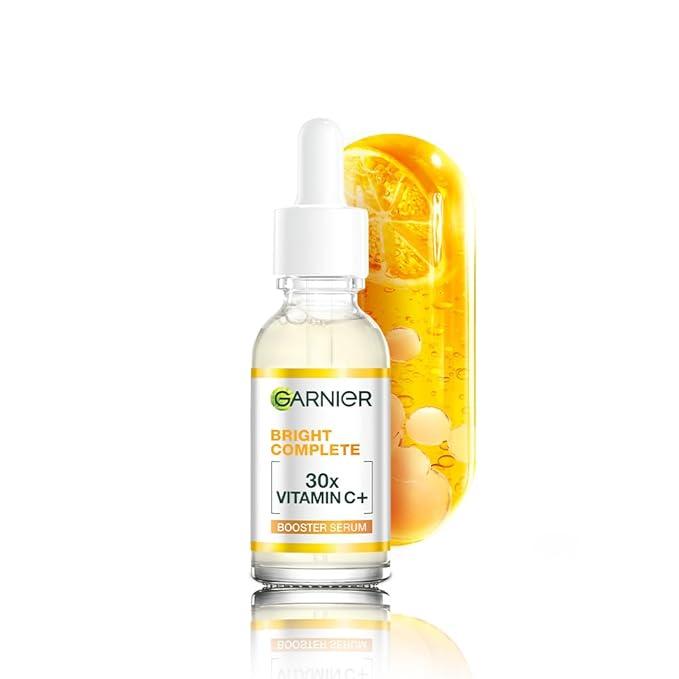
Light yellow to champagne suggests minimal oxidation has occurred, but the serum remains effective and safe to use. Many users report continued results at this stage, and dermatologists generally agree that light yellowing doesn't significantly impact performance. The Garnier Vitamin C Face Serum for Skin Brightening & Anti-Dark Spots maintains its effectiveness even with slight colour changes, as the formula includes stabilising ingredients that help preserve the vitamin C's potency longer than basic formulations.
Dark yellow to amber indicates moderate oxidation with reduced potency, though the serum may still provide some benefits. At this stage, you might notice slower results, but it's not necessarily harmful to continue using if you're not experiencing irritation.
Orange to brown signals heavily oxidised vitamin C serum with minimal effectiveness remaining. At this point, you're essentially applying a very expensive moisturiser with little active benefit.
Beyond colour, texture and smell changes accompany oxidation. Fresh serums feel lightweight and absorb easily, whilst oxidised versions may become sticky or leave a tacky residue. A metallic or sharp smell often develops as oxidation progresses—if your serum smells off, it's time to replace it regardless of colour.
The question "is my vitamin C serum bad" doesn't have a simple yes or no answer. Light yellow serums retain most of their potency and remain perfectly safe for continued use. Research suggests that vitamin C serums maintain 80-90% effectiveness through initial oxidation phases, meaning you're still getting significant benefits.
However, heavily oxidised serums (orange to brown) pose different considerations. Whilst they're generally not harmful, they may cause increased skin sensitivity or irritation in some users. The oxidation byproducts can be more reactive than fresh vitamin C, potentially leading to redness or stinging, particularly on sensitive skin.
From a cost-effectiveness standpoint, continuing to use a moderately oxidised serum makes sense if you're not experiencing adverse reactions and still seeing some results. Many users report that even yellow-tinted serums continue to help with hyperpigmentation and overall skin brightness, though results may take longer to appear.
Skincare communities consistently report mixed experiences with discoloured serums. Some users notice no difference in results with light yellow serums, whilst others prefer to replace them immediately for peace of mind. Dermatologists typically recommend a pragmatic approach: if your skin tolerates it well and you're seeing results, light oxidation isn't a concern.
Proper storage dramatically extends your vitamin C serum shelf life and maintains effectiveness. The key is minimising exposure to oxidation triggers: light, heat, and air. Store your serum in a cool, dark place—ideally a bedroom drawer or medicine cabinet away from bathroom humidity.
Refrigeration offers excellent protection against oxidation, particularly for opened bottles. The cool temperature slows chemical reactions, and many users report their serums staying clear for months longer when refrigerated. Just remember to let it reach room temperature before application to avoid shocking your skin.
Always ensure the cap is tightly closed after each use, and avoid transferring serums to different containers unless absolutely necessary. The original packaging is designed to minimise air exposure, and decanting often introduces additional oxygen that accelerates oxidation.
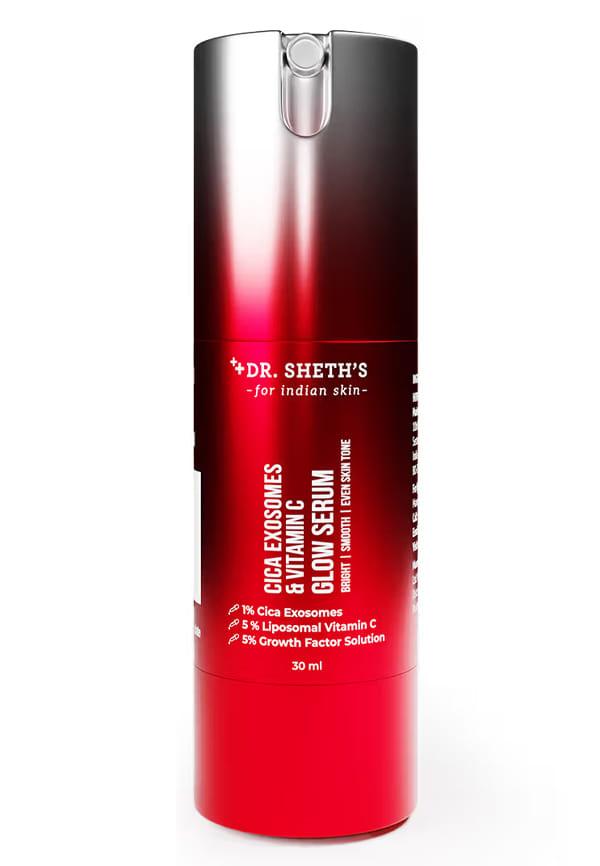
Cica Exosomes & Vitamin C, Boosts Glow, Brightens & Revives Dull Skin
Bathroom storage is one of the biggest culprits in premature vitamin C serum oxidation. The combination of heat from showers, humidity, and temperature fluctuations creates the perfect storm for rapid degradation. Similarly, leaving serums on windowsills or in direct sunlight can cause oxidation within days rather than weeks.
Beyond storage, how you use your vitamin C serum affects its longevity and effectiveness. Apply to clean, dry skin and allow full absorption before layering other products. This prevents interactions that might accelerate oxidation or reduce efficacy.
Consider using vitamin C in your morning routine when your skin benefits most from antioxidant protection throughout the day. However, if you're using other active ingredients like retinol or AHAs, alternate days or use vitamin C in the morning and other actives at night to prevent irritation.
Monitor your skin's response as your serum ages. If you notice increased sensitivity, stinging, or reduced results, it may be time to replace your bottle even if the colour change seems minimal.
Most vitamin C serums maintain effectiveness for 3-6 months after opening when stored properly. However, replace immediately if you notice dramatic colour changes (orange or brown), unusual smells, or skin irritation. The cost of replacement is minimal compared to potential skin damage from using degraded products.
Light yellow discoloration is completely normal and indicates minimal oxidation. Your serum remains effective and safe to use. Monitor for darker changes over time, but don't worry about initial yellowing—it's part of the natural aging process for vitamin C products.
Orange coloration indicates significant oxidised vitamin C serum with reduced effectiveness. Whilst not necessarily harmful, you're getting minimal active benefits at this stage. Consider replacement for better results, especially if you're investing in skincare for specific concerns like dark spots or dullness.
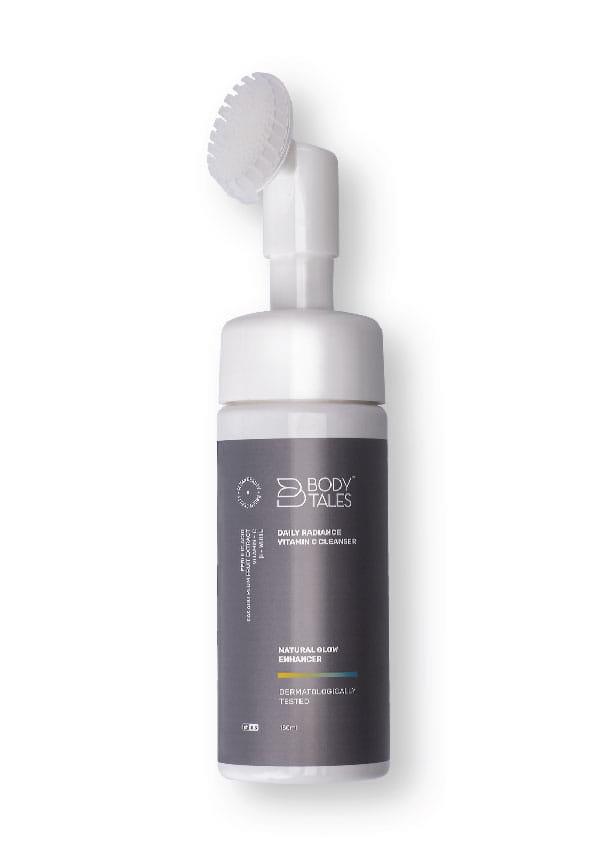
Daily Radiance Vitamin C Cleanser
Yes, vitamin C retains most of its potency through initial oxidation phases. Light yellow serums typically maintain 80-90% effectiveness, so you're still getting significant brightening and antioxidant benefits. Continue using unless you experience irritation or notice the colour darkening further.
Both clear and light yellow are acceptable starting points for vitamin C serums. Some formulations naturally have a slight yellow tint due to the vitamin C concentration or stabilising ingredients. Focus on preventing dramatic colour changes rather than worrying about initial appearance.
On-skin oxidation occurs due to air exposure during application, pH changes from mixing with other skincare products, and natural skin chemistry. This is different from bottle oxidation and usually appears as temporary discoloration that washes off. If staining persists, reduce application frequency or concentration.
Light yellow serums are generally safe and effective for continued use. Avoid dark yellow, orange, or brown serums as they offer minimal benefits and may cause irritation. When in doubt, patch test on a small skin area before full-face application.
Unopened vitamin C serums typically last 12-18 months when stored properly. Once opened, expect 3-6 months of optimal effectiveness, though this varies by formulation and storage conditions. Refrigerated serums often maintain potency longer than those stored at room temperature.
Oxidised vitamin C isn't typically harmful, but it may cause increased sensitivity in some users. The main concern is reduced effectiveness rather than safety. However, if you experience stinging, redness, or irritation with an oxidised serum, discontinue use immediately.
Understanding vitamin C serum discoloration helps you make informed decisions about your skincare routine without unnecessary waste or worry. Light yellowing is normal and doesn't significantly impact effectiveness, whilst dramatic colour changes signal it's time for a replacement.
The key is finding the balance between getting value from your investment and ensuring you're receiving active benefits. With proper storage and realistic expectations about vitamin C serum shelf life, you can maximise both effectiveness and cost-efficiency in your skincare routine.
Remember that skincare is personal, and what works for others might not suit your skin. If you're curious about trying different vitamin C formulations or want to test a product before committing to full-size, Smytten's trial options let you explore various brands and concentrations. With over 28 million users discovering their perfect skincare matches, it's a smart way to find what works for your skin without the guesswork.
