Vitamin C Serum Breakout FAQ: Common Questions Answered


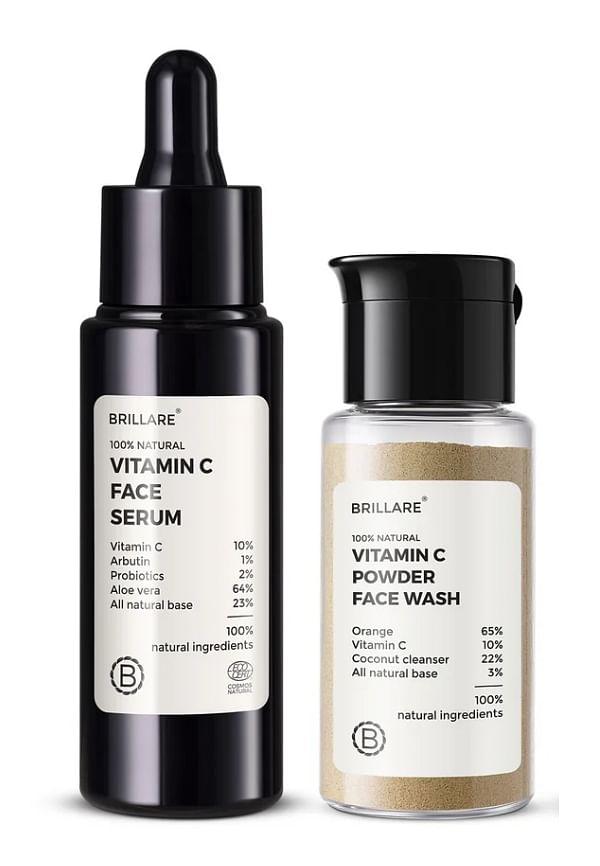
Orange Powder Face Wash & Vitamin C Serum
You've finally decided to add vitamin C serum to your skincare routine after seeing countless glowing reviews. Two weeks in, instead of that promised radiant complexion, you're dealing with unexpected breakouts. Sound familiar? You're definitely not alone in this frustrating experience. Many people in India face this exact dilemma when introducing vitamin C into their routines, and the good news is that understanding why this happens can help you navigate your way to clearer, brighter skin.
When your skin rebels against vitamin C serum, it's not necessarily rejecting the ingredient itself. Often, it's responding to how the product interacts with your skin's current state, your application method, or even the specific formulation you've chosen. Understanding these reactions helps you distinguish between temporary adjustment periods and genuine vitamin C skin irritation.
The most common culprit behind vitamin C serum breakouts is pH disruption. Your skin maintains a delicate acidic balance, and introducing a highly acidic vitamin C serum too quickly can throw this off, leading to irritation and subsequent breakouts. Additionally, if you're using L-ascorbic acid (the most potent form), its low pH can be particularly harsh for sensitive or unprepared skin.
Oxidation plays another significant role in skin reactions. When vitamin C serums are exposed to light, air, or heat, they can turn brown and become irritating rather than beneficial. In India's humid climate, this oxidation happens faster, making proper storage crucial for preventing vitamin C serum side effects.
Real talk: your skin might need time to adjust to vitamin C, especially if you're new to active ingredients. A normal adjustment period typically involves mild tingling or slight redness that subsides within a few days. However, if you're experiencing persistent breakouts, painful cystic acne, or severe irritation lasting beyond two weeks, this indicates genuine vitamin C skin irritation rather than a temporary purge.
Many vitamin C serum and acne issues stem from user error rather than the ingredient itself. The most frequent mistake is jumping straight into daily use with a high concentration. Your skin needs time to build tolerance, and rushing this process often backfires spectacularly.
Applying vitamin C serum to damp skin is a major trigger for irritation. Water can increase the penetration of acids, making them more likely to cause reactions. Always ensure your skin is completely dry before application. Similarly, using too much product or applying it too frequently overwhelms your skin's ability to process the active ingredient effectively.
Mixing vitamin C serum with other active ingredients without proper spacing can create a perfect storm for breakouts. Combining vitamin C with AHAs, BHAs, or retinoids in the same routine can over-exfoliate your skin, compromising its barrier function and leading to increased sensitivity and acne.
Niacinamide and vitamin C can also conflict when used together immediately, though this varies by formulation. Some people experience flushing or irritation when these ingredients interact, particularly if both products have different pH levels.
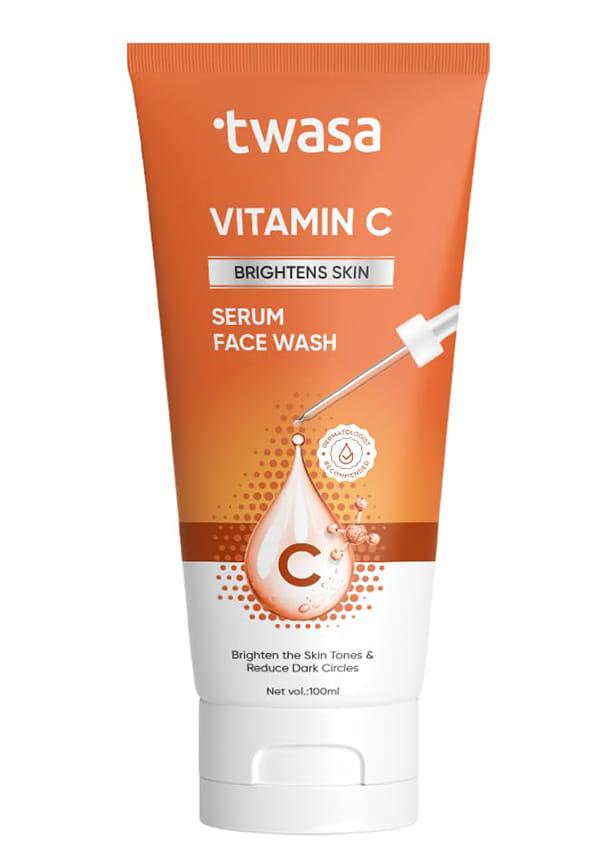
Vitamin C Serum Face Wash
If you have sensitive skin or are prone to reactions, choosing the right approach to vitamin C is crucial. The key lies in selecting gentler derivatives and introducing them gradually into your routine.
Start with a low concentration (5-10%) and use it every other day initially. This "start low, go slow" approach allows your skin to build tolerance without overwhelming it. Apply vitamin C serum in the morning after cleansing but before moisturiser and SPF. Always follow with broad-spectrum sun protection, as vitamin C can increase photosensitivity.
Patch testing is non-negotiable, especially if you suspect a vitamin C serum allergy. Apply a small amount to your inner arm and wait 24-48 hours to check for reactions before using it on your face.
For acne-prone skin, magnesium ascorbyl phosphate or sodium ascorbyl phosphate are gentler alternatives to L-ascorbic acid. These stable derivatives provide vitamin C benefits without the harsh acidity that can trigger breakouts. Look for oil-free, non-comedogenic formulations that won't clog pores.
Despite initial breakouts some people experience, vitamin C serum actually has anti-inflammatory properties that can help with acne long-term. The confusion arises because the immediate adjustment period can temporarily worsen skin before it improves.
Research shows that vitamin C's anti-inflammatory properties can help reduce acne-related inflammation over time. It also supports collagen synthesis, which aids in healing acne scars and post-inflammatory hyperpigmentation. However, these benefits typically become apparent after 6-8 weeks of consistent, proper use.
Vitamin C excels at addressing hyperpigmentation left behind by acne breakouts. Its antioxidant properties protect against environmental factors that can worsen acne, whilst its role in collagen production helps skin repair itself more effectively. For many people, the long-term benefits far outweigh the initial adjustment period.
If you're experiencing breakouts after starting vitamin C, don't panic. There are several strategies to help your skin adjust without abandoning the ingredient entirely.
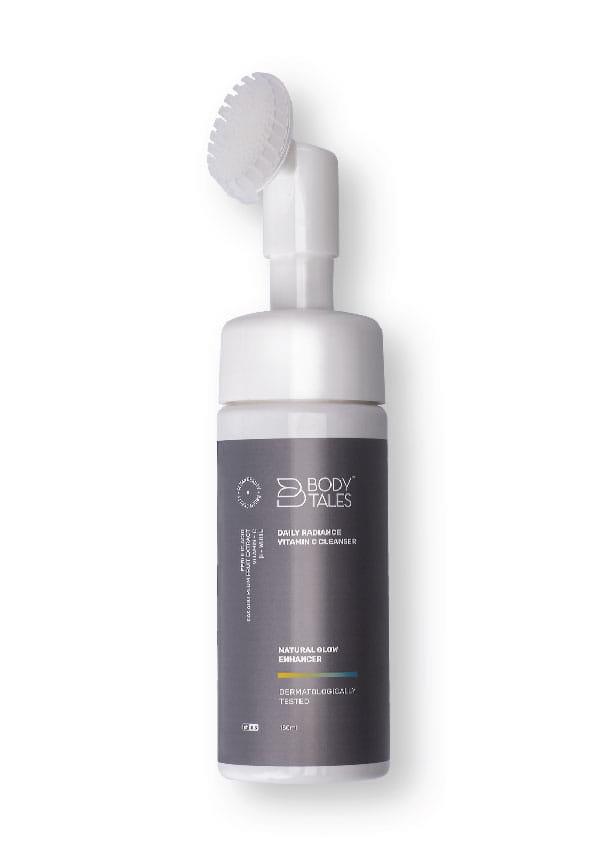
Daily Radiance Vitamin C Cleanser
First, pause your vitamin C use for a few days to let your skin calm down. When you restart, reduce the frequency to once or twice weekly and consider switching to a lower concentration or gentler derivative. You might also try buffering the serum by mixing it with your moisturiser to reduce its potency.
To enjoy vitamin C serum benefits for skin without irritation, focus on gradual introduction and proper formulation selection. Consider starting with vitamin C in moisturiser form rather than a concentrated serum, or look for time-released formulations that deliver the ingredient more gently.
Dermatologists consistently recommend patience when introducing vitamin C into skincare routines. The key is finding the right balance between effectiveness and tolerance for your individual skin type.
Professional advice emphasises the importance of consistency over intensity. It's better to use a lower concentration regularly than to use a high concentration sporadically. In India's climate, storing vitamin C products in cool, dark places becomes even more critical to prevent oxidation and maintain efficacy.
A successful vitamin C routine starts with a gentle cleanser, followed by the vitamin C serum on completely dry skin, then moisturiser and SPF in the morning. Avoid using other active ingredients on the same day initially, and always prioritise sun protection to prevent photosensitivity reactions.
Mild skin adjustment is normal when starting vitamin C, but persistent breakouts lasting more than two weeks may indicate the product isn't suitable for your skin or you're using it incorrectly. Consider reducing frequency or switching to a gentler formulation.
Yes, vitamin C serum breakouts can occur due to several factors: using too high a concentration too quickly, applying it incorrectly, or having sensitivity to specific ingredients in the formulation. However, this doesn't mean vitamin C itself causes acne.
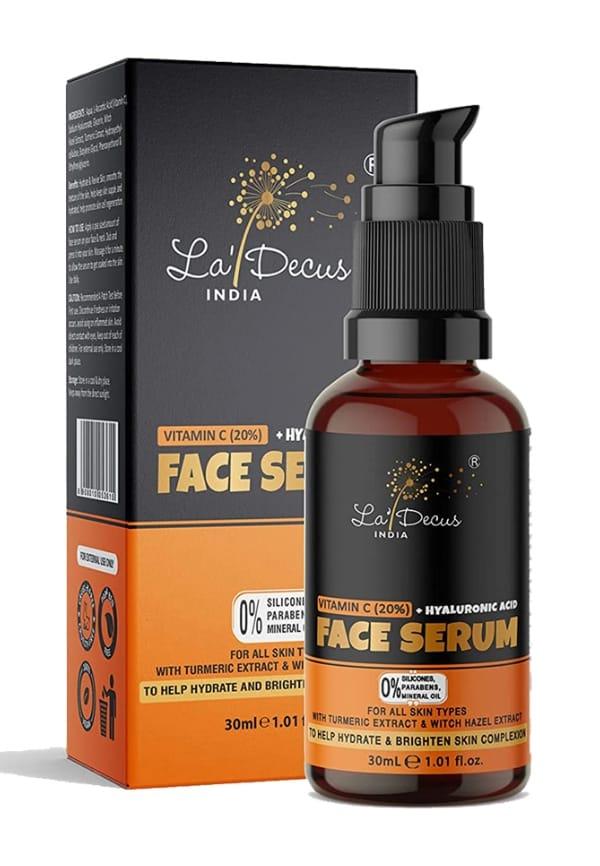
Vitamin C Face Serum 20% With Hyaluronic Acid
Start with low concentrations (5-10%), use every other day initially, apply to completely dry skin, avoid mixing with other actives, and always follow with moisturiser and SPF. Patch test new products and store them properly to prevent oxidation.
Pimples after starting vitamin C often result from skin barrier disruption due to the acidic pH, using too much product, combining it with other actives, or using an oxidised product. Your skin may also be purging initially before improving.
When used properly, vitamin C serums are generally safe for long-term use. However, overuse can lead to chronic irritation, increased sensitivity, or contact dermatitis. Always use appropriate concentrations and give your skin time to adjust.
Yes, but choose gentler derivatives like magnesium ascorbyl phosphate or sodium ascorbyl phosphate instead of L-ascorbic acid. Start with lower concentrations and introduce slowly. Vitamin C serum for sensitive skin requires extra patience and careful product selection.
If your skin is genuinely purging (bringing existing congestion to the surface), this typically lasts 2-4 weeks. However, true purging is less common with vitamin C than with other actives like retinoids or acids.
If you experience severe irritation or persistent breakouts beyond two weeks, pause use and consult a dermatologist. For mild reactions, try reducing frequency, lowering concentration, or switching formulations before discontinuing entirely.
Navigating vitamin C serum breakouts can feel overwhelming, but understanding the science behind these reactions empowers you to make informed decisions about your skincare routine. Remember that what works for your favourite influencer might not work for your skin, and that's perfectly normal.
The journey to finding your perfect vitamin C serum often involves some trial and error. Your skin will notice the difference when you find the right formulation and application method. Whether you're dealing with initial adjustment reactions or trying to prevent them altogether, patience and gradual introduction remain your best strategies.
If you're curious about exploring different vitamin C formulations without committing to full-size products, platforms like Smytten offer an excellent way to test various brands and concentrations. With access to minis from trusted skincare brands, you can discover what works for your skin before investing in full-size products. This approach is particularly valuable when dealing with potentially reactive ingredients like vitamin C, where finding the right match for your skin type makes all the difference.
