Vitamin C Serum AM or PM: Your Questions Answered


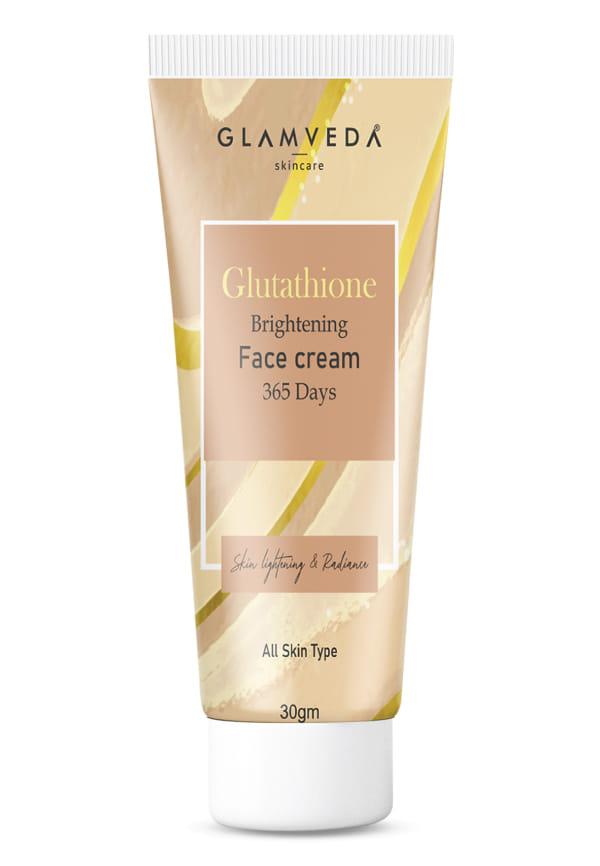
Glutathione Brightening Face Cream Reduce Dark spots & Age spots with Vitamin C
Effective for Brightening & Hydration
 4
4“Lightweight cream brightens skin and hydrates well.See improved radiance and slightly faded dark spots with regular use. Results vary; not dramatic for deep aging lines or spots”
Positive Product Review
4“good product , nice smell, I like it”
Excellent Cream
5“this is the best cream and smell is too good”
If you've ever stood in your bathroom holding a vitamin C serum, wondering whether to slather it on before your morning coffee or save it for your evening wind-down, you're not alone. This golden question has sparked countless skincare debates, and honestly, the answer isn't as straightforward as you might hope. The timing of your vitamin C serum can genuinely impact how well it works for your skin, and getting it right means the difference between that coveted glow and potential irritation. Whether you're dealing with stubborn dark spots, dull skin that's lost its spark, or simply want to maximise your skincare investment, understanding when to apply vitamin C is crucial. At Smytten, we've seen how the right timing can transform someone's entire skincare routine, which is why we're diving deep into this topic to help you make the most informed choice for your skin.
TL;DR
Morning application is generally recommended by dermatologists for maximum antioxidant protection against environmental damage and UV exposure
Night application works better for sensitive skin types who experience irritation or want to avoid potential photosensitivity reactions
Your skin type and concerns determine the best timing - oily skin often benefits from morning use, whilst sensitive skin may prefer evening application
Proper layering is crucial regardless of timing - always follow with SPF in the morning and avoid mixing with certain actives
Consistency matters more than perfect timing - regular use at any time of day will deliver better results than sporadic application
Understanding when to apply vitamin C serum starts with grasping how this powerhouse ingredient actually works in your skin. Vitamin C functions primarily as an antioxidant, neutralising free radicals that cause premature ageing and skin damage. During the day, your skin faces constant assault from environmental stressors - UV rays, pollution, blue light from screens, and even the air conditioning in your office. This is precisely when vitamin C shines brightest, literally acting as a shield against these daily aggressors.
Research consistently shows that vitamin C's antioxidant properties are most beneficial when applied before exposure to environmental damage. A study published in the Journal of Investigative Dermatology found that topical vitamin C significantly reduces UV-induced skin damage when applied before sun exposure. The ingredient works by donating electrons to neutralise free radicals before they can damage your skin cells, making morning application the scientifically backed choice for most people.
However, the story doesn't end there. Your skin follows a natural circadian rhythm, with repair and regeneration processes peaking during nighttime hours. Between 11 PM and 4 AM, your skin's cellular renewal rate increases, blood flow improves, and collagen production ramps up. Some dermatologists argue that applying vitamin C during these peak repair hours can enhance its collagen-boosting benefits, particularly for those focused on anti-ageing concerns.
The overwhelming consensus among skincare professionals favours morning vitamin C application, and the reasons are compelling. Dr. Patricia Wexler, a renowned dermatologist, explains that vitamin C's primary superpower lies in its ability to prevent damage rather than just repair it. When you apply vitamin C in the morning, you're essentially giving your skin a protective barrier against the day's environmental challenges.
Morning application also enhances your sunscreen's effectiveness. Vitamin C and SPF work synergistically, with vitamin C providing additional antioxidant protection whilst your sunscreen blocks UV rays. This combination creates a more robust defence system than either product could achieve alone. Studies have shown that combining vitamin C with SPF can increase photoprotection by up to 40% compared to sunscreen alone.
The brightening effects of vitamin C are another compelling reason for morning use. Many users report that their skin looks more radiant and awake when they apply vitamin C in the morning, creating an instant glow that lasts throughout the day. This immediate brightening effect can be particularly beneficial for those dealing with dull, tired-looking skin or uneven skin tone.
Getting your morning vitamin C routine right is crucial for maximum benefits. Start with a gentle cleanser to remove overnight buildup, then apply your vitamin C serum to clean, dry skin. Wait 10-15 minutes before applying moisturiser, allowing the serum to fully absorb and the pH to stabilise.
For oily skin types, a lightweight, water-based vitamin C serum works best, followed by a gel moisturiser and broad-spectrum SPF 30 or higher. Dry skin benefits from a more emollient vitamin C formula, paired with a richer moisturiser before sunscreen. Always finish with SPF - this step is non-negotiable when using vitamin C in the morning.
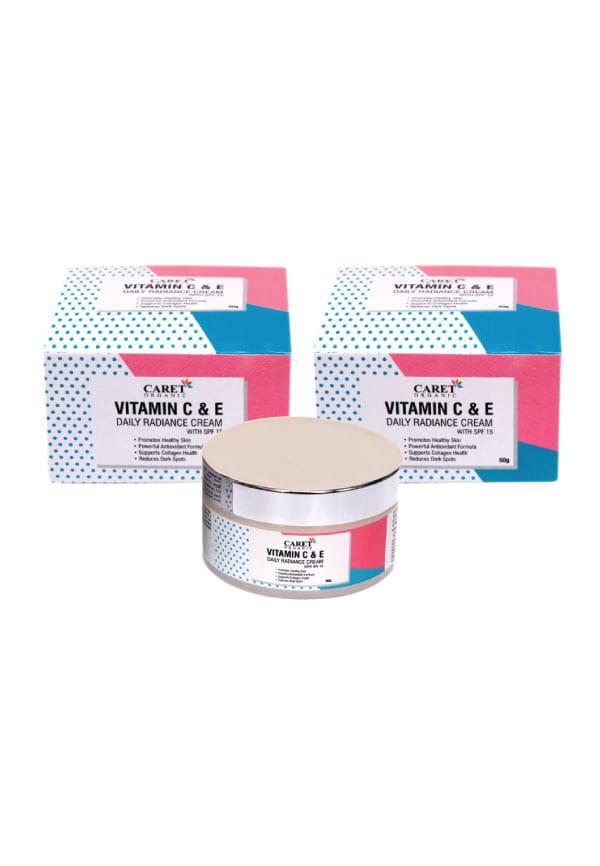
Daily Radiance Light Cream With Vitamin C, E & Spf 15 For Dark Spots & Anti- Wrinkle- No Mineral Oil , Alcohol Or Paraben
Lightweight, Non-Sticky Cream
5“very good and light weight non sticky cream”
Whilst morning application gets the spotlight, nighttime vitamin C use has its own set of advantages, particularly for certain skin types and concerns. Sensitive skin often responds better to evening application, as it eliminates any potential photosensitivity reactions and allows the skin to benefit from vitamin C without the added stress of environmental exposure.
Night application can be particularly beneficial for those using higher concentrations of vitamin C or L-ascorbic acid formulations, which can sometimes cause initial irritation. The skin's natural repair processes during sleep can help maximise vitamin C's collagen-boosting benefits, making it an excellent choice for those primarily concerned with anti-ageing rather than protection.
Some people find that vitamin C makes their skin more sensitive to sunlight, even with diligent SPF use. For these individuals, nighttime application eliminates this concern whilst still delivering the ingredient's brightening and anti-ageing benefits. Additionally, if you're using multiple active ingredients in your routine, evening vitamin C application can help prevent potential interactions with morning actives like retinol or AHAs.
Evening vitamin C application requires careful consideration of your other nighttime actives. Apply vitamin C serum after cleansing and any toners, but before heavier treatments like retinol or face oils. If you're using both vitamin C and retinol, consider alternating nights rather than layering them together.
Follow your vitamin C serum with a nourishing night moisturiser that supports skin barrier repair. Look for ingredients like ceramides, hyaluronic acid, or peptides that complement vitamin C's benefits. Avoid mixing vitamin C with strong acids or retinoids in the same routine to prevent irritation.
Your skin type plays a crucial role in determining the optimal timing for vitamin C application. Understanding how different skin types respond to vitamin C can help you make the best choice for your individual needs.
Oily and acne-prone skin typically benefits from morning vitamin C application. The antioxidant protection helps prevent inflammation from environmental stressors, whilst the brightening effects can help fade post-acne marks more effectively. Choose a lightweight, non-comedogenic vitamin C serum that won't clog pores or feel heavy under sunscreen.
Dry skin often responds well to either morning or evening application, depending on the formulation. If you're using a more emollient vitamin C serum with hydrating ingredients, morning application can provide all-day moisture and protection. For dry skin that's also sensitive, evening application might be gentler and more comfortable.
Sensitive skin generally fares better with nighttime vitamin C application. This approach eliminates potential photosensitivity reactions and allows you to start with lower concentrations to build tolerance. Consider magnesium ascorbyl phosphate or sodium ascorbyl phosphate, which are gentler derivatives of vitamin C.
Combination skin can benefit from a targeted approach - applying vitamin C to the T-zone in the morning for oil control and environmental protection, whilst using it on drier areas in the evening for enhanced hydration and repair.
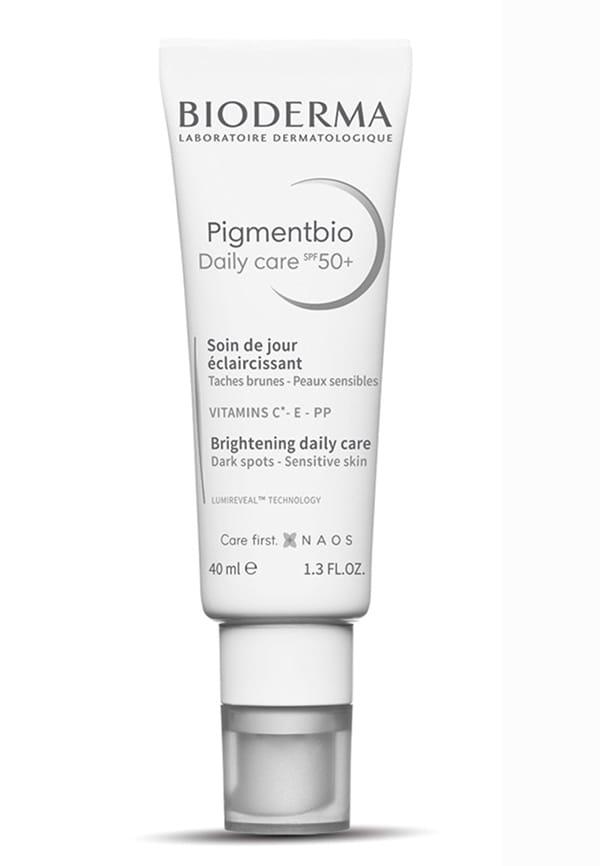
Pigmentbio Daily Care SPF 50+ Brightening Cream for Dark Spots & Senstive Skin
Product | Skin Type | Key Concern | Price Range | Key Ingredients |
|---|---|---|---|---|
The Derma Co. 10% Vitamin C Face Serum | Oily, Combination | Brightening, Dark spots | ₹400-600 | Vitamin C, Niacinamide, Hyaluronic Acid |
Pilgrim 15% Vitamin C Face Serum | All skin types | Anti-ageing, Glow | ₹500-700 | Vitamin C, Kakadu Plum, Hyaluronic Acid |
Plum Calendula & 10% Vitamin C Serum | Sensitive, Dry | Barrier repair, Brightening | ₹600-800 | Vitamin C, Calendula, Ceramides |
Dot & Key 10% Vitamin C+E Serum | Combination, Acne-prone | Dark spots, Uneven tone | ₹700-900 | Vitamin C, Vitamin E, Niacinamide |
Foxtale Eternal Light Gluta-Vit C Serum | All skin types | Pigmentation, Radiance | ₹800-1000 | Vitamin C, Glutathione, Alpha Arbutin |
Even with the best intentions, many people make critical errors when incorporating vitamin C into their routines. Understanding these common pitfalls can save you from irritation, reduced effectiveness, and wasted money on products that don't deliver results.
One of the most frequent mistakes is mixing vitamin C with incompatible ingredients. Combining vitamin C with retinol, benzoyl peroxide, or strong acids like glycolic acid can cause irritation and reduce the effectiveness of all products involved. If you want to use these ingredients together, apply them at different times of day or alternate nights.
Incorrect application order is another common error. Vitamin C serum should always be applied to clean skin before heavier products like moisturisers or oils. The rule of thumb is to apply products from thinnest to thickest consistency, allowing each layer to absorb before applying the next.
Many people also start with concentrations that are too high for their skin tolerance. Beginning with 10-15% vitamin C can cause irritation, especially for sensitive skin. Start with 5-10% and gradually increase concentration as your skin builds tolerance. Signs of over-application include redness, stinging, or increased sensitivity.
Storage mistakes can significantly impact vitamin C's effectiveness. Vitamin C is notoriously unstable and degrades when exposed to light, heat, and air. Store your serum in a cool, dark place, and look for dark glass bottles or opaque packaging. If your serum turns brown or orange, it's oxidised and should be replaced.
Most dermatologists recommend morning application for optimal antioxidant protection against environmental damage. However, sensitive skin types may benefit more from evening application to avoid potential photosensitivity. The key is consistency - regular use at either time will deliver better results than sporadic application.
Yes, most people can use vitamin C serum daily once their skin has built tolerance. Start with every other day for the first week, then gradually increase to daily use. If you experience irritation, reduce frequency or switch to a lower concentration. Those with very sensitive skin might prefer using it 3-4 times per week.
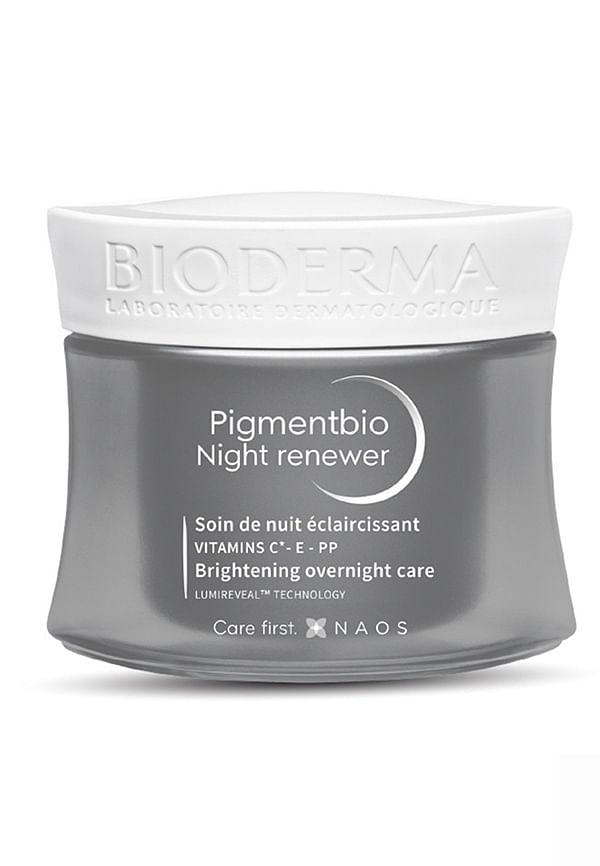
Pigmentbio Night Renewer Brightening Overnight Cream for Dark Spots, Sensitive Skin
Avoid mixing vitamin C with retinol, benzoyl peroxide, and strong acids like glycolic or salicylic acid in the same routine. These combinations can cause irritation and reduce effectiveness. Niacinamide was once thought to be incompatible with vitamin C, but recent research shows they can be used together safely.
Avoid vitamin C immediately after chemical peels, microdermabrasion, or other aggressive treatments when your skin barrier is compromised. If you're experiencing active irritation or inflammation, pause vitamin C use until your skin calms down. Some people also find vitamin C too stimulating during hormonal breakouts.
Most people notice improved skin brightness within 2-4 weeks of consistent use. For dark spot reduction and anti-ageing benefits, expect to wait 6-12 weeks for significant results. Remember that vitamin C works gradually, and consistency is more important than perfect timing. Available on Smytten, you can trial different vitamin C formulations to find what works best for your skin before committing to full sizes.
Night application eliminates concerns about photosensitivity and allows vitamin C to work during the skin's natural repair cycle. Some people find vitamin C makes their skin more sensitive to sunlight, even with SPF use. Evening application also prevents potential interactions with morning actives and can be more comfortable for sensitive skin types.
The morning versus evening vitamin C debate ultimately comes down to your individual skin needs, tolerance, and lifestyle. For most people, morning application offers superior benefits through antioxidant protection and enhanced sunscreen efficacy. However, sensitive skin types, those using high concentrations, or people experiencing photosensitivity may find evening application more suitable.
Regardless of timing, consistency trumps perfection. A vitamin C serum used regularly at any time will deliver better results than sporadic use at the "optimal" time. Focus on choosing the right concentration for your skin tolerance, proper application technique, and compatible product combinations.
Remember that skincare is highly individual, and what works for others might not work for you. Pay attention to how your skin responds and adjust accordingly. Whether you're team morning glow or evening repair, vitamin C can be a transformative addition to your routine when used thoughtfully and consistently.
Finding the perfect vitamin C serum timing is just one piece of the skincare puzzle, but it's an important one that can significantly impact your results. The beauty of modern skincare lies in having options that work for different lifestyles and skin types, and vitamin C exemplifies this perfectly. Smytten is India's largest product discovery and trial platform, connecting consumers with top lifestyle, beauty, wellness, and grooming brands. At its core, Smytten offers curated trial packs - mini-sized products from over 2,400 trusted brands such as Cetaphil, Dot & Key, True Elements, Oziva, Renee, Swiss Beauty Love, Beauty & Planet, WishCare, Carlton London and Bella Vita. This lets users explore and experience products before committing to full-size purchases. With vitamin C serums available from multiple brands on Smytten, you can try before you buy to find the perfect formulation and timing that works for your unique skin needs. Each mini is linked with Trial Points, and users can get up to 10 Trial Points for just ₹279, making it incredibly affordable to experiment with different vitamin C options. Plus, Smytten offers 100% cashback on the purchase of these minis, redeemable in the shop section for future orders, making product discovery both affordable and rewarding. After all, why settle for 'maybe' when you can #TryItAll and find your perfect vitamin C routine!
