Vitamin C Moisturizers FAQ: How They Work for All
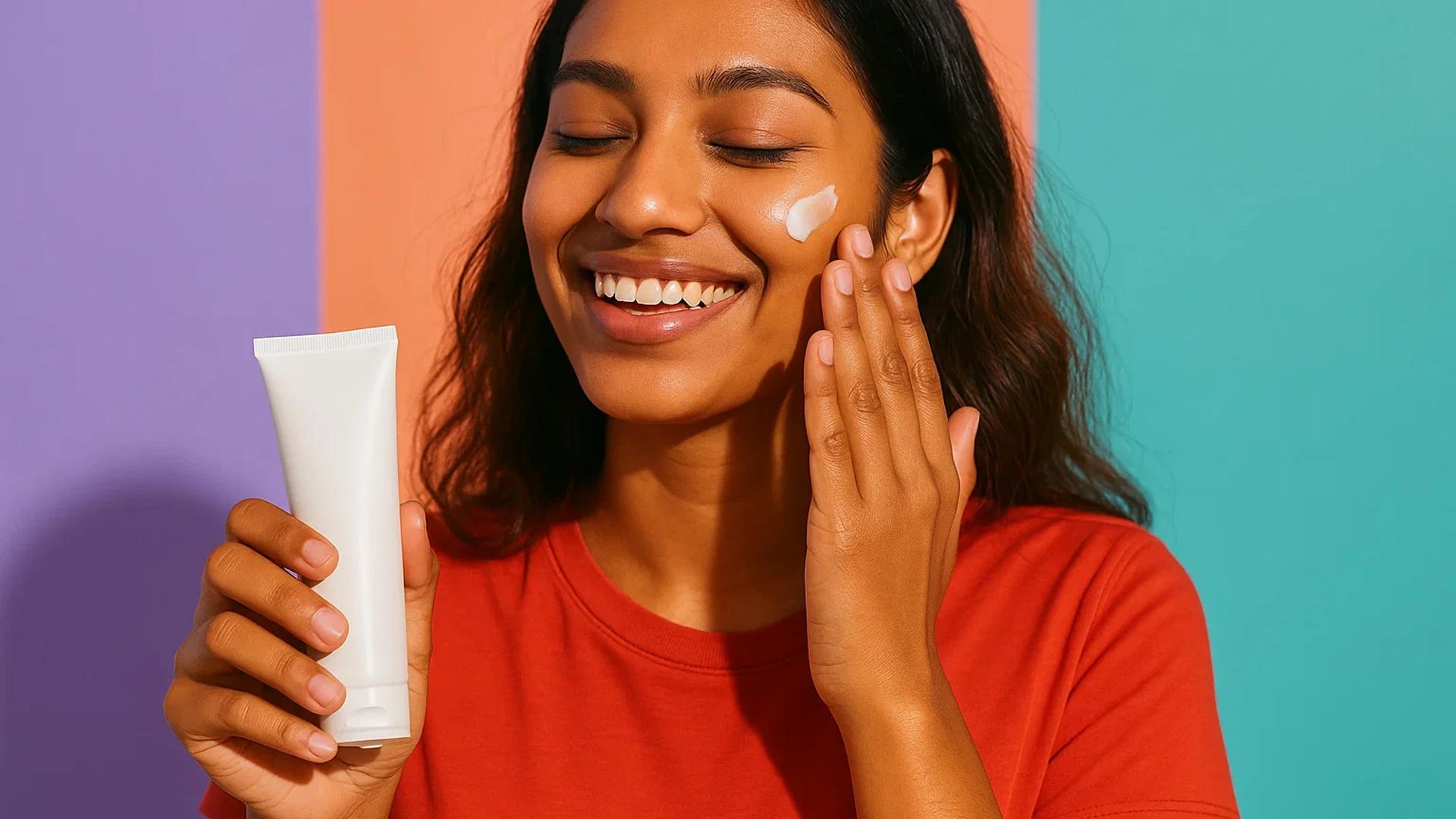

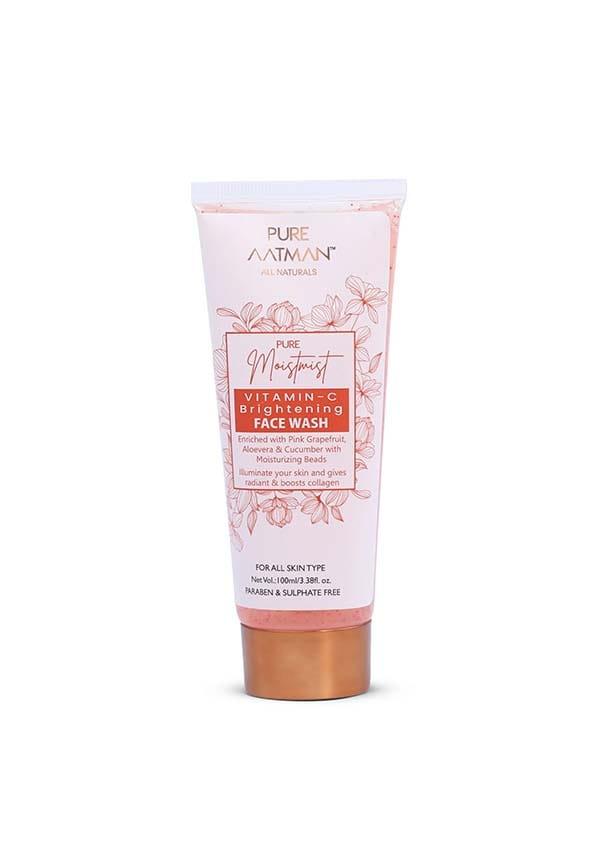
vitamin -C for women girls men bright glowing skin with Natural Vitamin- C
Ever wondered if that vitamin C moisturiser sitting in your skincare routine is actually doing anything? You're not alone. With endless claims about brightening, anti-aging, and protection, it's easy to feel sceptical about whether vitamin C moisturisers truly work—and whether they work the same for everyone, regardless of gender. The good news? Science backs up the benefits, and your skin doesn't discriminate based on whether you're male or female. Let's dive into how these products actually function and why they've earned their spot in skincare routines worldwide.
A vitamin C moisturiser combines the hydrating benefits of a traditional moisturiser with the active power of vitamin C. Unlike standalone serums that deliver concentrated doses, these products offer a gentler approach while still providing meaningful results. The magic happens when vitamin C penetrates your skin and gets to work on a cellular level.
The science is straightforward: vitamin C acts as a powerful antioxidant that neutralises free radicals—those unstable molecules that damage your skin cells and accelerate aging. When applied topically, it also stimulates collagen production, which keeps your skin firm and plump. Most vitamin C moisturisers use stable forms like magnesium ascorbyl phosphate or sodium ascorbyl phosphate rather than the more potent but unstable L-ascorbic acid.
Vitamin C serums typically contain higher concentrations (10-20%) and penetrate deeper, making them ideal for targeted treatment. Moisturisers with vitamin C usually contain 2-10% and focus on daily maintenance while providing hydration. If you're new to vitamin C or have sensitive skin, starting with a moisturiser is often the smarter choice.
The benefits of vitamin C for skin are well-documented and apply equally to men and women. Your skin's biology doesn't change based on gender—collagen production, free radical damage, and cellular turnover work the same way for everyone.
Collagen boost is perhaps the most significant benefit. As we age, collagen production naturally decreases, leading to fine lines and sagging. Vitamin C helps stimulate fibroblasts—the cells responsible for collagen synthesis—keeping your skin firmer for longer. This anti-aging effect typically becomes noticeable after 6-8 weeks of consistent use.
Vitamin C skin brightening works by inhibiting tyrosinase, the enzyme responsible for melanin production. This doesn't mean it bleaches your skin—instead, it helps prevent new dark spots from forming and gradually fades existing hyperpigmentation. Whether you're dealing with acne scars, sun damage, or melasma, vitamin C can help even out your skin tone over time.
Daily exposure to pollution, UV rays, and stress creates oxidative damage in your skin. Vitamin C acts like a shield, neutralising these harmful effects before they can cause lasting damage. This protective benefit is why many dermatologists recommend using vitamin C in the morning, though it's effective any time of day.
Vitamin C skincare is genuinely universal because skin physiology is remarkably similar across genders. The differences we often assume exist—like men having "tougher" skin—are largely about thickness and oil production, not fundamental cellular processes.
Men's skin is typically 20-25% thicker and produces more sebum, which can actually help with vitamin C absorption. However, this also means men might benefit from slightly higher concentrations or more frequent application. Women's skin tends to be more reactive to hormonal changes, making the stabilising effects of vitamin C particularly valuable during menstrual cycles or menopause.
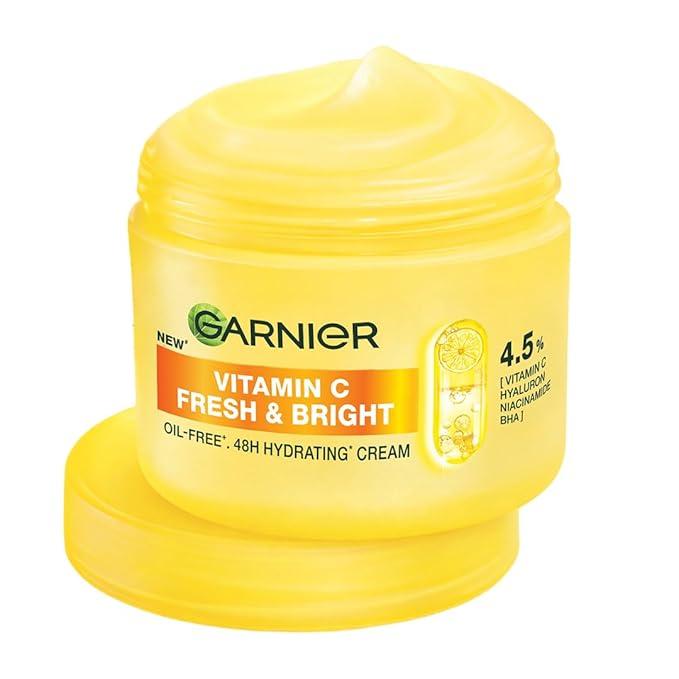
The Garnier Fresh & Bright Vitamin C Sorbet Moisturizer exemplifies this universal approach, offering a lightweight formula that works well for both men and women. Its sorbet texture absorbs quickly without leaving residue, making it suitable for those who prefer minimal-fuss skincare routines, while still delivering the brightening and protective benefits that vitamin C is known for.
While the benefits are universal, application might vary based on individual concerns. Men dealing with razor burn or ingrown hairs can use vitamin C to help heal and prevent post-shave irritation. Women concerned about makeup compatibility will find that vitamin C moisturisers create an excellent base for foundation while providing all-day protection.
The best vitamin C serum or moisturiser for you depends on your skin type and concerns, not your gender. If you have oily or acne-prone skin, look for lightweight, gel-based formulas that won't clog pores. Those with dry or mature skin benefit from richer creams that combine vitamin C with hydrating ingredients like hyaluronic acid or ceramides.
Vitamin C cream for face products often include complementary ingredients that enhance effectiveness. Niacinamide helps reduce irritation, while vitamin E stabilises vitamin C and provides additional antioxidant benefits. Avoid products that combine vitamin C with retinol or alpha hydroxy acids, as these can cause irritation when used together.
Start with 5-10% vitamin C if you're new to the ingredient. Your skin needs time to build tolerance, and jumping straight to high concentrations can cause redness or peeling. Once your skin adapts (usually after 2-4 weeks), you can gradually increase concentration if desired.
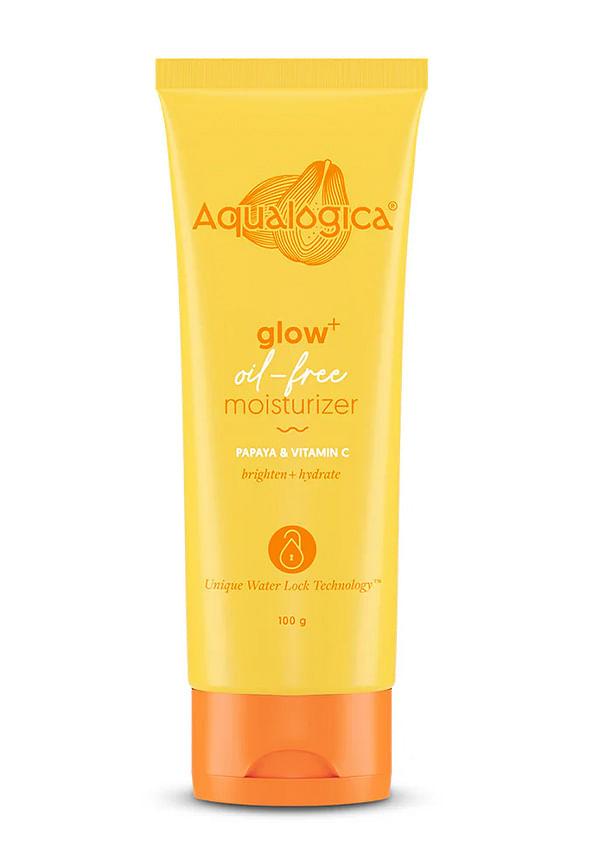
Glow+ Oil free Moisturiser, with Papaya and Vitamin C
Vitamin C anti-aging benefits become most apparent with consistent long-term use. Fine lines around the eyes and mouth typically show improvement first, followed by overall skin firmness and elasticity. The key is patience—collagen rebuilding is a gradual process that can take several months to show dramatic results.
For vitamin C moisturiser for acne, choose non-comedogenic formulas that won't worsen breakouts. Vitamin C helps heal existing blemishes faster and can prevent post-inflammatory hyperpigmentation—those dark marks that linger after spots clear up. However, if you're using other acne treatments like benzoyl peroxide or salicylic acid, introduce vitamin C slowly to avoid over-irritation.
Vitamin C for sensitive skin requires extra care. Look for stable derivatives like magnesium ascorbyl phosphate rather than L-ascorbic acid, which can be more irritating. Always patch test new products on your inner arm before applying to your face, and start with every other day application until your skin adjusts.
Proper application maximises benefits and minimises potential irritation. Always apply vitamin C moisturiser to clean, dry skin. If you're using other active ingredients, vitamin C typically goes on after cleansing and toning but before heavier moisturisers or oils.
Morning application is ideal because vitamin C provides antioxidant protection throughout the day. However, evening use is perfectly fine if your morning routine is already packed. The most important factor is consistency—daily use yields better results than sporadic application of higher concentrations.
Vitamin C plays well with most ingredients, but timing matters. Hyaluronic acid and niacinamide are excellent companions that can be layered together. Avoid using vitamin C immediately before or after retinol, AHAs, or BHAs—separate these by several hours or use them on alternating days.
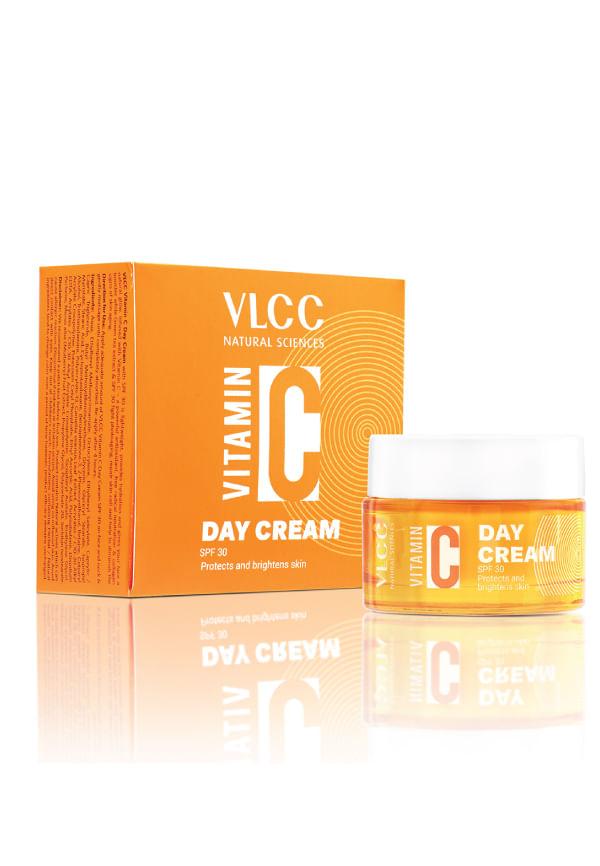
Vitamin C Day Cream SPF 30
Yes, clinical studies consistently show that topical vitamin C improves skin texture, reduces hyperpigmentation, and boosts collagen production. Most people notice brighter, more even-toned skin within 4-6 weeks, with anti-aging benefits becoming apparent after 2-3 months of regular use. The key is choosing a stable formulation and using it consistently.
Absolutely. Skin biology is fundamentally the same regardless of gender. While men's skin may be slightly thicker and oilier, this doesn't require different vitamin C formulations. Choose products based on your skin type (oily, dry, sensitive) rather than gender-specific marketing. The same vitamin C moisturiser will work equally well for both men and women.
Common side effects include mild irritation, redness, or tingling, especially when first starting or using high concentrations. Some people experience dryness or peeling. These effects usually subside as your skin builds tolerance. If irritation persists beyond two weeks, reduce frequency or switch to a gentler formulation. Rarely, vitamin C can cause allergic reactions—discontinue use if you develop severe redness, swelling, or rash.
Topical application is more effective for skin benefits. When you take vitamin C orally, only a small percentage reaches your skin after being distributed throughout your body. Topical vitamin C delivers the ingredient directly where it's needed, achieving much higher concentrations in skin cells. However, combining both approaches—eating vitamin C-rich foods and using topical products—provides comprehensive benefits.
Vitamin C inhibits tyrosinase, the enzyme that triggers melanin production. This prevents new dark spots from forming while gradually fading existing hyperpigmentation. It's important to note that vitamin C brightens skin by evening tone and reducing discolouration—it doesn't actually lighten your natural skin colour. Results for dark spots typically become visible after 6-12 weeks of consistent use.
Yes, daily use is generally safe and recommended for best results. Start with every other day for the first week to assess tolerance, then gradually increase to daily application. Some people can even use vitamin C twice daily, though once daily is sufficient for most skin types. If you experience persistent irritation, reduce frequency rather than stopping completely.
Vitamin C moisturisers offer a gentle yet effective way to incorporate this powerhouse ingredient into your routine. Whether you're male or female, dealing with aging concerns, acne scars, or simply wanting brighter skin, vitamin C delivers proven results when used consistently. The key is finding a stable formulation that suits your skin type and committing to regular use.
Remember that skincare is highly individual—what works for your friend might not work for you, regardless of gender. Pay attention to how your skin responds and adjust accordingly. With over 2,400 brands available on platforms like Smytten, you have access to numerous vitamin C options from trusted names in skincare. If you're curious about trying different formulations before committing to full-size products, Smytten also offers trial sizes from many of these brands, making it easier to find your perfect vitamin C match without the guesswork.
