Vitamin C for Hyperpigmentation FAQ: Your Questions Answered


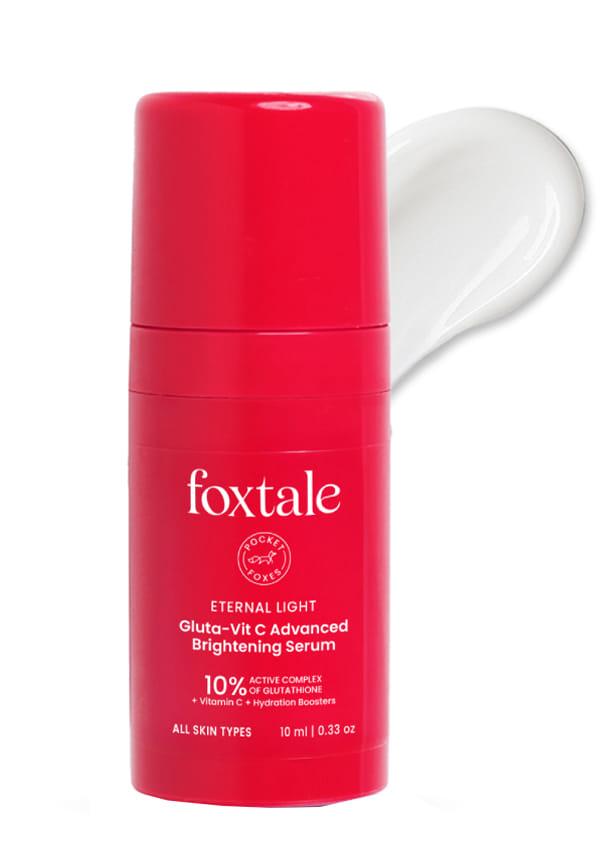
10% Eternal Light Gluta - Vit C Advanced Brightening Serum
You've been staring at those stubborn dark spots for months now, wondering if vitamin C is actually the miracle worker everyone claims it to be. Whether it's post-acne marks that refuse to budge or melasma patches that appeared seemingly overnight, hyperpigmentation can feel like an uphill battle. The good news? Vitamin C genuinely works to fade these marks, but understanding how it works and what to expect makes all the difference. Let's dive into the most common questions about using vitamin C for dark spots and get you the answers you need to see real results.
Here's the science bit made simple: vitamin C tackles hyperpigmentation by interrupting your skin's melanin production process. When your skin produces too much melanin (the pigment that gives skin its colour), you get those darker patches we call hyperpigmentation. Vitamin C steps in by inhibiting an enzyme called tyrosinase, which is essential for melanin synthesis. Think of it as putting the brakes on your skin's pigment factory.
But that's not all vitamin C does. As a powerful antioxidant, it also protects your skin from future damage by neutralising free radicals that can trigger more pigmentation. Plus, it boosts collagen production, which helps with overall skin brightening and texture improvement. The result? Existing dark spots fade whilst your skin builds better defences against new ones forming.
L-ascorbic acid, the most potent form of vitamin C, works by downregulating tyrosinase activity at the cellular level. Research shows that consistent use can reduce melanin production by up to 60% in treated areas. Vitamin C derivatives like magnesium ascorbyl phosphate and sodium ascorbyl phosphate work similarly but are gentler and more stable, making them ideal for sensitive skin types.
Real talk: yes, vitamin C does fade hyperpigmentation, but it's not magic. Clinical studies consistently show that vitamin C serums with concentrations between 10-20% can significantly reduce the appearance of dark spots over 8-12 weeks. One landmark study found that participants using 20% vitamin C saw a 62% improvement in pigmentation after 16 weeks of consistent use.
However, vitamin C works best on certain types of hyperpigmentation. It's particularly effective for post-inflammatory hyperpigmentation (those marks left behind by acne), sun damage, and age spots. Melasma, being hormonally driven, can be trickier and often requires combination treatments. The key is managing expectations and understanding that vitamin C is a marathon runner, not a sprinter.
For optimal results with vitamin C for dark spots, consistency is everything. The Foxtale 10% Eternal Light Gluta Vit C Advanced Brightening Serum combines stable vitamin C with glutathione for enhanced brightening power, making it an excellent choice for those starting their hyperpigmentation journey. This serum works gradually to fade existing spots whilst preventing new ones from forming, giving you that even-toned complexion you're after.
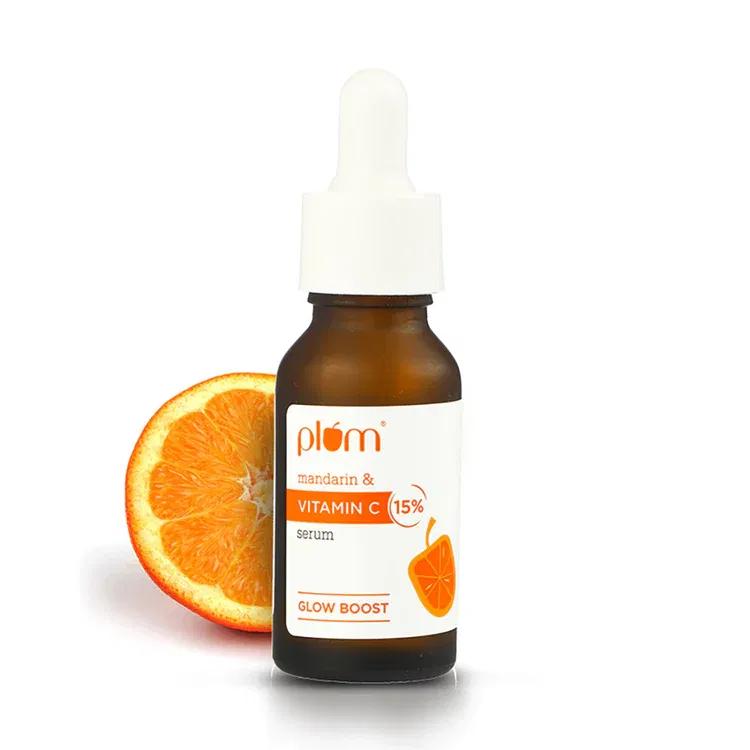
15% Vitamin C Face Serum with Mandarin
Patience is your best friend when it comes to reducing acne scars and evening skin tone with vitamin C. Most people start noticing subtle improvements around the 4-6 week mark, with more significant results appearing between 8-12 weeks. However, deeper pigmentation or older spots might take up to 6 months to show substantial fading.
Several factors influence how quickly you'll see results: your skin type, the depth and age of the pigmentation, the concentration of vitamin C you're using, and how consistently you apply it. Newer, surface-level spots respond faster than deep, established pigmentation. Remember, your skin renews itself approximately every 28 days, so you need at least one full skin cycle to see meaningful changes.
Weeks 1-2: Your skin adjusts to the vitamin C. You might notice improved radiance but no significant spot fading yet. Weeks 4-6: First visible improvements appear - spots may look slightly lighter or less defined. Weeks 8-12: Significant fading becomes apparent, with many spots noticeably lighter. Months 3-6: Maintenance phase where remaining stubborn spots continue to fade gradually.
This is where things get interesting. Vitamin C doesn't permanently delete your skin's ability to produce melanin - and you wouldn't want it to, as melanin protects against UV damage. What it does is help fade existing spots and prevent new ones from forming whilst you're using it. If you stop using vitamin C and don't address the underlying triggers (like sun exposure or hormonal fluctuations), new pigmentation can certainly develop.
For conditions like melasma, which is often triggered by hormones or sun exposure, maintenance is crucial. Many people find that reducing their vitamin C frequency rather than stopping completely helps maintain their results. The key is combining vitamin C with proper sun protection and addressing any underlying causes of pigmentation.
Getting the most from your vitamin C serum isn't just about slapping it on and hoping for the best. Start with a lower concentration (10-15%) if you're new to vitamin C, especially if you have sensitive skin. Apply it to clean skin in the morning, followed by moisturiser and SPF. Yes, SPF is non-negotiable - vitamin C can make your skin more photosensitive initially.
Layer wisely: vitamin C plays well with niacinamide and hyaluronic acid but can be irritating when combined with retinol or AHAs. If you want to use multiple actives, alternate them - vitamin C in the morning, retinol at night. Always patch test new products and introduce them gradually to avoid irritation.
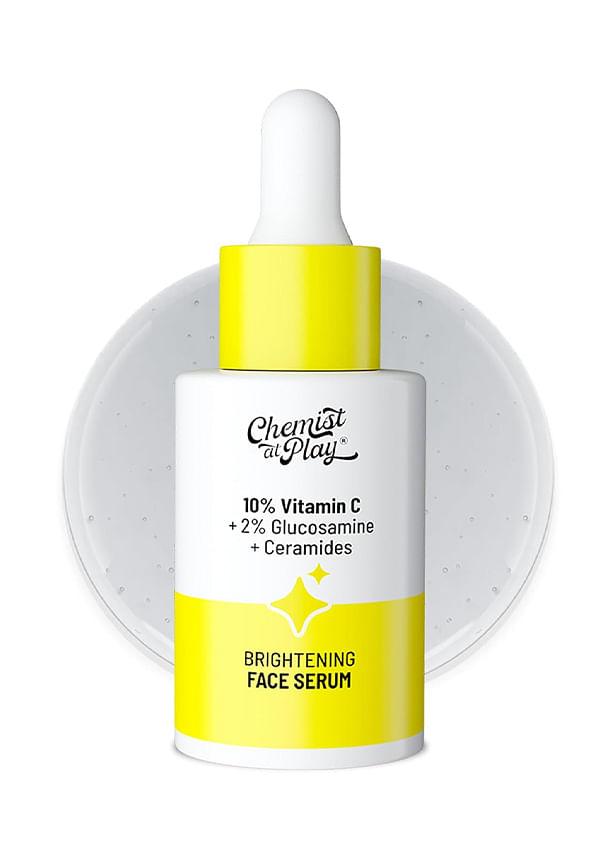
10% Vitamin C Face Serum | Brightens & adds Glow | Treats Dark Spots
Look for vitamin C serums in dark or opaque packaging to prevent oxidation. L-ascorbic acid is most potent but can be unstable; derivatives like magnesium ascorbyl phosphate offer gentler, more stable options. Concentrations between 10-20% are most effective for hyperpigmentation treatment without excessive irritation. Budget-friendly options can be just as effective as premium ones if they contain stable, well-formulated vitamin C.
Not all hyperpigmentation is created equal, and your approach should reflect this. For reducing acne scars and post-inflammatory hyperpigmentation, vitamin C works brilliantly as these spots are typically newer and more surface-level. Combine it with gentle exfoliation for enhanced results.
Melasma requires a more nuanced approach. While vitamin C can help, it often works best as part of a combination therapy including tretinoin, hydroquinone, or kojic acid. Those with darker skin tones should be particularly cautious with concentration and frequency to avoid irritation that could worsen pigmentation.
Vitamin C can significantly fade existing pigmentation, but it doesn't permanently prevent your skin from producing melanin. Maintenance use and sun protection are essential for long-term results.
Yes, most people can use vitamin C daily once their skin has adjusted. Start with every other day and gradually increase frequency based on your skin's tolerance.
It's best to use them at different times - vitamin C in the morning and retinol at night. Using them together can increase irritation without additional benefits.
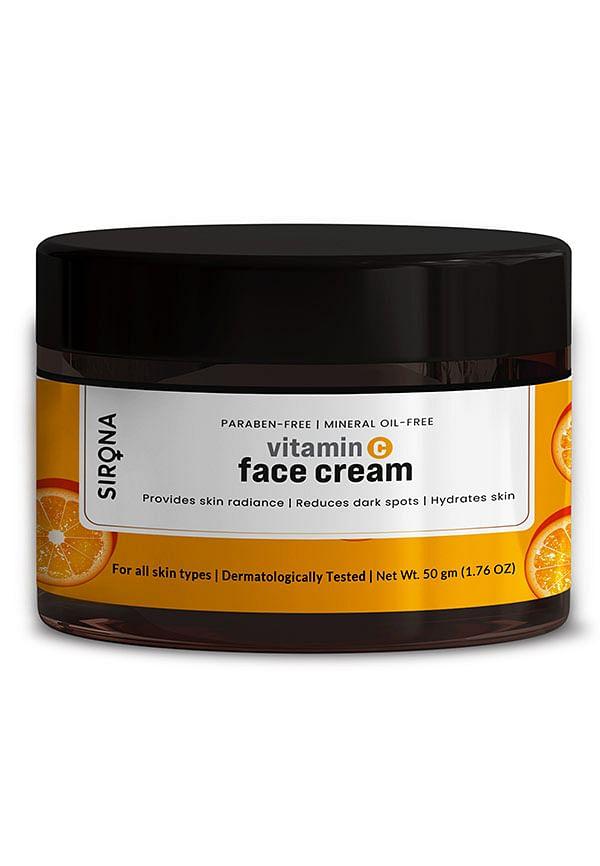
Vitamin C Face Cream for Hydrates Skin, Provides Skin Radiance & Reduces Dark Spots
Both work well for hyperpigmentation, but through different mechanisms. Vitamin C inhibits melanin production whilst niacinamide prevents melanin transfer. Many people use both for enhanced results.
Look for gradual lightening of spots over 4-8 weeks, improved overall radiance, and prevention of new dark spots forming. Take progress photos to track subtle changes.
Rarely, but irritation from too high a concentration or frequency can cause inflammation, potentially worsening pigmentation. Start slowly and listen to your skin.
Want to supercharge your vitamin C results? Combine it with gentle exfoliation using AHAs or BHAs (on alternate days) to help remove pigmented skin cells faster. Ensure you're getting adequate sleep and managing stress, as both affect skin repair and regeneration. Consider adding antioxidant-rich foods to your diet - your skin benefits from vitamin C both topically and internally.
Professional treatments like chemical peels or microneedling can enhance vitamin C penetration and accelerate results. However, always consult a dermatologist before combining professional treatments with active ingredients. Most importantly, never skip SPF - it's the most crucial step in preventing new pigmentation whilst your existing spots fade.
Vitamin C is genuinely effective for hyperpigmentation, but success lies in realistic expectations and consistent use. It's not an overnight solution, but with patience and proper application, you can achieve significant improvement in dark spots and overall skin brightening. Remember that the best hyperpigmentation treatment is often a combination approach - vitamin C for active fading, SPF for prevention, and patience for lasting results.
The journey to clearer, more even-toned skin is exactly that - a journey. Your skin will notice the difference with consistent care, and those stubborn spots will gradually fade. If you're curious about trying different vitamin C formulations but not ready to commit to full-size products, Smytten offers trial sizes from many trusted brands, letting you discover what works best for your skin before making a larger investment.
