Vitamin C Face Washes: Suitable for All Skin Types? FAQ


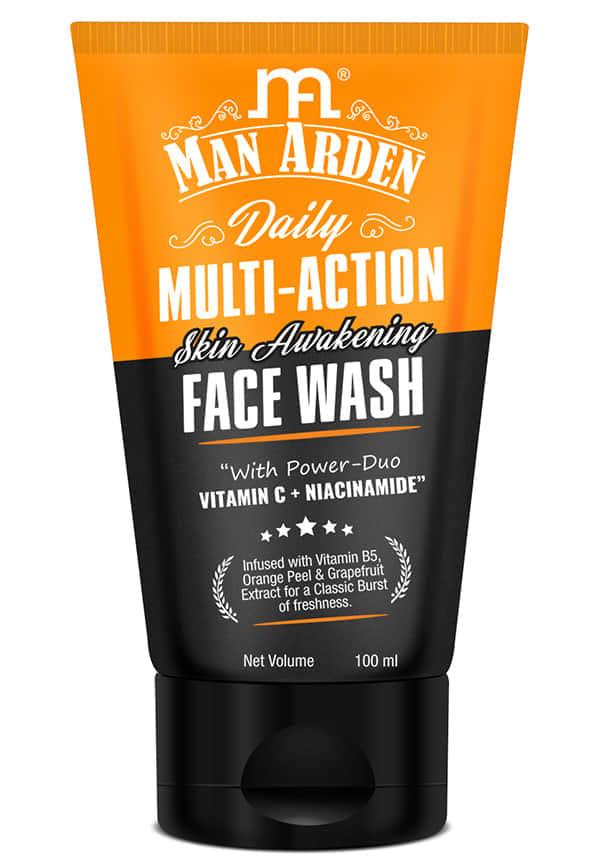
Vitamin C Daily Multi-Action Skin Awakening & Brightening Face Wash Vitamin C + Niacinamide
Vitamin C has become the golden child of skincare, promising brighter, more even-toned skin with consistent use. But when it comes to vitamin C face washes, many wonder: are they truly suitable for all skin types? The answer isn't as straightforward as you might think. While vitamin C cleansers offer brilliant benefits like antioxidant protection and gentle brightening, they're not necessarily a one-size-fits-all solution. Your skin type, sensitivity level, and current skincare routine all play crucial roles in determining whether a vitamin C face wash will be your new holy grail or a recipe for irritation. Understanding how these cleansers work and which formulations suit different skin concerns can help you make an informed choice. At Smytten, we've seen countless users discover their perfect vitamin C cleanser through trial-sized versions, allowing them to test compatibility before committing to full-size products.
Vitamin C face washes work well for most skin types but require careful selection based on your specific needs
Sensitive skin should opt for gentler formulations with stable vitamin C derivatives
Oily and acne-prone skin can benefit from daily use, while dry skin may need hydrating formulations
Patch testing is essential before incorporating any vitamin C cleanser into your routine
Start slowly and build up frequency to avoid irritation and maximise benefits
Vitamin C face washes contain various forms of this powerhouse antioxidant, each offering unique benefits and stability profiles. The most common forms you'll find include L-ascorbic acid (the most potent but potentially irritating), magnesium ascorbyl phosphate (gentle and stable), and sodium ascorbyl phosphate (water-soluble and less likely to cause sensitivity).
Unlike vitamin C serums that deliver concentrated doses for targeted treatment, face washes provide a gentler introduction to this ingredient. The contact time is brief—typically just a minute or two during cleansing—which means the concentration can be higher without causing irritation. This makes vitamin C cleansers an excellent starting point for those new to vitamin C or those with sensitive skin who find serums too intense.
The concentration levels in cleansers typically range from 0.5% to 5%, significantly lower than the 10-20% found in serums. This lower concentration, combined with the rinse-off nature of cleansers, provides antioxidant benefits whilst minimising the risk of irritation. The formulation also matters—cream-based cleansers tend to be more hydrating, whilst gel formulations work better for oily skin types.
The appeal of vitamin C face washes lies in their multifaceted approach to skin health. As a potent antioxidant, vitamin C neutralises free radicals from pollution, UV exposure, and daily environmental stressors that can accelerate ageing and cause dullness.
One of the most celebrated benefits is vitamin C's ability to brighten skin naturally. It works by inhibiting tyrosinase, an enzyme involved in melanin production, which helps fade dark spots and prevent new hyperpigmentation from forming. Regular use can lead to a more even skin tone and that coveted healthy glow.
Vitamin C also supports collagen synthesis, the protein responsible for skin firmness and elasticity. Whilst you won't see dramatic anti-ageing results from a cleanser alone, consistent use can contribute to maintaining skin structure over time. The gentle exfoliating properties help remove dead skin cells, revealing fresher, smoother skin underneath.
The anti-inflammatory properties of vitamin C make it particularly beneficial for those dealing with redness or irritation. It can help calm inflamed skin whilst providing protective benefits that prevent future damage.
Understanding how vitamin C interacts with different skin types is crucial for selecting the right product. Each skin type has unique needs and tolerance levels that must be considered.
Sensitive skin requires the gentlest approach when introducing vitamin C. Look for formulations containing magnesium ascorbyl phosphate or sodium ascorbyl phosphate, as these derivatives are less likely to cause irritation than L-ascorbic acid. These stable forms provide antioxidant benefits without the stinging sensation that can accompany more potent formulations.

Always perform a patch test before full use—apply a small amount to your inner wrist or behind your ear and wait 24-48 hours to check for reactions. Start with use every other day or even twice weekly, gradually increasing frequency as your skin builds tolerance.
Oily skin often tolerates vitamin C well and can benefit from daily use. The antioxidant properties help regulate sebum production over time, whilst the gentle exfoliating action prevents clogged pores and blackheads. Look for gel-based formulations that won't add extra oil to your skin.
Those with oily skin can typically handle higher concentrations and more potent forms of vitamin C. The key is finding a balance that controls oil without over-drying, which can actually trigger increased sebum production.
Dry skin benefits from vitamin C face washes that include hydrating ingredients like hyaluronic acid, glycerin, or ceramides. These formulations provide antioxidant benefits whilst maintaining the skin's moisture barrier. Cream-based cleansers work better than foaming gels for this skin type.
Use lukewarm water and follow immediately with a hydrating toner and moisturiser to lock in hydration. Consider using vitamin C cleansers in the morning only, opting for a gentler, more hydrating cleanser in the evening.
Acne-prone skin can particularly benefit from vitamin C's anti-inflammatory properties. It helps reduce the redness associated with breakouts and prevents post-inflammatory hyperpigmentation that often follows acne healing. The gentle exfoliation also helps prevent pore blockages.
Be cautious when combining vitamin C cleansers with other acne treatments like benzoyl peroxide or retinoids, as this can increase irritation. Consider using vitamin C in the morning and acne treatments in the evening to maximise benefits whilst minimising sensitivity.
Despite their generally gentle nature, vitamin C face washes aren't suitable for everyone. Those with certain skin conditions should exercise particular caution when considering these products.
People with rosacea, eczema, or atopic dermatitis may find that vitamin C exacerbates their condition. The brightening and exfoliating properties that benefit most skin types can trigger flare-ups in compromised skin barriers. If you have these conditions, consult with a dermatologist before introducing vitamin C into your routine.
Some individuals are simply sensitive to vitamin C, regardless of the form or concentration. Signs of vitamin C sensitivity include persistent redness, stinging, burning, or increased breakouts that don't subside after a few weeks of use. If you experience these symptoms, discontinue use immediately.
Those taking certain medications, particularly photosensitising drugs, should be cautious with vitamin C products. Whilst vitamin C itself isn't photosensitising, some formulations may increase skin sensitivity when combined with certain medications.
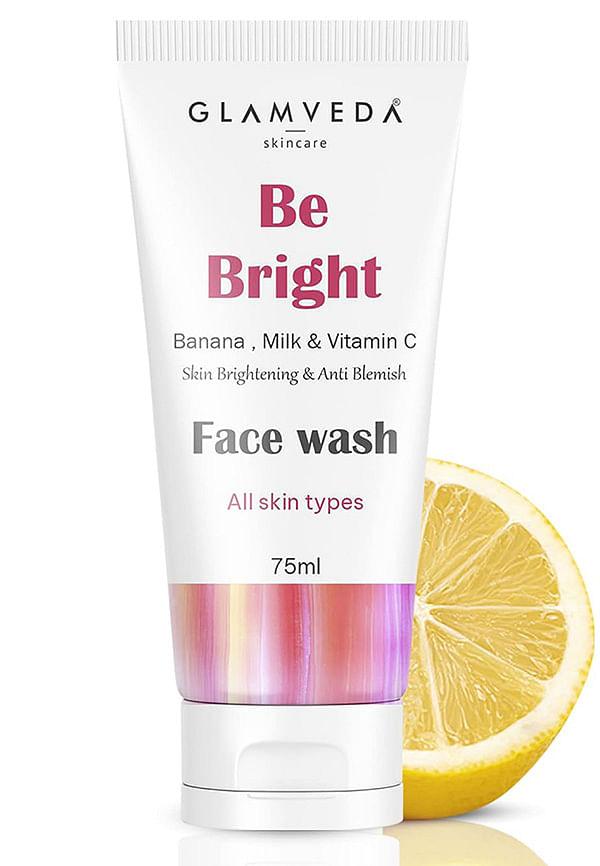
Be Bright Skin Brighteing & Anti Blemish Face Wash With Vitamin C
Understanding potential side effects helps you use vitamin C face washes safely and effectively. The most common issues include mild irritation, redness, or a tingling sensation upon application.
Initial tingling is often normal and typically subsides as your skin adjusts to the ingredient. However, persistent stinging, burning, or increased redness indicates that the product may be too strong for your skin type. Factors that increase sensitivity risk include using products with high concentrations, combining multiple active ingredients, or having a compromised skin barrier.
To minimise side effects, introduce vitamin C cleansers gradually. Start with once or twice weekly use, slowly increasing frequency as your skin builds tolerance. Always follow with a broad-spectrum SPF during the day, as vitamin C can make your skin more photosensitive initially.
If you experience severe reactions like persistent burning, swelling, or blistering, discontinue use immediately and consult a healthcare professional. These symptoms may indicate an allergic reaction rather than simple sensitivity.
Proper application maximises benefits whilst minimising potential irritation. Start with clean, dry hands and wet your face with lukewarm water. Apply a small amount of vitamin C cleanser to your palms and work into a gentle lather.
Massage the cleanser onto your face using circular motions for 30-60 seconds, paying attention to areas prone to dullness or congestion. Avoid the delicate eye area unless the product is specifically formulated for this region. Rinse thoroughly with lukewarm water and pat dry with a clean towel.
Morning use is generally preferred for vitamin C products, as they provide antioxidant protection throughout the day. However, some people prefer evening use to avoid any potential photosensitivity. The key is consistency—choose a time that works for your routine and stick with it.
When building a vitamin C skincare routine, layer products from thinnest to thickest consistency. After cleansing, apply toner, serums, moisturiser, and finally SPF during the day. Avoid mixing vitamin C with retinoids, AHAs, or BHAs in the same routine to prevent irritation.
For those looking to explore vitamin C cleansers, the Garnier Bright Complete Vitamin C Facewash offers an excellent introduction to this ingredient. This gentle formulation combines vitamin C with other skin-brightening ingredients, making it suitable for daily use across various skin types whilst providing effective cleansing and antioxidant benefits.
People with severe rosacea, active eczema, or extremely sensitive skin should approach vitamin C cleansers with caution. Those with compromised skin barriers may experience increased irritation. If you have these conditions, start with patch testing and consider consulting a dermatologist before regular use.
Most skin types can tolerate daily vitamin C face wash use, but start gradually. Oily and normal skin types often handle daily use well, whilst sensitive or dry skin may benefit from every other day initially. Listen to your skin and adjust frequency accordingly.
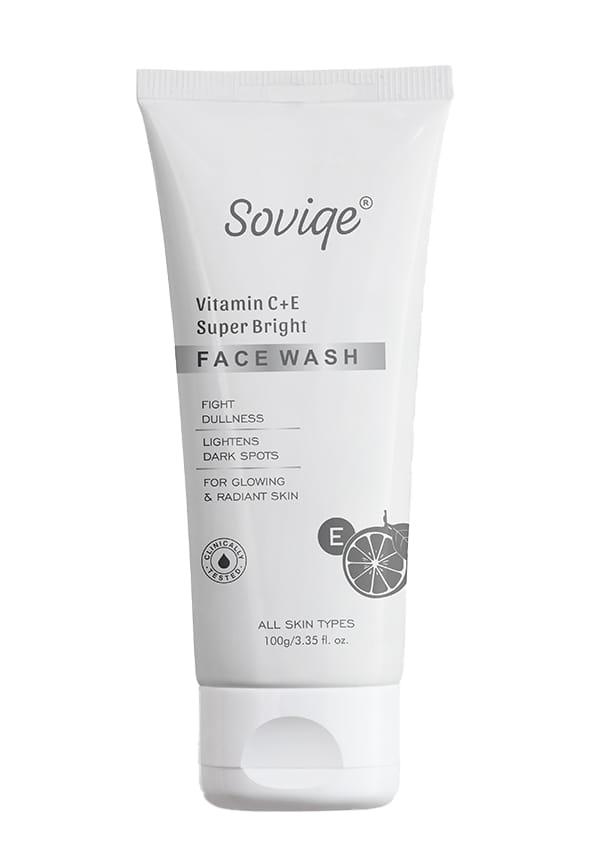
Face Wash | Vitamin- C+E Rich Super Bright
Both serve different purposes in your routine. Face washes provide gentle, daily antioxidant benefits with lower irritation risk, whilst serums deliver higher concentrations for targeted treatment. Many people use both—a vitamin C cleanser for daily protection and a serum for intensive treatment.
Signs include persistent stinging, increased redness that doesn't subside, peeling, or new breakouts after several weeks of use. Mild initial tingling is normal, but ongoing discomfort indicates the product may be too potent for your skin.
Initial breakouts may occur as your skin adjusts, but persistent new acne after 4-6 weeks suggests the product isn't suitable. This could be due to sensitivity, comedogenic ingredients, or over-exfoliation. Consider switching to a gentler formulation or reducing usage frequency.
Morning use is generally preferred as vitamin C provides antioxidant protection against daily environmental stressors. However, evening use works too, especially if you're using other active ingredients in the morning. Choose what fits your routine best and maintain consistency.
Hyaluronic acid, niacinamide, and vitamin E complement vitamin C beautifully. Avoid combining with retinoids, AHAs, or BHAs in the same routine to prevent irritation. Gentle, hydrating ingredients like glycerin and ceramides also pair well, especially for sensitive skin.
Smytten offers trial-sized versions of various vitamin C cleansers, allowing you to test different formulations before purchasing full-size products. This approach helps you find the perfect match for your skin type without wasting money on products that might not suit you.
Vitamin C face washes can be suitable for most skin types when chosen and used correctly. The key lies in selecting the right formulation for your specific needs—gentler derivatives for sensitive skin, oil-controlling formulas for oily skin, and hydrating versions for dry skin. Start slowly, patch test new products, and pay attention to how your skin responds.
Remember that vitamin C cleansers are just one part of an effective skincare routine. They work best when combined with appropriate moisturisers, SPF protection, and other complementary ingredients. The goal is to enhance your skin's natural radiance whilst maintaining its health and barrier function.
If you experience persistent irritation or adverse reactions, don't hesitate to discontinue use and consult a skincare professional. Everyone's skin is unique, and what works for others may not work for you—and that's perfectly normal.
Finding the right vitamin C face wash for your skin type doesn't have to be a guessing game. Smytten is India's largest product discovery and trial platform, connecting consumers with top lifestyle, beauty, wellness, and grooming brands. At its core, Smytten offers curated trial packs - mini-sized products from over 2,400 trusted brands such as Cetaphil, Dot & Key, True Elements, Oziva, Renee, Swiss Beauty Love, Beauty & Planet, WishCare, Carlton London and Bella Vita. This lets users explore and experience products before committing to full-size purchases. Each mini is linked with Trial Points, and users can get up to 10 Trial Points for just ₹279. Plus, Smytten offers 100% cashback on the purchase of these minis, redeemable in the shop section for future orders, making product discovery both affordable and rewarding. With over 28 million users and 100 million trial minis delivered across 90% pin code coverage, Smytten helps consumers make smarter, more confident choices. After all, why settle for 'maybe' when you can try before you buy and discover your perfect vitamin C cleanser through authentic brand-verified minis available on Smytten.
