Vitamin C Face Wash for Sensitive Skin: FAQ


You've been eyeing that vitamin C face wash for weeks, but there's one nagging question holding you back: will it irritate your sensitive skin? It's a valid concern. Many people with reactive skin assume vitamin C is off-limits, especially in cleansing products. But here's the thing – when formulated correctly, vitamin C face washes can actually be brilliant for sensitive skin types. The key lies in understanding which formulations work, how to use them properly, and what to look for on those ingredient lists.
Let's clear this up once and for all: sensitive skin and vitamin C face wash can absolutely be friends. The confusion often stems from mixing up vitamin C serums with cleansers. High-concentration vitamin C serums (think 15-20% L-ascorbic acid) can indeed cause stinging or redness on reactive skin. But vitamin C face washes work differently.
In cleansing formulations, vitamin C typically appears in gentler, stabilised forms like magnesium ascorbyl phosphate or sodium ascorbyl phosphate. These derivatives are less likely to cause irritation whilst still delivering antioxidant benefits. Plus, since you're rinsing the product off rather than leaving it on your skin for hours, the contact time is minimal.
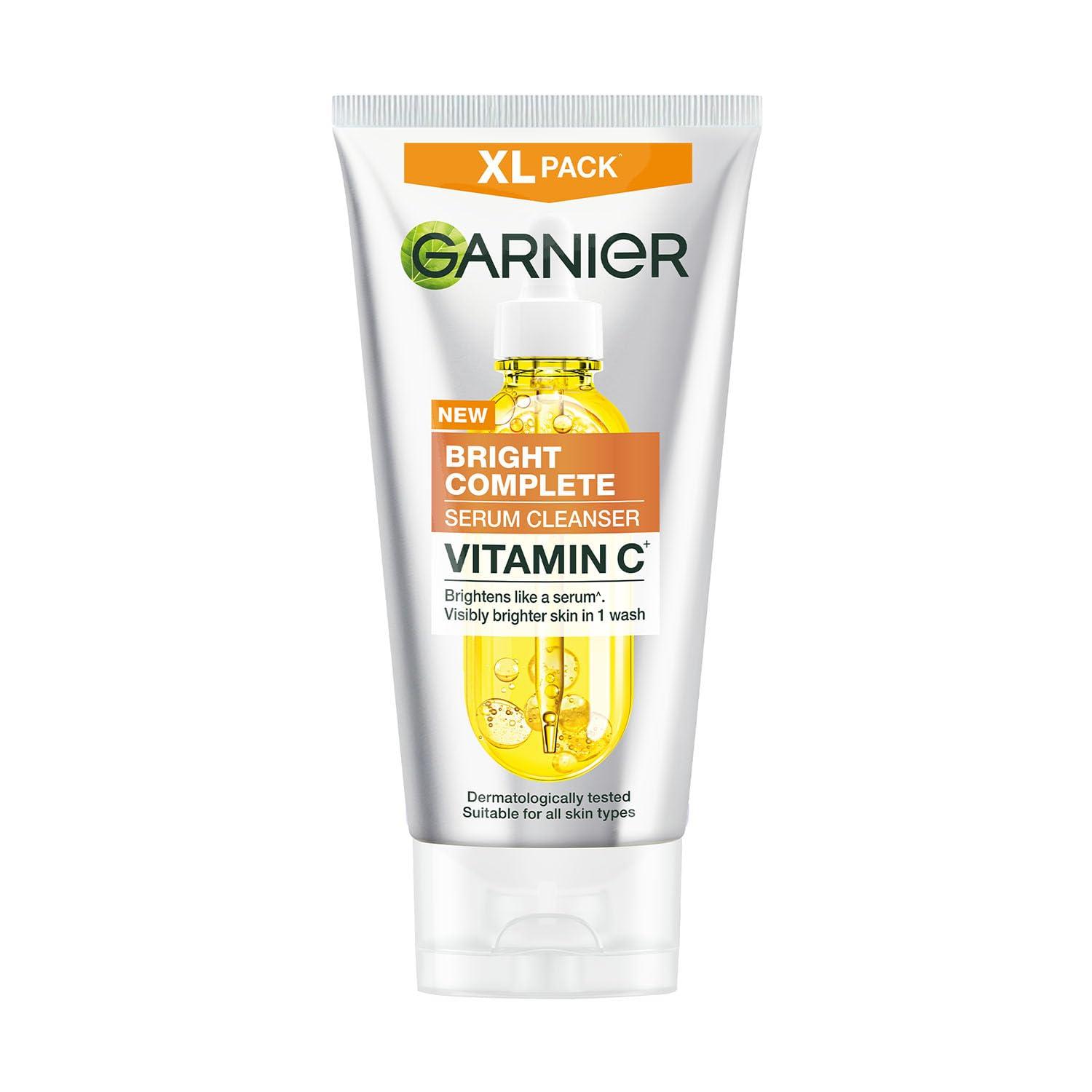
Clinical studies have shown that gentle vitamin C cleansers can actually help strengthen the skin barrier over time. A 2023 study published in the Journal of Cosmetic Dermatology found that participants with sensitive skin who used a vitamin C cleanser for eight weeks experienced reduced redness and improved skin tolerance. The Garnier Vitamin C + Serum Face Wash exemplifies this approach perfectly, combining vitamin C with soothing ingredients to create a sensitive skin cleanser that brightens without irritation. Its gentle formulation includes stabilised vitamin C that works to even skin tone whilst respecting your skin's natural barrier, making it an excellent choice for those who've been hesitant to try vitamin C products.
Real talk: if you've been avoiding vitamin C because of sensitivity concerns, you might be missing out on some serious skin benefits. The trick is choosing the right formulation and introducing it gradually.
Here's where things get interesting. Vitamin C benefits for skin extend far beyond just brightening – especially for sensitive types. This powerhouse antioxidant actually has anti-inflammatory properties that can help calm reactive skin rather than aggravate it.
When your skin is sensitive, it's often because your barrier function is compromised. Environmental stressors, pollution, and even harsh skincare products can weaken this protective layer. Vitamin C skincare helps by promoting collagen synthesis, which strengthens the skin's structure over time. Think of it as reinforcing your skin's natural defences.
The antioxidant action is particularly brilliant for sensitive skin. Free radicals from UV exposure and pollution can trigger inflammatory responses in reactive skin types. Vitamin C neutralises these troublemakers before they can cause damage. It's like having a protective shield that works whilst you cleanse.
What makes vitamin C face washes especially suitable is their pH-balancing effect. Many gentle face wash formulations use buffered vitamin C, which helps maintain your skin's optimal pH level. This is crucial for sensitive skin, as pH imbalances can trigger irritation and compromise barrier function.
Not all vitamin C face washes are created equal, especially when it comes to sensitive skin. The devil's in the details – or rather, the supporting cast of ingredients that make or break the formula.
First up: the type of vitamin C matters enormously. Look for non-irritating face wash formulations that use magnesium ascorbyl phosphate or sodium ascorbyl phosphate rather than pure L-ascorbic acid. These stabilised forms are gentler whilst still delivering results.
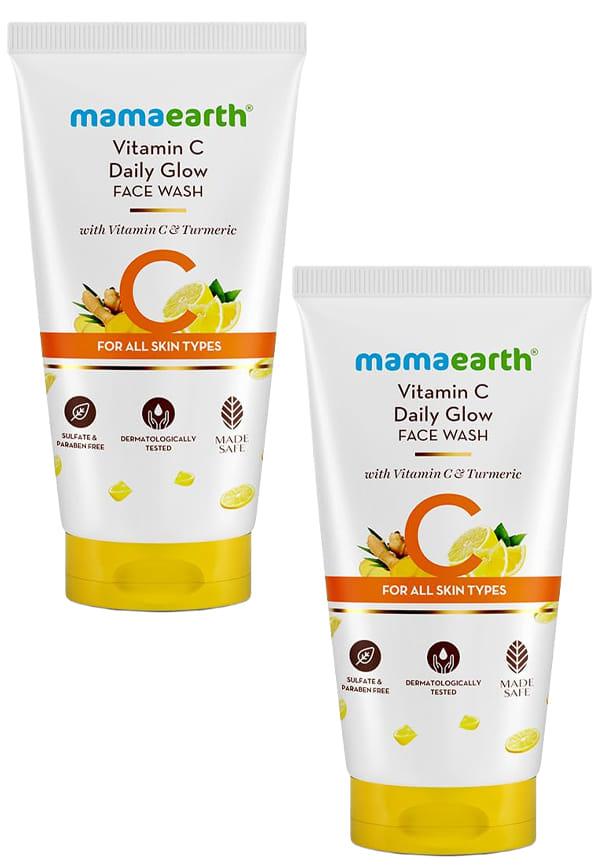
Vitamin C Face Wash
Good & Easy to Apply
 5
5“good to face and easy to apply”
Skin feels smooth and light
4“skin feels so smooth light after using this facewash”
Light Texture, Glowing Skin
5“its very light in texture and very light and glows the skin after every wash”
Your ideal soothing face cleanser should also include calming co-stars. Aloe vera is brilliant for reducing inflammation and providing instant relief to irritated skin. Chamomile extract offers natural anti-inflammatory benefits, whilst cucumber provides cooling hydration. These ingredients work synergistically with vitamin C to create a truly gentle experience.
Equally important is what's NOT in the formula. The best face wash for sensitive skin will be free from sulphates, which can strip natural oils and trigger irritation. Parabens, artificial fragrances, and alcohol should also be off the guest list. Instead, look for gentle surfactants like coco-glucoside or decyl glucoside that cleanse without compromising your barrier.
Bonus points if your vitamin C cleanser includes niacinamide or hyaluronic acid. Niacinamide helps regulate oil production and reduces redness, whilst hyaluronic acid ensures your skin stays hydrated throughout the cleansing process.
Steer clear of sodium lauryl sulphate (SLS), artificial fragrances, menthol, and high concentrations of essential oils. These can trigger reactions even in formulations with gentle vitamin C.
Getting the technique right is half the battle when you're dealing with sensitive skin. Even the gentlest face wash for redness can cause issues if you're too aggressive with application.
Start with lukewarm water – never hot, as heat can exacerbate sensitivity. Wet your face thoroughly, then apply a small amount of your vitamin C cleanser to damp hands. Gently massage in circular motions for about 30 seconds, focusing on areas that need extra attention but avoiding aggressive scrubbing around delicate eye and lip areas.
The golden rule for sensitive skin is less is more. Begin by using your calming face wash every other day, gradually increasing to daily use as your skin builds tolerance. Morning use is often preferable, as vitamin C provides antioxidant protection throughout the day.
Always follow up with a gentle, fragrance-free moisturiser whilst your skin is still slightly damp. This helps lock in hydration and prevents the tight feeling that some people experience after cleansing.
Here's a pro tip: if you're introducing vitamin C cleansing for the first time, do a patch test behind your ear or on your inner wrist. Wait 24 hours to see how your skin reacts before using it on your face.
Integrate your vitamin C face wash slowly into your existing routine. If you're using other active ingredients like retinol or AHAs, consider alternating days to prevent overloading your skin.
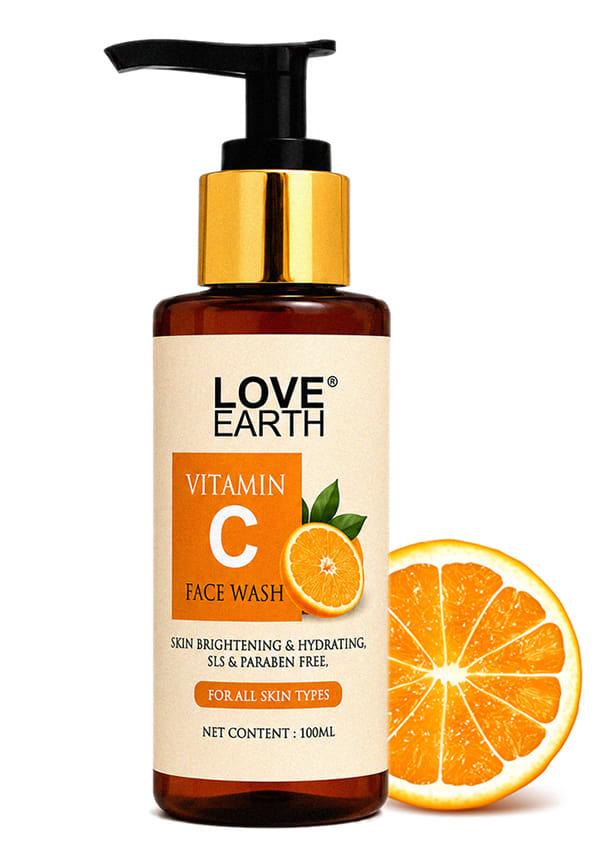
Vitamin C Face Wash
Premium Quality, Stylish Design
5““Premium quality, stylish design aur poori satisfaction”
Let's be honest about what might happen when you first start using a vitamin C face wash. Some people experience mild tingling or slight redness initially – this is often normal as your skin adjusts to the new ingredient.
The key is distinguishing between normal adjustment and concerning reactions. Mild tingling that subsides within a few minutes is typically fine. However, persistent burning, severe redness, or any signs of an allergic reaction (swelling, hives, intense itching) mean you should stop using the product immediately.
If you experience minor irritation, try reducing frequency rather than abandoning the product entirely. Use your vitamin C cleanser every third day for a week, then gradually increase as tolerance builds. Your skin often needs time to adapt to new active ingredients.
Seasonal considerations matter too. During winter months or in air-conditioned environments, sensitive skin tends to be drier and more reactive. You might need to reduce frequency or follow up with a more intensive moisturiser during these times.
Remember, over-cleansing is a real concern with sensitive skin. Signs include increased dryness, tightness, or paradoxically, increased oil production as your skin tries to compensate for stripped natural oils.
So how does vitamin C stack up against other sensitive skin cleanser options? It's not about finding the 'best' – it's about finding what works for your specific needs.
Compared to gentle cream cleansers, vitamin C face washes offer additional antioxidant benefits and can help with mild hyperpigmentation over time. However, cream cleansers might be more suitable if your primary concern is dryness rather than dullness or uneven tone.
Micellar water is incredibly gentle and requires no rinsing, making it perfect for extremely reactive skin. But it lacks the active benefits of vitamin C and might not remove all impurities, especially if you wear makeup or sunscreen daily.
Oil cleansing methods can be brilliant for sensitive skin, particularly if you're dealing with dehydration. However, they don't offer the brightening benefits of vitamin C and might not suit those with acne-prone sensitive skin.
The beauty of vitamin C face washes lies in their dual action: gentle cleansing plus active benefits. If you're looking to address multiple concerns – sensitivity, dullness, and mild pigmentation – a well-formulated vitamin C cleanser might be your sweet spot.
Yes, when properly formulated and introduced gradually. Start with every other day and build up to daily use as your skin adapts. Look for stabilised forms of vitamin C rather than pure L-ascorbic acid, and always follow with a gentle moisturiser.
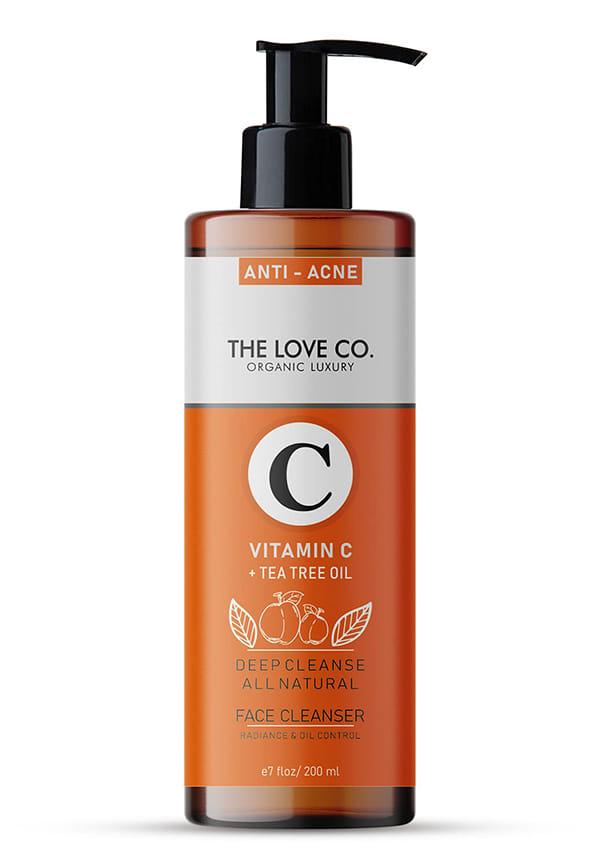
Vitamin C Face Wash
Loved the product
5“I really really loved the product”
Loved the product
5“I really really loved the product”
Good Fragrance, Worth It
4“must buy worth it fragrance is Good”
Absolutely. Vitamin C has natural anti-inflammatory properties that can help calm reactive skin over time. However, expect gradual improvement rather than instant results – most people notice reduced redness after 4-6 weeks of consistent use.
Face washes typically contain lower concentrations of vitamin C and are rinsed off, making them gentler for sensitive skin. Serums have higher concentrations and remain on the skin, which can be more irritating but also more potent for targeting specific concerns.
Patience is key with sensitive skin. You might notice improved skin texture within 2-3 weeks, but significant brightening and tone evening typically takes 6-8 weeks of consistent use. Remember, gentle progress is still progress.
Generally yes, but introduce products one at a time. If you're using prescription treatments for sensitivity, consult your dermatologist first. Avoid combining with other potentially irritating actives like AHAs or retinol initially.
Stop using the product immediately if you experience severe irritation. For mild reactions, try reducing frequency or switching to a gentler formulation. Always patch test new products and consider consulting a dermatologist if reactions persist.
The journey to finding the right skincare routine for sensitive skin doesn't have to mean avoiding all active ingredients. Vitamin C face washes can be a brilliant addition to your routine when chosen and used thoughtfully. The key lies in selecting gentle formulations, introducing them gradually, and listening to your skin's responses.
Remember, sensitive skin isn't a life sentence of bland, boring products. With the right approach, you can enjoy the brightening, protective benefits of vitamin C whilst keeping irritation at bay. Your skin deserves both gentleness and effectiveness – and you don't have to choose between them.
If you're curious about trying vitamin C cleansers but hesitant to commit to full-size products, platforms like Smytten offer a smart solution. With access to mini versions from trusted brands, you can test how your sensitive skin responds before investing in full-size products. It's a practical way to explore new formulations whilst building confidence in your skincare choices.
