Vitamin C Creams for Uneven Skin Tone: FAQ


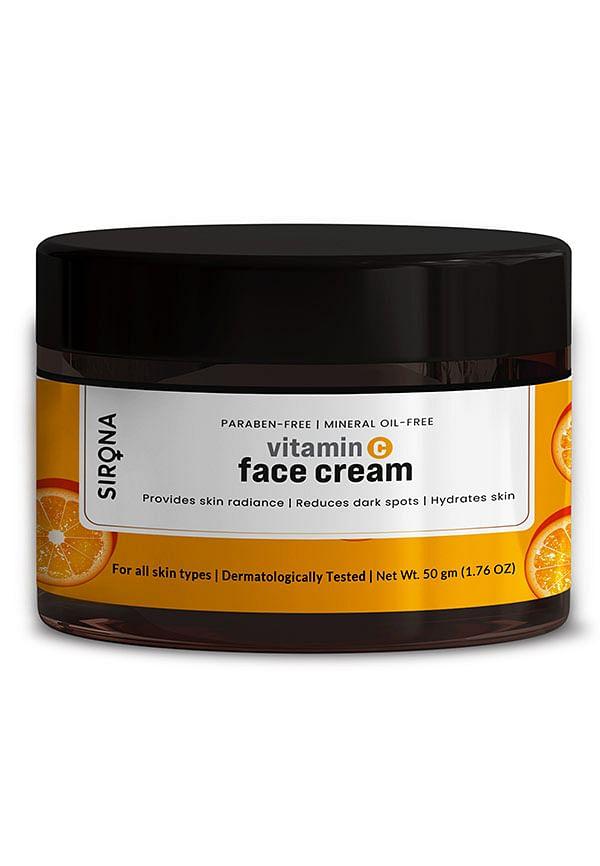
Vitamin C Face Cream for Hydrates Skin, Provides Skin Radiance & Reduces Dark Spots
You've been staring at your reflection again, haven't you? Those stubborn dark spots from last summer's breakouts, the patches that seem darker on one side of your face, or that general dullness that makes your complexion look uneven. If you've been wondering whether vitamin C creams could be the answer to your uneven skin tone woes, you're asking the right questions. Let's dive into everything you need to know about how these brightening powerhouses actually work, what to expect, and how to use them properly for the glowing, even complexion you're after.
Before we talk solutions, let's understand what's actually happening beneath your skin's surface. Uneven skin tone typically stems from excess melanin production triggered by factors like UV exposure, hormonal changes, inflammation from acne, or simply the natural ageing process. When your skin produces melanin unevenly, you end up with those frustrating patches of hyperpigmentation that make your complexion look blotchy. This is where vitamin C becomes your skin's best friend. The science is actually quite fascinating – vitamin C works by inhibiting an enzyme called tyrosinase, which is essential for melanin production. Think of it as putting the brakes on your skin's pigment factory, preventing new dark spots from forming whilst helping existing ones fade over time. But that's not all vitamin C does for your skin. As a potent antioxidant, it also protects against free radical damage from pollution and UV rays – the very culprits that trigger uneven pigmentation in the first place. Clinical studies have shown that consistent use of vitamin C can significantly improve skin brightness and reduce the appearance of dark spots within 6-12 weeks.
When you apply vitamin C cream to your skin, you're essentially giving your cells the tools they need to repair and regenerate more effectively. Vitamin C stimulates collagen production, which not only helps with fine lines but also improves overall skin texture and tone. This dual action – preventing new pigmentation whilst encouraging healthy cell turnover – is what makes vitamin C such an effective ingredient for addressing skin discoloration.
Here's where things get interesting, and honestly, a bit confusing. Walk down any skincare aisle and you'll find both vitamin C serums and creams promising to tackle your hyperpigmentation. So which one should you choose? Vitamin C serums typically contain higher concentrations of the active ingredient – often between 10-20% – and have a lighter, more easily absorbed texture. This makes them excellent for targeting specific dark spots and delivering a concentrated dose of vitamin C directly to problem areas. If you're dealing with stubborn post-acne marks or sun spots, a serum might be your best bet. Vitamin C creams, on the other hand, usually contain lower concentrations (around 5-15%) but offer additional moisturising benefits. They're often formulated with complementary ingredients like hyaluronic acid, niacinamide, or peptides that support overall skin health. For those with dry or sensitive skin, or if you're new to vitamin C, creams can be gentler and more nourishing.
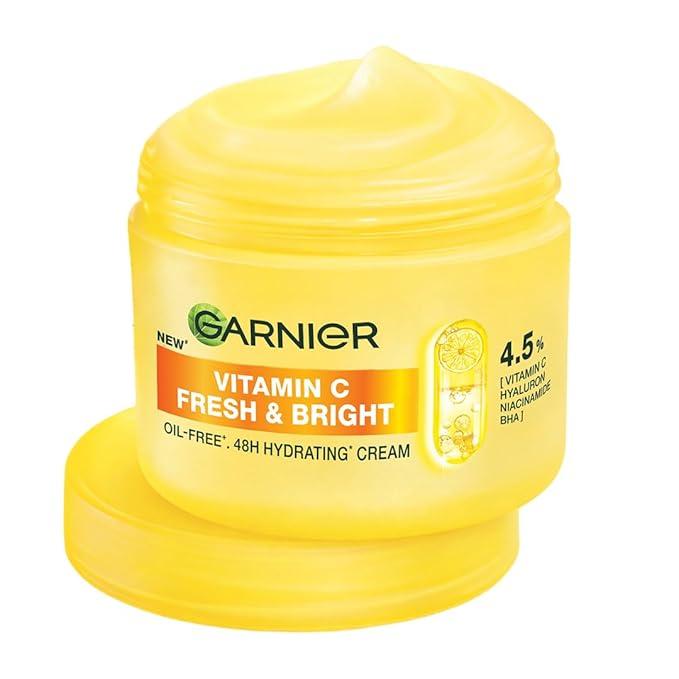
One crucial factor to consider is stability. Pure L-ascorbic acid (the most potent form of vitamin C) can be notoriously unstable, especially in cream formulations. Many brands now use stable vitamin C derivatives like magnesium ascorbyl phosphate or sodium ascorbyl phosphate in their creams, which may be less irritating but potentially less potent. The Garnier Fresh & Bright Vitamin C Sorbet Moisturizer exemplifies this thoughtful approach to vitamin C formulation, combining the brightening benefits of vitamin C with a lightweight, sorbet-like texture that absorbs quickly without feeling heavy on the skin. This type of formulation bridges the gap between the intensity of a serum and the nourishing properties of a traditional cream, making it an excellent choice for those seeking effective skin brightening without compromising on hydration.
Getting your vitamin C skincare routine right can make the difference between seeing real results and wondering why you're not getting the glow everyone talks about. The timing and application method matter more than you might think. Most dermatologists recommend using vitamin C in the morning, as this is when your skin needs the most antioxidant protection against daily environmental stressors. Start with freshly cleansed skin, apply your vitamin C cream whilst your skin is still slightly damp (this helps with absorption), and always follow with SPF. Yes, always – vitamin C can make your skin more photosensitive initially. If you're new to vitamin C, start slowly. Use your cream every other day for the first week, then gradually increase to daily use as your skin builds tolerance. Some people experience mild tingling or redness initially, which usually subsides as your skin adjusts.
Here's where many people go wrong: they assume more actives equal better results. In reality, how to even skin tone effectively often comes down to using fewer ingredients consistently rather than overwhelming your skin with everything at once. Avoid using vitamin C with retinol or AHAs/BHAs in the same routine, as this can lead to irritation. Instead, alternate these ingredients – vitamin C in the morning, retinol at night, and chemical exfoliants on separate days entirely. Niacinamide and hyaluronic acid, however, play beautifully with vitamin C and can enhance its benefits.
Whilst we often focus on vitamin C's ability to tackle dark spots and uneven tone, this powerhouse ingredient offers so much more for your skin. Understanding these additional vitamin C cream benefits might just convince you that it deserves a permanent spot in your routine. Collagen synthesis is perhaps vitamin C's most impressive secondary benefit. As we age, our natural collagen production slows down, leading to fine lines, wrinkles, and loss of skin firmness. Vitamin C acts as a cofactor in collagen production, essentially helping your skin maintain its youthful structure and bounce. The wound healing properties of vitamin C also make it excellent for anyone dealing with acne scars or general skin texture issues. It helps speed up the skin's natural repair process, which can lead to smoother, more refined skin over time.
Think of vitamin C as your skin's daily shield against environmental damage. Pollution, blue light from screens, and UV rays all create free radicals that break down collagen and trigger premature ageing. By neutralising these free radicals, vitamin C helps prevent the damage before it occurs, making it one of the most effective preventative anti-ageing ingredients available.
Not all vitamin C is created equal, and choosing the right form for your skin type can make or break your experience with this ingredient. If you have sensitive skin, you'll want to look for stable derivatives rather than pure L-ascorbic acid. L-ascorbic acid is the gold standard – it's the most researched and potent form of vitamin C. However, it can be irritating and requires careful formulation to remain stable. If you have resilient skin and are dealing with significant hyperpigmentation, this might be worth trying. Magnesium ascorbyl phosphate and sodium ascorbyl phosphate are gentler alternatives that convert to vitamin C once absorbed into the skin. They're less likely to cause irritation and are more stable in formulations, making them ideal for sensitive skin types or beginners.
For beginners, start with concentrations between 5-10%. If you're already using vitamin C successfully, you can gradually work up to 15-20% for more dramatic results. Remember, higher isn't always better – your skin needs time to build tolerance, and irritation will only set back your progress.
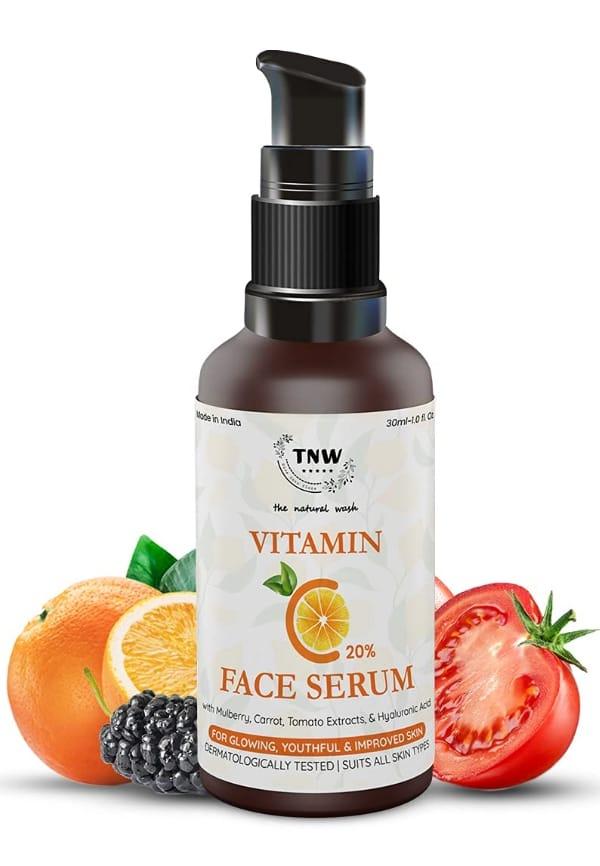
Vitamin C Face Serum|Skin Clearing|Skin Repair Face Serum & Face Brightening Vitamin C Serum Reduce hyperpigmentation & Dark Spots with Hyaluronic Ac
Absolutely. Clinical studies consistently show that vitamin C can significantly improve skin brightness and reduce the appearance of dark spots within 6-12 weeks of consistent use. The key is choosing the right formulation for your skin type and using it consistently. Vitamin C works by inhibiting melanin production and promoting healthy cell turnover, which gradually evens out skin tone over time.
Most people start noticing a general brightness and glow within 2-4 weeks of consistent use. For significant improvement in dark spots and hyperpigmentation, expect to wait 8-12 weeks. Remember, skincare is a marathon, not a sprint – consistency trumps intensity every time.
Yes, most people can use vitamin C cream daily once their skin has built tolerance. Start with every other day for the first week, then gradually increase to daily use. If you experience persistent irritation, reduce frequency or switch to a gentler formulation.
Morning is generally recommended because vitamin C provides antioxidant protection against daily environmental stressors. However, if you find it too stimulating or if you're using other actives in your morning routine, evening application is perfectly fine. Just remember to use SPF during the day regardless of when you apply your vitamin C.
The most common side effects include mild tingling, redness, or dryness, especially when first starting. These usually subside as your skin adjusts. If you experience persistent irritation, burning, or breakouts, discontinue use and consider switching to a gentler formulation or lower concentration.
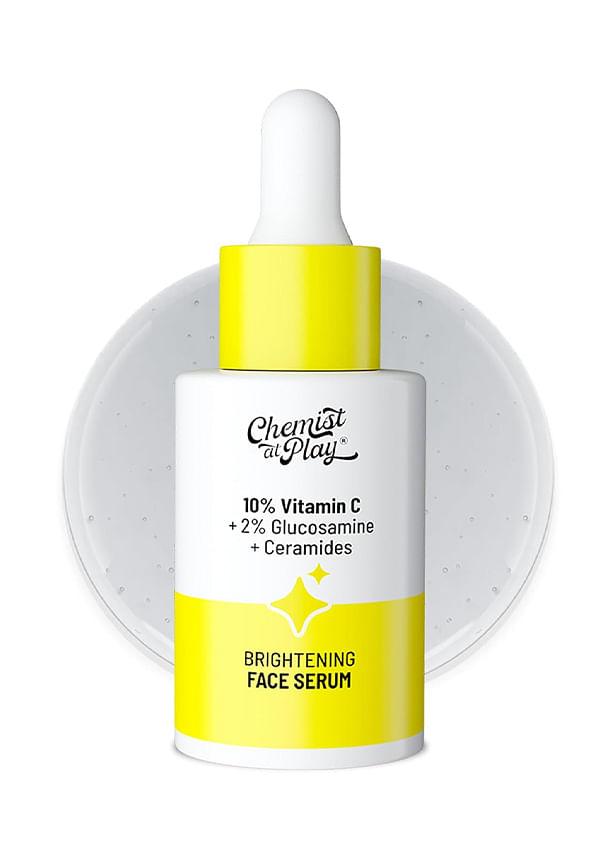
10% Vitamin C Face Serum | Brightens & adds Glow | Treats Dark Spots
Unlike retinoids or chemical exfoliants, vitamin C doesn't typically cause purging because it doesn't increase cell turnover dramatically. If you're experiencing breakouts after starting vitamin C, it's more likely an allergic reaction or sensitivity to the formulation rather than purging.
Both are excellent for addressing dark spots, but they work differently. Vitamin C prevents new pigmentation whilst gradually lightening existing spots through antioxidant action. Retinol speeds up cell turnover, helping pigmented cells shed faster. For best results, many dermatologists recommend using both – vitamin C in the morning and retinol at night.
Vitamin C plays well with most ingredients, but avoid mixing it directly with retinol, AHAs, or BHAs as this can cause irritation. Niacinamide, hyaluronic acid, and peptides are excellent companions that can enhance vitamin C's benefits.
Fresh vitamin C products should be clear to light yellow. If your cream has turned brown or orange, or if it smells off, it's likely oxidised and less effective. Store your vitamin C products in a cool, dark place to maintain their potency.
Yes, but choose your formulation carefully. Look for stable vitamin C derivatives like magnesium ascorbyl phosphate rather than pure L-ascorbic acid. Start with lower concentrations (5-10%) and patch test before full application. Consider cream formulations over serums as they tend to be gentler.
Navigating the world of vitamin C creams doesn't have to feel overwhelming. The key is understanding your skin's needs, starting slowly, and being patient with the process. Whether you're dealing with post-acne marks, sun damage, or general dullness, vitamin C can be a game-changer when used correctly. Remember, the best skincare routine is one you'll actually stick to. If a lightweight vitamin C cream fits better into your morning routine than a potent serum, that's the right choice for you. Consistency will always trump perfection when it comes to achieving that even, glowing complexion you're after. For those curious about exploring different vitamin C formulations before committing to full-size products, platforms like Smytten offer an excellent way to test various brands and formulations. With access to curated trial packs from trusted skincare brands, you can discover what works best for your unique skin concerns without the guesswork. After all, finding your perfect vitamin C match shouldn't require settling for maybe when you can try it all.
