Vitamin C and Sunscreen Together: Your FAQ Answered


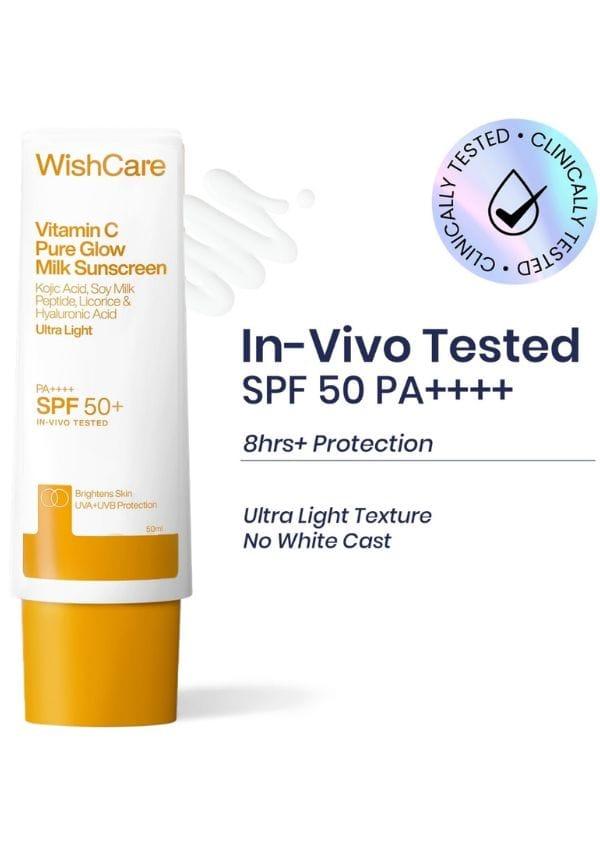
Vitamin C Pure Glow Face Sunscreen SPF 50 PA++++
Awesome Product, Love Texture
 5
5“awesome product 😘i love this texture 😍😍😍😍😄🤩 really happy ☺️❤️”
Best for everyday use
5“Best for every day use I am using niacinamide one from last 1 year this one is also amazing ”
Best for everyday use
5“Best for every day use I am using niacinamide one from last 1 year this one is also amazing ”
You've probably heard conflicting advice about using vitamin C and sunscreen together. One friend swears by layering her vitamin C serum under SPF every morning, while another insists it's a recipe for skin irritation. The internet doesn't help much either—some sources claim the combination is brilliant, others warn it's dangerous. Real talk: the confusion is understandable, but the science is actually quite clear. Dermatologists have been studying this combination for years, and their verdict might surprise you. Whether you're dealing with dull skin that needs brightening or you're simply trying to build the most effective morning routine, understanding what medical professionals actually say about vitamin C and sunscreen together will help you make informed decisions. At Smytten, we've noticed this question comes up constantly in skincare conversations, so let's dive into the research and separate fact from fiction once and for all.
TL;DR
Dermatologists overwhelmingly support using vitamin C and sunscreen together for enhanced skin protection and anti-ageing benefits
Clinical studies show the combination provides superior antioxidant protection compared to using either ingredient alone
Proper application involves vitamin C serum first, followed by sunscreen after 10-15 minutes for optimal absorption
Both topical and oral vitamin C can complement sunscreen, but topical application offers more direct skin benefits
The combination is particularly effective for preventing photoaging and maintaining skin radiance over time
The scientific community has extensively studied the relationship between vitamin C and sun protection, and the results consistently support their combined use. A landmark study published in the Journal of Investigative Dermatology found that topical vitamin C significantly enhanced the photoprotective effects of sunscreen when used together.
Clinical research demonstrates that vitamin C works synergistically with SPF by neutralising free radicals that penetrate through sunscreen. Even the best SPF 50 sunscreen only blocks about 98% of UV rays, leaving 2% to potentially damage your skin. This is where antioxidant vitamin C sunscreen combinations shine—the vitamin C acts as a secondary defence system, mopping up the free radicals that slip through your sun protection.
Dr. Patricia Farris, a board-certified dermatologist, notes in her research that vitamin C's photoprotective benefits are amplified when combined with broad-spectrum sunscreen. The studies show measurable improvements in preventing UV-induced DNA damage, reducing inflammation markers, and maintaining skin barrier function. Peer-reviewed research from the American Academy of Dermatology confirms that this combination approach provides additive protection that neither ingredient can achieve alone.
What's particularly interesting is that the research shows vitamin C doesn't just complement sunscreen—it actually helps stabilise certain UV filters, making your SPF more effective throughout the day. This vitamin C sunscreen synergy explains why dermatologists consistently recommend this pairing for comprehensive skin protection.
Getting the application order right is crucial for maximising the skin protection vitamin C sunscreen benefits. Dermatologists follow a specific protocol that ensures both ingredients can work effectively without interfering with each other.
Start with freshly cleansed skin and apply your vitamin C serum first. The molecular structure of vitamin C requires direct skin contact to penetrate effectively, so it needs to go on before your sunscreen creates a protective barrier.
Wait 10-15 minutes after applying vitamin C before layering your sunscreen. This allows the serum to absorb properly and prevents any potential interaction between the formulations. Professional dermatologists emphasise this timing because rushing the process can reduce the effectiveness of both products.
Apply vitamin C serum to slightly damp skin for better absorption, then follow with your chosen SPF using gentle upward motions. Avoid rubbing or massaging too vigorously, as this can disrupt the vitamin C layer underneath.
Product | Skin Type | Key Benefits | Price Range | Key Ingredients |
|---|---|---|---|---|
The Derma Co. C-Cinamide Radiance Sunscreen | Dull, uneven tone | Brightening + UV protection | ₹400-600 | Vitamin C, Niacinamide, SPF 50 |
Dot & Key Vitamin C + E Sunscreen | All skin types | Antioxidant protection | ₹500-700 | Vitamin C, Vitamin E, SPF 50+ |
Minimalist Multi-Vitamin Sunscreen | Oily, combination | Anti-aging, lightweight | ₹300-500 | Multi-vitamins, SPF 50 |
Foxtale Glow Sunscreen | Normal, dry | Radiance + hydration | ₹600-800 | Vitamin C, Niacinamide, SPF 50 |
Pilgrim 5% Vitamin C Sunscreen | Dull skin | Invisible protection + glow | ₹400-600 | 5% Vitamin C, SPF 50 |
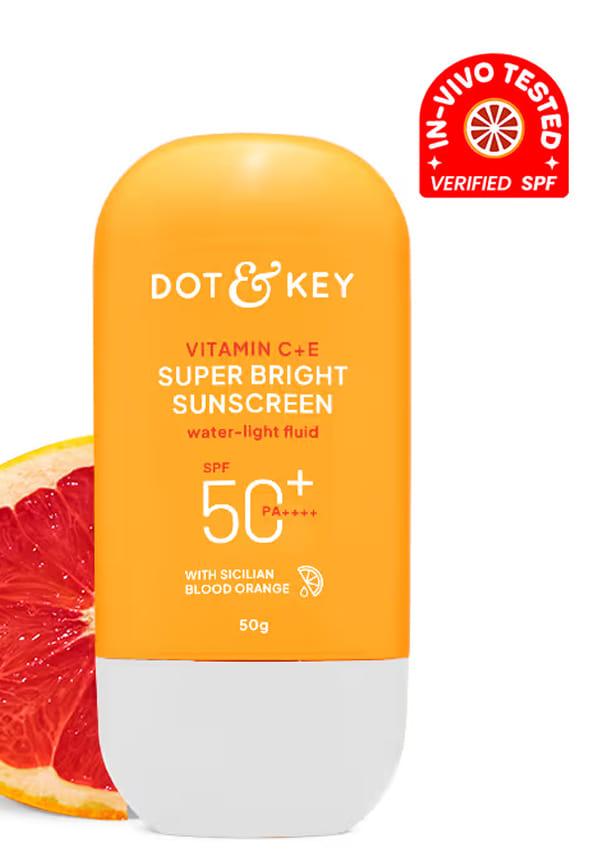
Vitamin C + E Sunscreen, IN-VIVO Tested SPF 50+ PA++++
Loved This Sunscreen
5“I loveeeeee thisssss sunscreemmmm”
Favourite Product
5“one of them my favourite product”
Favourite Product
5“one of them my favourite product”
The debate between oral vitamin C sunscreen benefits versus topical application is nuanced, and dermatologists have clear preferences based on scientific evidence. Both approaches offer protection, but they work through different mechanisms and provide varying levels of effectiveness.
Topical vitamin C serum delivers concentrated antioxidants directly to skin cells, providing immediate photoprotective benefits. Research shows that topical application achieves much higher skin concentrations than oral supplementation, making it more effective for preventing UV damage and supporting collagen synthesis.
Oral vitamin C supports overall skin health and provides systemic antioxidant protection, but it takes weeks to build up meaningful skin levels. While beneficial for general wellness, it shouldn't replace topical vitamin C for targeted skin protection.
Many dermatologists recommend both oral and topical vitamin C for comprehensive protection. The combination provides internal support for collagen production while delivering direct antioxidant protection to the skin surface. This dual approach maximises the vitamin C sunscreen synergy for optimal results.
When it comes to preventing premature ageing, the combination of vitamin C and sunscreen represents one of the most powerful preventive strategies available. Dermatologists consistently emphasise that this pairing addresses multiple ageing pathways simultaneously, making it particularly effective for long-term skin health.
The vitamin C sunscreen for aging skin works by preventing photoaging at the cellular level. UV exposure breaks down collagen and elastin fibres, leading to wrinkles, sagging, and loss of firmness. Vitamin C stimulates collagen synthesis while sunscreen prevents further UV damage, creating a protective and reparative environment for your skin.
Research published in dermatology journals shows that vitamin C acts as a cofactor in collagen synthesis, helping your skin maintain its structural integrity. When combined with broad-spectrum SPF, this process continues uninterrupted by UV damage, leading to visibly firmer, more resilient skin over time.
Dermatologists stress that starting this combination early provides the best results. While vitamin C can help improve existing sun damage, preventing new damage with consistent SPF use is far more effective than trying to reverse years of photoaging later.
Vitamin C + E Sunscreen, IN-VIVO Tested SPF 50+ PA++++
Loved Product, Will Repurchase
5“loved the product and purchase it again and again my favourite recently”
Very Good, Light Weight Product
5“very good project so light weight and I love it”
Very Good, Light Weight Product
5“very good project so light weight and I love it”
Despite the scientific consensus supporting vitamin C and sunscreen combinations, several persistent myths continue to circulate. Let's address the most common misconceptions with evidence-based facts from dermatological research.
This myth likely stems from confusion about vitamin C oxidation. While vitamin C can turn brown when exposed to air and light in the bottle, this doesn't cause skin darkening. In fact, vitamin C is proven to brighten skin and reduce hyperpigmentation when used correctly with sunscreen.
Vitamin C provides antioxidant protection but cannot replace the UV-blocking properties of sunscreen. Even high-concentration vitamin C serums offer minimal SPF protection—typically equivalent to SPF 4 or less. Dermatologists emphasise that vitamin C enhances sunscreen effectiveness but never replaces it.
Those with sensitive skin should introduce vitamin C gradually, starting with lower concentrations (10-15%) and monitoring for irritation. Choose gentle, stable forms like magnesium ascorbyl phosphate, and always patch test new combinations before applying to your entire face.
Dermatologists have developed specific protocols to help patients get the most from their vitamin C and sunscreen routine. These professional tips ensure optimal absorption, stability, and effectiveness of both ingredients.
Choose vitamin C serums with concentrations between 10-20% for daily use, paired with broad-spectrum SPF 30 or higher. Look for stable vitamin C forms like L-ascorbic acid in dark, airtight packaging, and select sunscreens with zinc oxide or titanium dioxide for sensitive skin.
Store vitamin C products in cool, dark places to prevent oxidation. Refrigeration can extend shelf life, but bring products to room temperature before application. Replace vitamin C serums every 3-6 months or if they turn brown, as oxidised vitamin C loses effectiveness.
During summer months, consider using vitamin C in the evening to avoid any potential photosensitivity, while maintaining consistent morning sunscreen application. In winter, the combination can be used twice daily for enhanced protection against environmental stressors.
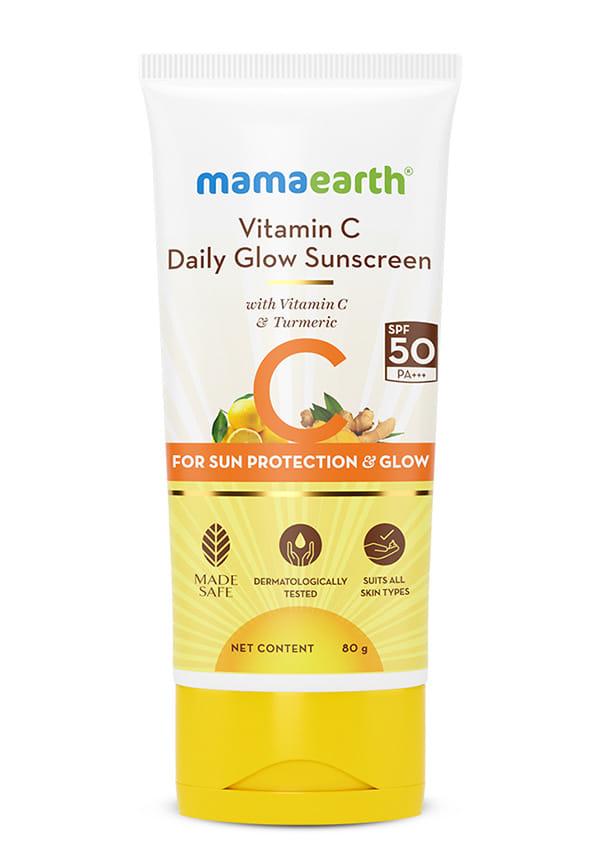
Vitamin C Daily Glow Sunscreen SPF 50 PA+++
Very Useful Daily
5“very much useful for every day”
Good for my skin type
4“this product is really good on my skin type.”
Good and Worthable
4“Good and worthable to buyyyyyyyy”
Absolutely. Dermatologists universally recommend this combination because vitamin C enhances sunscreen effectiveness while providing additional antioxidant protection. Clinical studies consistently show superior photoprotection when both ingredients are used together compared to either alone.
Yes, vitamin C can be safely used at night without sunscreen. Evening application allows for maximum absorption without UV exposure concerns. However, always apply sunscreen the following morning, as vitamin C can make skin slightly more photosensitive initially.
Combination products can be convenient, but dermatologists often prefer separate applications for better control over concentrations and formulations. Vitamin C in sunscreen may be less stable and effective than dedicated serums, though quality formulations can still provide benefits.
Facial dermatologists specifically recommend this combination for daily use, emphasising that facial skin is most vulnerable to UV damage and benefits significantly from the enhanced protection. The combination is considered safe and beneficial for all skin types when properly formulated and applied.
While generally well-tolerated, some people may experience initial tingling or mild irritation when starting vitamin C. This typically subsides with continued use. Always introduce new products gradually and discontinue if persistent irritation occurs. Smytten's trial packs let you test these combinations safely before committing to full-size products.
Most people notice improved skin radiance within 2-4 weeks of consistent use. Significant anti-aging benefits and sun damage prevention become apparent after 8-12 weeks of regular application. The key is consistency—daily use provides cumulative protective and corrective benefits over time.
The medical consensus is clear: vitamin C and sunscreen together provide superior skin protection compared to either ingredient used alone. This combination offers both immediate antioxidant benefits and long-term anti-aging prevention, making it a cornerstone of dermatologist-recommended skincare routines. The key to success lies in proper application—vitamin C first, followed by sunscreen after adequate absorption time. Whether you choose separate products or combination formulations, consistency is crucial for achieving the protective and corrective benefits this powerful pairing offers. Remember that while vitamin C enhances sun protection, it never replaces the need for broad-spectrum SPF in your daily routine.
Understanding the science behind vitamin C and sunscreen combinations empowers you to make informed skincare decisions backed by dermatological research. The evidence overwhelmingly supports this pairing for comprehensive skin protection and anti-aging benefits. Smytten is India's largest product discovery and trial platform, connecting consumers with top lifestyle, beauty, wellness, and grooming brands. At its core, Smytten offers curated trial packs - mini-sized products from over 2,400 trusted brands such as Cetaphil, Dot & Key, The Derma Co., Minimalist, and Foxtale. This lets users explore and experience vitamin C serums and sunscreen combinations before committing to full-size purchases. Each mini is linked with Trial Points, and users can get up to 10 Trial Points for just ₹279. Plus, Smytten offers 100% cashback on the purchase of these minis, redeemable in the shop section for future orders, making product discovery both affordable and rewarding. With over 28 million users and authentic brand-verified minis delivered across 90% pincode coverage, you can try before you buy and find the perfect vitamin C and sunscreen combination for your skin. After all, why settle for 'maybe' when you can #TryItAll!
