Vitamin C and Salicylic Acid Serum FAQ: Your Questions Answered
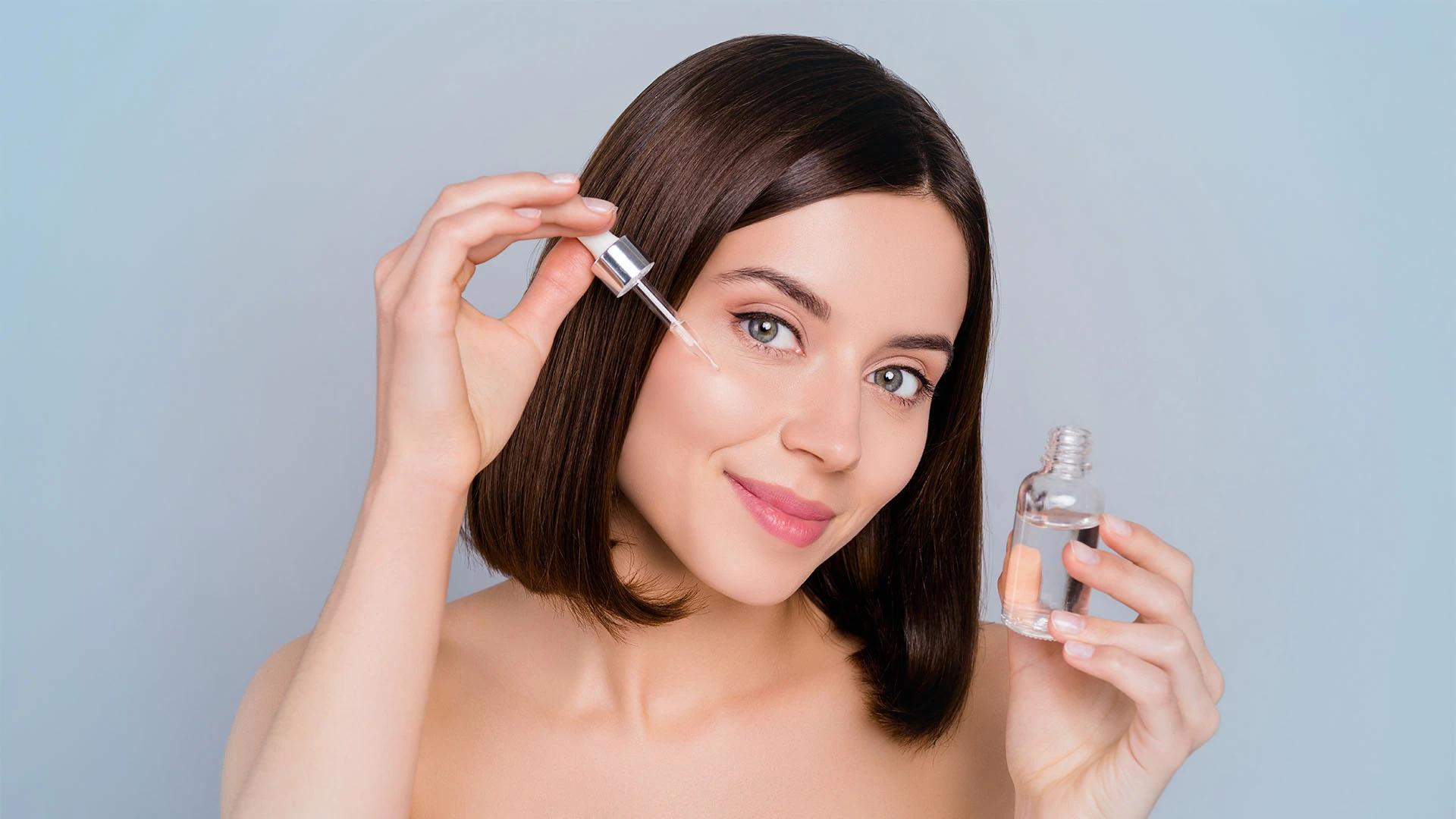

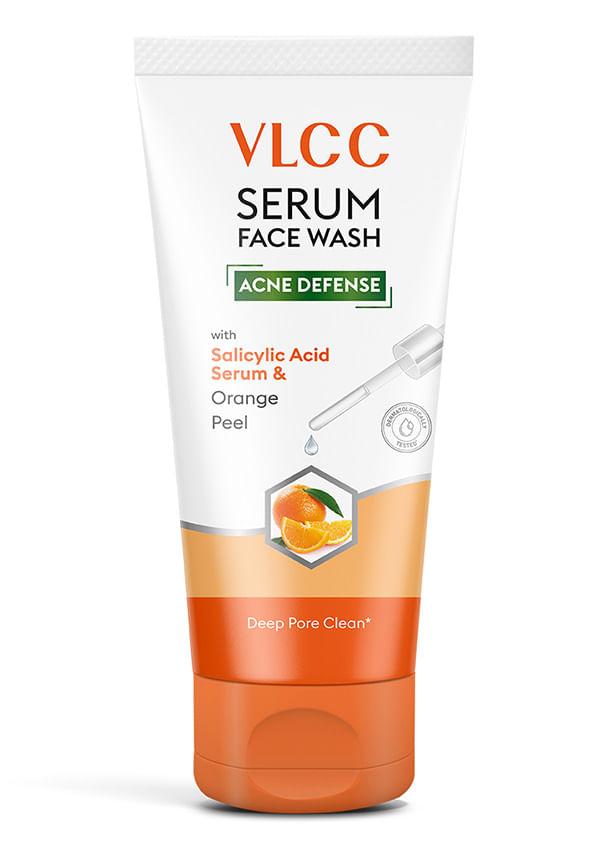
Acne Defense Serum Facewash with Salicylic Acid Serum & Orange
Ever wondered if you can actually use vitamin C and salicylic acid together without your skin staging a revolt? You're not alone. This powerhouse combination has been causing quite the stir in skincare circles, and for good reason. When formulated correctly in a serum, these two ingredients can tackle everything from stubborn breakouts to post-acne marks and dull skin. But the science behind how they work together isn't always straightforward, which is why we're answering all your burning questions about this dynamic duo.
The magic happens at the molecular level. Vitamin C, particularly in its stable forms like magnesium ascorbyl phosphate or sodium ascorbyl phosphate, works as a potent antioxidant whilst simultaneously boosting collagen production. Salicylic acid, a beta hydroxy acid (BHA), penetrates deep into pores to dissolve oil and dead skin cells. When combined in a well-formulated serum, they create a synergistic effect that addresses multiple skin concerns simultaneously.
The key to their compatibility lies in pH balance and concentration ratios. Modern serum formulations use buffering systems that allow both ingredients to remain stable and effective. Vitamin C typically functions best at a pH of 3.5-4, whilst salicylic acid works optimally at a pH of 3-4. This overlapping range makes co-formulation possible, though it requires careful chemistry to prevent degradation.
Serums are the ideal delivery system for this combination because their lightweight, water-based formulations allow for precise pH control and ingredient stability. The molecular structure of serums also ensures better penetration into the skin, maximising the effectiveness of both active ingredients. This is why you'll often find the most successful vitamin C and salicylic acid products in serum form rather than creams or cleansers.
Before diving into their combined powers, it's worth understanding what each ingredient brings to the table individually. Vitamin C serum benefits are well-documented and impressive on their own.
Vitamin C is your skin's best friend when it comes to achieving that coveted glow. It inhibits melanin production, which means it actively works to fade dark spots and prevent new ones from forming. The benefits of vitamin C for skin extend far beyond brightening - it's also a crucial component in collagen synthesis, helping to maintain skin firmness and reduce fine lines over time.
Salicylic acid serum benefits centre around its ability to penetrate oil and unclog pores from within. Unlike alpha hydroxy acids (AHAs) that work on the surface, this BHA dissolves the bonds between dead skin cells deep in your pores. The benefits of salicylic acid for skin include reducing blackheads, preventing breakouts, and improving overall skin texture by promoting cellular turnover.
When you compare the two, vitamin C excels at prevention and repair, whilst salicylic acid focuses on deep cleaning and exfoliation. This complementary action is precisely why they work so well together in addressing complex skin concerns like acne-prone skin with hyperpigmentation.
The formulation science behind effective skincare serum ingredients combinations is fascinating. When creating a serum for acne that also functions as a brightening serum and exfoliating serum, chemists must consider several factors.
Concentration ratios are crucial. Most effective formulations contain 10-20% vitamin C (in stable forms) and 0.5-2% salicylic acid. These percentages allow both ingredients to work effectively without overwhelming the skin or causing excessive irritation. The lower concentration of salicylic acid might seem modest, but remember that BHAs are potent - a little goes a long way.
Clinical research supports the use of these ingredients together. Studies have shown that vitamin C can actually help stabilise salicylic acid in certain formulations, whilst salicylic acid can enhance the penetration of vitamin C by removing the barrier of dead skin cells. This creates a positive feedback loop where each ingredient makes the other more effective.
The serum delivery system offers several advantages over other formats. The lightweight texture allows for better absorption, the water-based formula provides optimal pH control, and the concentrated nature means you're getting maximum potency from both actives. This is why many dermatologists recommend serums when patients want to incorporate multiple active ingredients into their routine.
Real talk - patience is key when it comes to seeing results from any active ingredient combination. However, the timeline for skin texture improvement with vitamin C and salicylic acid together is generally quite encouraging.
In the first 2-4 weeks, you'll likely notice improved skin texture as the salicylic acid begins its exfoliating work. Your skin may feel smoother, and you might see fewer blackheads. The vitamin C starts working immediately as an antioxidant, though visible brightening effects typically take longer to appear.
Weeks 4-8 often bring the most dramatic changes. This is when the benefits of vitamin C for skin become visually apparent - dark spots begin to fade, and your overall complexion looks brighter and more even. The continued exfoliation from salicylic acid helps accelerate this process by removing the surface layer of pigmented skin cells more quickly.
For those dealing with acne and post-inflammatory hyperpigmentation, the 8-12 week mark is when you'll see the most comprehensive results. The salicylic acid helps prevent new breakouts whilst the vitamin C works on fading existing marks. Many users report that this combination is more effective than using either ingredient alone for addressing acne-related concerns.
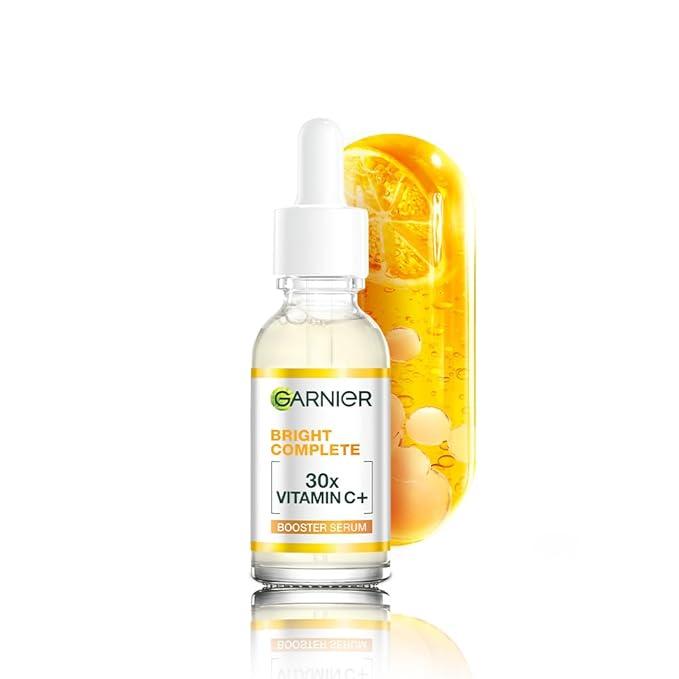
The Garnier Vitamin C Face Serum for Skin Brightening & Anti-Dark Spots exemplifies how these ingredients can work together in a well-formulated product. This serum combines stabilised vitamin C with gentle exfoliating agents to deliver both immediate glow and long-term dark spot reduction, making it an excellent example of how modern formulations can harness the power of multiple actives in one product.
The application method can make or break your experience with these powerful ingredients. Whether you're using a combined serum or layering separate products, technique matters enormously.
For combined formulations, apply the serum to clean, dry skin and allow it to absorb completely before applying moisturiser. Start with every other evening for the first two weeks, then gradually increase to daily use as your skin builds tolerance. Always follow with SPF during the day, as both ingredients can increase photosensitivity.
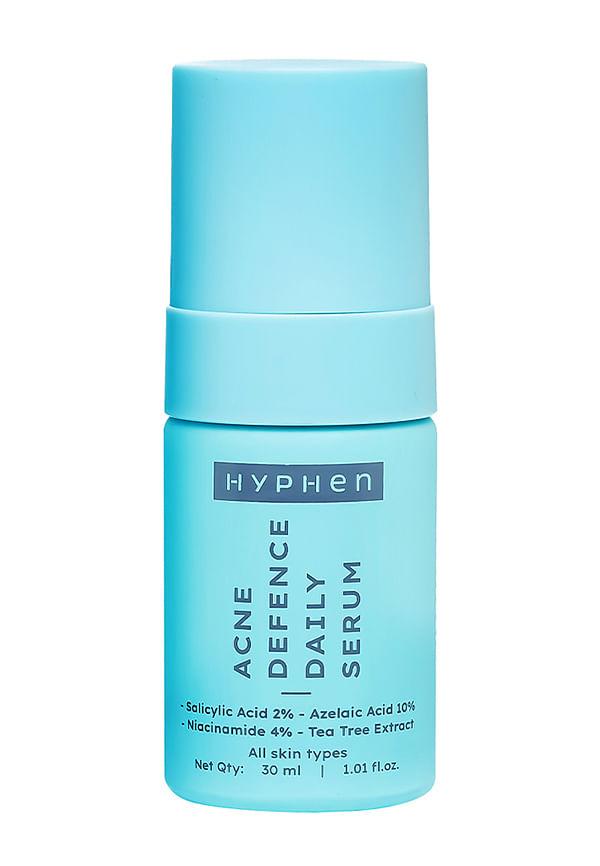
Acne Defence Daily Serum with 2% Salicylic Acid for Active Acne & Breakouts
If you're using separate vitamin C and salicylic acid serums, the general rule is to apply the thinner consistency first, followed by the thicker one. Wait 10-15 minutes between applications to allow each product to absorb properly. Many people prefer using vitamin C in the morning for antioxidant protection and salicylic acid in the evening for overnight exfoliation.
Start slowly, especially if you're new to active ingredients. Begin with 2-3 times per week and gradually increase frequency based on how your skin responds. Signs that you're overdoing it include excessive dryness, irritation, or increased sensitivity. Remember, more isn't always better with active ingredients.
One of the most common questions about vitamin C and salicylic acid combinations involves their compatibility with other popular skincare ingredients. The good news is that both ingredients play well with many others when used correctly.
Niacinamide is an excellent companion to this duo. It helps reduce irritation and can actually enhance the effectiveness of both vitamin C and salicylic acid. You can layer niacinamide before or after your vitamin C/salicylic acid serum, depending on the specific formulations you're using.
Hyaluronic acid is another safe bet - it provides hydration without interfering with the action of either active ingredient. Ceramides and peptides also work well in combination, helping to strengthen the skin barrier whilst the actives do their work.
However, there are some combinations to approach with caution. Retinol and vitamin C can be used together, but it's often better to alternate them (vitamin C in the morning, retinol at night) to prevent irritation. Strong AHAs like glycolic acid might be too much when combined with this duo, especially for sensitive skin types.
Yes, you can use vitamin C and salicylic acid together when they're properly formulated in a single product or when layering separate serums correctly. The key is starting slowly and ensuring your skin can tolerate both ingredients. Modern formulations often combine these ingredients successfully by using stable forms of vitamin C and appropriate pH buffering.
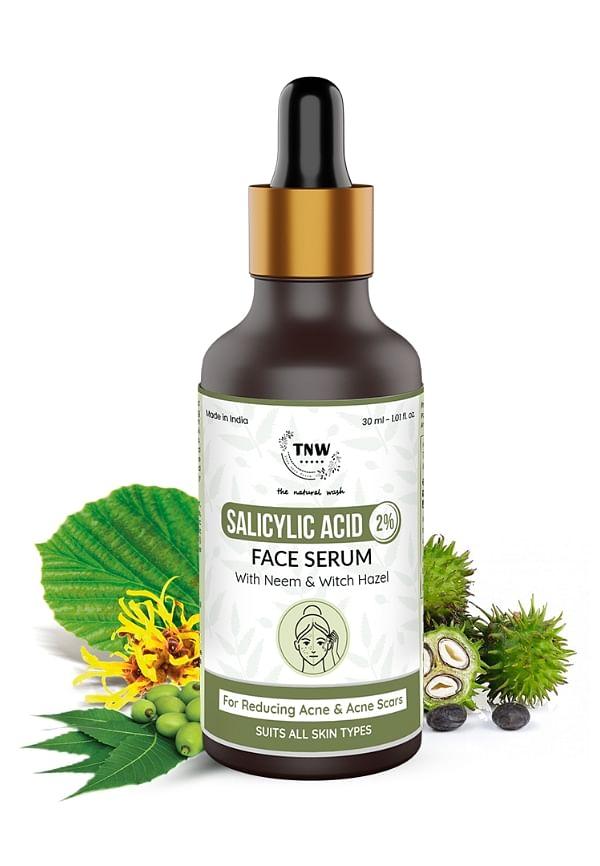
Salicylic Acid Serum For Reducing Acne & Acne Scars
Vitamin C is generally more effective for targeting dark spots directly, as it inhibits melanin production and has brightening properties. However, salicylic acid enhances the penetration and effectiveness of vitamin C by removing dead skin cells that can block absorption. Together, they're more effective than either ingredient alone for addressing hyperpigmentation.
Salicylic acid serums are leave-on products designed to be absorbed into the skin, unlike wash-off treatments. Apply the serum and allow it to absorb completely (usually 2-3 minutes) before applying your next skincare step. There's no need to rinse it off - the ingredient continues working throughout the day or night.
This combination works particularly well for oily, acne-prone, and combination skin types. Those with dry or sensitive skin should start with lower concentrations and less frequent application. Mature skin often benefits from this combination for addressing both texture concerns and age-related pigmentation. Always patch test new products and introduce actives gradually regardless of your skin type.
Yes, but start very slowly. Begin with products containing lower concentrations of both ingredients, and use them only 2-3 times per week initially. Gradually build up tolerance over 2-4 weeks. It's often helpful to introduce one active ingredient at a time before combining them, so your skin can adjust to each component individually.
Many dermatologists recommend using vitamin C in the morning for antioxidant protection against environmental damage, and salicylic acid in the evening for overnight exfoliation. However, combined formulations can be used once daily, preferably in the evening, followed by SPF the next morning due to increased photosensitivity.
Initial improvements in skin texture typically appear within 2-4 weeks. Visible brightening and dark spot reduction usually become apparent after 6-8 weeks of consistent use. For significant improvements in acne and post-inflammatory hyperpigmentation, allow 10-12 weeks of regular use. Remember that skincare results are cumulative and require patience and consistency.
The combination of vitamin C and salicylic acid in serum form represents one of the most effective approaches to addressing multiple skin concerns simultaneously. From tackling stubborn breakouts to fading dark spots and improving overall skin texture, this powerhouse duo offers comprehensive benefits when used correctly.
The key to success lies in understanding your skin's tolerance, starting slowly, and being consistent with application. Whether you choose a combined formulation or prefer to layer separate serums, the science supports the effectiveness of this ingredient pairing for achieving clearer, brighter, and more even-toned skin.
Remember that skincare is deeply personal, and what works for others might need adjustment for your unique skin needs. Pay attention to how your skin responds, and don't hesitate to modify your routine based on what you observe. With patience and the right approach, this combination can become a game-changing addition to your skincare routine.
For those looking to explore different formulations before committing to full-size products, platforms like Smytten offer an excellent way to test various vitamin C and salicylic acid serums from trusted brands. With access to trial sizes from over 2,400 brands and the ability to earn cashback on purchases, you can discover which formulation works best for your skin without the commitment of full-size products. After all, finding the right skincare combination is a journey, and having the option to try before you buy makes that journey much more affordable and enjoyable.
