Vitamin C and Hyaluronic Acid in Moisturizers: Your Questions Answered


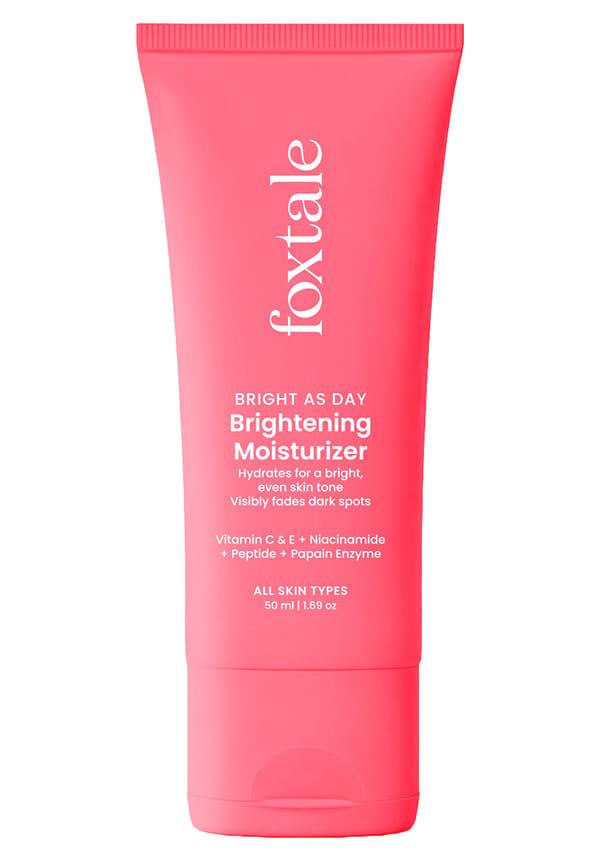
Brightening Moisturiser with Vitamin C & Niacinamide
Good and Soft, Must Buy
 5
5“it feels good n soft...must buy”
Smooth, gentle, no white cast
4“smooth texture no white cast gentle”
Amazing Product
5“Amazing product i like it very much”
Ever wondered why your moisturiser feels amazing but doesn't quite deliver that glow you're after? Or why your vitamin C serum works brilliantly some days and seems to do nothing others? The answer often lies in understanding how ingredients work together. When it comes to vitamin C and hyaluronic acid, you've got two skincare superstars that can either complement each other beautifully or leave you confused about application order. Let's sort through the science and get your routine working harder for you.
Understanding how vitamin C and hyaluronic acid work together in moisturisers starts with knowing what each ingredient brings to your skin. These two aren't just thrown together because they sound good—there's real science behind why they make such an effective pair.
Vitamin C is your skin's defence system and repair crew rolled into one. As an antioxidant, it neutralises free radicals from pollution, UV exposure, and daily stress that break down collagen and cause premature ageing. But it doesn't stop there—vitamin C for skin brightening works by inhibiting melanin production, which means it helps fade dark spots and prevents new ones from forming. The ingredient also stimulates collagen synthesis, keeping your skin firm and bouncy. Real talk: this is why dermatologists consistently recommend it for anyone dealing with dullness, uneven tone, or early signs of ageing.
Hyaluronic acid for hydration is unmatched—it can hold up to 1,000 times its weight in water. Think of it as your skin's moisture magnet, drawing water from the environment and deeper skin layers to plump up the surface. This plumping effect temporarily smooths fine lines and gives you that dewy, healthy look. But hyaluronic acid benefits for skin go beyond just hydration. It supports your skin barrier, helping it retain moisture more effectively and recover from irritation faster. Whether you're dealing with AC-induced dryness or post-gym dehydration, this ingredient helps your skin bounce back.
Here's where it gets interesting: vitamin C can be notoriously unstable, breaking down when exposed to light, air, or the wrong pH. Hyaluronic acid creates a protective, hydrating environment that helps stabilise vitamin C, making it more effective for longer. Meanwhile, vitamin C's antioxidant properties protect hyaluronic acid from degradation. It's a mutual protection society that benefits your skin. The hydrating effects of hyaluronic acid also help vitamin C penetrate better, while vitamin C's collagen-boosting properties work alongside hyaluronic acid's plumping effects for comprehensive anti-ageing benefits.
When you combine these two ingredients thoughtfully, you're not just getting the sum of their parts—you're getting amplified results. This is why so many moisturiser ingredients for glowing skin include both vitamin C and hyaluronic acid in their formulations.
The best ingredients for anti-aging work on multiple levels, and this duo delivers exactly that. Vitamin C stimulates collagen production while protecting existing collagen from breakdown. Hyaluronic acid plumps the skin from within, temporarily reducing the appearance of fine lines while supporting long-term skin health. Together, they address both immediate concerns (dehydration lines, dullness) and future prevention (collagen loss, environmental damage). Users often notice improved skin elasticity and a more youthful bounce within weeks of consistent use.
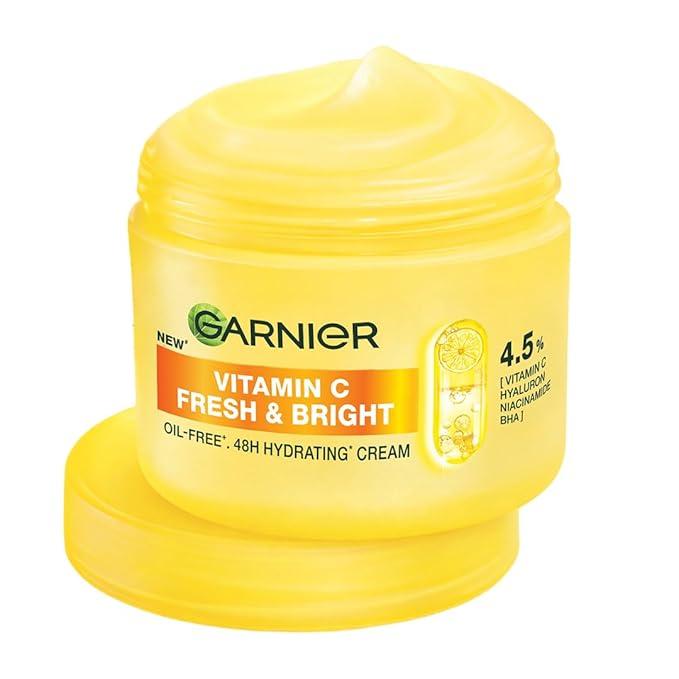
This is where the magic really happens. Vitamin C tackles uneven tone and dark spots while hyaluronic acid ensures your skin stays plump and radiant. Well-hydrated skin reflects light better, making any brightening effects from vitamin C more noticeable. The Garnier Fresh & Bright Vitamin C Sorbet Moisturiser exemplifies this combination beautifully, delivering both brightening vitamin C and hydrating benefits in a lightweight, sorbet-like texture that absorbs quickly without leaving any sticky residue. The result is skin that looks more even-toned and feels incredibly soft and supple.
Your skin faces daily assault from pollution, UV rays, and oxidative stress. Vitamin C acts as your first line of defence, neutralising free radicals before they can damage your skin cells. Hyaluronic acid supports this protection by maintaining your skin barrier function—a strong, well-hydrated barrier is better equipped to defend against environmental aggressors. This protective duo is particularly valuable if you live in a polluted city or spend time outdoors regularly.
The format you choose—serum or moisturiser—affects how you should incorporate these ingredients into your routine. Understanding the differences helps you make the right choice for your skin's needs.
If you're using separate products, apply vitamin C serum first on clean, dry skin. Wait 10-15 minutes for it to absorb and work its magic, then apply hyaluronic acid on slightly damp skin—this helps it grab and hold onto moisture more effectively. For morning routines, always finish with SPF since vitamin C can increase photosensitivity initially. Evening routines allow for more flexibility, but many people prefer vitamin C in the morning for its protective antioxidant benefits.
Vitamin C and hyaluronic acid serum formulations typically contain higher concentrations of active ingredients and lighter textures for deeper penetration. Moisturisers with these ingredients often have lower concentrations but include additional emollients and occlusives for comprehensive hydration. Choose serums if you want targeted treatment and don't mind layering multiple products. Opt for moisturisers if you prefer streamlined routines or have sensitive skin that responds better to gentler concentrations.
For dry skin, this combination is particularly beneficial. Start with a gentle cleanser, apply vitamin C serum to damp skin, follow with hyaluronic acid serum or a moisturiser containing both ingredients, and seal everything with a heavier cream if needed. In winter or air-conditioned environments, you might need to reapply hyaluronic acid-containing products throughout the day. The key is building hydration in layers rather than relying on one heavy product.
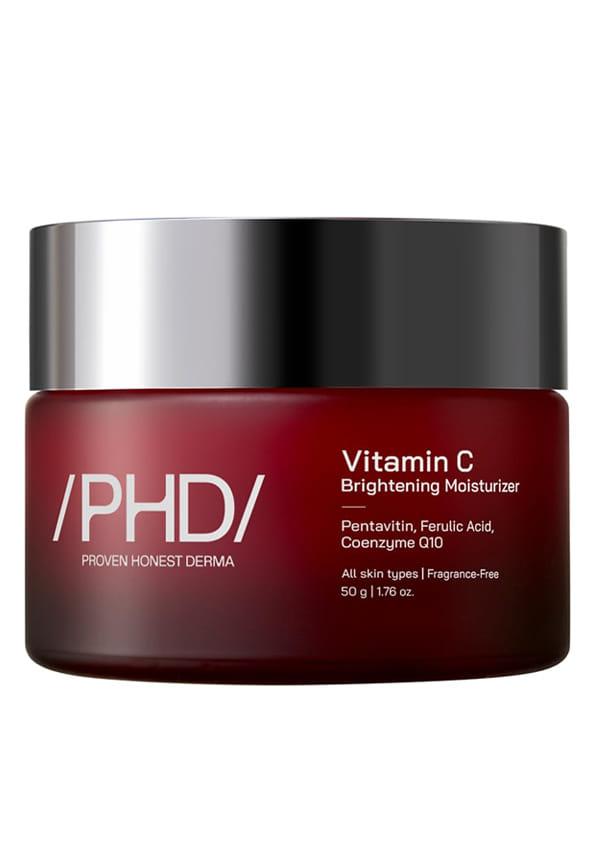
Vitamin C Brightening Moisturizer
Goes well with sunscreen & serum
4“I bought it with suncreen and serum n all of it goes well together”
Once you've mastered the vitamin C and hyaluronic acid combination, you might wonder about adding other powerhouse ingredients to your routine. The good news is that both of these play well with most other actives when used correctly.
Niacinamide is another gentle, effective ingredient that works beautifully with both vitamin C and hyaluronic acid. Apply vitamin C first, wait for absorption, then niacinamide, followed by hyaluronic acid on damp skin. This trio addresses multiple concerns: vitamin C for brightening and antioxidant protection, niacinamide for oil control and pore appearance, and hyaluronic acid for hydration. Many people find this combination particularly effective for combination skin or those dealing with both dullness and enlarged pores.
Retinol requires more careful timing since it can increase sensitivity. Use vitamin C and hyaluronic acid in your morning routine, and introduce retinol slowly in the evening, starting once or twice a week. Always use hyaluronic acid after retinol to counteract any dryness or irritation. This combination addresses comprehensive anti-ageing: vitamin C for prevention and brightening, retinol for cell turnover and collagen stimulation, and hyaluronic acid for hydration and barrier support.
Look for moisturisers that combine vitamin C and hyaluronic acid with complementary ingredients like ceramides for barrier repair, peptides for additional anti-ageing benefits, or squalane for lightweight moisture. Avoid mixing vitamin C with benzoyl peroxide or AHAs/BHAs in the same application, as these can destabilise vitamin C or cause irritation when combined.
Absolutely! This is actually one of the most recommended combinations in skincare. Apply your vitamin C serum first on clean skin, wait 10-15 minutes for absorption, then follow with your hyaluronic acid moisturiser. This layering maximises the benefits of both ingredients while ensuring proper absorption and effectiveness.
Always apply vitamin C first. The general rule in skincare is to apply products from thinnest to thickest consistency, and vitamin C serums are typically lighter than hyaluronic acid products. More importantly, vitamin C works best on clean skin for optimal absorption, while hyaluronic acid actually works better when applied to slightly damp skin.
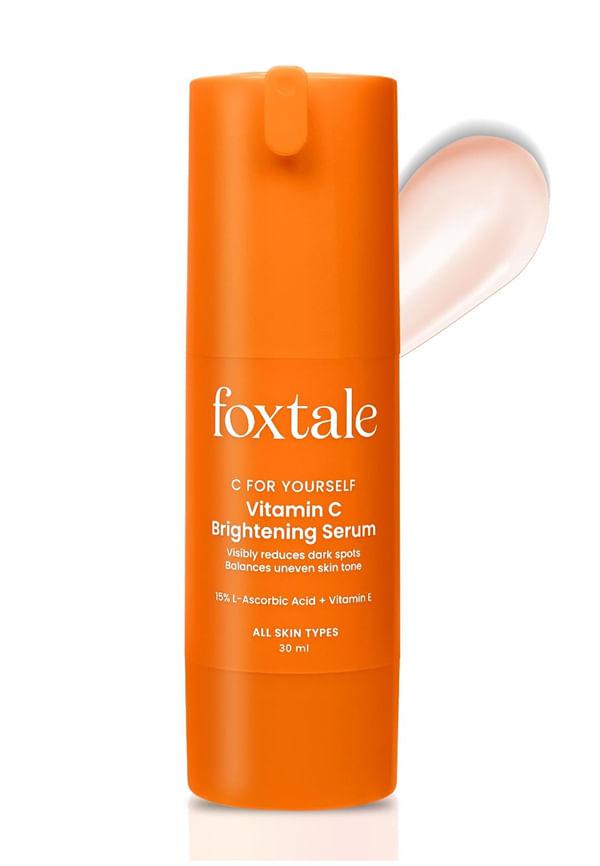
15% Vitamin C Face Serum for Glowing Skin, Pure L-Ascorbic Acid and Vitamin E
Very Nice and Superb Product
5“very nice and superb product the foxtale products are amazing”
Excellent Product
5“Very good product best of all time”
Excellent Product
5“Very good product best of all time”
Yes, these three ingredients work beautifully together and are often found in the same products. When using separate products, apply vitamin C first, followed by niacinamide after 10-15 minutes, then finish with hyaluronic acid on slightly damp skin. This combination addresses multiple skin concerns without causing irritation.
Wait 10-15 minutes between applying vitamin C and hyaluronic acid. This allows the vitamin C to absorb properly and work at its optimal pH level. Rushing the process can reduce the effectiveness of both ingredients and potentially cause pilling or poor absorption.
Yes, but start slowly. Both ingredients are generally well-tolerated, but vitamin C can cause initial sensitivity in some people. Begin with a lower concentration vitamin C (5-10%) and use it every other day, gradually building up frequency. Hyaluronic acid is typically gentle for all skin types, but always patch test new products first.
Vitamin C can help fade post-inflammatory hyperpigmentation (the dark marks left after breakouts) over time, while hyaluronic acid helps keep skin hydrated and healthy during the healing process. However, for deeper acne scars, you may need additional treatments like retinoids or professional procedures.
Both ingredients can be used morning or evening, but many dermatologists recommend vitamin C in the morning for its antioxidant protection against daily environmental damage. If you use vitamin C in the morning, always follow with SPF, as it can initially increase photosensitivity. Hyaluronic acid works well any time of day.
You'll likely notice improved hydration and a subtle glow within a few days of using hyaluronic acid. Vitamin C's brightening and anti-ageing effects typically become noticeable after 4-6 weeks of consistent use. For significant improvements in dark spots or fine lines, allow 8-12 weeks of regular application.
Understanding how vitamin C and hyaluronic acid work together in moisturisers—and in your broader skincare routine—takes the guesswork out of building an effective regimen. These ingredients complement each other beautifully, offering both immediate hydration and long-term skin health benefits. Whether you choose products that combine both ingredients or prefer to layer separate serums and moisturisers, the key is consistency and proper application.
Remember that skincare is highly individual. What works brilliantly for your friend might need tweaking for your skin type and concerns. Start with lower concentrations, introduce new products gradually, and always listen to your skin's response. The combination of vitamin C and hyaluronic acid is gentle enough for most skin types but powerful enough to deliver real results when used consistently.
If you're curious about trying products with these ingredients but aren't ready to commit to full-size purchases, platforms like Smytten offer a smart way to explore different formulations and brands. With access to trial sizes from over 2,400 trusted brands and the ability to earn cashback on your discoveries, you can find the perfect vitamin C and hyaluronic acid combination for your skin without the financial commitment. After all, your skin deserves products that truly work for you—and sometimes that means trying a few options before finding your perfect match.
