Vitamin C Ampoule for Pigmentation FAQ: Your Questions Answered


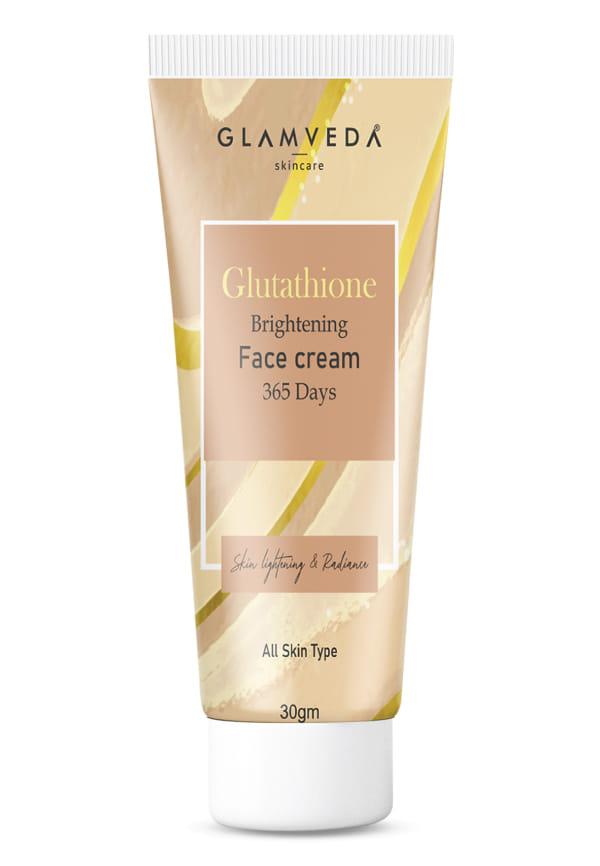
Glutathione Brightening Face Cream Reduce Dark spots & Age spots with Vitamin C
Effective for Brightening & Hydration
 4
4“Lightweight cream brightens skin and hydrates well.See improved radiance and slightly faded dark spots with regular use. Results vary; not dramatic for deep aging lines or spots”
Positive Product Review
4“good product , nice smell, I like it”
Excellent Cream
5“this is the best cream and smell is too good”
Dark spots from last summer's breakouts still lingering? Post-acne marks that won't budge despite your best efforts? You're not alone in wondering whether vitamin C ampoules can actually tackle pigmentation issues. These concentrated skincare powerhouses have become the go-to solution for many dealing with uneven skin tone, but with so many questions swirling around their effectiveness, it's time to get proper answers. From understanding how they differ from regular serums to knowing which concentration works best for your specific concerns, this comprehensive guide addresses every question you've had about using vitamin C ampoules for pigmentation. Whether you're dealing with stubborn dark spots, post-inflammatory hyperpigmentation, or simply want to achieve that coveted even skin tone, we've gathered expert insights to help you make informed decisions. Smytten's extensive collection of vitamin C products from trusted brands makes it easier than ever to find the right formulation for your skin's unique needs.
TL;DR
Vitamin C ampoules contain higher concentrations than serums, making them more effective for targeting pigmentation and dark spots
L-ascorbic acid and magnesium ascorbyl phosphate are the most effective forms for reducing hyperpigmentation
Results typically appear after 6-8 weeks of consistent use, with optimal concentration ranging from 10-20%
Morning application with SPF is crucial for preventing further pigmentation while treating existing spots
Patch testing is essential as vitamin C can cause irritation, especially in higher concentrations
Vitamin C ampoules are single-use, highly concentrated treatments that pack significantly more active ingredients than your typical serum. Think of them as the espresso shot of skincare - small but mighty. While regular vitamin C serums typically contain 10-15% active ingredients, ampoules can deliver 15-25% concentration, making them particularly effective for stubborn pigmentation issues.
The key difference lies in their packaging and potency. Ampoules come in sealed glass vials that protect the vitamin C from oxidation and light exposure - two factors that can render this notoriously unstable ingredient ineffective. This preservation method ensures you're getting the full potency of the vitamin C when you apply it, unlike serums that may lose effectiveness over time once opened.
Each ampoule contains exactly one application's worth of product, eliminating the guesswork around dosage. This single-use format prevents contamination and oxidation, which is particularly important for L-ascorbic acid - the most potent but also most unstable form of vitamin C. You'll notice ampoules often have a slightly different texture too, feeling more concentrated and sometimes slightly tacky upon application.
The concentrated nature of ampoules means the active ingredients can penetrate deeper into the skin layers where pigmentation forms. This enhanced delivery system makes them particularly effective for addressing post-inflammatory hyperpigmentation and age spots that have settled into the deeper layers of the epidermis.
Here's the real talk: vitamin C doesn't technically "remove" pigmentation, but it can significantly fade existing dark spots and prevent new ones from forming. The science behind this lies in vitamin C's ability to block the enzyme that creates dark spots, gradually lightening existing hyperpigmentation. Studies suggest that consistent use of vitamin C can reduce the appearance of dark spots by 25-40% over 12 weeks. However, the type of pigmentation matters enormously. Fresh post-acne marks respond much better than deep, established age spots or melasma. Surface-level discolouration from recent breakouts or minor sun damage typically shows improvement within 6-8 weeks, while deeper pigmentation may take 3-6 months of consistent use.
Vitamin C works best on post-inflammatory hyperpigmentation (those dark marks left behind after spots heal), sun spots, and general uneven skin tone. It's less effective on melasma, which often requires prescription treatments, and won't help with genetic hyperpigmentation conditions.
Most users notice initial brightening effects around week 4, with significant improvement in dark spots becoming visible by week 8. The key is consistency - skipping applications will slow progress considerably. Remember, you're essentially training your skin to produce less melanin, which is a gradual biological process.
Not all vitamin C is created equal when it comes to tackling pigmentation. L-ascorbic acid remains the gold standard for dark spot reduction, offering the most potent tyrosinase inhibition. However, it's also the most likely to cause irritation, particularly in concentrations above 15%. For sensitive skin, magnesium ascorbyl phosphate provides gentler yet effective results, though you might need to wait a bit longer to see changes. Guidance for sensitive skin: always patch test and consider starting with lower concentrations (5-10%) before progressing.
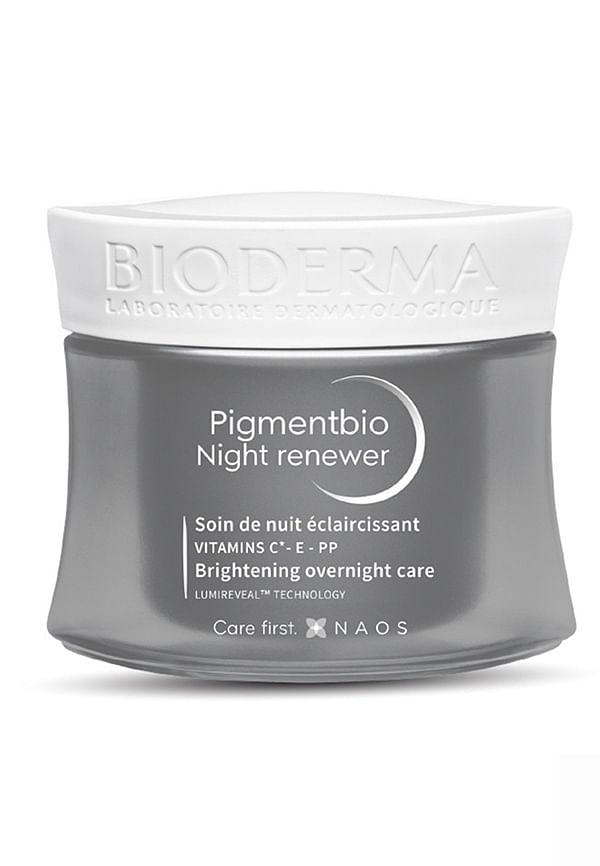
Pigmentbio Night Renewer Brightening Overnight Cream for Dark Spots, Sensitive Skin
When selecting an ampoule, look for concentrations between 10-20%. Anything below 10% may not be potent enough for stubborn pigmentation, while concentrations above 20% significantly increase irritation risk without necessarily improving results. The sweet spot for most skin types sits around 15% L-ascorbic acid or 20% magnesium ascorbyl phosphate.
Vitamin E and ferulic acid are crucial companions to vitamin C, helping stabilise the formula and enhance penetration. These ingredients also provide additional antioxidant benefits, creating a more comprehensive approach to pigmentation treatment. Hyaluronic acid in the formula helps counteract any potential drying effects.
Price doesn't always indicate effectiveness with vitamin C products. Many affordable options contain the same active concentrations as premium brands. Focus on the ingredient list rather than the price tag - a well-formulated budget ampoule with 15% L-ascorbic acid will outperform an expensive serum with only 5% vitamin C.
Timing is everything with vitamin C ampoules. Morning application is ideal because vitamin C provides additional protection against environmental damage throughout the day. However, if you're using other active ingredients like retinol or AHAs in your evening routine, you might prefer alternating vitamin C to morning and other actives to evening to avoid irritation.
Start with every other day application for the first two weeks, particularly if you're new to vitamin C or have sensitive skin. Your skin needs time to build tolerance to higher concentrations. Once comfortable, you can progress to daily use. Always apply to clean, dry skin before moisturiser but after any water-based serums.
Break open the ampoule carefully - many come with a protective cap or breaking tool. Apply the entire contents to your face and neck, gently patting rather than rubbing to avoid irritation. The slightly tacky feeling should disappear within 5-10 minutes as the product absorbs.
Never mix vitamin C directly with retinol, benzoyl peroxide, or AHA/BHA acids in the same application. These combinations can cause significant irritation and may neutralise the vitamin C's effectiveness. If using multiple actives, alternate them between morning and evening routines.
There's an important distinction between acne scars and post-inflammatory hyperpigmentation that affects how vitamin C can help. True acne scars involve changes to skin texture - indented or raised areas where collagen has been damaged. Post-inflammatory hyperpigmentation (PIH) refers to the flat, dark marks left behind after spots heal. Vitamin C excels at addressing PIH but has limited impact on textural scarring.
For PIH, vitamin C ampoules can be remarkably effective, particularly when the marks are relatively fresh. The combination of tyrosinase inhibition and gentle exfoliation from vitamin C helps accelerate the natural skin renewal process, gradually fading those stubborn dark spots that seem to linger forever after breakouts. Incorporating a skin brightening serum with vitamin C can naturally help achieve radiant skin.
If you're currently treating active acne, introduce vitamin C gradually. Start with a lower concentration (10-12%) and avoid using it on the same day as benzoyl peroxide or salicylic acid initially. Once your skin adjusts, you can often use vitamin C in the morning and acne treatments in the evening.
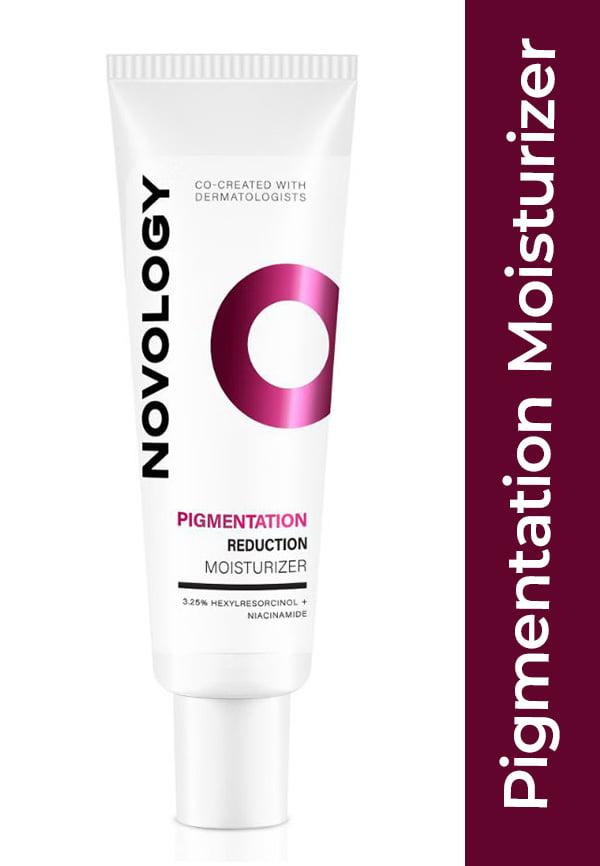
Pigmentation Moisturiser, Face Cream for Hyperpigmentation & Dark Spots
Amazing Product!
5“it really works. i tried it first time and m with love this product best brand I ever used”
Great Product, Will Buy Again
5“nice product richer base repurchase product”
Great for Oily Skin
5“Excellent product for oily skin.”
Fresh PIH (less than 6 months old) typically responds within 6-10 weeks of consistent vitamin C use. Older, more established marks may take 3-4 months to show significant fading. The key is patience and consistency - irregular use will significantly slow progress.
Vitamin C is generally well-tolerated, but the higher concentrations in ampoules can cause irritation, particularly when you first start using them. Common side effects include mild stinging upon application, temporary redness, and slight dryness. These effects usually subside as your skin builds tolerance, typically within 1-2 weeks of regular use.
More concerning reactions include persistent burning, severe redness, or peeling that doesn't improve after a few days. If you experience these symptoms, discontinue use immediately and consult a dermatologist. Some people are simply too sensitive for high-concentration vitamin C, and that's perfectly normal.
Vitamin C provides additional protection against UV damage. However, the exfoliating effect of some vitamin C formulations can temporarily make skin more vulnerable to sun damage, making daily SPF absolutely essential.
Always patch test new vitamin C products, especially ampoules with higher concentrations. Apply a small amount to your inner forearm and wait 24-48 hours to check for reactions. If no irritation occurs, try applying to a small area of your face before using all over.
While pigmentation reduction might be your primary goal, vitamin C ampoules offer additional benefits that contribute to overall skin radiance. The antioxidant properties protect against environmental damage, while the gentle exfoliating effect helps improve skin texture and luminosity. Many users notice their skin looks brighter and more radiant even before significant pigmentation changes become apparent.
Vitamin C also stimulates collagen production, which can help improve skin firmness and reduce the appearance of fine lines over time. This dual action - addressing both pigmentation and early signs of ageing - makes vitamin C ampoules a worthwhile investment for comprehensive skin improvement.
Niacinamide pairs beautifully with vitamin C, despite old myths about incompatibility. When used together (either in the same product or layered), they provide complementary brightening effects. Alpha arbutin is another excellent companion ingredient that works synergistically with vitamin C to inhibit melanin production.
Once you've achieved your desired results, you don't need to continue using ampoules daily. Many people transition to using them 2-3 times per week for maintenance, supplementing with a regular vitamin C serum on other days. This approach helps maintain results while being gentler on the skin and more economical.
Product | Best For Skin Type | Key Concern | Price Range | Key Ingredients |
|---|---|---|---|---|
Dot & Key Vitamin C + E Super Bright Gel Face Wash | All types, especially dull skin | Brightening, uneven tone, dark spots | Mid-range | Triple Vitamin C, Sicilian Blood Orange, Vitamin E, Papaya Enzyme |
RENÉE Vitamin C Ampoule | All types | Pigmentation, dark spots, brightening | Mid-range | Vitamin C, Hyaluronic Acid |
Love Earth Vitamin C Serum | All types | Brightening, antioxidant protection | Mid-range | Vitamin C, Ferulic Acid |
Plum Goji Berry & 5% Glycolic Acid Toner | All types, dull, combination | Brightening, exfoliation, uneven tone | Mid-range | Goji Berry Extract, 5% Glycolic Acid |
Minimalist 2% Salicylic Acid Face Wash | Oily, acne-prone | Acne, blackheads, pore cleansing | Mid-range | 2% Salicylic Acid, Aloe Vera |
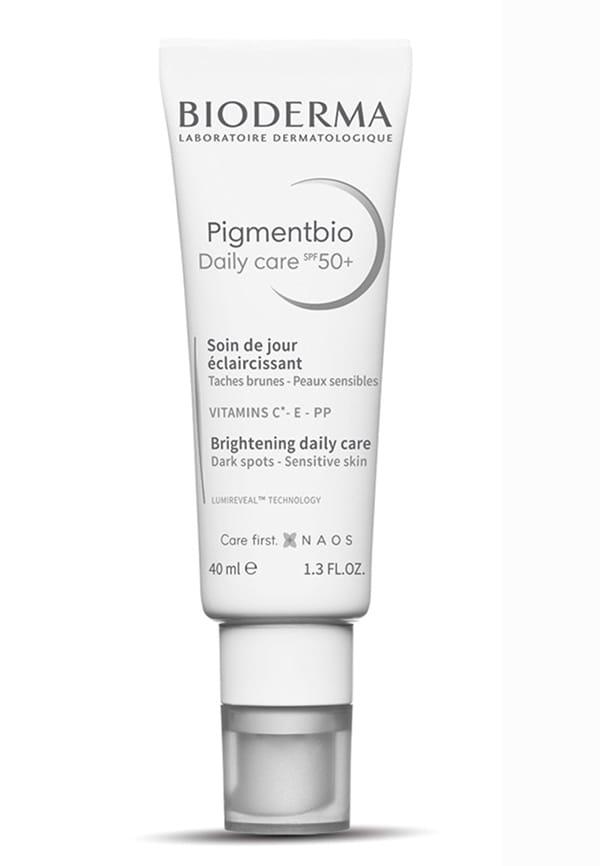
Pigmentbio Daily Care SPF 50+ Brightening Cream for Dark Spots & Senstive Skin
Look for serums containing 10-20% L-ascorbic acid or magnesium ascorbyl phosphate, stabilised with vitamin E and ferulic acid. The Dot & Key Vitamin C + E Super Bright range offers excellent brightening properties with triple vitamin C formulation. For sensitive skin, start with magnesium ascorbyl phosphate-based products, which provide effective results with less irritation risk.
Yes, vitamin C ampoules are excellent for most skin types, particularly those dealing with pigmentation, dullness, or early signs of ageing. The concentrated format delivers higher potency than regular serums, making them more effective for stubborn dark spots. However, sensitive skin should start with lower concentrations and patch test first.
Vitamin C can significantly fade pigmentation but rarely removes it completely. Expect 25-40% improvement in dark spot appearance over 12 weeks of consistent use. Fresh post-acne marks respond better than established age spots or melasma. Complete removal often requires professional treatments combined with consistent at-home vitamin C use.
Initial brightening effects typically appear around week 4, with noticeable dark spot fading by week 8-12. Fresh pigmentation (less than 6 months old) responds faster than established marks. Consistency is crucial - daily application with proper sun protection accelerates results significantly.
Yes, but start gradually. Begin with every other day for 2 weeks to build tolerance, then progress to daily use if no irritation occurs. Those with sensitive skin may prefer 3-4 times weekly long-term. Always use SPF during the day when using vitamin C products, as available on Smytten's curated collection.
Morning application is generally preferred as vitamin C provides additional antioxidant protection throughout the day. However, if you use other actives like retinol at night, morning vitamin C works perfectly. Avoid mixing vitamin C with AHAs, BHAs, or retinol in the same application to prevent irritation.
Vitamin C ampoules represent a powerful tool in the fight against pigmentation, offering concentrated doses of active ingredients that can significantly improve dark spots and uneven skin tone. The key to success lies in choosing the right concentration for your skin type, starting gradually to build tolerance, and maintaining consistent use over several months.
Remember that vitamin C works best as part of a comprehensive skincare routine that includes proper cleansing, moisturising, and most importantly, daily sun protection. While results take time, the combination of pigmentation reduction, antioxidant protection, and overall skin brightening makes vitamin C ampoules a worthwhile investment for most skin concerns.
The most important factor is consistency rather than perfection. Even if you can only manage every other day initially, regular use will yield better results than sporadic application of higher concentrations. Listen to your skin, adjust frequency as needed, and be patient with the process.
Finding the right vitamin C ampoule for your pigmentation concerns doesn't have to involve expensive trial and error. Smytten is India's largest product discovery and trial platform, connecting consumers with top lifestyle, beauty, wellness, and grooming brands through curated trial packs from over 2,400 trusted brands including Dot & Key, RENÉE, and Love Earth. This try before you buy approach lets you explore different vitamin C formulations before committing to full-size purchases. With trial packs available across skincare categories, you can get up to 10 Trial Points for just ₹279, plus 100% cashback on these minis redeemable for future orders. With over 28 million users and 100% authentic, directly sourced products delivered across 90% pincode coverage, Smytten helps you make smarter, more confident choices about your skincare routine. After all, why settle for 'maybe' when you can #TryItAll!
