Vegan vs Traditional: Skincare Product Showdown


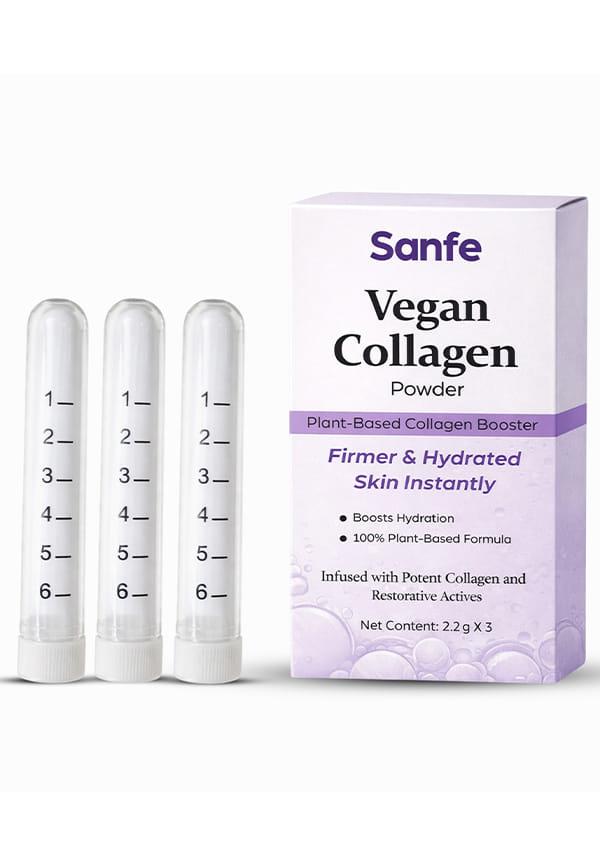
Vegan Collagen Powder
The skincare world is having a proper moment right now, and honestly, it's about time. With vegan skincare products taking centre stage, you might be wondering if it's all just clever marketing or if there's real substance behind the plant-powered hype. Let's be real—choosing between vegan and traditional skincare isn't just about following trends. It's about understanding what actually works for your skin, your values, and your wallet. Whether you're team cruelty-free skincare or still on the fence about ditching your tried-and-tested favourites, this showdown will help you make sense of it all. Ready to dive into the world of plant-based skincare and see how it stacks up against conventional formulas?
Right, let's start with the fundamentals because there's quite a bit of confusion floating around about what makes skincare truly vegan. Vegan skincare products are formulated without any animal-derived ingredients whatsoever—no lanolin from sheep's wool, no beeswax from busy bees, and definitely no carmine from crushed beetles (yes, that's actually a thing in some cosmetics). The key difference between plant-based skincare and traditional products lies in where the ingredients come from. Traditional skincare often relies on animal-derived components like collagen from fish, squalene from shark liver, or even snail mucin for that coveted glow. Vegan alternatives swap these out for plant-powered ingredients that can be just as effective—think squalane from olives instead of sharks, or hyaluronic acid produced through fermentation rather than extracted from rooster combs.
Some sneaky animal-derived ingredients hide behind fancy names. Lanolin might appear as "wool alcohol," while carmine could be listed as "natural red 4." Learning to decode these labels is your first step towards building a proper vegan skincare routine.
Look for proper certification logos from organisations like The Vegan Society or PETA. These aren't just pretty badges—they mean the brand has been properly vetted and meets strict standards for both ingredients and testing practices.
Here's where things get interesting, and honestly, the research might surprise you. Natural vegan skincare isn't just about feeling good about your choices—there's proper science backing up why plant-based ingredients can be absolute game-changers for your skin. Plant-derived actives often pack a more concentrated punch of antioxidants, vitamins, and minerals compared to their synthetic counterparts. Take vitamin C, for instance. When sourced from kakadu plum or acerola cherry, it comes bundled with complementary compounds that help your skin absorb and utilise it more effectively. It's like getting the whole orchestra instead of just one instrument.
Your skin tends to recognise and process plant-based ingredients more readily. Organic vegan skincare products often show lower rates of irritation and sensitivity reactions, particularly for those with reactive skin types.
Studies suggest that consistent use of antioxidant-rich plant ingredients can provide cumulative benefits for skin health, including improved barrier function and enhanced natural repair processes. It's not just about immediate results—it's about building healthier skin over time.
Let's talk about the elephant in the room—animal testing. The beauty industry's relationship with animal testing has been, frankly, pretty grim historically. Traditional skincare development often involved testing ingredients and finished products on animals, which is not only ethically questionable but also scientifically outdated. Cruelty-free skincare brands have pioneered alternative testing methods that are often more accurate and relevant to human skin. These include in-vitro testing using human skin cells, computer modelling, and patch testing on human volunteers. The result? Better, more reliable safety data without causing harm to animals.
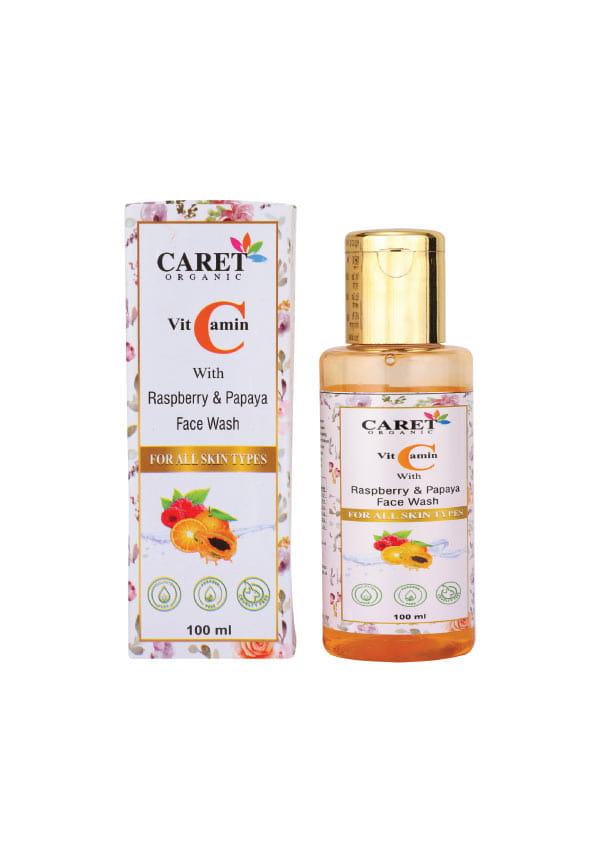
Vitamin C Face Wash With Rasberry & Papaya | Vegan & Paraben Free
The tide is turning globally. The EU banned animal testing for cosmetics in 2013, and many other countries are following suit. This shift has accelerated innovation in ethical skincare development, pushing brands to find smarter, more humane ways to ensure product safety.
Your purchasing decisions are literally reshaping the industry. Brands are responding to demand for ethical skincare by investing in alternative testing methods and transparent supply chains. It's proof that your choices genuinely matter.
Time for the main event—how do vegan beauty products actually perform compared to traditional formulations? Let's break down the key categories and see how plant-powered alternatives stack up. The beauty of modern eco-friendly skincare is that formulators have become incredibly clever at finding plant-based alternatives that match or exceed the performance of traditional ingredients. It's not about compromise anymore—it's about innovation.
Traditional moisturisers often rely on lanolin or animal-derived glycerin. Vegan alternatives use ingredients like ceramides from rice or squalane from olives, which can actually be more stable and less likely to cause reactions. Plant oils like jojoba and marula provide deep hydration without clogging pores.
While traditional skincare leans heavily on retinol, vegan formulations are exploring bakuchiol from the babchi plant, which offers similar benefits with less irritation. Peptides derived from plant proteins are showing impressive results in clinical trials for firmness and elasticity.
Sulfate-free cleansers using coconut-derived surfactants are gentler on the skin barrier while still providing effective cleansing. These formulations maintain your skin's natural pH balance better than many traditional cleansers.
Choosing the best vegan skincare for your specific needs doesn't have to be overwhelming. The key is understanding which plant-based ingredients work best for your skin type and concerns. Many vegan skincare brands have developed sophisticated formulations that rival any traditional product on the market. The trick is knowing what to look for and how to build an effective routine.
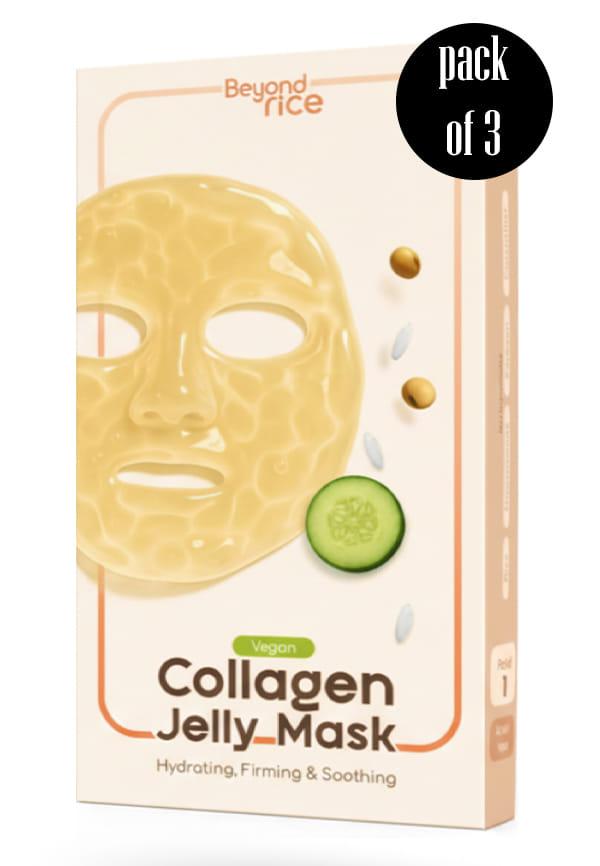
Collagen jelly mask - Rice, Niacinamide & Cucumber (Vegan)
Look for products with hyaluronic acid (vegan-sourced), ceramides, and nourishing plant oils like argan or rosehip. These ingredients work together to restore moisture and strengthen your skin barrier.
Salicylic acid from willow bark, niacinamide, and tea tree oil are your friends here. These ingredients help control oil production and prevent breakouts without over-drying your skin.
Centella asiatica, chamomile, and oat-derived ingredients are incredibly soothing for reactive skin. These gentle botanicals reduce inflammation while providing essential nutrients.
Start simple with a gentle cleanser, hydrating serum, and moisturiser. Add treatments like vitamin C or retinol alternatives gradually. The beauty of a vegan skincare routine is that the ingredients tend to play well together, reducing the risk of reactions.
Here's something that might make you feel even better about choosing eco-friendly skincare—the environmental benefits are genuinely impressive. Traditional skincare manufacturing often involves intensive farming practices for animal-derived ingredients, plus the environmental cost of animal agriculture. Plant-based ingredients typically have a much smaller carbon footprint. Growing botanicals for skincare uses less water, produces fewer greenhouse gases, and often supports biodiversity when done sustainably. Many vegan brands are also leading the charge in sustainable packaging, using recycled materials and refillable containers.
Vegan brands often provide more transparency about ingredient sourcing, allowing you to make informed choices about the products you use. This transparency extends to fair trade practices and supporting local farming communities.
Many plant-based ingredients break down naturally in the environment, reducing the impact on waterways and ecosystems. This is particularly important for products that get washed down the drain.
Let's address the price elephant in the room. Yes, some vegan beauty products can be pricier than their traditional counterparts, but the gap is narrowing rapidly as demand increases and production scales up. When you factor in the concentration of active ingredients in many vegan products, the cost-per-use often works out similarly to traditional products. Plus, the gentler formulations mean you might need fewer products overall—no need for separate products to counteract irritation from harsh ingredients. Many brands now offer budget-friendly vegan options that deliver excellent results. The key is knowing which ingredients to prioritise and which products are worth splurging on. Platforms like Smytten make it easier to discover and try different vegan skincare brands without committing to full-size purchases, helping you find your perfect matches without breaking the bank.
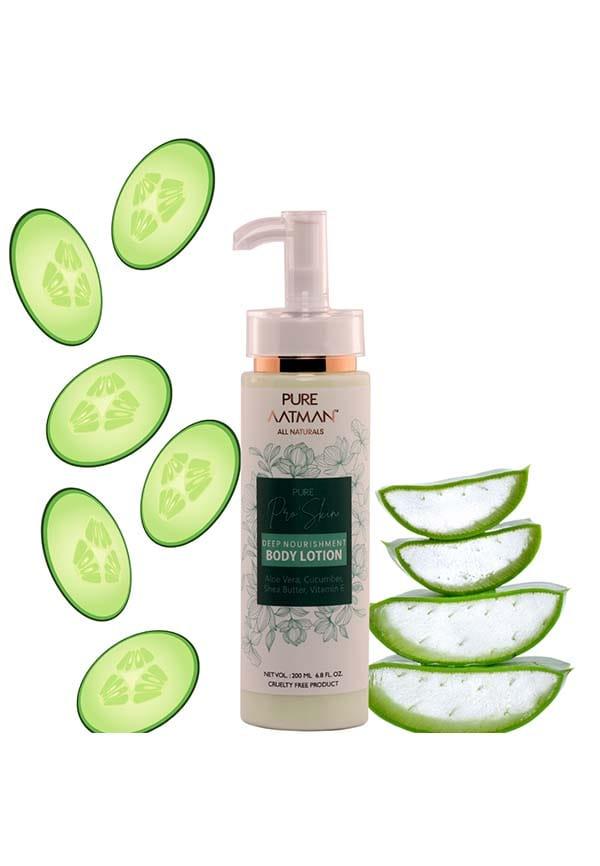
100% Vegan | Body Lotion With Cucumber & aloe vera Glow for All Skin Type
Vegan skincare products can be excellent for your skin, particularly if you have sensitive or reactive skin. Plant-based ingredients are often gentler and packed with antioxidants, vitamins, and minerals that support skin health. However, the best products for your skin depend on your individual needs and concerns rather than whether they're vegan or traditional.
Look for certified vegan logos from organisations like The Vegan Society or PETA. Check the ingredient list for animal-derived components like lanolin, beeswax, carmine, or collagen. When in doubt, contact the brand directly or check their website for detailed ingredient information.
Many vegan skincare products perform just as well as, if not better than, traditional formulations. Modern plant-based alternatives often provide superior results due to concentrated active ingredients and innovative extraction methods. The key is choosing products with clinically proven ingredients that address your specific skin concerns.
Not necessarily. A product can be cruelty-free (not tested on animals) but still contain animal-derived ingredients. Similarly, a vegan product might be made by a company that tests other products on animals. Look for products that are both certified vegan and cruelty-free for complete ethical assurance.
Vegan skincare prices vary widely, just like traditional products. While some premium vegan brands command higher prices, many affordable options deliver excellent results. The cost often reflects the quality of ingredients and ethical sourcing practices rather than just the vegan status.
Absolutely! You can incorporate vegan products into your existing routine gradually. Many people start by switching one or two products and build from there. The most important thing is choosing products that work well for your skin, regardless of whether they're vegan or traditional.
The vegan versus traditional skincare debate isn't really about picking sides—it's about finding what works best for your skin, your values, and your lifestyle. Vegan skincare products have come a long way from the basic formulations of the past, and many now rival or exceed the performance of traditional products. Whether you're drawn to plant-based skincare for ethical reasons, environmental concerns, or simply because your skin responds better to gentler formulations, there's never been a better time to explore your options. The beauty industry has responded to consumer demand with innovative, effective products that prove you don't have to compromise on results to align with your values. Smytten makes discovering your ideal vegan skincare routine easier than ever. With curated trial packs from trusted brands, you can explore different formulations and find your perfect matches without the commitment of full-size purchases. After all, why settle for 'maybe' when you can try it all and discover what truly works for your unique skin? The platform's extensive range includes numerous vegan and cruelty-free skincare options, making it simple to build an ethical routine that delivers real results.
