Understanding Wrinkle Causes FAQ: Your Questions Answered

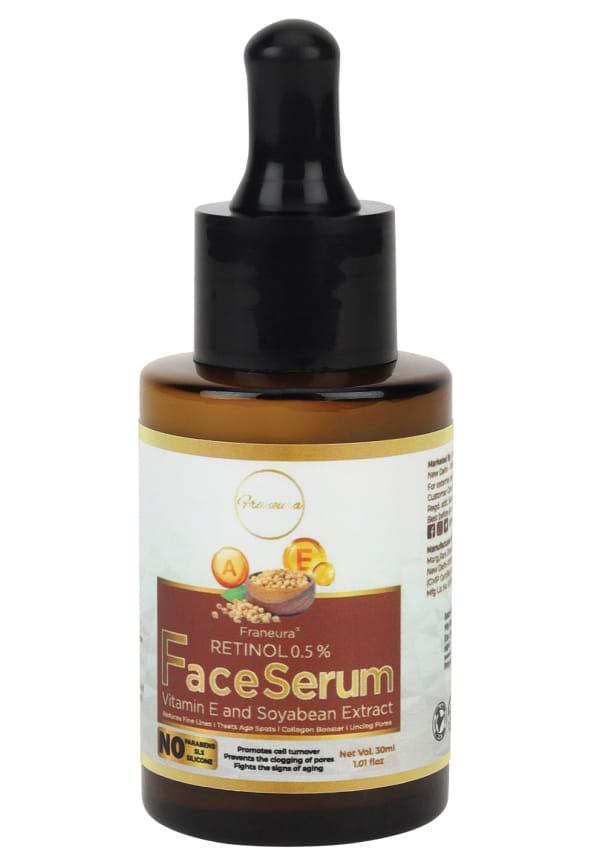
Retinol Anti-Aging Face Serum to Reduce Fine Lines & Wrinkles
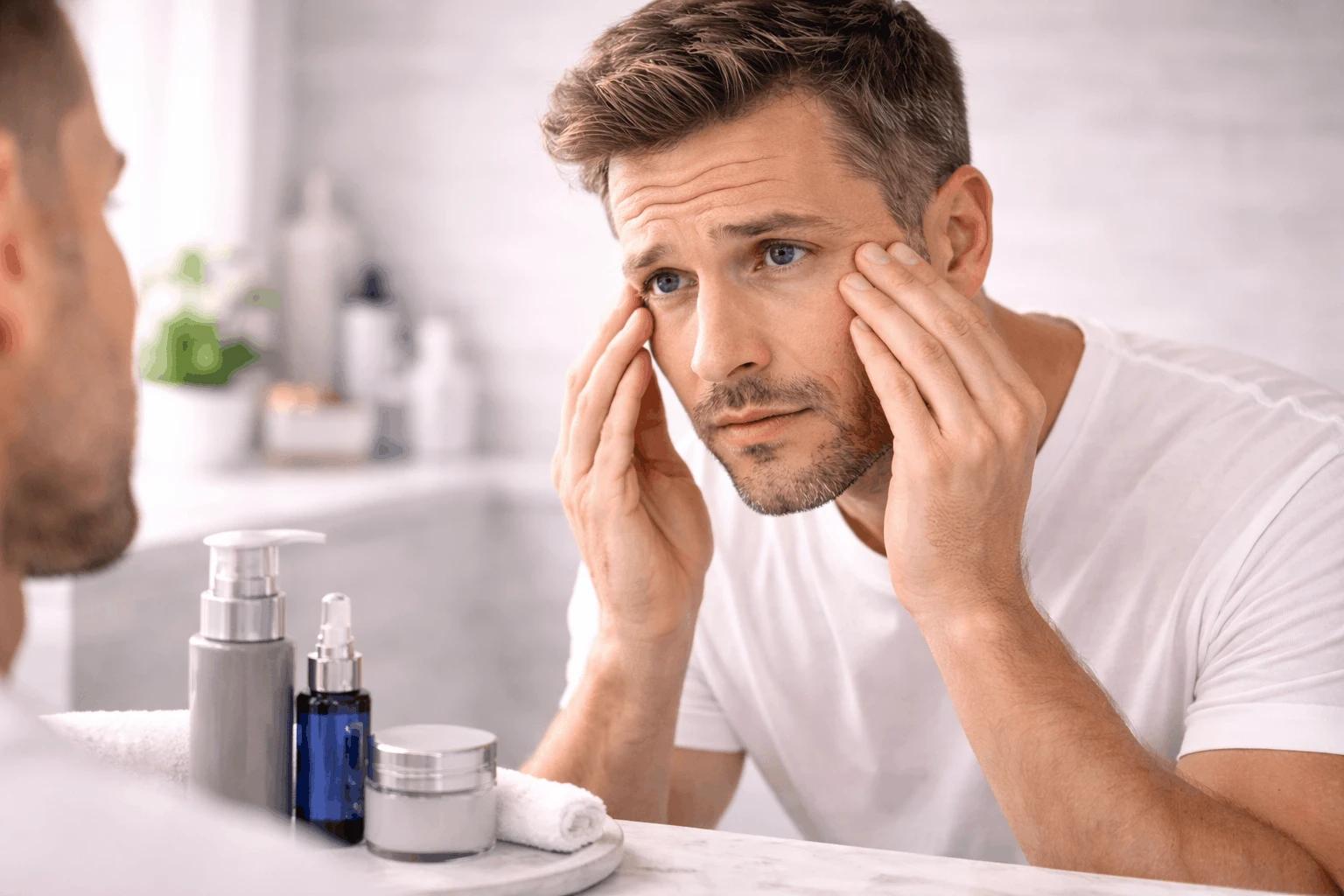
You've noticed those first fine lines around your eyes, or perhaps deeper creases have started appearing on your forehead. The mirror seems to tell a different story than it did just a few years ago. If you're wondering what's behind these changes and whether there's anything you can do about them, you're not alone. Understanding wrinkle causes is the first step towards making informed decisions about your skincare routine and aging gracefully.
Wrinkles are creases, folds, or ridges that develop in the skin as we age. They're essentially the visible result of our skin losing its ability to bounce back after being stretched or compressed. Think of your skin like a well-loved jumper – over time, the fibres begin to lose their elasticity and structure.
The process begins deep within your skin's structure. Your dermis contains a network of collagen and elastin fibres that provide strength, structure, and elasticity. When we're young, these proteins are abundant and well-organised, keeping our skin plump and resilient. As we age, this network begins to break down faster than our bodies can replace it.
Fine lines typically appear first – these are shallow creases that are most noticeable when your skin is dry or when you make facial expressions. Deep wrinkles, on the other hand, are permanent creases that remain visible even when your face is at rest. The transition from fine lines to deeper wrinkles happens gradually as skin elasticity continues to decline.
Several factors contribute to wrinkle formation, and understanding these can help you make better choices for your skin's future. The causes aren't just about getting older – they're a complex interplay of internal and external factors.
Your body's natural aging process is perhaps the most significant factor in wrinkle development. Starting in your twenties, collagen production begins to decline by about 1% per year. This might not sound like much, but by the time you reach your forties, you've lost a substantial amount of the structural support that keeps your skin smooth.
Elastin, the protein responsible for your skin's ability to snap back into place, also decreases with age. Additionally, your skin produces less hyaluronic acid, which helps maintain moisture and plumpness. This triple decline creates the perfect conditions for facial lines to develop and deepen over time.
Sun damage is responsible for up to 80% of visible facial aging – a process called photoaging. UV rays penetrate deep into your skin, breaking down collagen and elastin fibres much faster than natural aging would. This is why areas frequently exposed to the sun, like your face, neck, and hands, often show signs of aging before other parts of your body.
The damage is cumulative, meaning every unprotected moment in the sun adds up over the years. Those summer holidays without SPF in your teens and twenties? Your skin remembers them all. UV exposure also creates free radicals, unstable molecules that cause further damage to your skin's cellular structure.
Every time you smile, frown, or squint, you're creating temporary creases in your skin. When you're young, your skin bounces back immediately. However, as collagen loss progresses, these temporary creases begin to leave permanent marks.
This is why we develop specific patterns of wrinkles – crow's feet from squinting and smiling, frown lines between the eyebrows, and forehead lines from raising our eyebrows. These are called dynamic wrinkles because they start with movement, but eventually become static wrinkles that remain even when your face is relaxed.
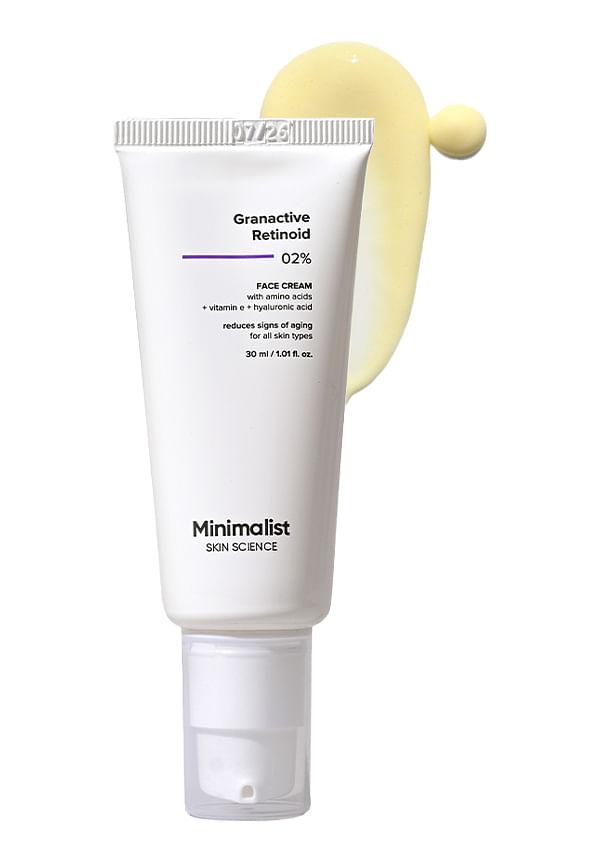
Granactive Retinoid 2% Face Cream
Your environment plays a significant role in how quickly your skin ages. Air pollution exposes your skin to free radicals daily, whilst smoking dramatically accelerates the aging process by reducing blood flow to the skin and depleting vitamin C levels.
Even your sleeping position can contribute to wrinkle formation. Consistently sleeping on one side can create permanent creases over time. Dehydration, whether from not drinking enough water or from environmental factors like air conditioning, can make fine lines more pronounced and accelerate their development into deeper wrinkles.
You've probably noticed that some people seem to age more gracefully than others. This isn't just about good genes – though they certainly play a part. Several factors determine how quickly and severely wrinkles develop.
Your genetic makeup influences everything from how much collagen your skin produces to how well it repairs itself after damage. Some people inherit genes that code for more robust collagen production or better antioxidant defence systems. If your parents aged well, you might have inherited some protective factors.
However, genetics isn't destiny. Even if you're predisposed to early skin aging, the right skincare routine and lifestyle choices can significantly slow the process.
Your daily habits have a profound impact on how your skin ages. Smoking is particularly devastating – it reduces blood flow to the skin, depletes essential nutrients, and creates repetitive pursing motions that lead to lines around the mouth. Regular alcohol consumption can dehydrate your skin and interfere with sleep quality, both of which affect skin repair processes.
Poor nutrition, particularly diets low in antioxidants and vitamin C, can accelerate collagen loss. Your skin needs specific nutrients to maintain and repair itself, and deficiencies show up as premature aging. Similarly, inadequate anti-aging skincare routines that skip sun protection or proper moisturising can leave your skin vulnerable to accelerated aging.
Not all wrinkles are created equal. Understanding the different types can help you identify what's causing your specific concerns and how to address them effectively.
Fine lines are the early warning signs of skin aging. They're shallow, often appearing first around the delicate eye area where skin is thinnest. These typically develop from a combination of natural collagen decline and environmental damage. The good news is that fine lines often respond well to proper skincare and can sometimes be significantly improved.
Deep wrinkles represent more advanced aging. These are permanent creases that have formed over years of repeated muscle movement combined with significant collagen loss. They're most commonly found on the forehead, between the eyebrows, and around the mouth – areas where facial expressions create the most movement.

Banana Oil For Wrinkles And Fine Lines
Dynamic wrinkles appear only when you make facial expressions. When you're young, these disappear completely when your face relaxes. Static wrinkles, however, are visible even when your face is at rest. The progression from dynamic to static represents the point where your skin has lost enough elasticity that it can no longer return to its original smooth state.
Understanding this distinction is important because it affects treatment approaches. Dynamic wrinkles might respond well to skincare ingredients that boost collagen production, whilst static wrinkles often require more intensive interventions.
The best approach to wrinkles is prevention. Whilst you can't stop the natural aging process, you can significantly slow it down and minimise environmental damage that accelerates wrinkle formation.
A proper anti-aging skincare routine starts with daily sun protection. SPF 30 or higher should be non-negotiable, applied every morning regardless of the weather. This single step can prevent up to 80% of premature aging.
Moisturising is equally crucial for maintaining skin elasticity. Well-hydrated skin is more resilient and less prone to developing fine lines. Look for moisturisers containing hyaluronic acid, which can hold up to 1,000 times its weight in water.
Active ingredients like retinoids, vitamin C, and peptides can help stimulate collagen production and protect against further damage. However, these should be introduced gradually and with proper guidance to avoid irritation.
Your diet plays a crucial role in skin health. Foods rich in antioxidants, healthy fats, and vitamin C support collagen production and protect against free radical damage. Think colourful fruits and vegetables, fatty fish, nuts, and seeds.
Quality sleep is when your skin does most of its repair work. Aim for 7-9 hours nightly, and consider sleeping on your back to avoid creating pressure lines. Managing stress through exercise, meditation, or other healthy outlets also benefits your skin, as chronic stress can accelerate aging.
Whilst a good skincare routine can prevent and improve many signs of aging, there are limits to what topical products can achieve. Understanding these limitations helps set realistic expectations.
Skincare products work best for prevention and early intervention. They can improve skin texture, provide hydration, and offer some improvement in fine lines. However, deep wrinkles and significant collagen loss often require professional treatments.
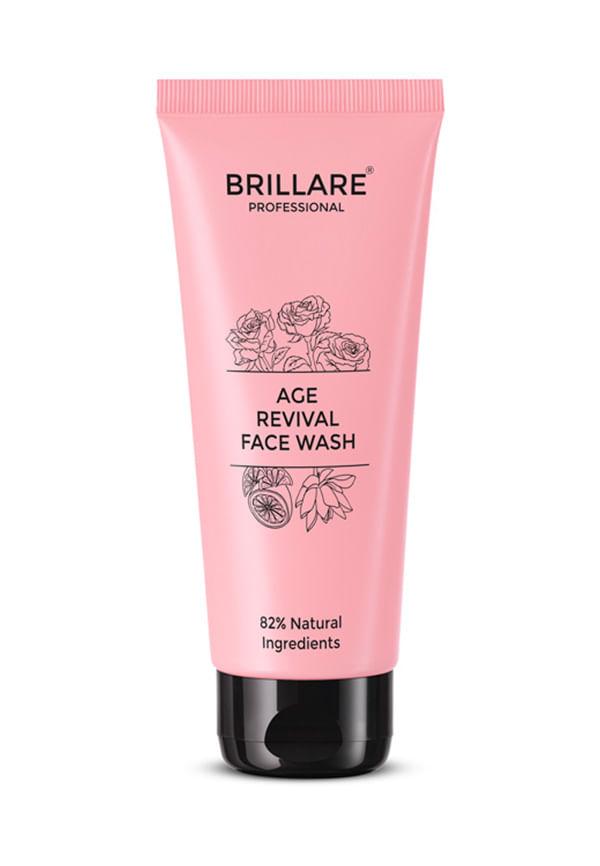
Age Revival Face Wash For Aging Skin
Professional options range from chemical peels and microneedling to more intensive procedures. The key is realistic expectations – no treatment can completely reverse aging, but many can provide significant improvement when combined with proper at-home care.
The primary cause of wrinkles is the natural decline in collagen and elastin production as we age, combined with cumulative sun damage from UV exposure. These two factors work together to break down the skin's structural support system, leading to the formation of facial lines and loss of skin elasticity.
The seven main causes of skin aging include cellular senescence (cells stop dividing), environmental damage (particularly UV exposure), accumulation of damaged proteins, genetic changes, reduced cellular repair ability, loss of tissue volume, and hormonal changes. These factors combine to accelerate collagen loss and reduce the skin's ability to maintain its youthful appearance.
Vitamin C deficiency is particularly problematic for skin aging, as this vitamin is essential for collagen synthesis. Without adequate vitamin C, your body cannot produce healthy collagen, leading to weakened skin structure and premature fine lines. Other important nutrients include vitamin E, zinc, and omega-3 fatty acids.
Sudden appearance of wrinkles often results from hormonal changes (particularly during menopause), rapid weight loss, severe dehydration, or the cumulative effects of sun damage becoming visible. Sometimes what appears sudden has actually been developing gradually, but becomes noticeable when skin reaches a tipping point in collagen loss.
Whilst aging is a natural process that cannot be completely stopped, proper wrinkle prevention strategies can significantly delay and minimise their appearance. Consistent sun protection, a good anti-aging skincare routine, healthy lifestyle choices, and early intervention can help maintain skin elasticity and prevent premature aging.
Fine lines often begin appearing in the late twenties to early thirties, particularly around the eyes where skin is thinnest. However, this varies greatly depending on genetics, sun exposure, and lifestyle factors. Some people notice changes earlier, whilst others maintain smooth skin well into their forties with proper care.
Understanding wrinkle causes empowers you to make informed decisions about your skincare journey. Whilst aging is inevitable, premature aging isn't. The combination of genetic factors, environmental damage, and lifestyle choices determines how quickly and severely wrinkles develop.
The key to maintaining healthy, resilient skin lies in consistency – daily sun protection, proper hydration, and a thoughtful skincare routine that addresses your specific concerns. Remember that skin aging is a gradual process, and the best results come from starting prevention early rather than trying to reverse significant damage later.
Your skin will notice the difference when you commit to understanding its needs and providing consistent care. Whether you're dealing with your first fine lines or looking to prevent future facial lines, the right approach combines scientific understanding with practical, sustainable habits.
For those curious about trying new anti-aging skincare products without committing to full sizes, Smytten offers an excellent way to explore different brands and formulations. With access to minis from trusted skincare brands, you can discover what works best for your skin before investing in full-size products. It's a smart approach to building an effective routine that truly addresses your skin's changing needs.
