Ultimate Guide: Decode Skincare Ingredients Step-by-Step


Ever stared at a skincare bottle and felt like you needed a chemistry degree to understand what's inside? You're not alone. With thousands of current skincare ingredients flooding the market, decoding what actually works can feel overwhelming. But here's the thing—understanding your ingredient list is the secret to building a routine that actually delivers results. Let's break down the science behind those fancy names and help you become your own skincare detective.
Let's be real—not all skin care ingredients are created equal. The skincare world is split into two main camps: active and inactive ingredients. Active ingredients are the heavy lifters that actually change your skin, whilst inactive ones help with texture, preservation, and delivery. Think of actives as the star performers and inactives as the supporting cast that makes everything work smoothly.
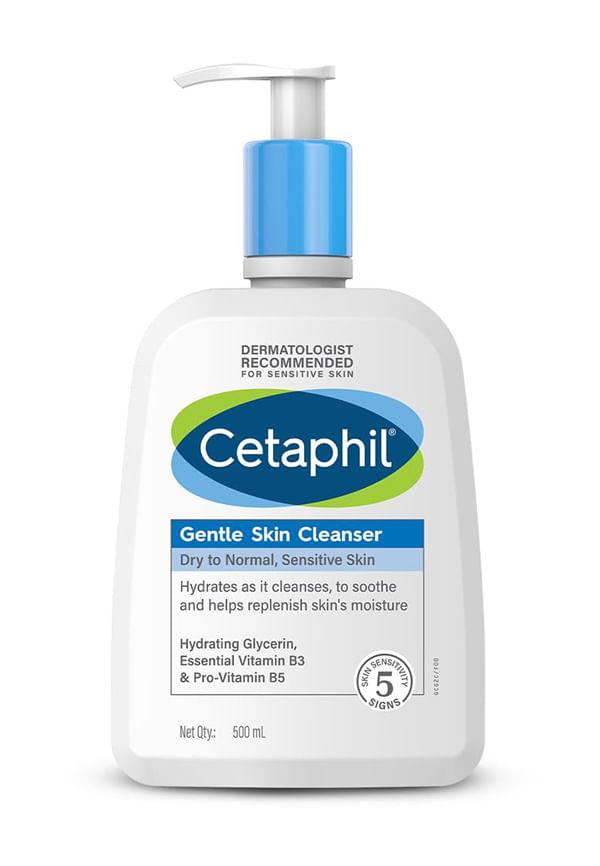
Gentle Skin Cleanser
The ingredient game has seriously levelled up in recent years. We're seeing smarter formulations, better delivery systems, and ingredients that work harder with fewer side effects. Understanding your skincare formulation isn't just about being a beauty nerd—it's about getting real results and not wasting money on products that don't deliver.
Active ingredients skincare works at the cellular level, but here's what most people don't know—concentration isn't everything. A 20% vitamin C serum isn't automatically better than a 10% one if your skin can't actually use it. It's all about bioavailability and how well your skin can absorb and process these ingredients.
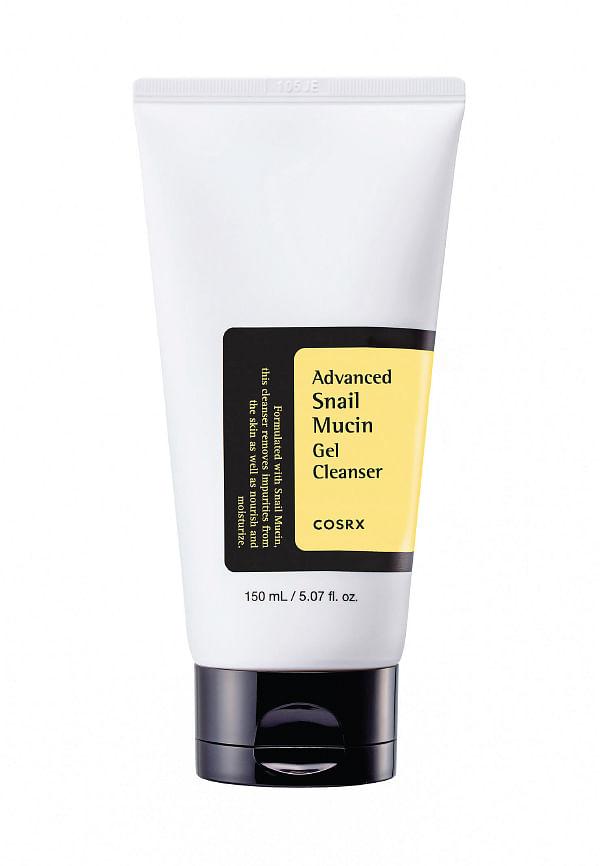
Advanced Snail Mucin Gel Cleanser
Real talk: most skincare brands love throwing around percentages, but what matters is whether that ingredient can actually penetrate your skin barrier and do its job. Look for ingredients that have been clinically tested, not just lab-tested. There's a massive difference between something working in a petri dish and working on actual human skin.
Here's where things get interesting. Different skin concerns need different approaches, and knowing which ingredients actually work can save you from endless trial and error.
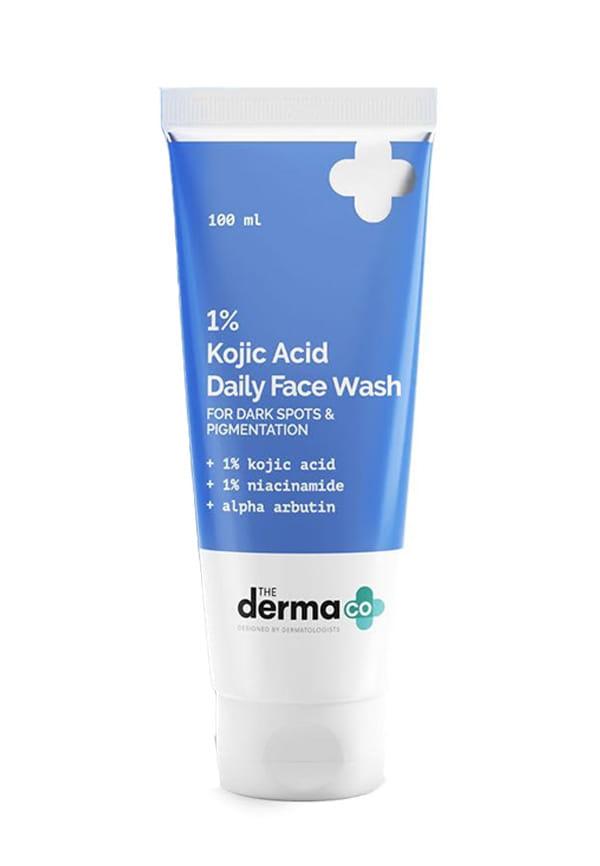
1% Kojic Acid Face Wash with Niacinamide & Alpha Arbutin
Better Results with Salicylic Acid
 5
5“also use salicylic acid facewash twice weekly wth this and much better results...treat acne as well as spots”
Kojic Acid & Niacinamide Best for Skin
5“Kojic acid and niacinamide is best for skin”
Excellent Product & Smytten Experience
5“bahut acha product hai ye app bahut acha hia yha se mujhe ache order Mila hai or hm sb sister ne bahut sari chije order Kari hai thank you smytten and good delivery mujhe order bahut jaldi receive hua hai mene derma co face wash mehng vya hai bahut acha aya hai achi packing ke sath thank you thank you so much smytten ❤️❤️”
When it comes to anti-aging ingredients, retinoids are still the gold standard. They're the only ingredients with decades of research backing their ability to boost collagen and speed up cell turnover. Vitamin C is your antioxidant powerhouse, but stability matters—look for magnesium ascorbyl phosphate or sodium ascorbyl phosphate if you have sensitive skin.
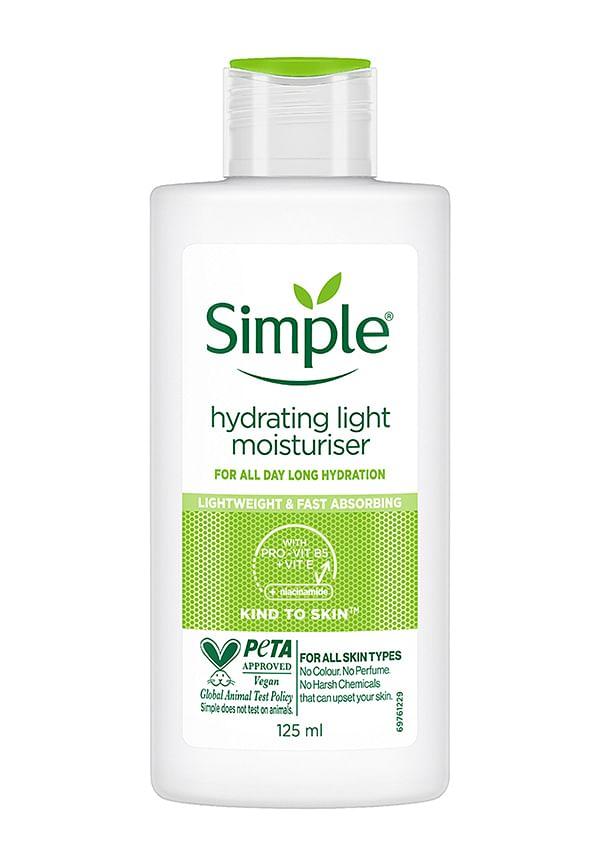
Kind To Skin Hydrating Light Moisturiser
Best Moisturizer for Oily/Combination Skin
5“best moisturizer ever for oily and combination skin plus budget friendly”
Good for Skin
5“i used it before was good for skin”
Good for Skin
5“i used it before was good for skin”
Niacinamide is having a major moment, and for good reason. This form of vitamin B3 reduces inflammation, controls oil production, and strengthens your skin barrier. Hyaluronic acid is your hydration hero—it can hold up to 1,000 times its weight in water. Ceramides help rebuild your skin's natural protective barrier, especially crucial if you're dealing with dryness or sensitivity.
If your skin throws tantrums easily, ingredients for sensitive skin should be gentle yet effective. Azelaic acid is brilliant for sensitive skin that still needs acne or pigmentation help. Centella asiatica and green tea extract are soothing botanicals that calm inflammation without irritation.
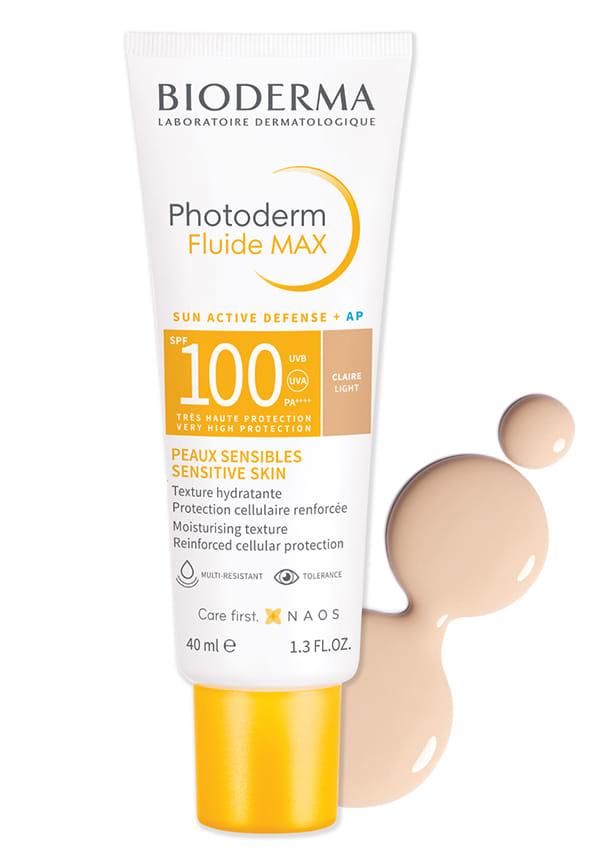
Photoderm Fluide Cellular Bioprotection SPF100 Claire Light
Positive Product & Deal
5“I love bioderma products and got a great deal on smytten”
Positive Product Feedback
5“Really impressed with this one”
Here's something that might surprise you—natural skincare ingredients aren't automatically better than synthetic ones. Some of the most effective ingredients are lab-created because they're more stable, pure, and consistent than their natural counterparts. Synthetic doesn't mean harmful, and natural doesn't guarantee safety.
That said, some natural ingredients are absolute gems. Rosehip oil is packed with vitamin C and essential fatty acids. Aloe vera genuinely soothes irritated skin. The key is looking for ingredients that have solid research behind them, regardless of whether they come from a lab or a plant.
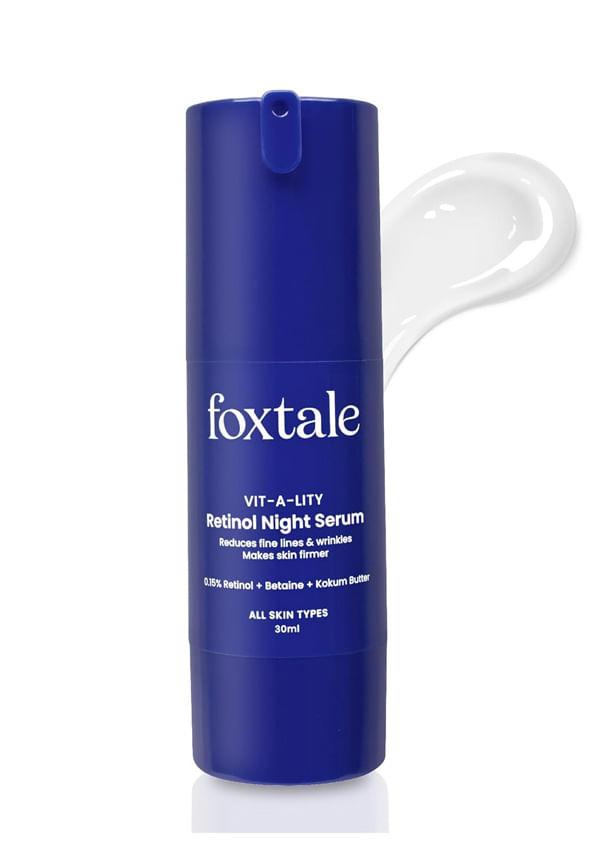
0.15% Beginner Friendly Retinol Night Serum, Anti-Aging Night Cream
Reduces Wrinkles & Fine Lines
5“good product, wrinkles and fine lines reduce”
Reduces Wrinkles & Fine Lines
5“good product, wrinkles and fine lines reduce”
Plumps & Smooths Skin
5“plums the skin and makes my skin smooth I love it”
Time for some detective work. Your ingredient list skincare is listed in descending order of concentration, but here's the catch—once you get below 1%, the order can be random. The first five ingredients make up the bulk of your product, so pay attention to those.
INCI names (International Nomenclature of Cosmetic Ingredients) can look scary, but they're just standardised names. Aqua means water, tocopherol is vitamin E, and sodium hyaluronate is hyaluronic acid. Don't let fancy names intimidate you—most cosmetic ingredients have simple functions once you know what to look for.
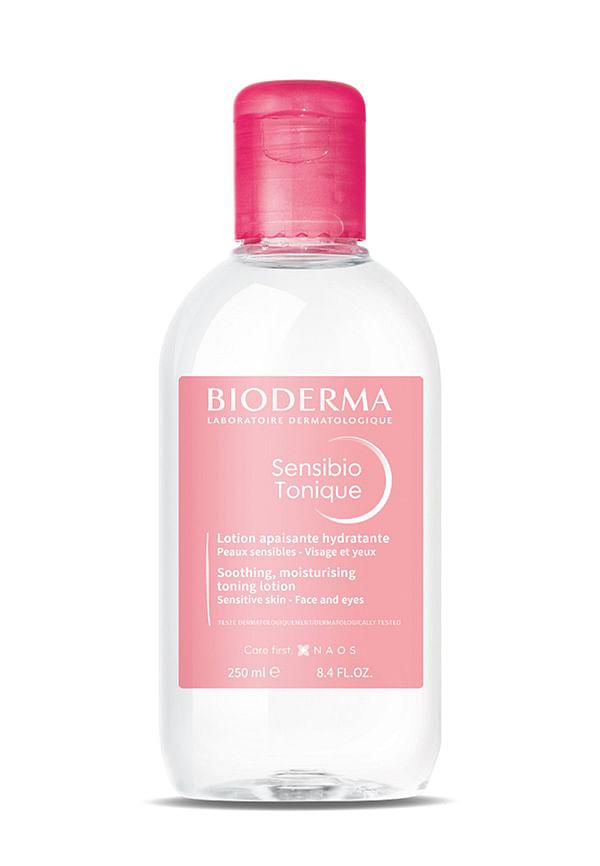
Sensibio Tonique Soothing Alcohol-Free Toner
The skincare world moves fast, and 2024 has brought some genuinely exciting innovations. Bakuchiol is making waves as a gentle retinol alternative that doesn't cause irritation or photosensitivity. Probiotics and prebiotics are having their moment as we learn more about the skin microbiome's role in healthy skin.
Copper peptides are gaining traction for their wound-healing properties, whilst squalane has become the go-to for barrier repair without clogging pores. These aren't just trendy ingredients—they have solid science backing their effectiveness.
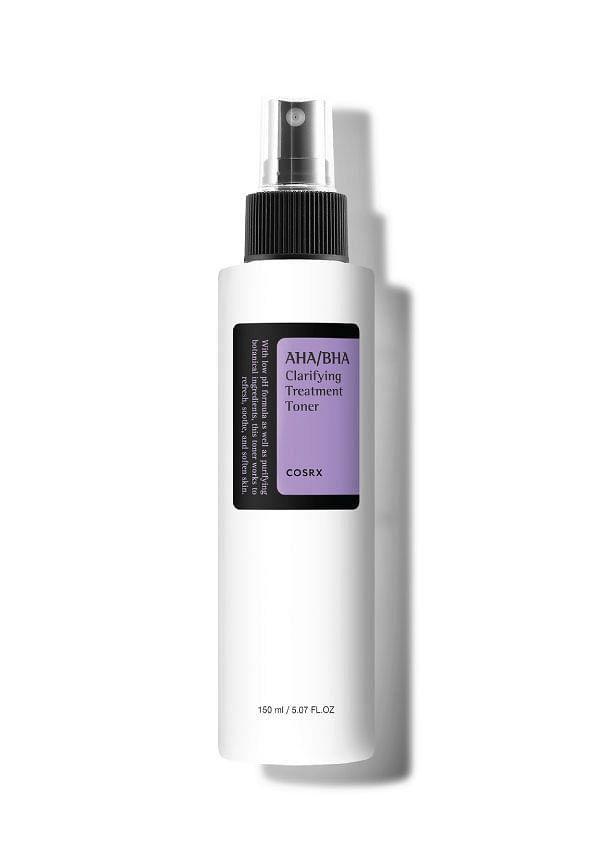
AHA/BHA Clarifying Treatment Toner
This is where platforms like Smytten become invaluable. With over 1,500 trusted brands and the ability to try products before committing to full sizes, you can explore these trending ingredients without the financial risk. Why guess when you can actually test what works for your skin?
Now for the fun part—putting it all together. The best ingredients for skin mean nothing if you're not using them correctly. Morning routines should focus on protection (antioxidants, SPF), whilst evenings are for repair (retinoids, acids, peptides).
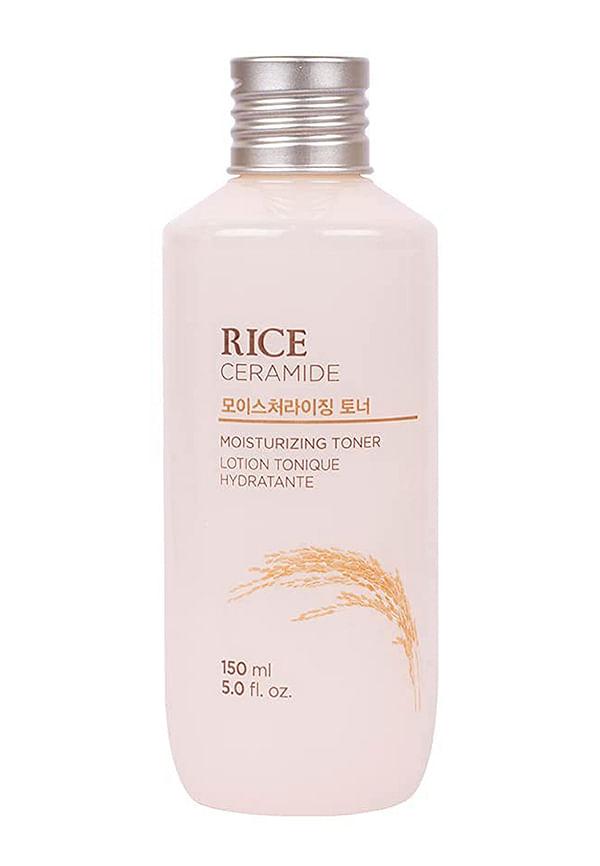
Rice & Ceramide Moisturizing Face Toner
Loved the Toner
5“Goood toner loved it and i re”
Loved the Toner
5“Goood toner loved it and i re”
Loved the Toner
5“Goood toner loved it and i re”
Start slow with new effective skincare ingredients. Introduce one new active at a time and give your skin at least 4-6 weeks to adjust. Some ingredients play well together (niacinamide and hyaluronic acid), whilst others should never meet (vitamin C and retinol in the same routine).
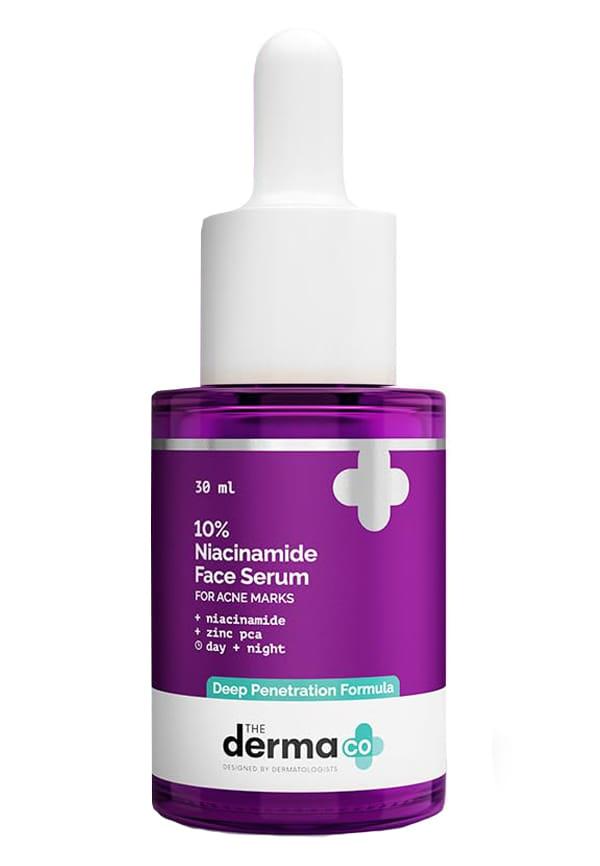
10% Niacinamide Serum
Effective and Good Results
5“very nice bhut effitiv hai nice goix results I am very happy 😄😄😄”
Amazing and Helpful Products
5“amazing.. products... helps me a lot ..”
Amazing and Helpful Products
5“amazing.. products... helps me a lot ..”
Bakuchiol, probiotics, copper peptides, and azelaic acid are having major moments. These ingredients offer effective results with minimal irritation, which is exactly what people want.
Give new ingredients at least 6-8 weeks to show results. Take photos in consistent lighting to track changes, and focus on one concern at a time rather than expecting overnight miracles.
Not in the same routine. Use vitamin C in the morning and retinol at night, or alternate days if you're just starting out. Mixing them can reduce effectiveness and increase irritation.
Start low and go slow. Begin with 0.25-0.5% retinol, 5-10% niacinamide, and 10-15% vitamin C. Your skin will tell you when it's ready for stronger concentrations.
Decoding skincare ingredients doesn't have to feel like solving a puzzle. Focus on understanding what your skin actually needs, start with proven ingredients, and don't get caught up in every trending component that hits the market. The best routine is one that's consistent, gentle, and tailored to your specific concerns.
Remember, skincare is deeply personal. What works for your favourite influencer might not work for you, and that's completely normal. The key is finding products that make your skin feel healthy and happy, not chasing the latest viral ingredient. With the right knowledge and a bit of patience, you'll become your own skincare expert in no time.
