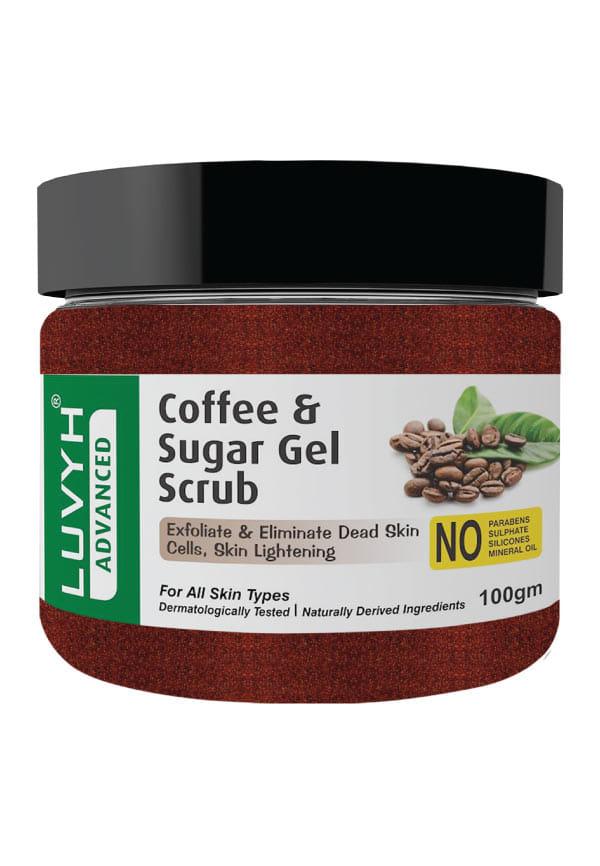
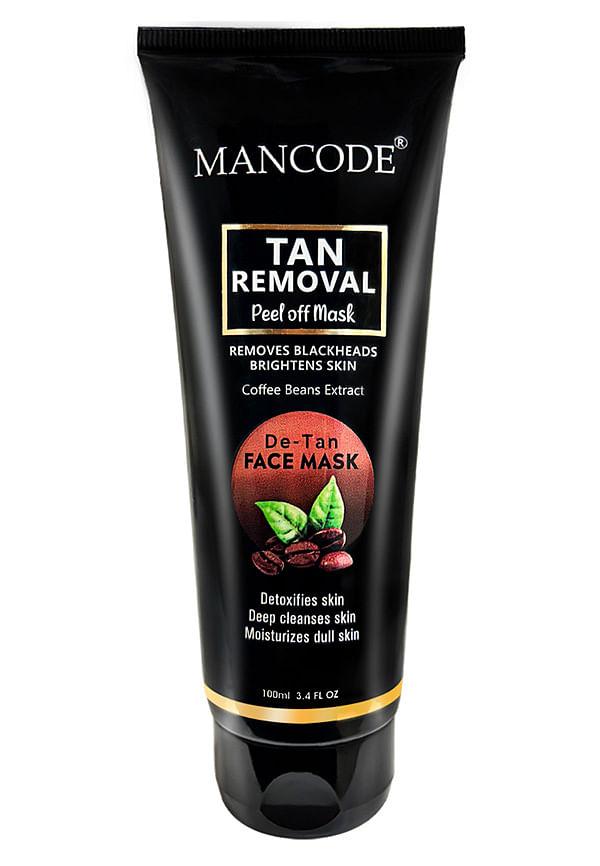
This treatment uses fine crystals to physically exfoliate the skin's surface. It's particularly effective for surface-level tanning and can improve overall skin texture. Multiple sessions usually provide the best results for comprehensive sun damage repair.
Laser Treatments
For deep pigmentation or extensive sun damage, laser treatments offer the most dramatic results. They target melanin deposits directly whilst stimulating collagen production. These treatments require significant investment and recovery time but deliver impressive outcomes.
Frequently Asked Questions
How long does it take to remove a tan naturally?
Natural tan removal typically takes several weeks with consistent application. Surface tans fade faster than deep pigmentation. Your skin naturally renews itself regularly, so patience is key. Consistent daily care yields better results than sporadic intensive treatments.
Can I use these methods for body tan removal as well?
Absolutely! Most natural ingredients work brilliantly on body skin too. However, facial skin is more delicate, so you might need to dilute treatments slightly for body use. Always patch test new ingredients regardless of where you're applying them.
Are there any side effects of natural tan removal methods?
Natural ingredients are generally gentler than commercial products, but sensitivity can still occur. Common reactions include mild redness or tingling. Always patch test new ingredients, and discontinue use if irritation persists. Start slowly with acidic ingredients like lemon.
How can I prevent tanning in the future?
Consistent sun protection is your best defence. Use broad-spectrum sunscreen with adequate protection daily, seek shade during peak hours (10 AM to 4 PM), and wear protective clothing. Remember that prevention is always easier than treatment when it comes to skin damage.
Is natural tan removal safe for sensitive skin?
Many natural methods are gentle enough for sensitive skin, but it's crucial to patch test first. Start with milder ingredients like aloe vera or yogurt, and introduce stronger ones gradually. If you have particularly sensitive skin, consult with a dermatologist before trying new treatments.
Which ingredients work best for oily/dry skin?
For oily skin, ingredients like lemon, tomato, and clay-based masks can help control excess oil while fading tan. Dry skin types might benefit more from moisturising ingredients like honey, aloe vera, and milk-based treatments. Adjust recipes to suit your skin type for best results.
Can I use these methods daily?
While consistency is key, daily use of some ingredients (especially acidic ones like lemon) can be too harsh. Aim for 2-3 times a week for most treatments, and always listen to your skin. If you notice any irritation or dryness, reduce frequency and focus on gentle, hydrating treatments.
Final Thoughts
Removing facial tan naturally isn't about quick fixes—it's about consistent, gentle care that respects your skin's needs. These natural methods are worth a try when used regularly and paired with proper sun protection. Remember, your skin took time to develop that tan, so give it time to fade too. The key is finding what works for your skin type and sticking with it. Most importantly, don't forget that healthy, well-cared-for skin is always beautiful, regardless of its shade. Your brightening skincare routine should make you feel confident and comfortable in your own skin. Try it all, and find your kind of pick—it might just become your new fave way to keep your skin glowing and even-toned!