Treatment for Pigmentation Around Mouth FAQ: Your Questions Answered


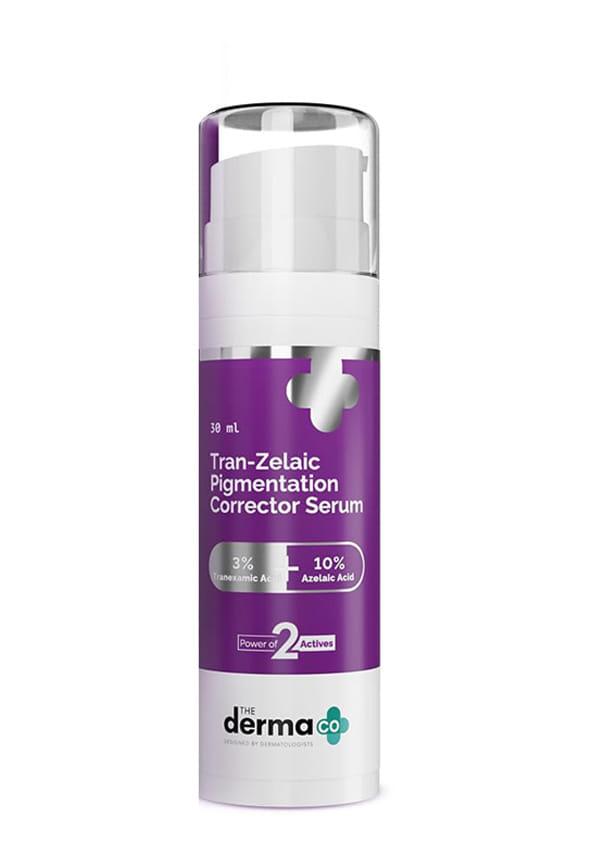
Tran-Zelaic Pigmentation Corrector Serum with Tranexamic Acid & Azelaic Acid
Dark patches around your mouth can feel like they appeared overnight, but the good news is that effective treatment for pigmentation around mouth is totally achievable. Whether you're dealing with stubborn spots from hormonal changes, irritation from lip products, or just general uneven skin tone, there are proven ways to tackle this common concern. Most people start seeing visible improvements within 6-8 weeks of consistent treatment, so patience and the right approach are your best friends here.
Understanding the root cause is half the battle when it comes to treating perioral hyperpigmentation. Your mouth area is surprisingly sensitive, and several factors can trigger those annoying dark patches that seem to stick around forever.
Hormonal fluctuations are major culprits behind mouth discoloration. Pregnancy, PCOS, and even your monthly cycle can trigger melasma-like pigmentation around your lips. This type of hyperpigmentation near lips often appears symmetrically and can be particularly stubborn to treat.
Daily habits you might not even think about can cause dark skin around mouth. Constant lip licking, aggressive waxing or threading, and even using harsh lip scrubs can irritate the delicate skin and trigger pigmentation as your skin tries to protect itself.
Sometimes pigmentation on upper lip areas signals underlying health issues. Acanthosis nigricans, insulin resistance, and iron deficiency can all manifest as darkened skin around your mouth. If your pigmentation appeared suddenly or is spreading rapidly, it's worth checking with a doctor.
Sun exposure without proper protection, pollution, and certain medications can all contribute to uneven skin tone around mouth. Even your favourite lip balm might contain ingredients that make your skin more photosensitive, leading to increased pigmentation when exposed to UV rays.
When home remedies aren't cutting it, professional treatments can fast-track your journey to clearer skin. Dermatologists have several effective tools in their arsenal for treating perioral hyperpigmentation.
Gentle chemical peels using lactic acid or low-concentration glycolic acid can help speed up cell turnover and fade dark spots. These treatments are particularly effective for surface-level pigmentation and can be done every 2-4 weeks depending on your skin's tolerance.
Q-switched lasers and laser toning can target deeper pigmentation that topical treatments struggle to reach. These procedures work by breaking down melanin deposits, allowing your body to naturally clear them away. Most people need 3-6 sessions for optimal results.
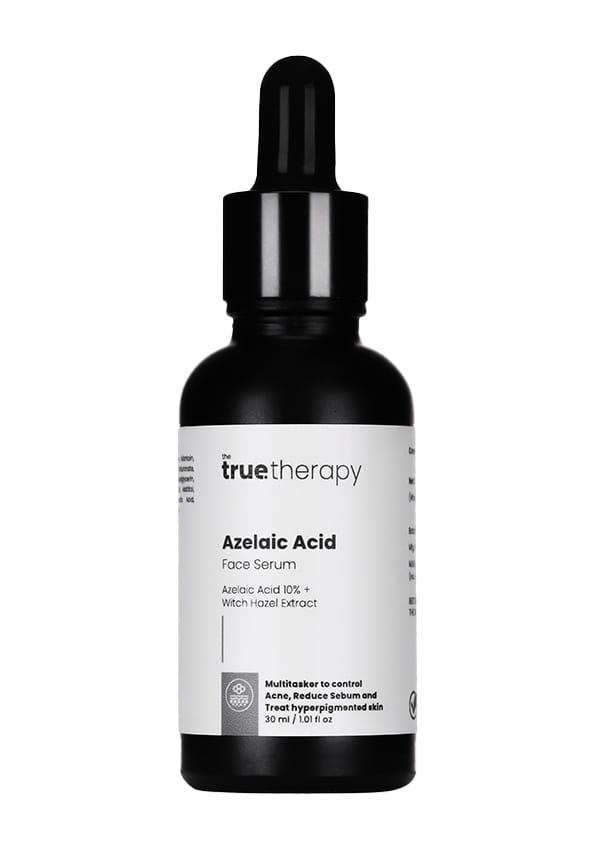
10% Azelaic Acid Face Serum
Dermatologist-prescribed hydroquinone, tretinoin, or combination formulations can be game-changers for stubborn hyperpigmentation near lips. These ingredients work at a cellular level to inhibit melanin production and accelerate skin renewal, but they require careful monitoring to avoid irritation.
You don't always need professional intervention to see real results. The right skincare routine can significantly improve how to lighten dark skin around mouth when used consistently and correctly.
A stable vitamin C serum can brighten existing pigmentation whilst protecting against future damage. Look for formulations with L-ascorbic acid or magnesium ascorbyl phosphate, and always apply in the morning under sunscreen.
This gentle ingredient reduces inflammation that can worsen pigmentation whilst helping to regulate melanin production. Niacinamide works well with other actives and is suitable for sensitive skin around the mouth area.
These natural melanin inhibitors can gradually fade dark spots without the irritation potential of stronger ingredients. They're particularly effective when used consistently over several months as part of your evening routine.
This multitasking ingredient gently exfoliates whilst reducing inflammation and inhibiting melanin production. It's particularly good for sensitive skin and can be used both morning and evening once your skin builds tolerance.
Whilst natural remedies work more slowly than clinical treatments, they can be effective for mild pigmentation and are gentler on sensitive skin. Always patch test before applying anything new to your face.
Mix a pinch of turmeric with raw honey to create an anti-inflammatory mask. The curcumin in turmeric can help inhibit melanin production whilst honey provides gentle hydration. Use this mask once or twice weekly, being careful not to stain your skin with too much turmeric.
Fresh aloe vera contains compounds that can help reduce melanin production whilst soothing irritated skin. Apply pure aloe gel to the affected area twice daily, leaving it on for 15-20 minutes before rinsing off.
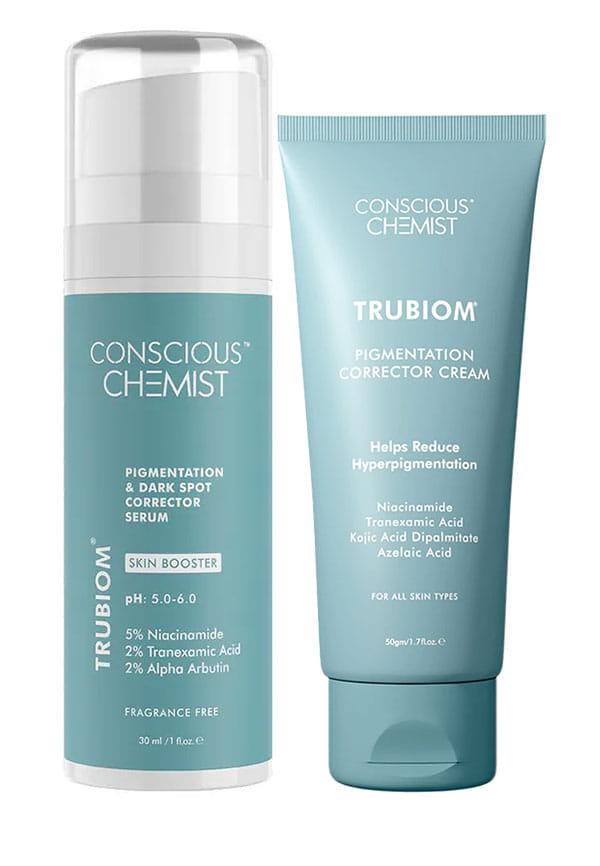
Niacinamide Serum + 1% Zinc & Pigmentation Corrector Moisturiser For Dark Spots Combo
Natural doesn't always mean safe, especially for the delicate perioral area. Avoid lemon juice, baking soda, or any harsh DIY scrubs that can actually worsen pigmentation by causing irritation. Stick to gentle, proven ingredients and be patient with results.
The best treatment for pigmentation around mouth is preventing it in the first place. A solid daily routine can stop new dark spots from forming whilst helping existing ones fade faster.
Daily SPF 30+ sunscreen with iron oxide is essential for preventing and treating skin lightening for perioral area concerns. Reapply every two hours, especially if you're eating or drinking throughout the day. Mineral sunscreens with zinc oxide are often gentler for sensitive mouth areas.
Stop the lip-licking habit and use a gentle, fragrance-free lip balm to prevent saliva from irritating the skin around your mouth. Choose products without potential irritants like menthol, camphor, or strong fragrances.
Layer your products correctly: cleanser, treatment serums, moisturiser, then sunscreen in the morning. In the evening, focus on gentle exfoliation and treatment ingredients. Always introduce new actives slowly to avoid irritation that can worsen uneven skin tone around mouth.
Sometimes professional help is necessary, especially if your pigmentation is severe, spreading rapidly, or not responding to consistent home treatment. Knowing when to seek expert advice can save you time and prevent potential complications.
See a dermatologist if your pigmentation appeared suddenly, is accompanied by itching or inflammation, or if you notice treatment for dark circles around mouth isn't improving after 8-12 weeks of consistent treatment. Rapidly changing pigmentation can sometimes indicate underlying health issues that need addressing.
A dermatologist will examine your skin, possibly using a Wood's lamp to assess pigmentation depth, and may recommend blood tests to rule out underlying conditions. They'll create a personalised treatment plan that might combine professional procedures with prescription topicals for optimal results.
Finding the right treatment approach often involves some trial and error, which is where platforms like Smytten become invaluable. As India's largest product discovery platform, Smytten lets you try mini-sized versions of over 1,500 trusted skincare brands before committing to full-size purchases. With curated trial packs available for just ₹249, you can explore different vitamin C serums, niacinamide treatments, and gentle exfoliants to see what works best for your specific pigmentation concerns.
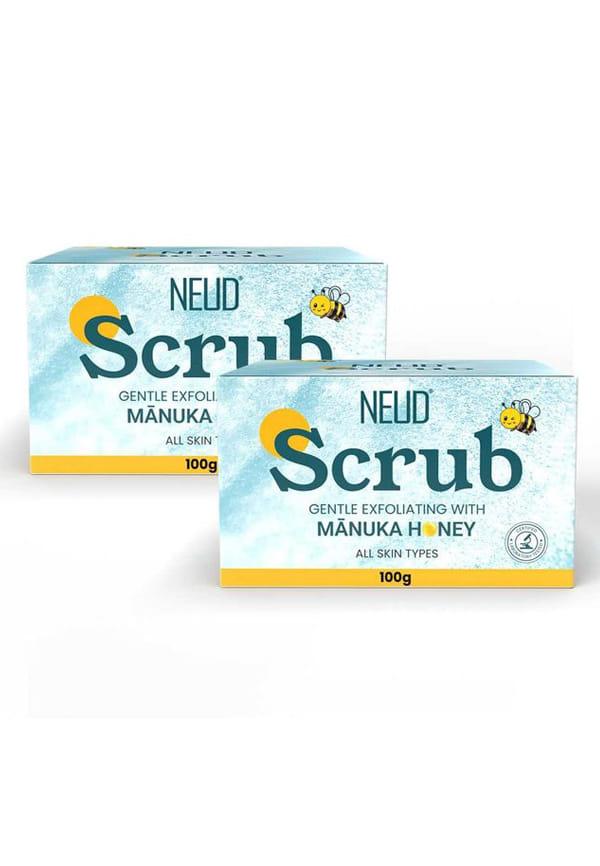
Gentle Exfoliating Scrub with Manuka Honey, Kojic Acid and Alpha Arbutin
Effective treatment combines consistent skincare with ingredients like vitamin C, niacinamide, and gentle exfoliants, plus daily sun protection. Professional treatments like chemical peels or laser therapy can accelerate results for stubborn pigmentation.
Look for products containing vitamin C, kojic acid, arbutin, or azelaic acid. Prescription options with hydroquinone or tretinoin are most effective for severe cases, but require dermatologist supervision.
Most people notice improvements within 6-8 weeks of consistent treatment. Deeper pigmentation may take 3-6 months to significantly fade, whilst professional treatments can show results in 4-6 weeks.
With proper treatment and prevention, you can achieve long-lasting results. However, maintenance with sun protection and gentle skincare is essential to prevent new pigmentation from forming.
Natural remedies like turmeric-honey masks and aloe vera can help mild pigmentation, but they work more slowly than clinical treatments. They're best used alongside proven skincare ingredients for comprehensive treatment.
Chemical peels typically range from ₹2,000-₹5,000 per session, whilst laser treatments can cost ₹5,000-₹15,000 per session. Most people need multiple sessions for optimal results.
Yes, colour-correcting concealer in peach or orange tones can neutralise dark spots, followed by your regular concealer and foundation. However, treating the underlying pigmentation is more effective long-term.
Avoid harsh scrubs, lemon juice, baking soda, and high-concentration acids that can irritate the sensitive perioral area. Also skip products with strong fragrances or essential oils that might trigger inflammation.
Treating pigmentation around your mouth requires patience, consistency, and the right approach for your specific situation. Whether you choose professional treatments, at-home skincare, or a combination of both, the key is understanding what's causing your pigmentation and addressing it systematically. Remember that prevention through daily sun protection and gentle skincare habits is just as important as treatment.
With Smytten's trial platform, you can explore different treatment options without the commitment of full-size purchases. From gentle vitamin C serums to targeted pigmentation treatments from brands like Dot & Key and Cetaphil, you can discover what works best for your skin. The platform's 100% cashback on trial minis makes it risk-free to experiment with different approaches until you find your perfect match. After all, why settle for maybe when you can try it all and find what actually works for your unique skin concerns?
