Tranexamic Acid vs Kojic Acid: Which is Best for Hyperpigmentation?


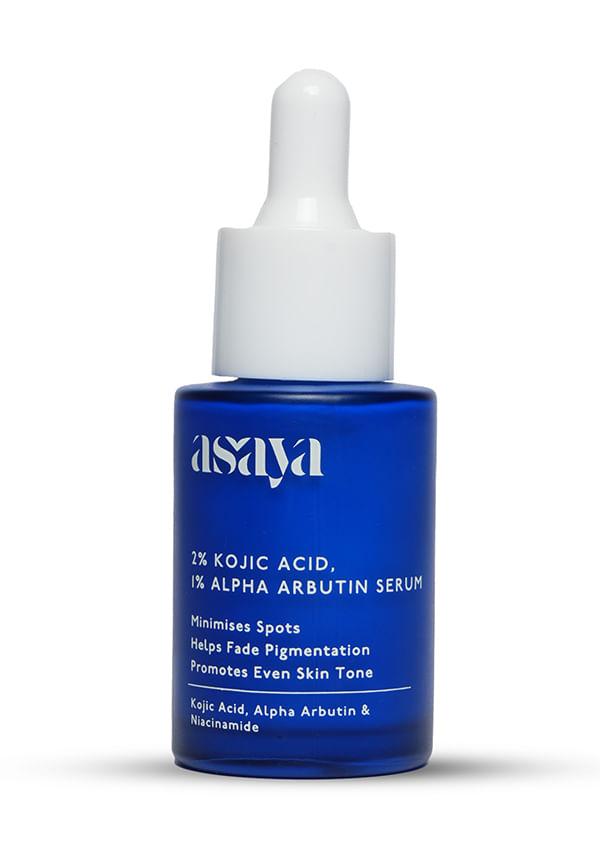
2% Kojic Acid & 1% Alpha Arbutin Face Serum
Good for Spots & Pigmentation
 5
5“Good serum for spots and pigmentation ”
Good for Spots & Pigmentation
5“Good serum for spots and pigmentation ”
Good for Spots & Pigmentation
5“Good serum for spots and pigmentation ”
Dealing with stubborn dark spots, melasma, or uneven skin tone? You're not alone. Hyperpigmentation affects millions, and finding the right treatment can feel like navigating a maze of confusing ingredients. Two powerhouse acids have been making waves in the skincare world: tranexamic acid and kojic acid. Both promise to tackle skin discoloration, but which one actually delivers? Let's break down this tranexamic acid vs kojic acid comparison to help you make the smartest choice for your skin.
Before diving into the acid showdown, let's get real about what we're actually fighting. Hyperpigmentation isn't just one thing—it's an umbrella term for various types of skin discoloration that can pop up for different reasons.
The main culprits include melasma (those symmetrical patches often triggered by hormones), post-inflammatory hyperpigmentation or PIH (dark marks left behind after acne or injury), and age spots (thanks, sun damage). Your skin produces melanin as a protective response to triggers like UV exposure, hormonal changes, inflammation, or even genetics playing their part.
Here's why this matters: different types of skin discoloration respond better to different treatments. Surface-level spots might fade with gentler approaches, whilst deeper, hormone-driven pigmentation like melasma needs more targeted intervention. Understanding your specific type of hyperpigmentation is key to choosing between tranexamic acid and kojic acid—or deciding if you need both.
Meet tranexamic acid, the relatively new kid on the block that's been quietly revolutionising hyperpigmentation treatment. Originally developed as a medication to reduce bleeding, researchers discovered its impressive ability to tackle stubborn pigmentation—particularly the hormone-driven kind.
Here's how it works: tranexamic acid blocks specific pathways in melanin production, essentially interrupting the conversation between your skin cells and the melanin-producing factories. Unlike surface-level treatments, it works deeper in the skin, making it particularly effective for persistent pigmentation that seems immune to other treatments.
The tranexamic acid benefits are pretty impressive. Clinical studies show it's particularly brilliant for melasma, with many users seeing significant improvement within 8-12 weeks. It's typically formulated at 2-5% concentration in skincare products, and the best part? It's generally well-tolerated across different skin types and tones. Research backs its effectiveness not just for treating existing pigmentation, but also for preventing new spots from forming—making it a smart long-term choice for skin brightening.
Kojic acid has been a skincare favourite for years, and for good reason. Derived from fungi (specifically, the same type used to make sake), this natural ingredient has a proven track record in the dark spot removal game.
The magic happens through tyrosinase inhibition—kojic acid essentially blocks the enzyme responsible for melanin production. It's like putting a gentle brake on your skin's pigment-making process. You'll typically find it in concentrations of 1-4% in skincare products, which is the sweet spot for effectiveness without excessive irritation.
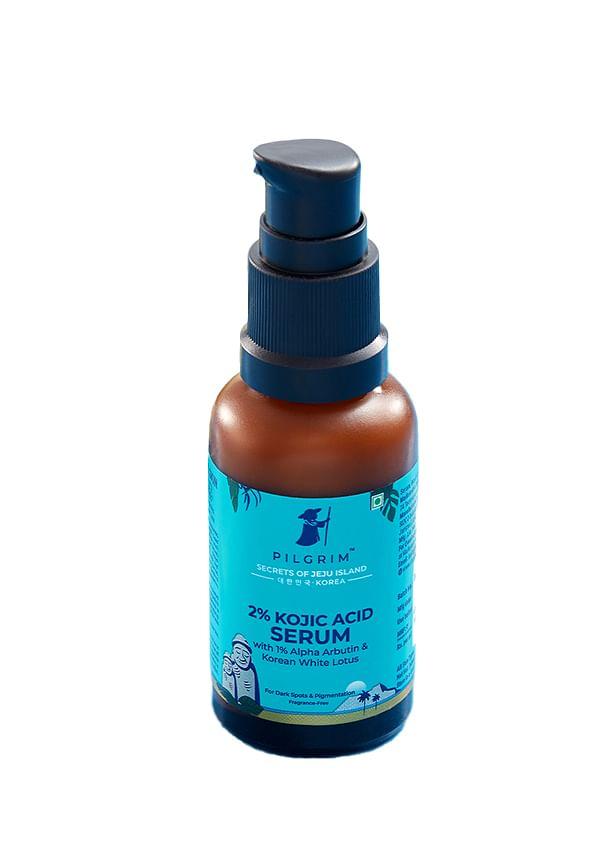
2% Kojic Acid Serum For Dark Spots & Pigmentation
Effective for Dark Spots and Skin Tone
5“This kojic acid product is very effective for reducing dark spots and uneven skin tone. It feels light on the skin and gives a clear, brightened look with regular use.”
Very Good Product
4“very very good product hai nice 👌”
Very Good Product
4“very very good product hai nice 👌”
The kojic acid benefits extend beyond just pigmentation. It offers antioxidant properties that help protect against environmental damage, and it's particularly effective for surface-level discoloration like sun spots and post-acne marks. Most people start seeing results within 4-8 weeks, making it a relatively quick-acting option for those wanting faster visible changes. Plus, it plays well with other brightening ingredients, making it a versatile addition to most skincare routines.
Now for the main event—how do these two acids actually stack up against each other? The answer isn't straightforward because they each have their strengths depending on what you're trying to achieve.
When it comes to melasma treatment, tranexamic acid takes the crown. Its ability to work deeper in the skin makes it particularly effective for hormone-driven pigmentation that often resists other treatments. Clinical studies consistently show superior results for melasma compared to other topical options.
For dark spot removal from sun damage or post-acne marks, kojic acid often wins on speed and surface-level effectiveness. It's brilliant at tackling those pesky spots that sit closer to the skin's surface, and you'll typically see results faster than with tranexamic acid.
Kojic acid generally delivers quicker initial results—you might notice improvements in 4-6 weeks. Tranexamic acid takes a bit longer to show its magic, usually requiring 8-12 weeks for significant changes. However, tranexamic acid often provides more sustained results and better prevention of new pigmentation formation.
Both acids are generally well-tolerated, but there are differences. Kojic acid can occasionally cause sensitivity or contact dermatitis in some users, particularly at higher concentrations. Tranexamic acid tends to be gentler overall, with fewer reported side effects. Neither significantly increases photosensitivity, but sun protection remains crucial when treating any pigmentation.
Here's where things get interesting—you don't necessarily have to choose just one. Many skincare enthusiasts are discovering the benefits of kojic acid and tranexamic acid serum combinations that tackle pigmentation from multiple angles.
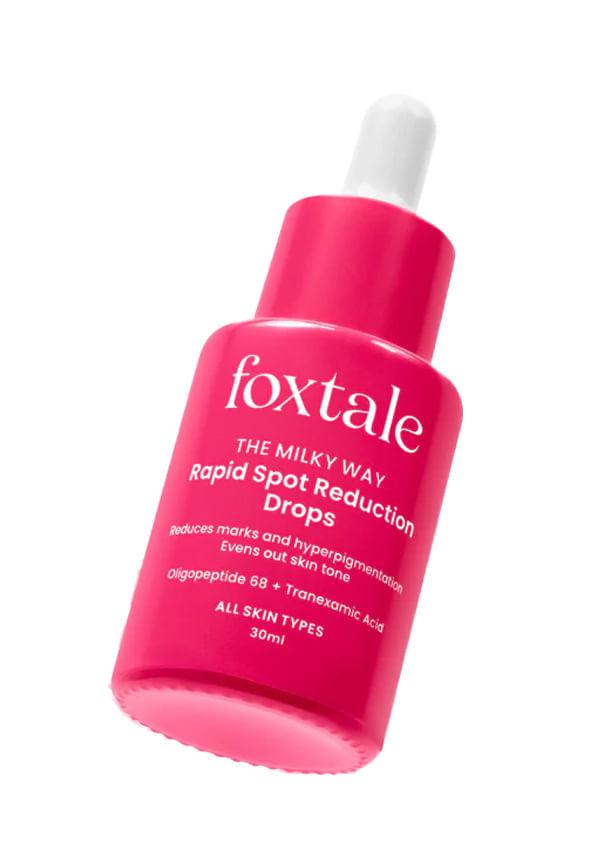
3% Tranexamic Acid & Peptide Serum for Hyperpigmentation, Reduces Marks
Good Smelling & Lightweight
5“good smelling light weight good”
Nice Product, Milk Texture
4“very nice product its like an milk texture”
Good on Skin
5“this Serum is very good on skin”
Using both acids together can create a synergistic effect. Kojic acid works on surface-level pigmentation whilst tranexamic acid targets deeper, more stubborn discoloration. The key is proper application—start with lower concentrations of each and gradually build tolerance.
When layering these ingredients, apply the thinner consistency product first (usually tranexamic acid serums), followed by kojic acid products. Both play nicely with other brightening ingredients like niacinamide, alpha arbutin, and azelaic acid. However, avoid mixing with strong exfoliating acids like glycolic or salicylic acid initially, as this can increase irritation risk. A typical routine might include tranexamic acid in the morning and kojic acid in the evening, or alternating days until your skin builds tolerance.
The choice between these acids really comes down to your specific skin concerns and goals. Let's break it down by pigmentation type and skin considerations.
For melasma or hormone-related pigmentation, tranexamic acid is your best bet. Its deeper penetration and hormone-blocking properties make it uniquely effective for this stubborn type of discoloration that often frustrates users of other treatments.
If you're dealing with sun spots, age spots, or post-acne marks, kojic acid might be your faster route to results. Its surface-level action is perfect for these types of pigmentation, and you'll likely see improvements sooner.
For overall skin brightening and prevention, either can work, but tranexamic acid edges ahead for long-term benefits and preventing new pigmentation formation.
Sensitive skin types often tolerate tranexamic acid better, as it's generally less irritating than kojic acid. If you have reactive skin, start with tranexamic acid and introduce kojic acid gradually if needed.
For oily skin, kojic acid's slightly astringent properties can be beneficial, whilst dry skin types might prefer tranexamic acid's gentler approach. Both are considered safe for darker skin tones, but always patch test and start slowly to avoid post-inflammatory hyperpigmentation from irritation.
Pregnant and breastfeeding individuals should consult healthcare providers, though topical tranexamic acid is generally considered safer than many other pigmentation treatments during these periods.
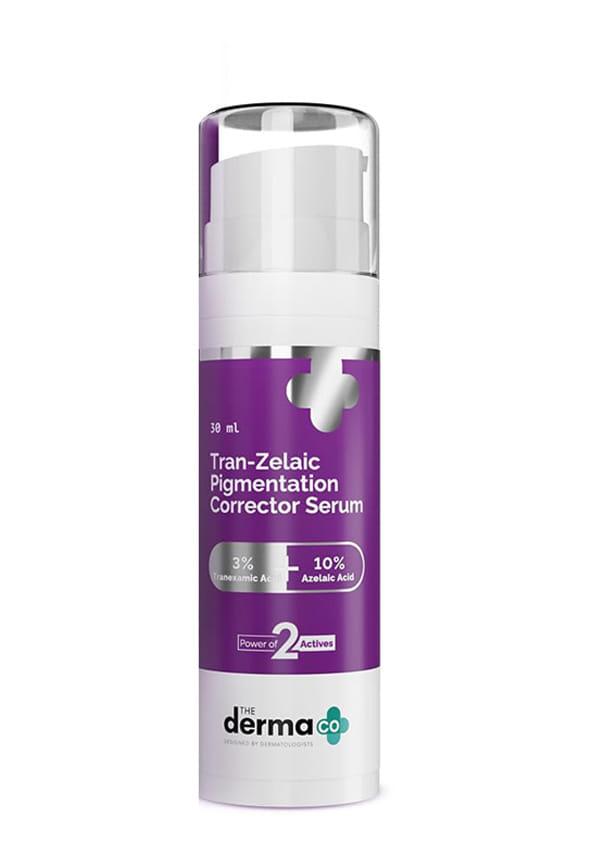
Tran-Zelaic Pigmentation Corrector Serum with Tranexamic Acid & Azelaic Acid
Light and Soothing on Skin
5“no heaviness, very soothing on skin”
Light and Soothing on Skin
5“no heaviness, very soothing on skin”
Light and Soothing on Skin
5“no heaviness, very soothing on skin”
The beauty of platforms like Smytten is that you can try different formulations without committing to full-size products. With trial packs from trusted brands, you can test how your skin responds to tranexamic acid or kojic acid products before investing in the full routine. This approach lets you discover what works best for your unique skin needs without the guesswork.
It depends on your specific pigmentation type and skin goals. Tranexamic acid is superior for melasma and deeper, hormone-driven pigmentation due to its ability to work at deeper skin levels. Kojic acid excels at surface-level spots and provides faster initial results for sun damage and post-acne marks.
For comprehensive pigmentation treatment, tranexamic acid often provides more sustained, long-term results, particularly for stubborn melasma. However, kojic acid delivers quicker visible improvements for surface-level discoloration. Many dermatologists recommend combination therapy for optimal results, using both ingredients to target different aspects of pigmentation.
The best acid depends on your specific type of hyperpigmentation. Tranexamic acid ranks highest for melasma and hormone-related pigmentation, whilst kojic acid excels for sun spots and post-inflammatory hyperpigmentation. Other effective options include azelaic acid, arbutin, and vitamin C, often used in combination for enhanced results.
Yes, you can safely combine tranexamic acid and kojic acid for enhanced pigmentation treatment. Start with lower concentrations and introduce one ingredient at a time to assess tolerance. Apply tranexamic acid first (thinner consistency), followed by kojic acid products. This combination approach targets both surface and deeper pigmentation for comprehensive results.
The tranexamic acid vs kojic acid comparison doesn't have a one-size-fits-all winner—both acids bring unique strengths to the pigmentation-fighting table. Tranexamic acid shines for deeper, stubborn pigmentation like melasma, offering sustained results and excellent prevention of new spots. Kojic acid delivers faster visible improvements for surface-level discoloration and works brilliantly for sun damage and post-acne marks.
The smartest approach? Consider your specific pigmentation type, skin sensitivity, and timeline expectations. Many users find success combining both acids for comprehensive treatment that tackles pigmentation from multiple angles. Remember, consistency is key with any hyperpigmentation treatment—results take time, but the payoff is worth it.
Whether you choose tranexamic acid, kojic acid, or both, Smytten makes it easy to explore different formulations without the commitment. With curated trial packs from over 1,500 trusted brands, you can discover which ingredients work best for your skin before investing in full-size products. After all, why settle for guesswork when you can Try It All and find your perfect pigmentation-fighting routine?
