Tranexamic Acid Long Term Use Safety: Your Questions Answered



Explore Anti-Odour Roll On For Men
You've been using tranexamic acid for months now, and your melasma has finally started fading. But then the questions creep in: Is this safe for long-term use? What if I need to take it for years? Your dermatologist mentioned it's generally well-tolerated, but you've read conflicting information online about extended use. Real talk – these concerns are completely valid, and you're not overthinking it. Understanding the safety profile of any ingredient you're putting in or on your body long-term is essential for making informed decisions about your skincare and health journey.
Tranexamic acid is a synthetic derivative of the amino acid lysine that works by inhibiting plasmin, an enzyme involved in breaking down blood clots. Originally developed as an antifibrinolytic agent to prevent excessive bleeding during surgery, it's now widely recognised for its ability to reduce hyperpigmentation and melasma when used topically or orally.
The mechanism behind its skin benefits lies in its ability to block the interaction between melanocytes (pigment-producing cells) and keratinocytes (skin cells). By interrupting this communication pathway, tranexamic acid helps prevent the overproduction of melanin that leads to dark spots and uneven skin tone. This dual action – both anti-bleeding and anti-pigmentation – makes it unique in the skincare world.
You'll find tranexamic acid available in several forms. Tranexamic acid topical formulations include serums, creams, and spot treatments that work directly on the skin's surface. Oral formulations are typically prescribed for more severe cases of melasma or when topical treatments haven't provided sufficient results. The tranexamic acid benefits extend beyond just pigmentation – many users notice improved overall skin clarity and reduced post-inflammatory hyperpigmentation from acne.
When it comes to tranexamic acid long term use safety, the research is reassuring for most people. Clinical studies examining extended use (typically defined as six months or longer) have consistently shown that tranexamic acid maintains its safety profile over time when used appropriately.
A comprehensive review of long-term studies reveals that the majority of patients tolerate extended tranexamic acid therapy well. In dermatological applications, particularly for tranexamic acid for melasma, studies following patients for 12-24 months showed sustained improvement in pigmentation with minimal adverse effects. The key finding is that serious side effects don't appear to increase significantly with longer duration of use, provided patients are properly screened and monitored.
However, it's worth noting that most safety data comes from oral use rather than topical applications. Tranexamic acid topical formulations generally carry even lower risk profiles since systemic absorption is minimal compared to oral administration. Real-world evidence from dermatology practices worldwide supports the safety of extended topical use, with many patients using tranexamic acid-containing products for years without significant issues.
The quality of life improvements documented in long-term studies are substantial. Patients report not just clearer skin, but increased confidence and reduced anxiety about their appearance. This psychological benefit often justifies continued use, especially when weighed against the relatively low risk profile.
Tranexamic acid skincare has revolutionised how we approach stubborn pigmentation issues. Unlike some ingredients that provide quick but temporary results, tranexamic acid works gradually to address the root cause of hyperpigmentation, making it particularly valuable for long-term skin health.
For tranexamic acid for melasma specifically, treatment protocols typically involve 3-6 months of consistent use before significant improvement becomes visible. Many dermatologists recommend maintenance therapy after initial treatment, which may involve reduced frequency or concentration to prevent recurrence. This approach has proven effective in clinical practice, with many patients maintaining clear skin for years.
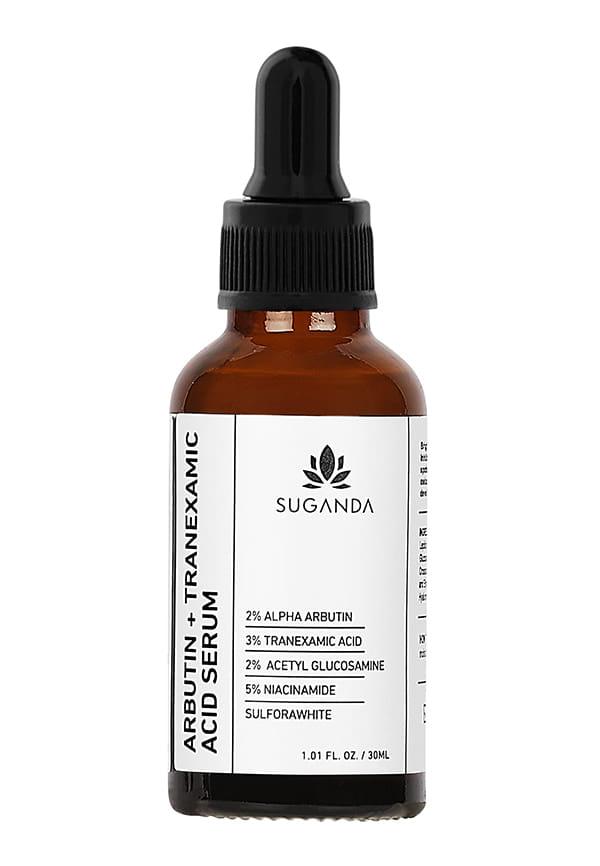
Arbutin + Tranexamic Acid Serum
The benefits of tranexamic acid for skin extend beyond melasma. Post-inflammatory hyperpigmentation from acne, sun damage, and age spots all respond well to tranexamic acid treatment. What makes it particularly appealing for long-term use is its gentle nature – unlike some acids that can cause irritation with extended use, tranexamic acid typically becomes better tolerated over time as the skin adjusts.
Once you've achieved your desired results, the question becomes: how long should you continue? Many dermatologists recommend a maintenance approach, using tranexamic acid 2-3 times per week rather than daily. This strategy helps prevent pigmentation from returning while minimising any potential for long-term effects.
While generally well-tolerated, tranexamic acid side effects can occur, and understanding them is crucial for safe long-term use. The most commonly reported side effects include mild gastrointestinal upset when taken orally, and occasional skin irritation with topical formulations.
The primary concern with extended use relates to tranexamic acid risks associated with its anti-clotting properties. Since tranexamic acid affects blood clotting mechanisms, there's theoretical concern about thromboembolic events (blood clots) with long-term oral use. However, this risk appears to be very low in healthy individuals using standard dermatological doses.
For topical use, the risk profile is even more favourable. Systemic absorption of tranexamic acid topical formulations is minimal, making blood clotting concerns largely irrelevant. The most common issues with topical use are localised skin reactions, which typically resolve with reduced frequency of application or temporary discontinuation.
Long-term monitoring should include attention to any unusual bleeding or bruising, particularly if you're using oral formulations. Some practitioners recommend periodic blood tests to monitor kidney and liver function, though this is more precautionary than evidence-based for dermatological uses.
Signs that warrant stopping tranexamic acid include persistent skin irritation that doesn't improve with reduced use, any unusual bleeding or clotting symptoms, or development of new health conditions that might interact with the treatment.
Understanding tranexamic acid contraindications is essential before starting any long-term regimen. Certain individuals should exercise particular caution or avoid extended use altogether.
People with a history of blood clots, including deep vein thrombosis or pulmonary embolism, should generally avoid oral tranexamic acid. Similarly, those with inherited clotting disorders or taking anticoagulant medications need careful medical supervision if considering tranexamic acid therapy.
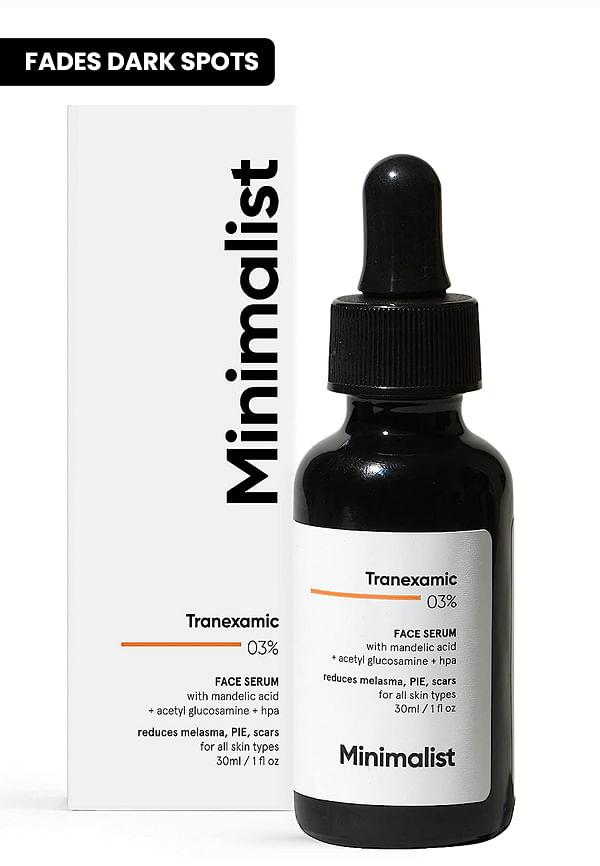
3% Tranexamic Acid Face Serum
Pregnancy and breastfeeding represent important considerations. While topical use is generally considered safer, oral tranexamic acid should be avoided during pregnancy unless specifically prescribed by a healthcare provider for a medical indication. The effects on breastfeeding aren't fully established, so caution is advised.
Kidney disease can affect how tranexamic acid is processed by the body, potentially leading to accumulation with long-term use. People with significant kidney impairment may need dose adjustments or alternative treatments.
Older adults may be at higher baseline risk for clotting events, making careful risk-benefit assessment important. However, age alone isn't a contraindication to use, particularly for topical formulations.
Tranexamic acid dosage for long-term use requires careful consideration of both effectiveness and safety. For oral use in dermatological applications, typical doses range from 250-500mg twice daily, though some protocols use lower maintenance doses after initial treatment.
Topical formulations vary widely in concentration, typically ranging from 2-5% in over-the-counter products. Professional treatments may use higher concentrations, but these are usually applied less frequently and under medical supervision.
Monitoring protocols for extended use should include regular check-ins with your healthcare provider, particularly if using oral formulations. While routine blood tests aren't always necessary for healthy individuals using standard doses, they may be recommended for those with risk factors or using higher doses.
The key to safe long-term use is starting with the lowest effective dose and adjusting based on response and tolerance. Many people find they can reduce frequency or concentration once their pigmentation improves, maintaining results with less frequent application.
During long-term use, watch for unusual bleeding, persistent bruising, leg pain or swelling, shortness of breath, or chest pain. While these symptoms are rare with dermatological use, they warrant immediate medical evaluation.

Elixir, Explore, Intense & Virtue Perfume Gift Set
Yes, tranexamic acid can be used long-term for many people, particularly in topical formulations. Clinical evidence supports extended use for conditions like melasma, with many patients using it safely for years. The key is proper screening, appropriate dosing, and regular monitoring. Topical formulations carry lower risk than oral use due to minimal systemic absorption.
The duration depends on your specific condition and response to treatment. For melasma, initial treatment typically lasts 3-6 months, followed by maintenance therapy that can continue indefinitely if well-tolerated. Some people use topical tranexamic acid for years without issues. Your healthcare provider can help determine the appropriate duration based on your individual circumstances and treatment goals.
No, tranexamic acid isn't suitable for everyone. People with history of blood clots, certain inherited bleeding disorders, severe kidney disease, or those taking specific medications should avoid or use it with caution. Pregnant and breastfeeding women should consult healthcare providers before use. Most healthy individuals can use topical formulations safely, but oral use requires more careful consideration.
Tranexamic acid alternatives include hydroquinone, kojic acid, arbutin, vitamin C, and retinoids for pigmentation concerns. Chemical peels, laser treatments, and IPL offer procedural alternatives. The choice depends on your specific skin concerns, tolerance, and treatment goals. Many people combine treatments or rotate between different options to maintain results while minimising long-term exposure to any single ingredient.
Long-term topical use of tranexamic acid generally doesn't cause adverse skin changes. Unlike some ingredients that can thin the skin or cause rebound pigmentation, tranexamic acid typically maintains its benefits without negative structural changes. Some users report improved overall skin texture and clarity with extended use, though individual responses vary.
Yes, you can typically stop tranexamic acid without tapering, as it doesn't cause physical dependence. However, pigmentation concerns may gradually return after discontinuation, particularly melasma. Many dermatologists recommend transitioning to maintenance therapy rather than stopping abruptly to preserve results achieved during treatment.
The evidence strongly supports that tranexamic acid long term use safety is favourable for most people, particularly when using topical formulations. The key to successful long-term use lies in proper patient selection, appropriate dosing, and regular monitoring. While concerns about extended use are understandable, the research shows that serious adverse effects are rare when tranexamic acid is used appropriately.
For those dealing with persistent pigmentation issues, tranexamic acid offers a valuable long-term solution that addresses the root cause rather than just masking symptoms. The gradual, sustained improvement it provides often justifies extended use, especially when weighed against the relatively low risk profile.
If you're considering long-term tranexamic acid use, the most important step is consulting with a qualified healthcare provider who can assess your individual risk factors and treatment goals. They can help you develop a monitoring plan and adjust your regimen as needed to ensure both safety and effectiveness.
For those exploring tranexamic acid products, platforms like Smytten offer access to curated skincare options from trusted brands, allowing you to discover formulations that work best for your skin. With over 28 million users finding their perfect products through trial and discovery, you can explore tranexamic acid-containing formulations with confidence before committing to full-size purchases.
