Tranexamic Acid & Exfoliating Acids: Your Safety FAQ


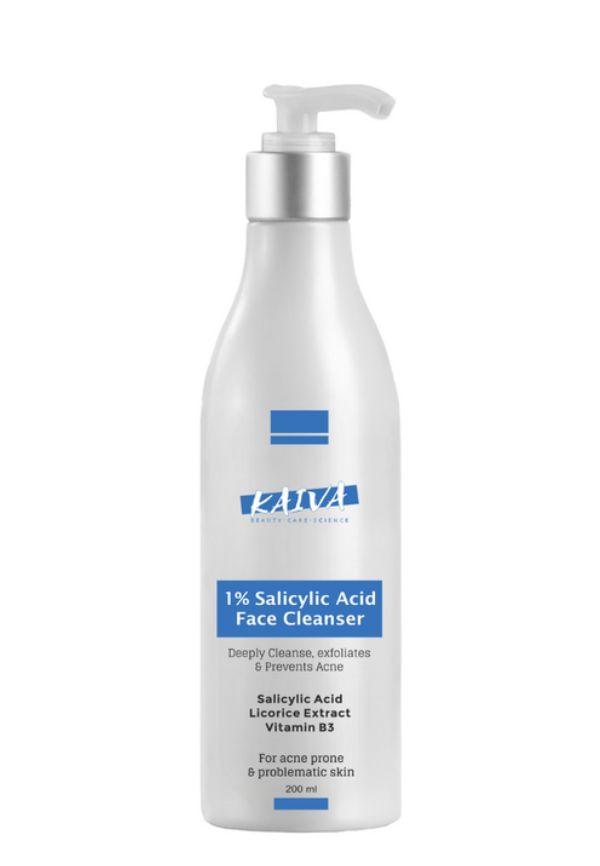
Salicylic Acid Face Wash with Glycolic Acid, Niacinamide & Licorice Extracts
You've been reading about tranexamic acid everywhere lately, and now you're wondering if you can use it alongside your favourite exfoliating acids. Maybe you're dealing with stubborn dark spots that won't budge, or perhaps your dermat mentioned tranexamic acid for melasma but you're already committed to your glycolic acid routine. The good news? These ingredients can work beautifully together when you know the rules. Let's sort through the safety questions that keep popping up in your skincare research.
Here's where things get interesting: tranexamic acid isn't actually an exfoliating acid at all. Despite its name, it works completely differently from the AHAs and BHAs you might already know and love. While glycolic acid and salicylic acid work by removing dead skin cells and speeding up cell turnover, tranexamic acid takes a gentler approach to tackling pigmentation.
Tranexamic acid skincare products work by interrupting the communication between your skin cells and the melanin-producing cells called melanocytes. Think of it as turning down the volume on pigment production rather than scrubbing away what's already there. This anti-inflammatory approach makes it particularly effective for tranexamic acid for melasma and post-inflammatory hyperpigmentation that can flare up with too much irritation.
Unlike traditional exfoliating acids, tranexamic acid doesn't make your skin more sensitive to the sun. This is huge because it means you can use it during the day without the same photosensitivity concerns that come with glycolic or lactic acid. Your skin barrier stays intact, and you're not dealing with the increased vulnerability that comes with chemical exfoliation.
The short answer is yes, but like most things in skincare, it's all about the how and when. Chemical exfoliation safety becomes even more important when you're layering multiple active ingredients, but tranexamic acid's gentle nature actually makes it one of the easier actives to incorporate into an existing routine.
The key is understanding that while tranexamic acid won't increase your skin's sensitivity, your exfoliating acids still will. This means your AHA or BHA is still the ingredient calling the shots when it comes to timing, concentration, and frequency. You're essentially adding a pigmentation-fighting boost to your exfoliation routine, not creating a whole new category of risk.
Most people find success with an alternating approach when they're starting out. Use your exfoliating acids for skin renewal on Monday, Wednesday, and Friday evenings, then apply tranexamic acid on the off days. This gives your skin time to recover between exfoliation sessions while still getting consistent pigmentation support.
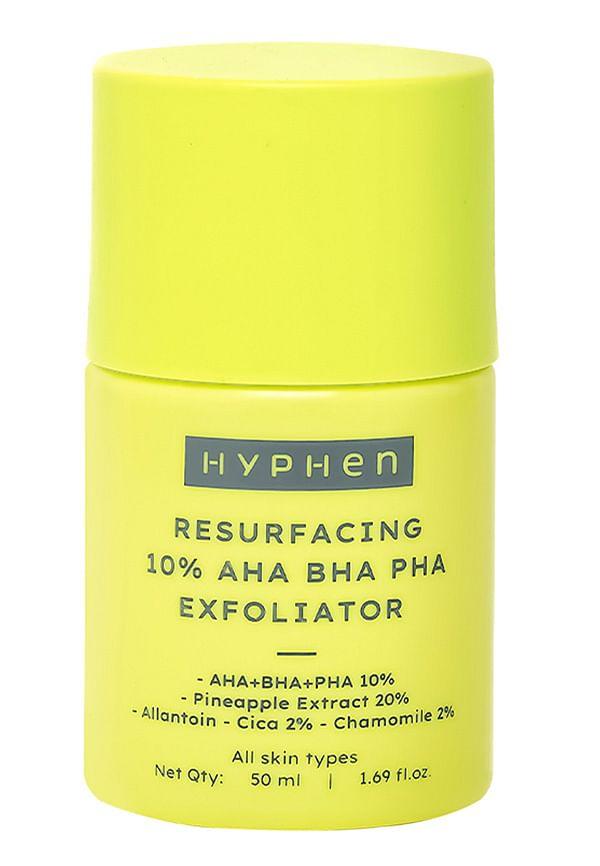
Resurfacing 10% AHA BHA PHA Exfoliator
If your skin handles acids well and you've been using them for months without irritation, you might be able to layer tranexamic acid with your exfoliants. Apply the exfoliating acid first, wait 10-15 minutes, then follow with your tranexamic acid product. Your skin will tell you if this is too much.
When you combine these ingredients thoughtfully, you're getting the best of both worlds. Your exfoliating acids benefits include faster cell turnover, improved texture, and the removal of pigmented dead skin cells sitting on the surface. Meanwhile, tranexamic acid works deeper to prevent new pigmentation from forming and calm inflammation that might trigger more dark spots.
This combination is particularly powerful for acids for hyperpigmentation because you're tackling the problem from multiple angles. The exfoliating acid clears the way for better product penetration while removing existing pigmented cells, and tranexamic acid ensures you're not creating new pigmentation through the irritation that can sometimes come with chemical exfoliation.
Most people start seeing improvements in skin texture from exfoliating acids within 2-4 weeks, while tranexamic acid's pigmentation benefits typically become noticeable around the 6-8 week mark. When used together, you might notice your dark spots fading more evenly and with less of the initial darkening that sometimes happens with acids alone.
While tranexamic acid is generally well-tolerated, combining it with exfoliating acids can occasionally lead to some issues you should watch for. The most common tranexamic acid side effects in combination routines include increased sensitivity, particularly if you're overdoing the exfoliation part of the equation.
Over-exfoliation becomes trickier to spot when you're using multiple actives because the symptoms can develop gradually. Watch for persistent redness, stinging with products that never bothered you before, or a feeling that your skin is constantly "raw" or tender. These are signs that your skin barrier needs a break from acids, even if the tranexamic acid itself isn't causing problems.
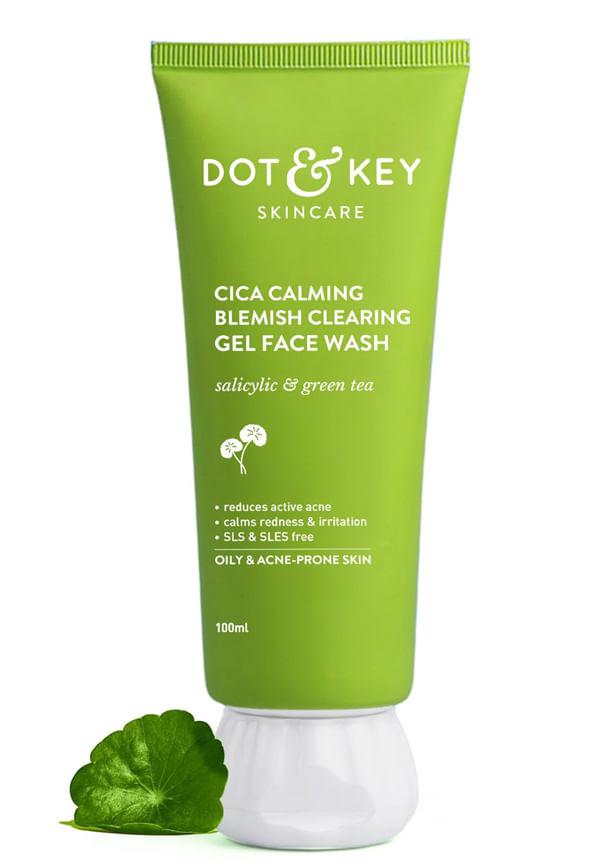
Cica 2% Salicylic Acid Face Wash For Oily, Acne Prone Skin, With Green Tea
If you notice increased breakouts, persistent flaking, or dark spots that seem to be getting darker rather than lighter, it's time to simplify your routine. Sometimes the combination of ingredients can trigger post-inflammatory hyperpigmentation, especially if your skin is getting irritated by too much exfoliation.
Creating a safe skin exfoliation routine with tranexamic acid starts with honest assessment of your current skin tolerance. If you're new to acids altogether, spend at least 4-6 weeks getting comfortable with your chosen exfoliant before adding tranexamic acid to the mix.
For your evening routine, start with freshly cleansed skin and apply your exfoliating acid first. Whether you're using glycolic, lactic, or salicylic acid, give it time to work before layering anything else on top. Wait 10-20 minutes, then apply your tranexamic acid product. Follow with a gentle moisturiser and save any heavier treatments for non-acid nights.
Your morning routine becomes simpler when you're using tranexamic acid and exfoliation together. Since you'll be using acids at night, mornings are for gentle cleansing, tranexamic acid (if your product is suitable for day use), moisturiser, and absolutely non-negotiable SPF. The sun protection becomes even more critical because your exfoliating acids are making your skin more photosensitive.
Start with lower concentrations of both ingredients. Look for tranexamic acid products in the 2-5% range and exfoliating acids under 10% for AHAs or 2% for BHAs. You can always work your way up, but you can't undo irritation once it happens.
Tranexamic acid plays well with most ingredients, but be cautious with high concentrations of vitamin C, particularly L-ascorbic acid, as the combination can sometimes cause irritation. Retinol is generally fine to use with tranexamic acid, but not on the same night as your exfoliating acids. The key is not overloading your skin with too many actives at once.
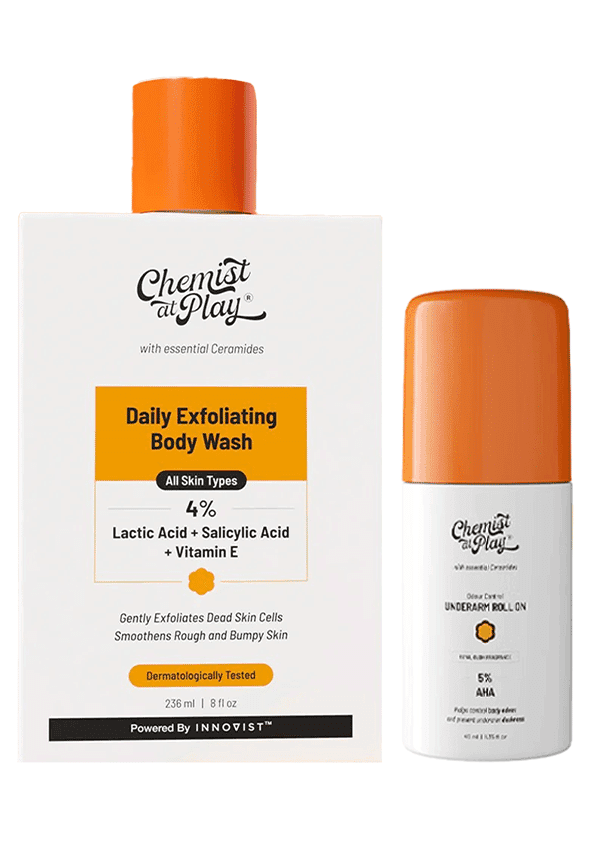
Exfoliating Body Wash With Ceramides & Underam Roll-On With 5% Latic Acid
No, tranexamic acid doesn't exfoliate your skin. This is a common misconception because of the word "acid" in its name. Tranexamic acid works by reducing inflammation and interrupting the pigmentation process, not by removing dead skin cells like true exfoliating acids do.
Yes, tranexamic acid has an excellent safety profile in topical skincare products. It's been used in medical settings for decades and is considered one of the gentler options for addressing hyperpigmentation. Unlike some other brightening ingredients, it doesn't increase photosensitivity and is suitable for long-term use.
Both AHA and BHA can be safely combined with tranexamic acid when introduced gradually and used thoughtfully. Start by alternating days, then consider layering if your skin tolerates the combination well. Always use AHA or BHA first, followed by tranexamic acid after a waiting period.
Most people notice improvements in pigmentation after 6-12 weeks of consistent use. When combined with exfoliating acids, you might see faster results because the acids help with product penetration and remove pigmented surface cells more quickly.
Yes, unlike exfoliating acids, tranexamic acid doesn't increase sun sensitivity and can be used during the day. However, if you're using it alongside exfoliating acids in your routine, you'll still need to be extra diligent about sun protection due to the photosensitising effects of the acids.
Combining tranexamic acid with exfoliating acids can be a powerful approach to tackling stubborn pigmentation, but success lies in respecting both ingredients and your skin's limits. Start slowly, listen to your skin, and remember that consistency matters more than intensity when it comes to seeing real results.
The beauty of this combination is that you're addressing pigmentation from multiple angles without the harsh side effects that can come with some traditional brightening ingredients. Your exfoliating acids clear the path and speed up cell turnover, while tranexamic acid works to prevent new dark spots from forming.
If you're curious about trying products with these ingredients but want to test them before committing to full sizes, Smytten's curated selection includes various tranexamic acid skincare and exfoliating acid options from trusted brands. With over 28 million users discovering their perfect products through trial sizes, it's a smart way to find what works for your skin before investing in the full routine.
