Toner Before or After Serum in Routine: Your Questions Answered

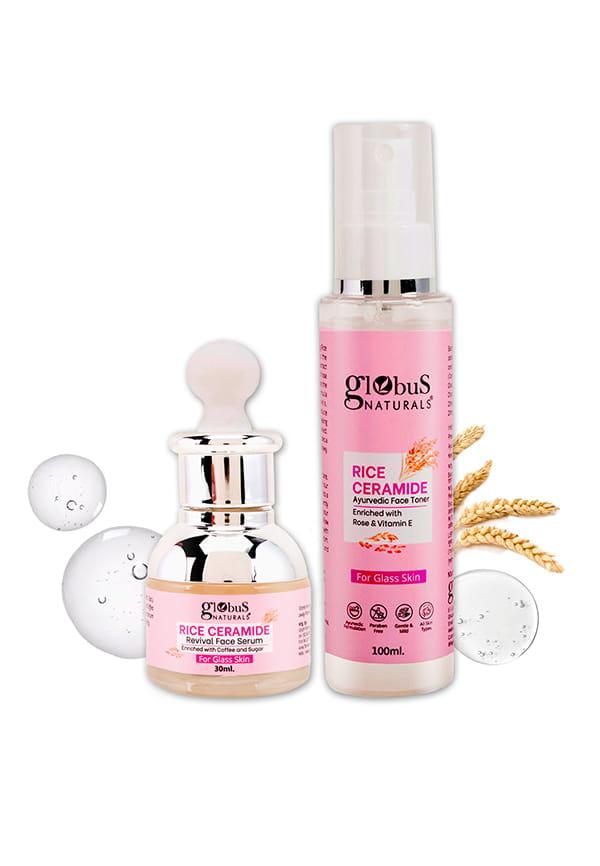
Ceramide Glow Rice Radiance Combo - Serum, Toner
Wonderful Fragrance and Skin Benefits
 5
5“excellent fragrance smoothens and clears skin good ingredients 😊👍”
Excellent Kit
5“amazing kit both the product works too good.”
Picture this: you're standing in your bathroom, holding both a toner and serum, wondering which one goes first. You're not alone in this skincare puzzle. The order you apply your products can make or break your routine's effectiveness, and getting the toner-serum sequence wrong might mean your expensive serums aren't working as hard as they could. Whether you're dealing with stubborn dehydration, post-breakout marks, or just want that coveted glass-skin glow, understanding the science behind skincare layering is your ticket to better results. At Smytten, we see this question pop up constantly from users exploring different toners and serums through our trial packs, and honestly, it's one of the most important fundamentals to get right in your skincare journey.
TL;DR
Always apply toner before serum - this order maximises product absorption and effectiveness
The "thinnest to thickest" rule governs skincare layering, with toner's watery consistency going first
Wait 30-60 seconds between toner and serum application for optimal absorption
This sequence works for all skin types - oily, dry, combination, and sensitive skin all benefit from proper layering
Skipping toner won't ruin your routine, but using it first helps your serum work better
Your skin is remarkably clever, but it needs a bit of guidance when it comes to absorbing multiple products. The golden rule of skincare layering isn't just beauty industry marketing - it's rooted in actual science about how different molecular weights penetrate your skin barrier. Dermatologists often highlight that principles like pH balancing and molecular weight are key to understanding effective skincare layering.
Think of your skin like a sponge. When it's properly prepped and slightly damp, it can absorb subsequent products much more effectively. Toners, with their water-based, lightweight formulas, create this optimal environment. They balance your skin's pH after cleansing (which can temporarily disrupt it) and provide that crucial first layer of hydration that helps everything else sink in better.
Molecular weight plays a huge role here. Toners typically contain smaller molecules that can penetrate quickly, whilst serums often have larger, more complex molecules that need a clear path to your skin. When you apply serum first, you're essentially creating a barrier that prevents your toner from doing its job properly. It's like trying to water a plant through a plastic sheet - some might get through, but you're not maximising the benefits.
Before we dive deeper into the application order, let's clear up what these products actually do. Many people use the terms interchangeably, but toners and serums serve very different purposes in your skincare routine.
Modern toners are nothing like the harsh, alcohol-laden formulas your mum might remember. Today's toners are hydrating, pH-balancing heroes that prep your skin for everything that follows. They remove any last traces of cleanser, balance your skin's natural pH, and provide that first essential layer of hydration.
Hydrating toners, like the Plum CeraSense Milky Toner with Ceramides & Peptides, focus on barrier repair and moisture retention. Meanwhile, exfoliating toners containing AHAs or BHAs gently resurface your skin whilst providing hydration. The key is that all good toners create an optimal environment for your subsequent products to work more effectively.
Serums are your skincare workhorses - concentrated treatments packed with active ingredients targeting specific concerns. Whether you're using a vitamin C serum for brightening, niacinamide for oil control, or hyaluronic acid for hydration, serums deliver potent ingredients in high concentrations.
The molecular structure of serums is typically more complex than toners. They're designed to penetrate deeply and work on specific skin concerns over time. This is why they need that perfectly prepped canvas that only a good toner can provide.
Here's the definitive answer: toner always goes before serum. This isn't just tradition - it's the most effective way to ensure both products can do their jobs properly.
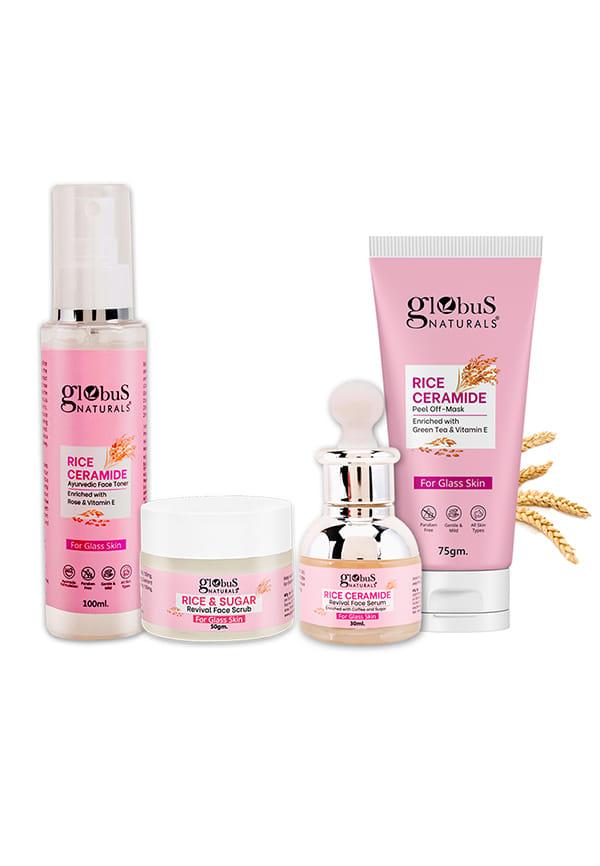
Ceramide Glow Rice Radiance Combo - Serum, Toner, Scrub, Peel Off Mask
Getting the technique right is just as important as getting the order right. Here's how to apply toner and serum for maximum effectiveness:
Cleanse thoroughly - Start with clean skin, whether that's a gentle morning cleanse or your evening double-cleanse routine
Apply toner - Use gentle patting motions or a cotton pad, covering your entire face and neck
Wait 30-60 seconds - This allows the toner to fully absorb and prep your skin
Apply serum - Use gentle pressing motions to help the serum absorb
Follow with moisturiser and SPF - Complete your routine with appropriate hydration and protection
When you apply toner first, you're essentially creating the perfect environment for your serum to penetrate effectively. The toner balances your skin's pH, provides initial hydration, and removes any residual impurities that might interfere with serum absorption.
Think of it like priming a wall before painting. You could skip the primer and apply paint directly, but the results won't be as smooth, long-lasting, or vibrant. Your serum is the paint, and your toner is the primer - both are important, but the order matters enormously.
Understanding where toner and serum fit into your complete routine helps you build a more effective skincare regimen. The key is following the "thinnest to thickest" rule whilst considering the specific needs of morning versus evening routines.
Your morning routine should focus on protection and hydration to prep your skin for the day ahead:
Gentle cleanser - Remove overnight buildup without stripping your skin
Toner - Balance pH and provide initial hydration
Vitamin C serum - Antioxidant protection and brightening
Eye cream - Targeted care for the delicate eye area
Moisturiser - Lock in hydration and create a protective barrier
SPF - Non-negotiable sun protection
Makeup (optional) - If you wear it, this goes last
Evening routines can be more intensive, focusing on repair and treatment:
Oil cleanser - Remove makeup and sunscreen thoroughly
Water-based cleanser - Complete the double-cleanse process
Toner - Restore pH balance after cleansing
Treatment serum - Retinol, niacinamide, or other targeted treatments
Eye cream - Richer formulas work well overnight
Night moisturiser - Typically heavier than morning formulas
Face oil (optional) - For extra nourishment, especially in dry weather
Whilst the toner-before-serum rule applies universally, the specific products you choose and how you apply them can vary based on your skin type and concerns. For instance, when customising your routine, consider toners with ceramides, peptides, or AHAs for different skin types.
If you're dealing with excess oil and breakouts, look for toners with gentle exfoliating properties. The Plum 3% Niacinamide Toner with Rice Water is excellent for oil control and pore refinement. Follow with a lightweight, non-comedogenic serum containing niacinamide or salicylic acid.
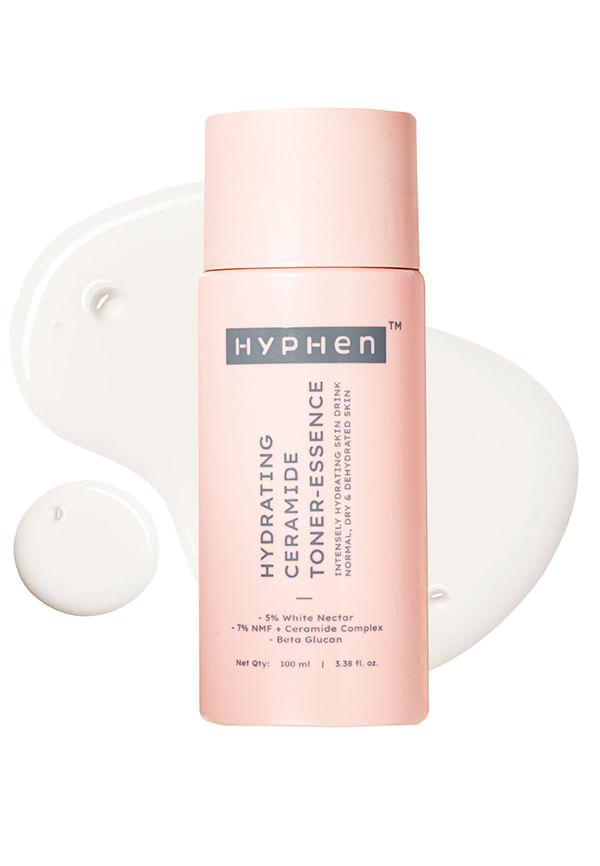
7% Ceramides-NMF Face Toner Essence | 5% Glass Skin Blend with Rice Water
Favourite Product Ever!!!
5“My favourite product ever!!! Thank you hypen🫠”
Skin feels plum, soft & not sticky
4“My skin become very plum and soft after i apply it and its not sticky”
Favourite Product Ever!!!
5“My favourite product ever!!! Thank you hypen🫠”
For oily skin, you might want to use slightly less product and ensure each layer is fully absorbed before applying the next. The goal is hydration without heaviness.
Dry skin benefits enormously from the toner-serum layering approach. Look for hydrating toners with ingredients like hyaluronic acid, glycerin, or ceramides. The Dot & Key Blueberry Hydrate Barrier Repair Milky Toner Essence provides excellent barrier support for dry skin types.
Follow with a hydrating serum containing hyaluronic acid or peptides. Don't be afraid to use generous amounts - dry skin can handle and needs more product than oily skin types.
Sensitive skin requires extra care in both product selection and application technique. Choose alcohol-free, fragrance-free toners with soothing ingredients like aloe vera or chamomile. Apply products with gentle patting motions rather than rubbing, and always patch test new products first.
The waiting time between toner and serum application is especially important for sensitive skin - it prevents overwhelming your skin with too many products at once.
Even when you know the correct order, there are several common mistakes that can reduce the effectiveness of your routine. Understanding these pitfalls helps you get the most from your products.
One of the biggest mistakes is using too much product. A few drops of serum and a small amount of toner are usually sufficient - more isn't always better and can actually prevent proper absorption. Another common error is not waiting between application steps. Your skin needs time to absorb each product properly.
Mixing incompatible ingredients is another concern. For example, using a vitamin C serum immediately after an AHA toner can cause irritation. When in doubt, separate potentially reactive ingredients into different routines (morning vs evening) or alternate days.
Dermatologists consistently recommend the toner-first approach because it optimises product penetration and reduces the risk of irritation. They also emphasise the importance of consistency - it's better to use a simple routine regularly than a complex one sporadically.
Professional advice also highlights the importance of listening to your skin. If a particular combination causes irritation, even when applied in the correct order, it's worth reassessing your product choices or consulting a skincare professional.
Skin Type | Recommended Toner | Recommended Serum | Key Ingredients | Price Range |
|---|---|---|---|---|
Oily/Acne-Prone | Plum 3% Niacinamide Toner | Niacinamide Serum | Niacinamide, Rice Water, Salicylic Acid | ₹300-800 |
Dry/Dehydrated | Dot & Key Blueberry Toner | Hyaluronic Acid Serum | Hyaluronic Acid, Ceramides, Peptides | ₹400-1200 |
Combination | Plum CeraSense Milky Toner | Multi-Active Serum | Ceramides, Niacinamide, Glycerin | ₹350-900 |
Sensitive | Indus Valley Mint Water Toner | Gentle Hydrating Serum | Aloe Vera, Chamomile, Panthenol | ₹250-700 |
Mature/Anti-Ageing | Belif Moisturizing Bomb Toner | Retinol/Peptide Serum | Peptides, Retinol, Antioxidants | ₹800-2000 |
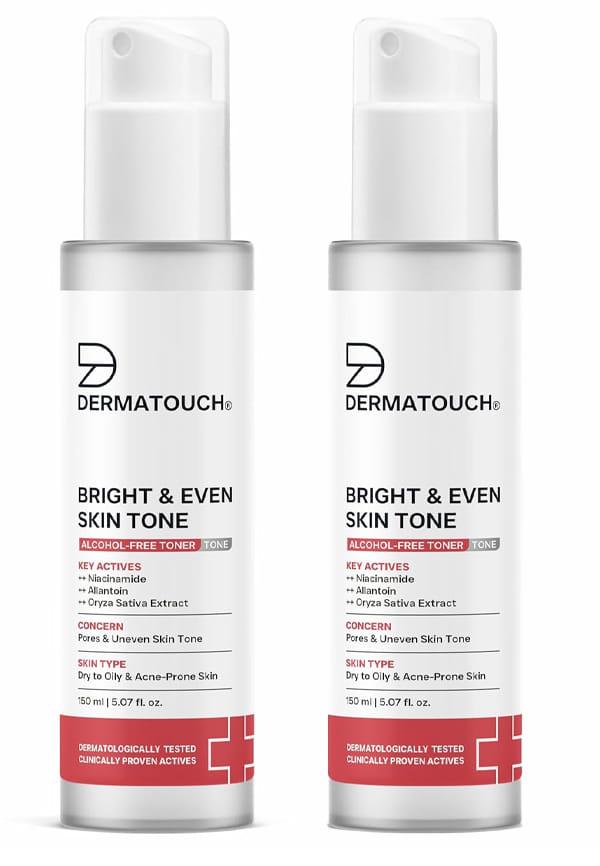
BRIGHT & EVEN SKIN TONE ALCOHOL FREE TONER with 3% Niacinamide
What should I apply first on my face, toner or serum? Always apply toner first, then serum. This order ensures optimal product absorption and effectiveness. The toner prepares your skin and creates the ideal environment for your serum to properly penetrate your skin.
Apply toner before serum. Following the "thinnest to thickest" rule, toner's lightweight, water-based formula should go first, followed by the more concentrated serum formula.
Wait 30-60 seconds for toner to fully absorb before applying serum. This timing allows the toner to prep your skin properly without creating a barrier that might interfere with serum absorption.
While you can skip toner, using it first optimises serum effectiveness and skin preparation. Toner helps balance pH, provides initial hydration, and creates better conditions for serum absorption.
Applying serum before toner can result in reduced absorption, potential product pilling, and decreased effectiveness of both products. The serum may create a barrier preventing the toner from reaching your skin properly.
Yes, you can use multiple serums after toner. Apply them from thinnest to thickest consistency, waiting 30-60 seconds between each application. However, be mindful of ingredient interactions and start slowly to avoid overwhelming your skin. Many users on Smytten trial different serum combinations to find what works best for their skin.
The toner-before-serum rule isn't just skincare dogma - it's a science-backed approach that maximises the effectiveness of both products. By applying toner first, you create optimal conditions for serum absorption whilst ensuring your skin gets the full benefits of both formulations.
Remember that consistency matters more than perfection. It's better to maintain a simple routine with proper layering than to constantly switch products or skip steps. Your skin responds best to gentle, consistent care that respects its natural barrier function.
Whether you're dealing with acne, dryness, signs of ageing, or just want to maintain healthy skin, the toner-serum sequence provides a solid foundation for any skincare routine. The key is choosing products suited to your skin type and concerns, then applying them in the correct order with proper timing between steps.
Understanding the proper order of toner and serum application is just the beginning of building an effective skincare routine. The real magic happens when you find the right products for your unique skin needs and use them consistently over time. Smytten is India's largest product discovery and trial platform, connecting consumers with top lifestyle, beauty, wellness, and grooming brands like Plum, Dot & Key, and many others featured in this guide. At its core, Smytten offers curated trial packs - mini-sized products from over 2,400 trusted brands, letting you explore and experience different toners and serums before committing to full-size purchases. Each mini is linked with Trial Points, and users can get up to 10 Trial Points for just ₹249, with 100% cashback on these minis redeemable for future orders. This makes discovering your perfect toner-serum combination both affordable and rewarding, because why settle for 'maybe' when you can #TryItAll!
