Tinted Sunscreen vs BB Cream for Indian Skin: FAQ


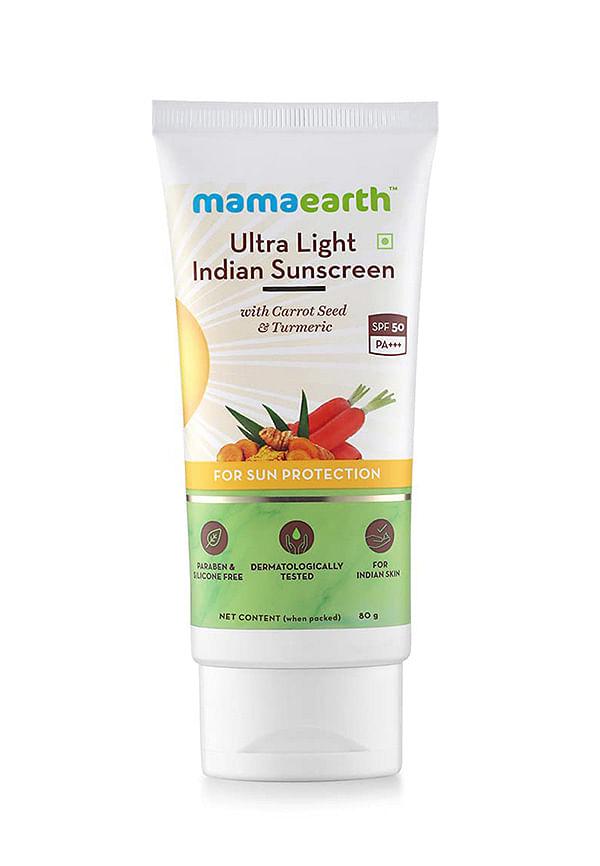
Ultra Light indian Sunscreen
You know that moment when you're standing in the skincare aisle, holding a tinted sunscreen in one hand and a BB cream in the other, wondering which one will actually work for your Indian skin? With our intense UV levels, humid summers, and year-round sun exposure, choosing the right face product isn't just about looking good—it's about protecting your skin from real damage. Whether you're dealing with melasma, post-acne marks, or simply want that effortless glow without the heavy makeup feel, understanding the difference between these two popular products can completely change your skincare game.
Let's start with what these products actually are, because the beauty industry loves to blur lines and create confusion. Both promise to simplify your routine, but they approach it from completely different angles.
Tinted sunscreen is essentially your regular sunscreen with a hint of colour added to blend seamlessly with your skin tone. The primary job here is sun protection—everything else is a bonus. Most tinted sunscreens contain zinc oxide or titanium dioxide as their main UV filters, often combined with iron oxides that give the tint and provide additional protection against visible light. You'll typically find SPF levels ranging from 30 to 50+, which is exactly what Indian skin needs given our high UV index. The coverage is sheer to light, designed to even out your skin tone rather than cover imperfections.
BB cream started as a post-procedure treatment in Germany but evolved into the multi-tasking product we know today. It's primarily a coverage product that happens to include some sun protection. Think of it as a tinted moisturiser's more sophisticated cousin—it typically offers medium coverage, skin-improving ingredients like niacinamide or hyaluronic acid, and SPF levels that usually range from 15 to 30. The focus is on creating a flawless base whilst providing some skincare benefits.
Now here's where it gets interesting for those of us dealing with Indian weather conditions and skin concerns. The differences aren't just cosmetic—they're practical.
This is where tinted sunscreen takes the crown for Indian skin. With SPF levels typically ranging from 30 to 50+, tinted sunscreens are formulated to handle serious sun exposure. India's UV index regularly hits 8-11 (very high to extreme), which means we need robust protection. Most tinted sunscreens also offer broad-spectrum protection against UVA, UVB, and increasingly, visible light—which is crucial for preventing melasma and hyperpigmentation. BB creams, on the other hand, usually max out at SPF 30, with many offering only SPF 15-25. Whilst this might suffice for a quick grocery run, it's simply not enough for Indian conditions, especially if you're commuting, spending time outdoors, or have concerns about dark spots.
Tinted sunscreens offer a more natural, "your skin but better" finish. They're designed to blend invisibly whilst providing that healthy glow we all want. The texture is typically lighter, which works beautifully in humid Indian weather where heavy products can feel suffocating. BB creams provide more substantial coverage—think medium rather than sheer. They're excellent for covering minor imperfections, redness, or post-acne marks. However, this extra coverage comes with a slightly heavier feel, which might not be ideal during monsoons or peak summer.
Both products often include skincare ingredients, but their focus differs. Tinted sunscreens might include antioxidants like vitamin C or E, plus hydrating ingredients like hyaluronic acid. The goal is to support your skin whilst protecting it. BB creams often pack more skincare punch—think peptides for anti-aging, niacinamide for oil control and pore appearance, or botanical extracts for soothing. They're designed to improve your skin over time whilst providing immediate coverage.
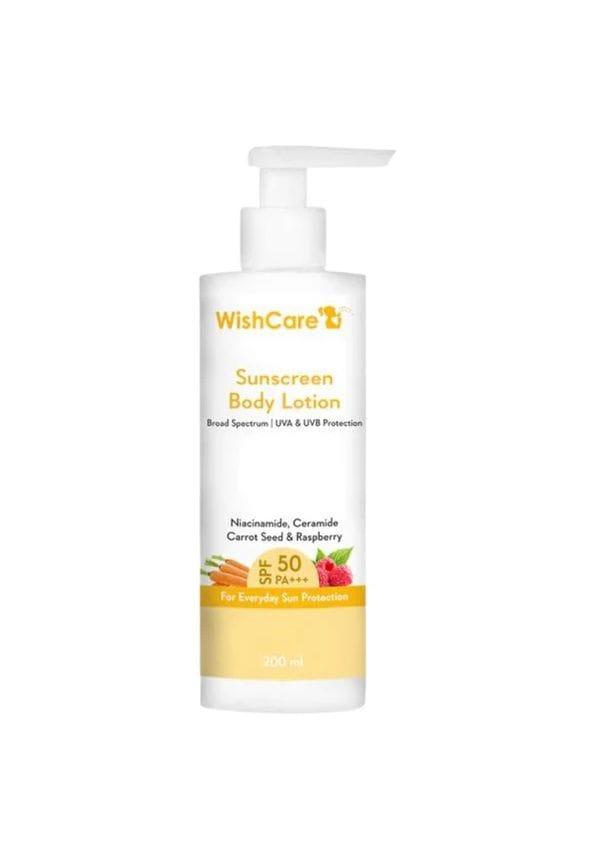
SPF50 Sunscreen Body Lotion - Broad Spectrum - UVA & UVB Protection
Your skin type should heavily influence your choice, especially considering India's diverse climate conditions.
If you're dealing with oily skin, tinted sunscreen is usually your best friend. The lighter formulation won't clog pores or add to the greasiness that many of us experience in humid weather. Look for formulations with zinc oxide, which has natural oil-absorbing properties, or added niacinamide for sebum control. The key is finding a formula that dries down to a natural, non-greasy finish—something that won't slide off during your commute or after a few hours in AC followed by outdoor heat.
Dry skin types might find BB creams more appealing due to their moisturising properties. Many BB creams contain hyaluronic acid, glycerin, or ceramides that provide lasting hydration. However, don't write off tinted sunscreens entirely—many newer formulations include hydrating ingredients and can work beautifully when layered over a good moisturiser.
For sensitive skin, mineral-based tinted sunscreens with zinc oxide and titanium dioxide are often gentler than chemical sunscreens or heavily fragranced BB creams. Always patch test new products, especially if you're prone to reactions. Look for formulations free from common irritants like fragrances, essential oils, or harsh preservatives.
This is where many people get confused, and honestly, the beauty industry doesn't help with conflicting advice.
Technically yes, but it's usually unnecessary and can lead to a heavy, cakey finish. If you do choose to layer, apply your tinted sunscreen first (it's your primary protection), wait for it to set completely, then apply BB cream sparingly only where you need extra coverage. However, for most people, choosing one product that meets your primary need—whether that's protection or coverage—works better.
For tinted sunscreen, apply it as you would regular sunscreen—generously and evenly. Don't skimp on quantity just because it has colour. For BB cream, a little goes a long way. Start with a small amount and build coverage only where needed.
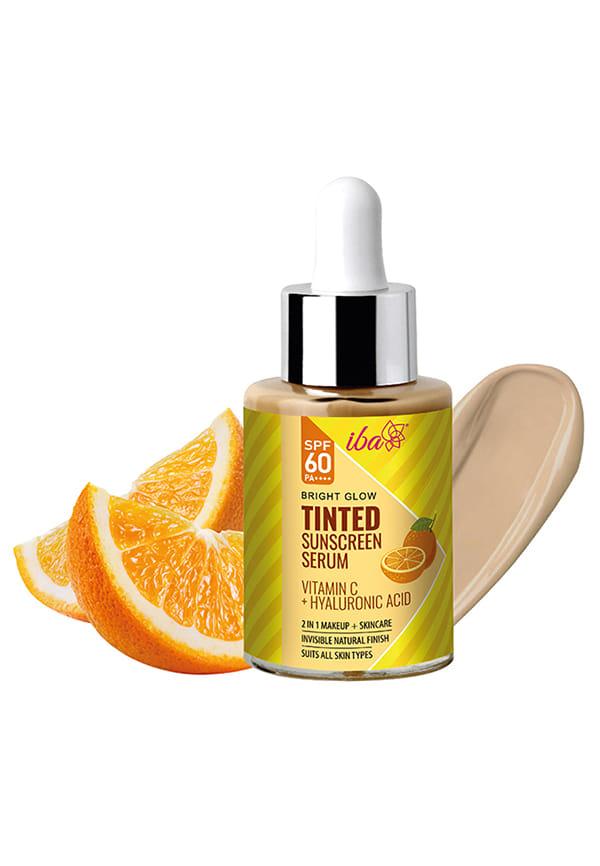
Bright Glow Tinted Sunscreen Serum for All Skin Types SPF 60 PA++++
Shade matching can be tricky, especially with the limited options many brands offer for Indian skin tones.
Many tinted sunscreens come in "universal" shades that adapt to your skin tone. These work surprisingly well for light to medium Indian skin tones. For deeper skin tones, look for brands that specifically cater to diverse skin colours. Always test the product in natural light—what looks perfect indoors might appear ashy or orange outdoors.
BB creams typically offer a wider shade range, making it easier to find your perfect match. Pay attention to undertones—many Indian skin tones have warm or golden undertones that need to be matched correctly. Cool-toned shades can make warm Indian skin look grey or lifeless.
Living in India means dealing with unique environmental challenges that affect how these products perform.
During monsoons, water-resistant formulations become crucial. Look for tinted sunscreens that specifically mention water resistance—they'll hold up better against humidity and unexpected showers. BB creams, being more makeup-focused, often don't offer the same level of weather resistance.
If you're dealing with melasma or post-acne hyperpigmentation, tinted sunscreens with iron oxides are particularly beneficial. Iron oxides provide protection against visible light, which can worsen melasma. This is something most BB creams don't specifically address.
For those long commutes or outdoor activities, high SPF tinted sunscreens are non-negotiable. The convenience of having protection and light coverage in one product makes reapplication easier—and let's be honest, we're more likely to reapply something that looks good than a white sunscreen that leaves us looking ghostly.
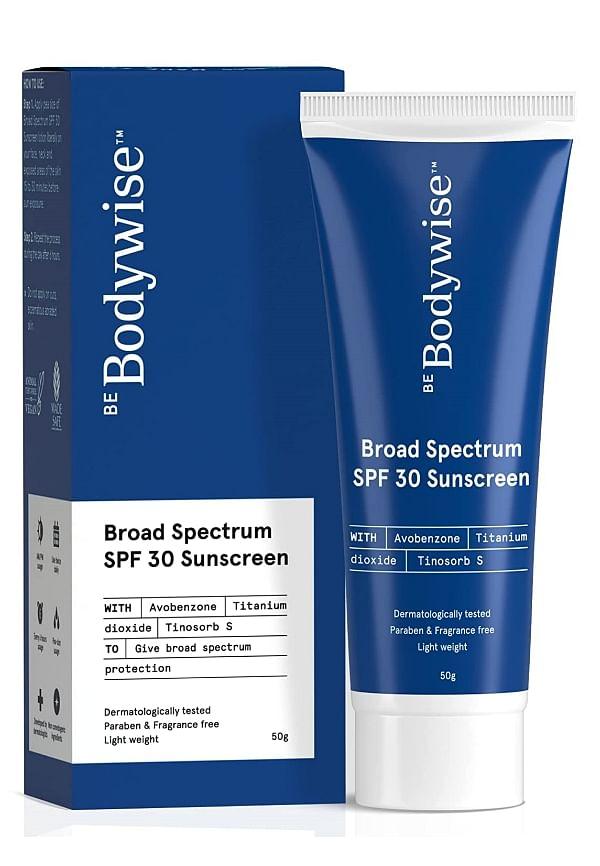
Broad Spectrum Spf 30 Sunscreen
For Indian skin requiring high sun protection, tinted sunscreen with SPF 30+ is generally better, especially formulations with niacinamide and hyaluronic acid for added skin benefits. The higher SPF is crucial for our intense UV levels, and the lighter texture works better in humid conditions.
Yes, tinted sunscreens with iron oxides and titanium dioxide provide superior protection against visible light, which is crucial for melasma prevention. Regular sunscreens only protect against UV rays, but visible light can also trigger melasma flares.
Face tints offer lighter coverage similar to tinted sunscreen, while BB creams provide more coverage and skin benefits but typically lower SPF. For Indian conditions, prioritise sun protection—so face tints or tinted sunscreens usually win.
For oily skin in Indian conditions, BB cream alone often isn't enough sun protection. Most BB creams offer SPF 15-25, which is insufficient for our high UV index. Consider a high-SPF tinted sunscreen instead, or layer a proper sunscreen under your BB cream.
It depends on your skin type and the BB cream formula. Dry skin types usually still need a separate moisturiser, whilst oily skin might find a hydrating BB cream sufficient. Always listen to your skin—if it feels tight or looks flaky, add a moisturiser.
Every 2-3 hours for optimal protection, just like regular sunscreen. The tint makes reapplication more pleasant and natural-looking, but don't let the cosmetic benefits make you forget about proper sun protection habits.
Consider your primary concern: if it's sun protection and you want light coverage, choose tinted sunscreen. If you need more coverage for imperfections and are okay with lower SPF (supplemented with additional sun protection), BB cream might work better.
Choosing between tinted sunscreen and BB cream for Indian skin ultimately comes down to your priorities and lifestyle. If you're someone who spends time outdoors, commutes daily, or has concerns about hyperpigmentation and melasma, tinted sunscreen with high SPF should be your go-to. The protection it offers against our intense Indian sun is simply unmatched. However, if you prefer more coverage and your sun exposure is minimal, a good BB cream can work beautifully—just remember to supplement with proper sun protection when needed. Many people find success in having both: a high-SPF tinted sunscreen for daily wear and a BB cream for occasions when they want more coverage. The beauty of platforms like Smytten is that you don't have to guess which product will work for your skin. With curated options from trusted brands and the ability to try before you commit to full sizes, you can experiment with different formulations and find what truly works for your unique skin needs. Whether you're curious about a lightweight tinted sunscreen for daily wear or a coverage-rich BB cream for special occasions, exploring minis first takes the guesswork out of your skincare decisions.
