The Skin Microbiome FAQ: Your Healthy Skin Questions Answered


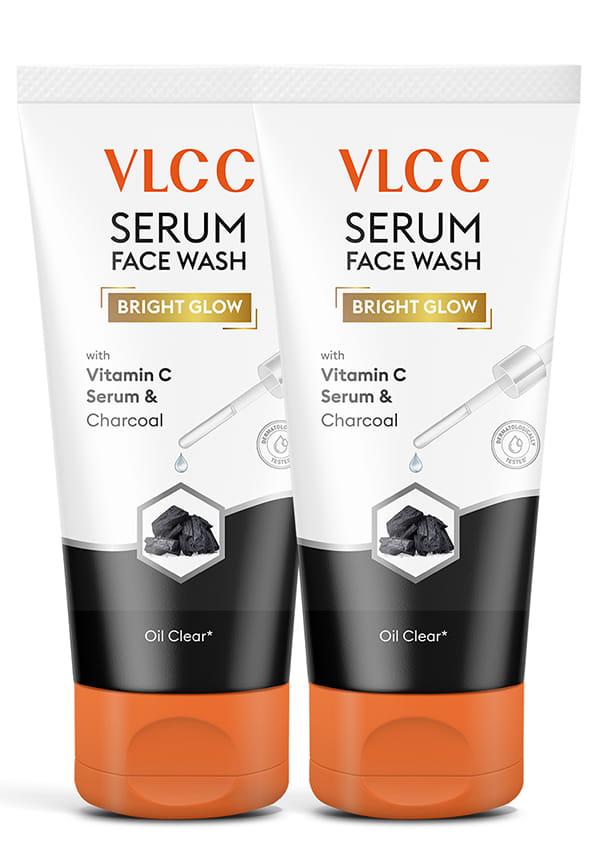
Bright Glow Serum Face Wash with Vitamin C Serum & Charcoal
Ever wondered why your skin feels off even when you're following all the skincare rules? The answer might lie in something invisible to the naked eye: your skin microbiome. This bustling ecosystem of beneficial bacteria, fungi, and other microorganisms living on your skin plays a crucial role in keeping your complexion healthy, balanced, and glowing. In India's diverse climate conditions—from Mumbai's humidity to Delhi's pollution—understanding your skin's microbial community has become more important than ever for maintaining truly healthy skin.
Your skin microbiome is essentially a protective shield made up of trillions of microorganisms that call your skin home. Think of it as your skin's personal security team, working around the clock to keep harmful bacteria at bay whilst maintaining optimal skin health. The main players include Staphylococcus epidermidis, which helps maintain your skin's natural pH, and Cutibacterium acnes, which, when balanced, actually supports skin health rather than causing breakouts.
Unlike your gut microbiome, your skin flora varies dramatically across different areas of your body. Your face hosts a completely different microbial community compared to your arms or feet, adapting to factors like oil production, moisture levels, and environmental exposure. This is particularly relevant in India, where the T-zone might deal with excess humidity whilst other areas face air conditioning-induced dryness.
The most beneficial bacteria on your skin work together like a well-orchestrated team. Staphylococcus epidermidis produces antimicrobial peptides that fight off harmful invaders, whilst Corynebacterium species help break down lipids to maintain your skin's natural moisture barrier.
Understanding what is the role of the microbiome in healthy skin India starts with recognising how these tiny organisms function as your skin's first line of defence. Your skin microbiome doesn't just sit there—it actively protects you from environmental threats, regulates inflammation, and maintains the delicate pH balance that keeps your skin looking its best.
In India's challenging environment, where pollution levels can disrupt skin health, a balanced microbiome becomes even more crucial. These beneficial bacteria produce natural antibiotics that prevent harmful microorganisms from taking hold, whilst also supporting your skin's natural healing processes. When you get a small cut or experience post-acne marks, your microbiome helps accelerate recovery.
Your skin's microbial community acts as a biological barrier against pollution, UV damage, and harsh weather conditions. This is particularly important for those living in Indian metropolitan areas where air quality can significantly impact skin health.
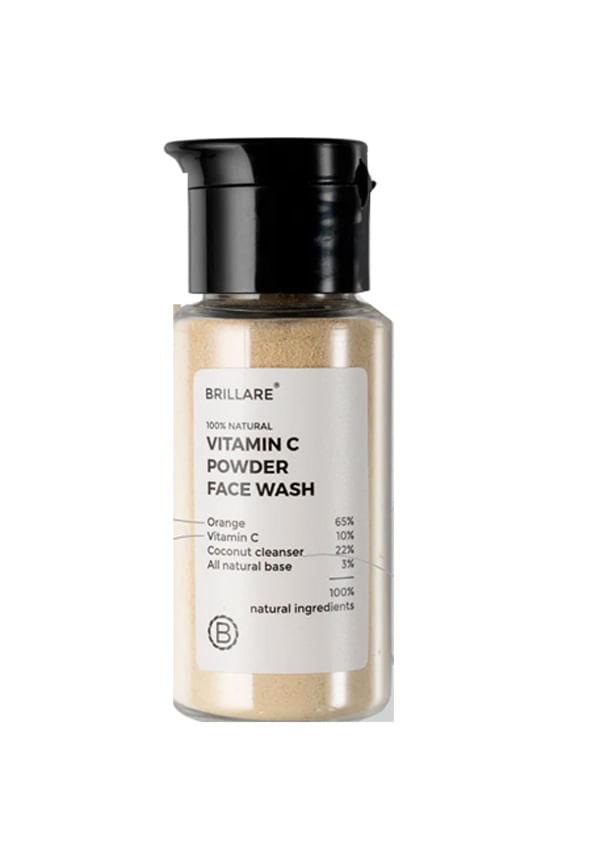
Vitamin C Powder Face Wash For Bright, Glowing Skin
Beneficial bacteria help maintain your skin's lipid homeostasis, essentially supporting your natural moisture levels. This means less dependence on heavy moisturisers and better overall skin texture.
The gut-skin axis represents one of the most fascinating connections in modern skincare science. What happens in your digestive system directly influences your skin's appearance and health. When your gut microbiome is imbalanced—perhaps from stress, poor diet, or medication—it can trigger inflammatory pathways that manifest as skin issues.
In India, where dietary habits vary dramatically across regions, understanding this connection becomes particularly relevant. Spicy foods, irregular eating patterns due to work schedules, and varying levels of fibre intake all influence both your gut and skin health India. The inflammatory molecules produced by an imbalanced gut can travel through your bloodstream and trigger skin conditions like acne, eczema, or general dullness.
Traditional Indian foods like yoghurt, fermented rice, and pickled vegetables naturally support both gut and skin microbiomes. However, processed foods and excessive sugar can disrupt this delicate balance, leading to skin issues that no amount of topical treatment can fully address.
When your skin flora falls out of balance, various skin conditions can emerge. Understanding the eczema microbiome connection reveals that people with eczema often have reduced microbial diversity and an overgrowth of harmful bacteria like Staphylococcus aureus. This creates a cycle where inflammation damages the skin barrier, allowing more harmful bacteria to flourish.
The acne microbiome tells a similar story. Contrary to popular belief, Cutibacterium acnes isn't inherently bad—it's the imbalance that causes problems. When beneficial bacteria are depleted (often through over-cleansing or harsh treatments), C. acnes can overgrow and trigger the inflammatory response we see as breakouts.
India's diverse climate zones present unique challenges for microbiome and skin health. High humidity in coastal areas can encourage fungal overgrowth, whilst dry, dusty conditions in northern regions can disrupt the skin barrier and microbial balance.
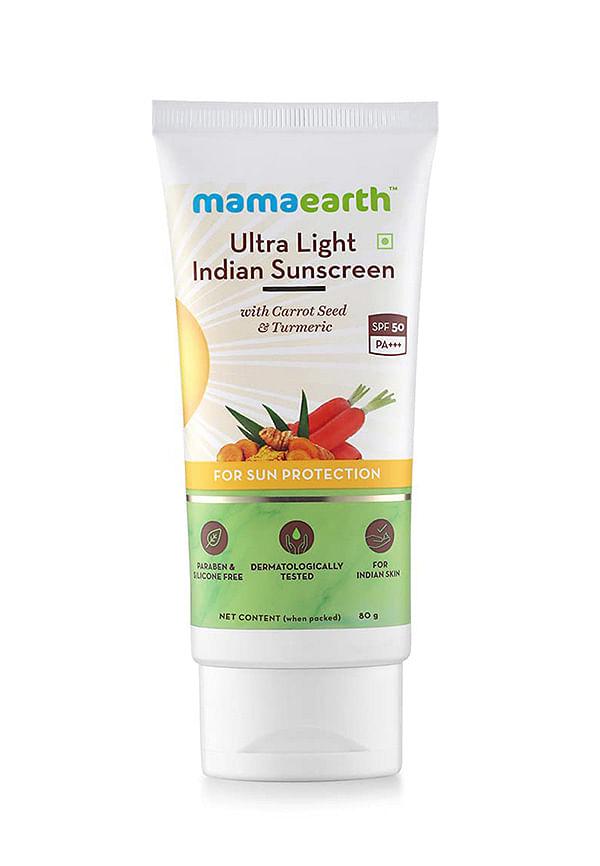
Ultra Light indian Sunscreen
Both topical and oral antibiotics can significantly disrupt your skin's microbial community. Whilst sometimes necessary for severe conditions, understanding their impact helps you make informed decisions about rebuilding your skin's ecosystem afterwards.
Rebuilding a healthy skin microbiome requires patience and the right approach. Probiotics for skin have gained significant attention, with both topical applications and dietary supplements showing promise. However, prebiotics for skin—ingredients that feed your existing beneficial bacteria—often prove more effective for long-term balance.
Natural restoration begins with gentle skincare practices that don't strip away beneficial bacteria. This means avoiding harsh scrubs, over-cleansing, and products with high alcohol content. Instead, focus on maintaining your skin's natural pH and supporting its barrier function.
Look for skincare products containing prebiotics like inulin or oligosaccharides, which feed beneficial bacteria. Some brands now include live probiotics or postbiotics (beneficial bacterial byproducts) in their formulations.
Simple changes like reducing stress, getting adequate sleep, and maintaining a balanced diet rich in fermented foods can significantly impact your skin's microbial health. Traditional Indian practices like oil pulling or using neem-based products can also support microbiome balance.
The skin microbiome acts as your skin's natural defence system, protecting against harmful bacteria, maintaining pH balance, supporting the skin barrier, and regulating inflammatory responses. It's essential for preventing infections, promoting healing, and maintaining overall healthy skin appearance.
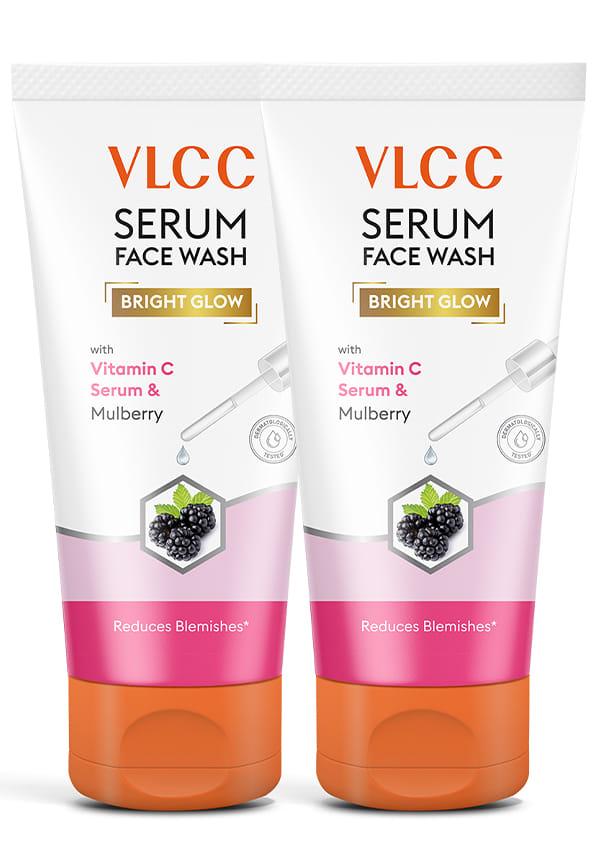
Bright Glow Serum Face Wash with Vitamin C Serum & Mulberry
The gut-skin axis creates a direct communication pathway between your digestive system and skin health. Imbalances in gut bacteria can trigger systemic inflammation that manifests as acne, eczema, or dull skin. Supporting gut health through diet and probiotics often improves skin appearance.
Yes, harsh cleansers, products with high alcohol content, and overuse of antibacterial ingredients can disrupt your skin flora. Over-cleansing and aggressive exfoliation also strip away beneficial bacteria, leading to imbalance and potential skin issues.
The eczema microbiome shows distinct patterns, including reduced microbial diversity and overgrowth of harmful bacteria like Staphylococcus aureus. This imbalance contributes to inflammation and compromised skin barrier function, making eczema symptoms worse.
Restoring skin microbiome balance typically takes 4-6 weeks with consistent, gentle skincare practices. However, significant improvements in skin health may be noticeable within 2-3 weeks of adopting microbiome-friendly routines.
Absolutely. India's diverse climate zones—from humid coastal areas to dry northern regions—significantly impact skin health India. High humidity can encourage fungal growth, whilst pollution and dust can disrupt microbial balance, requiring targeted skincare approaches.
Traditional Indian foods like yoghurt, buttermilk, fermented rice, and pickled vegetables naturally support both gut and skin microbiomes. These foods provide beneficial bacteria and prebiotics that promote overall healthy skin from within.
Understanding what is the role of the microbiome in healthy skin India opens up a completely new approach to skincare—one that works with your skin's natural ecosystem rather than against it. Your skin microbiome isn't just a trendy concept; it's a fundamental aspect of skin health that influences everything from acne prevention to anti-ageing.
The journey to balanced skin health India requires patience and the right products that support rather than disrupt your microbial community. Whether you're dealing with specific concerns like the acne microbiome or simply want to maintain healthy skin, focusing on microbiome balance provides lasting results that go beyond surface-level improvements.
For those curious about exploring microbiome-friendly skincare options, Smytten's curated selection includes brands that understand the importance of working with your skin's natural ecosystem. With over 28 million users discovering products that truly work for their skin, the platform makes it easier to find formulations that support rather than disrupt your skin's delicate balance. If you're interested in trying microbiome-supporting products before committing to full sizes, Smytten also offers minis from many brands, letting you test what works best for your unique skin ecosystem.
