The Science Behind Evening Out Skin Tone FAQ

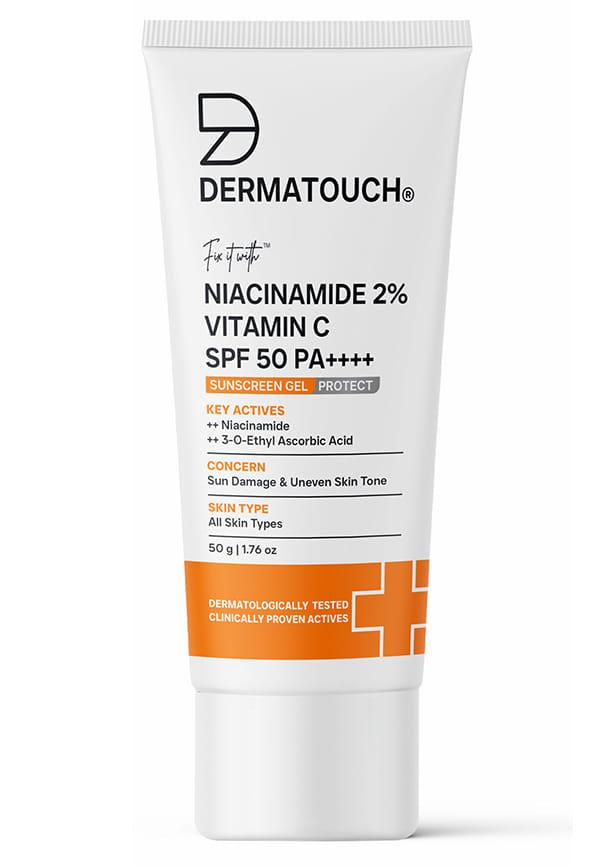
Niacinamide 2% Vitamin C Sunscreen for glowing skin, SPF 50+ PA ++++
Ever wondered why some people seem to have naturally radiant, even-toned skin whilst others struggle with dark spots, patches, and uneven pigmentation? The answer lies in fascinating cellular processes happening beneath your skin's surface every single day. Understanding the science behind evening out skin tone isn't just academic curiosity—it's the key to choosing treatments that actually work and setting realistic expectations for your skincare journey. From melanin production pathways to cellular renewal cycles, there's genuine science backing why certain ingredients and treatments can transform uneven complexion into smooth, uniform skin tone. Whether you're dealing with post-acne marks, sun damage, or hormonal pigmentation, knowing how your skin creates and eliminates discolouration empowers you to make informed decisions. Platforms like Smytten make it easier than ever to trial evidence-based products before committing to full sizes, letting you experiment with scientifically-proven formulations without the guesswork.
Uneven skin tone results from irregular melanin production and distribution, controlled by cellular processes we can scientifically target
Proven ingredients like vitamin C, niacinamide, and retinoids work through specific molecular mechanisms to control pigmentation
Skin's natural 28-day renewal cycle means visible improvements typically appear after 4-6 weeks of consistent treatment
Both topical treatments and professional procedures target the same biological pathways—melanin synthesis, cellular turnover, and pigment transfer
Prevention through sun protection and antioxidants is scientifically more effective than treating existing damage
Your skin's colour comes from a complex biological system that's constantly working behind the scenes. When this system goes awry, you get the patches, spots, and uneven areas that can feel so frustrating to address.
Melanin production happens in specialised cells called melanocytes, which live in your skin's basal layer. These cells contain an enzyme called tyrosinase that converts the amino acid tyrosine into melanin pigment. Think of tyrosinase as the master switch—when it's overactive in certain areas, you get concentrated pigmentation. When it's working normally, melanin distributes evenly, creating uniform skin tone.
The process involves multiple steps: tyrosinase first converts tyrosine to DOPA, then to dopaquinone, which eventually becomes melanin. This melanin gets packaged into tiny structures called melanosomes, which are then transferred to surrounding skin cells. When this transfer process becomes irregular—due to inflammation, UV exposure, or hormonal changes—you end up with the patchy pigmentation that characterises uneven skin tone.
UV radiation is the primary culprit behind skin discolouration, but the mechanism is more complex than simple sun damage. When UV rays hit your skin, they trigger inflammatory responses that send signals to melanocytes, essentially telling them to produce more pigment as protection. This is why sun spots often appear in clusters and why existing dark spots get darker with sun exposure.
Inflammatory hyperpigmentation works differently. When your skin experiences trauma—from acne, cuts, or even aggressive skincare—inflammatory molecules called cytokines flood the area. These cytokines stimulate melanocyte activity, leading to post-inflammatory hyperpigmentation (PIH). This explains why acne spots often leave dark marks long after the blemish has healed.
Hormonal influences add another layer of complexity. Oestrogen and progesterone can directly stimulate melanin production, which is why melasma often appears during pregnancy or with hormonal contraceptives. Age-related changes affect cellular communication, making older skin more prone to uneven pigmentation as cellular repair mechanisms become less efficient.
Dermatological approaches to skin tone correction target specific biological pathways. Understanding these mechanisms helps explain why certain treatments work and others don't.
Your skin naturally renews itself every 28 days through a process called cellular turnover. New cells form in the basal layer and gradually migrate upward, eventually shedding from the surface. Pigmented cells follow this same cycle, which is why superficial discolouration can fade naturally over time—though very slowly.
Treatments that accelerate cellular turnover, like retinoids and chemical exfoliants, work by speeding up this natural process. They encourage pigmented cells to shed faster whilst promoting the formation of new, evenly pigmented cells underneath. This is why consistent use of these ingredients gradually improves skin tone uniformity.
Modern dermatology has identified several ways to control melanin production at the source. Tyrosinase inhibition is the most direct approach—ingredients like kojic acid, arbutin, and certain vitamin C derivatives can block this key enzyme, reducing melanin synthesis. This is why these ingredients are considered gold standards in skin tone correction.
Another approach involves disrupting melanin transfer from melanocytes to surrounding skin cells. Niacinamide works through this mechanism, interfering with the cellular communication that leads to pigment transfer. This creates a more even distribution of existing melanin whilst new, uniform pigmentation develops.
Not all brightening ingredients are created equal. Scientific research has identified specific compounds with proven efficacy for skin tone correction.
Vitamin C, particularly L-ascorbic acid, works through multiple pathways. It inhibits tyrosinase activity, provides antioxidant protection against UV damage, and supports collagen synthesis for overall skin health. However, vitamin C derivatives like magnesium ascorbyl phosphate and sodium ascorbyl phosphate offer better stability whilst maintaining efficacy.
Retinoids accelerate cellular turnover whilst also having direct effects on melanin production. They increase the rate at which pigmented cells shed whilst promoting the formation of new, evenly pigmented cells. This dual action makes retinoids particularly effective for both treating existing discolouration and preventing new pigmentation.
Niacinamide offers a gentler approach, working primarily by reducing melanin transfer between cells. Clinical studies show 5% niacinamide can significantly improve skin tone uniformity without the irritation associated with stronger actives. It also strengthens the skin barrier, making it more resilient to future damage.
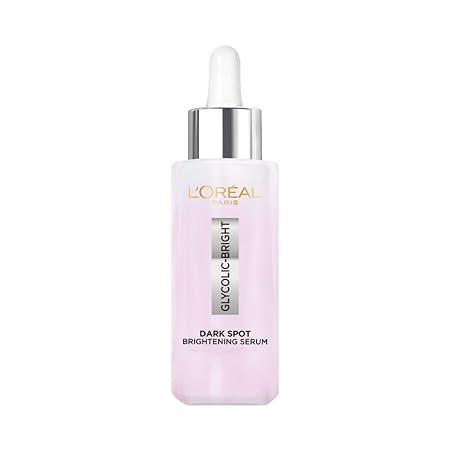
For those seeking potent results, the L'Oreal Paris Glycolic Bright 8%[Melasyl+ Niacinamide] Face Serum combines multiple proven mechanisms in one formula. This serum features glycolic acid for cellular renewal, melasyl for targeted pigment reduction, and niacinamide for melanin transfer control, creating a comprehensive approach to skin tone correction that addresses multiple pathways simultaneously.
The key to effective skin tone correction lies in targeting multiple stages of the pigmentation process. Surface-level treatments only address existing pigmentation, whilst deeper-acting ingredients prevent new discolouration from forming. This is why combination approaches often prove most effective.
Molecular size affects how deeply ingredients can penetrate. Smaller molecules like glycolic acid can reach deeper layers where melanocytes reside, whilst larger molecules work primarily at the surface. Understanding penetration depths helps explain why some ingredients show faster results than others.
Professional treatments use the same biological principles as topical skincare but with greater intensity and precision.
Intense pulsed light (IPL) targets melanin directly, using specific wavelengths that are absorbed by pigmented cells. The absorbed light energy converts to heat, destroying excess melanin whilst leaving surrounding tissue intact. This selective targeting is why IPL can address pigmentation without damaging healthy skin.
Fractional laser resurfacing works by creating controlled micro-injuries that trigger accelerated healing and cellular renewal. This process removes pigmented cells whilst stimulating the formation of new, evenly pigmented tissue. The fractional approach treats only portions of the skin at a time, allowing for faster healing.
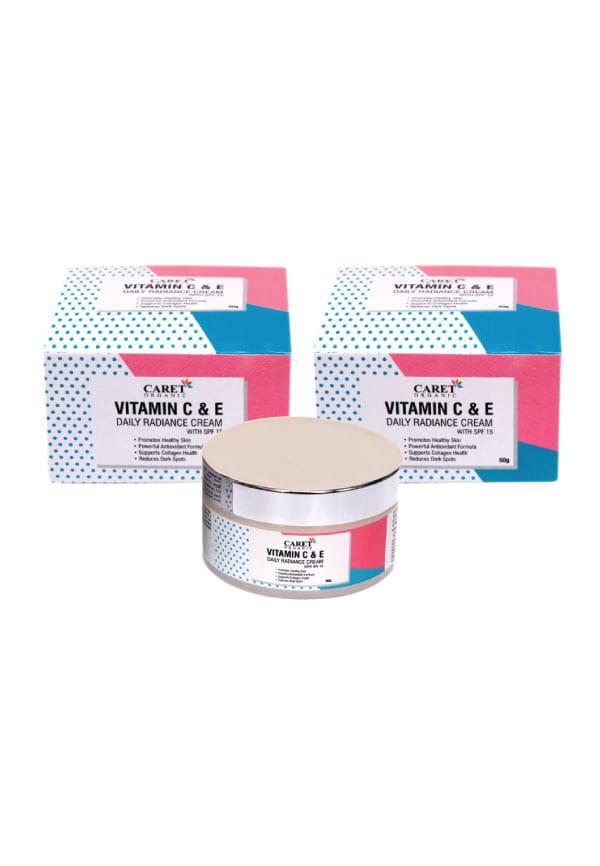
Daily Radiance Light Cream With Vitamin C, E & Spf 15 For Dark Spots & Anti- Wrinkle- No Mineral Oil , Alcohol Or Paraben
Lightweight, Non-Sticky Cream
 5
5“very good and light weight non sticky cream”
Professional treatments typically show faster results than topical approaches because they can target pigmentation more aggressively. However, they also require recovery time and carry higher risks of side effects. Most patients see initial improvements within 2-4 weeks, with optimal results appearing after 2-3 months.
Combination therapy—using professional treatments alongside appropriate skincare—often provides the best outcomes. The professional treatment addresses existing pigmentation whilst topical ingredients prevent new discolouration and support healing.
Both natural and clinical approaches can be effective, but they work through different mechanisms and timelines.
Plant-based tyrosinase inhibitors like kojic acid (from fungi), arbutin (from bearberry), and liquorice extract have shown genuine efficacy in clinical studies. These natural compounds work through the same mechanisms as synthetic alternatives but often with gentler action and fewer side effects.
Antioxidant protection from ingredients like green tea, vitamin E, and resveratrol helps prevent new pigmentation by neutralising free radicals that trigger melanin production. This preventive approach is particularly valuable for maintaining results from other treatments.
Clinical treatments generally show faster, more dramatic results but require professional supervision and carry higher risks. Natural approaches work more gradually but with better tolerance and lower risk of adverse effects. The choice often depends on the severity of pigmentation, skin sensitivity, and personal preferences.
Research suggests that consistent use of gentler, natural ingredients often produces comparable long-term results to more aggressive treatments, particularly when combined with proper sun protection and overall skin health practices.
Prevention is scientifically more effective than treatment when it comes to maintaining even skin tone.
SPF works by either absorbing UV radiation (chemical sunscreens) or reflecting it away from the skin (physical sunscreens). Broad-spectrum protection is essential because both UVA and UVB rays contribute to pigmentation—UVB causes immediate burning whilst UVA penetrates deeper and causes long-term pigmentation changes.
Daily SPF use is the single most effective way to prevent new pigmentation and protect existing treatments. Even indoor lighting and screen exposure can trigger melanin production in sensitive individuals, making consistent protection crucial.
A healthy skin barrier supports even pigmentation by maintaining proper cellular communication and reducing inflammatory responses that trigger excess melanin production. Ingredients like ceramides, hyaluronic acid, and fatty acids support barrier function and overall skin health.
Anti-inflammatory strategies, including gentle skincare routines and stress management, help prevent the inflammatory responses that lead to post-inflammatory hyperpigmentation. This holistic approach supports long-term skin tone uniformity.
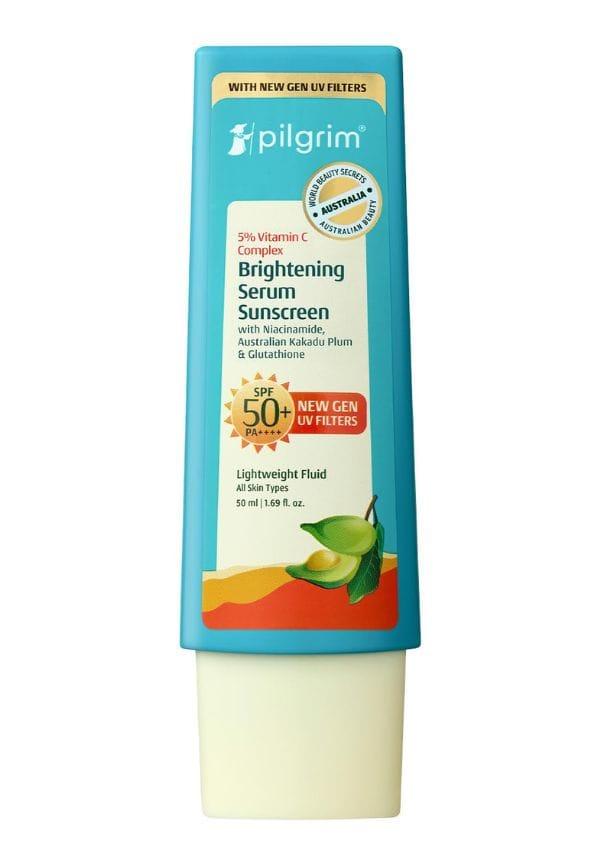
5% Vitamin C Complex Brightening Serum Sunscreen SPF 50+ PA++++
Good, Light & Absorbs Well
5“its very good and light and absorbs very good in the skin”
Repeat Purchase, Loves Sunscreen
5“i love this sunscreen this is my 5th bottle”
Full Sunscreen is Good
5“use Full sunscreen and really good”
Yes, evening skin tone is scientifically achievable through multiple proven mechanisms. Research shows that targeting melanin production, accelerating cellular turnover, and preventing new pigmentation can significantly improve skin tone uniformity. Clinical studies demonstrate measurable improvements in pigmentation with consistent, evidence-based treatments, though results vary based on skin type, pigmentation severity, and treatment consistency.
Based on the skin's natural 28-day renewal cycle, initial improvements typically appear after 4-6 weeks of consistent treatment. Significant results usually become visible after 3-4 months, with optimal outcomes often requiring 6-12 months of consistent care. This timeline reflects the biological process of cellular turnover and melanin metabolism.
Scientific studies indicate that both natural and synthetic ingredients can be effective for skin tone correction, often working through similar biological mechanisms. Natural ingredients like kojic acid and arbutin typically work more gradually but with better tolerance, whilst synthetic compounds may show faster results but with higher potential for irritation. The choice depends on individual skin sensitivity and desired timeline.
Yes, platforms like Smytten offer trial-sized versions of proven skin tone correction products, allowing you to test formulations before committing to full purchases. This approach is particularly valuable for skin tone treatments, as individual responses can vary significantly, and finding the right combination often requires experimentation with different ingredients and concentrations.
Hormones, particularly oestrogen and progesterone, directly influence melanocyte activity and melanin production. Research shows these hormones can increase tyrosinase activity and enhance the skin's sensitivity to UV radiation, leading to conditions like melasma. Understanding these mechanisms helps explain why hormonal changes during pregnancy, menstruation, or contraceptive use can trigger pigmentation changes.
The same biological mechanisms apply to both facial and body skin, but treatment approaches may differ due to varying skin thickness, sensitivity levels, and sun exposure patterns. Body skin is generally thicker and less sensitive, allowing for stronger concentrations of active ingredients, but it also has slower cellular turnover, potentially requiring longer treatment periods for visible results.
The science behind evening out skin tone reveals that successful treatment requires understanding and targeting multiple biological pathways. Melanin production, cellular turnover, and inflammatory responses all play crucial roles in skin tone uniformity, and effective treatments address these mechanisms systematically rather than superficially.
Evidence-based ingredients like vitamin C, retinoids, and niacinamide work through proven molecular mechanisms, but consistency and patience are essential for results. The skin's natural 28-day renewal cycle means that visible improvements take time, typically appearing after 4-6 weeks of consistent treatment.
Prevention through daily sun protection and anti-inflammatory skincare practices is scientifically more effective than treating existing damage. Understanding these principles empowers you to make informed decisions about treatments and set realistic expectations for your skin tone correction journey.
Understanding the science behind skin tone correction transforms skincare from guesswork into informed decision-making. With platforms like Smytten offering trial packs from trusted brands, you can experiment with evidence-based formulations without the financial commitment of full-size products. This try-before-you-buy approach is particularly valuable for skin tone treatments, where individual responses vary and finding the right combination often requires testing different ingredients and concentrations. Smytten's collection of authentic, brand-verified minis from over 2,400 trusted brands means you can access proven formulations with 100% cashback on trials, making scientific skincare exploration both affordable and rewarding. After all, why settle for uneven skin tone when you can #TryItAll and discover what actually works for your unique skin?
