Testosterone and Oily Skin in Men FAQ: Your Questions Answered

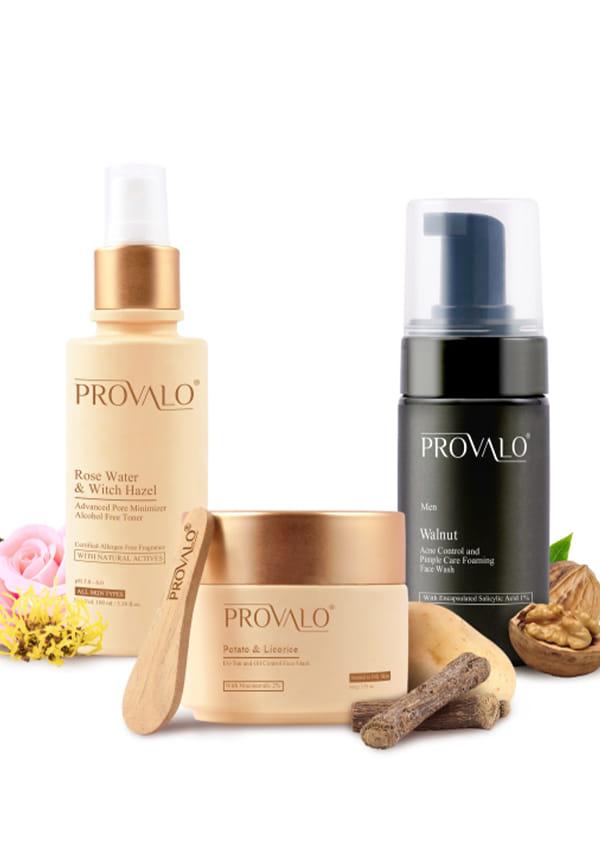
Ultimate Acne and Tan Removal Regime Combo For Normal to Oily Skin (Men)
If you've ever wondered why your skin seems to produce enough oil to fuel a small engine, you're not alone. Many men find themselves battling persistent oiliness, enlarged pores, and stubborn breakouts that seem to have a mind of their own. The culprit? Often, it's testosterone and its powerful effects on your skin's sebaceous glands. Understanding the connection between testosterone and oily skin in men isn't just about satisfying curiosity—it's about taking control of your skin health with the right knowledge and approach. From hormonal acne patterns to sebum production cycles, there's a fascinating science behind why male skin behaves the way it does. Whether you're dealing with adult-onset oiliness or have been managing hormone-influenced skin since your teens, getting to grips with these mechanisms can transform your skincare routine. At Smytten, we've seen countless men discover products that finally work for their specific skin concerns through trial-sized versions, making it easier to find what truly suits hormone-affected skin without the guesswork.
TL;DR
Testosterone stimulates sebaceous glands, leading to increased oil production in men's skin, but high testosterone doesn't always equal oily skin
DHT (dihydrotestosterone) is the main culprit behind excessive sebum production and hormonal acne patterns in men
Managing testosterone-related oily skin requires gentle cleansing, appropriate moisturising, and ingredients like niacinamide and salicylic acid
Adult male acne differs from teenage breakouts and often requires different treatment approaches
Professional help should be sought when oily skin is accompanied by other hormonal symptoms or doesn't respond to proper skincare
The relationship between testosterone and oily skin in men is more nuanced than many people realise. While testosterone does play a significant role in sebum production, it's not a simple case of more testosterone equals oilier skin. Your skin's response to androgens—male hormones including testosterone—depends on several factors, including genetic sensitivity, enzyme activity, and overall hormone balance.
When testosterone circulates through your body, it doesn't directly cause oily skin. Instead, an enzyme called 5-alpha reductase converts testosterone into dihydrotestosterone (DHT), which is the real troublemaker for your skin. DHT binds to receptors in your sebaceous glands, triggering them to produce more sebum—the oily substance that can lead to clogged pores and breakouts.
Men's sebaceous glands are naturally larger and more active than women's, thanks to androgen stimulation. This explains why male skin tends to be oilier overall, particularly in the T-zone area covering the forehead, nose, and chin. The amount of sebum your skin produces can vary throughout the day, with peak production often occurring in the afternoon.
Individual sensitivity to DHT varies significantly between men. Some blokes with relatively normal testosterone levels experience severe oily skin because their sebaceous glands are particularly responsive to even small amounts of DHT. Conversely, men with higher testosterone levels might have relatively balanced skin if their glands are less sensitive to hormonal stimulation.
This is one of the most common misconceptions about testosterone and skin health. High testosterone levels don't automatically translate to problematic oily skin. The key factor is how sensitive your individual sebaceous glands are to androgen stimulation, not just the absolute hormone levels in your system.
Several other factors influence male skin oiliness beyond testosterone levels. Genetics play a huge role—if your father or brothers have oily skin, you're more likely to experience it too. Environmental factors like humidity, pollution, and even air conditioning can affect sebum production. Stress hormones, particularly cortisol, can amplify the effects of testosterone on your skin, leading to increased oiliness during particularly challenging periods.
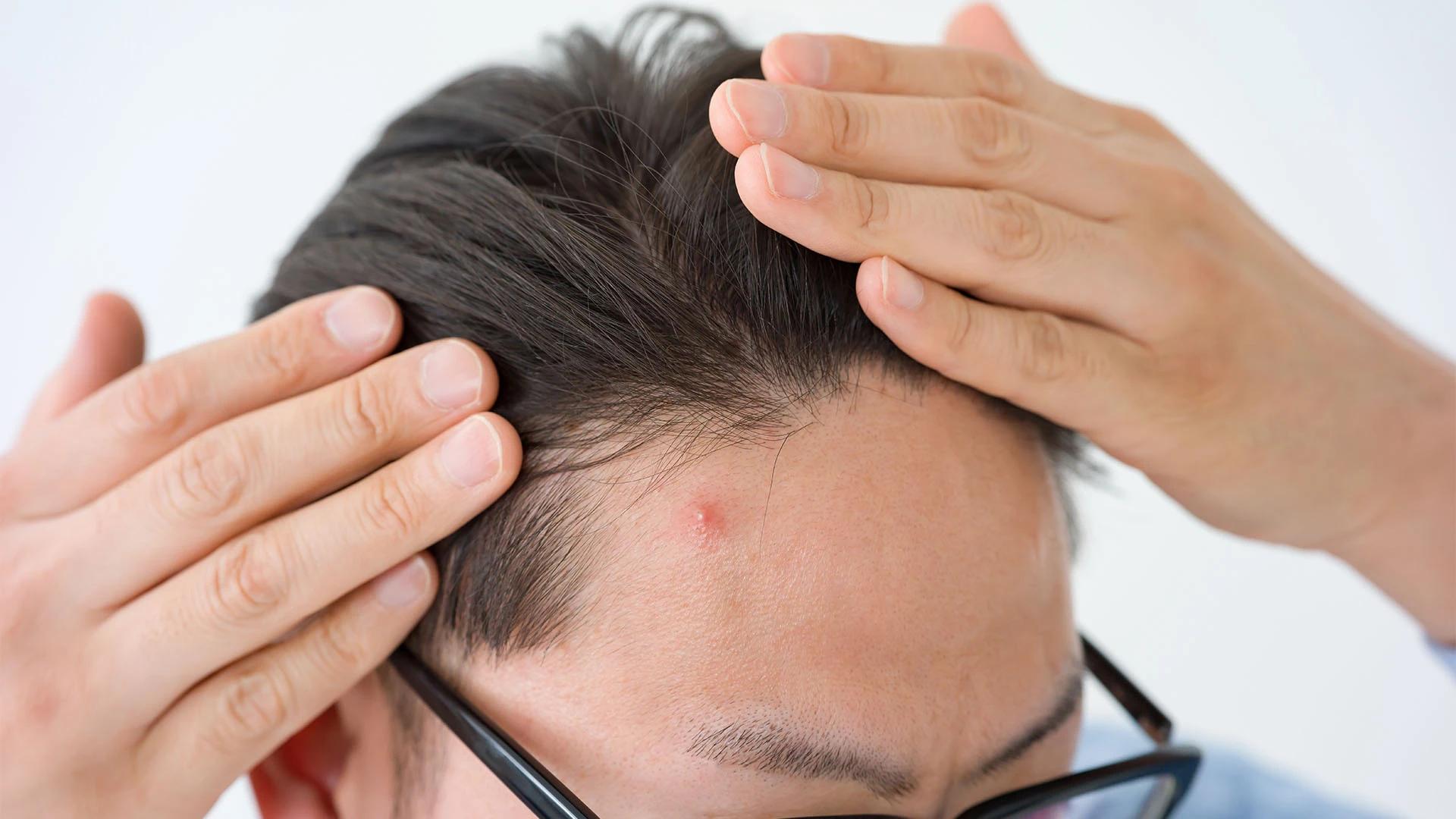
Hormonal oily skin often presents with specific patterns that distinguish it from other causes. You might notice that your skin becomes particularly oily in certain areas—typically the forehead, nose, and chin—while other areas remain relatively normal. Hormonal acne in men often appears along the jawline, neck, and back, areas rich in sebaceous glands.
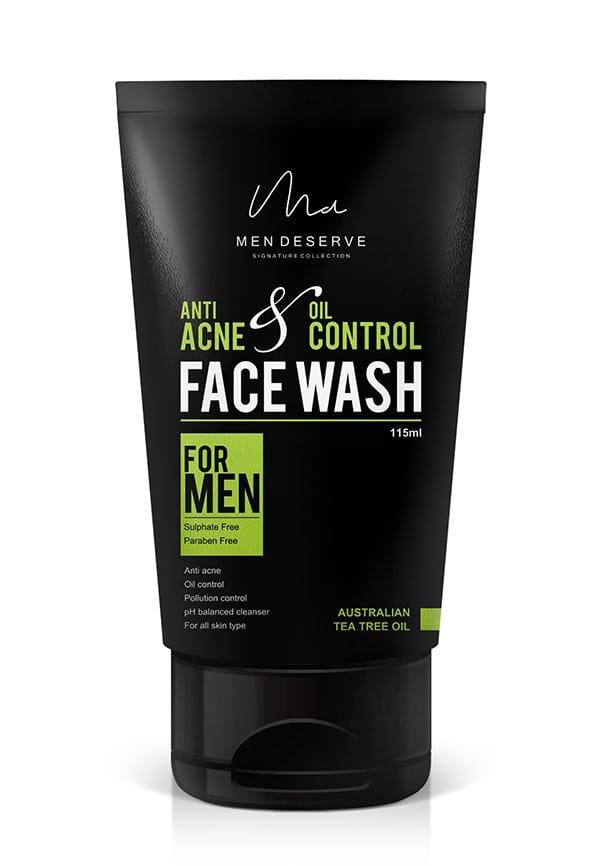
Anti Acne And Oil Control Face Wash
If your skin oiliness coincides with other potential hormonal symptoms like changes in body hair growth, mood fluctuations, or energy levels, it's worth considering whether hormones might be the primary driver. Adult acne that appears suddenly or worsens without obvious lifestyle changes can also indicate hormonal influences.
While testosterone and DHT are primary drivers of sebum production in men, they're not the only factors at play. Understanding the full picture helps you address oily skin more effectively. Hormonal fluctuations don't just happen during puberty—they continue throughout adult life, influenced by stress, sleep patterns, diet, and overall health.
Cortisol, your body's primary stress hormone, can significantly amplify testosterone's effects on your skin. When you're under chronic stress, elevated cortisol levels can make your sebaceous glands more responsive to androgens, leading to increased oil production. This explains why many men notice their skin becomes oilier during particularly stressful periods at work or in their personal lives.
Stress doesn't just affect your mind—it has profound effects on your skin health. When cortisol levels remain elevated, it can disrupt your skin's natural barrier function and increase inflammation, making oily skin more problematic. Poor sleep quality, which often accompanies stress, further compounds these effects by disrupting hormone regulation.
Diet also plays a role in hormone-influenced skin health. Foods with a high glycaemic index can cause insulin spikes, which may increase androgen production and worsen oily skin. Dairy products, particularly skim milk, have been linked to increased acne in some studies, possibly due to hormones naturally present in milk.
Effective management of testosterone-related oily skin requires a balanced approach that doesn't strip your skin's natural protective barrier. Many men make the mistake of over-cleansing or using harsh products, thinking they need to remove every trace of oil. This approach often backfires, causing your skin to produce even more sebum to compensate for what's been stripped away.
The key is gentle but effective cleansing twice daily with a mild, pH-balanced cleanser. Look for ingredients like salicylic acid, which can penetrate oil and help prevent clogged pores, or niacinamide, which helps regulate sebum production without being overly drying. Contrary to popular belief, even oily skin needs moisturising—choose lightweight, non-comedogenic formulas that hydrate without adding excess oil.
When over-the-counter products aren't sufficient, professional treatments can provide more targeted solutions. Dermatologists might recommend topical retinoids, which help normalise skin cell turnover and can reduce the appearance of enlarged pores common in oily skin. For severe cases, oral medications that affect hormone levels might be considered, though these require careful medical supervision.
Professional treatments like chemical peels or laser therapy can also help manage oily skin and its associated concerns. These treatments work by removing excess dead skin cells and reducing the appearance of enlarged pores, creating a smoother skin texture overall.
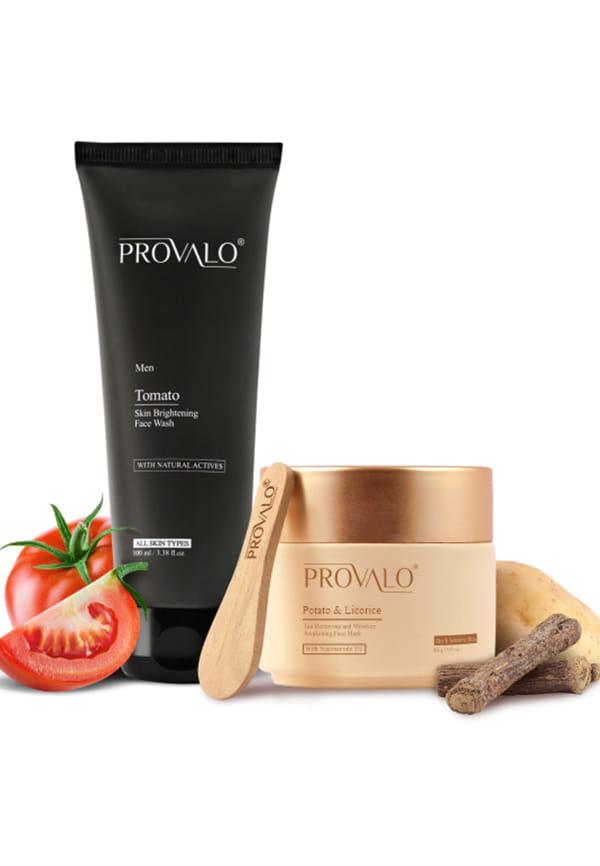
Gentle Cleansing and Skin Illumination Kit Combo For Normal to Oily Skin (Men)
While you can't completely override your genetic predisposition to oily skin, several natural approaches can help manage testosterone's effects on your skin. Regular exercise is particularly beneficial—it helps reduce stress hormones like cortisol while improving overall circulation and skin health. However, be mindful of post-workout skincare, as sweat and bacteria can exacerbate oily skin if not properly cleansed.
Dietary modifications can also support hormone balance and skin health. Omega-3 fatty acids from fish, walnuts, and flaxseeds have anti-inflammatory properties that may help reduce the severity of hormonal acne. Zinc-rich foods like pumpkin seeds and lean meats support skin healing and may help regulate sebum production.
Building an effective routine for hormone-influenced oily skin doesn't require dozens of products. Start with a gentle cleanser in the morning and evening, followed by a lightweight moisturiser with SPF during the day. In the evening, consider adding a product with niacinamide or a low-concentration salicylic acid treatment.
Consistency is more important than complexity when it comes to managing oily skin. Give new products at least 6-8 weeks to show results, as skin cell turnover takes time. Avoid the temptation to add multiple new products at once, as this makes it difficult to identify what's actually helping your skin.
Adult acne in men often differs significantly from teenage breakouts, both in appearance and underlying causes. While teenage acne is primarily driven by puberty-related hormone surges, adult male acne can be influenced by stress, lifestyle factors, and even skincare products that don't suit your skin type. Adult acne tends to be more inflammatory and often appears in different areas than teenage breakouts.
Men experiencing adult-onset acne might find that their skin responds differently to treatments that worked during their teenage years. The skin's healing capacity changes with age, and what once cleared up quickly might now take longer to resolve. This is why many men benefit from gentler, more consistent approaches rather than aggressive spot treatments.
Artificially reducing testosterone levels isn't recommended solely for managing oily skin, as testosterone plays crucial roles in men's overall health, including bone density, muscle mass, and mood regulation. Instead, focus on managing your skin's response to normal testosterone levels through proper skincare and lifestyle modifications. If you suspect hormonal imbalances, consult a healthcare provider for proper evaluation.
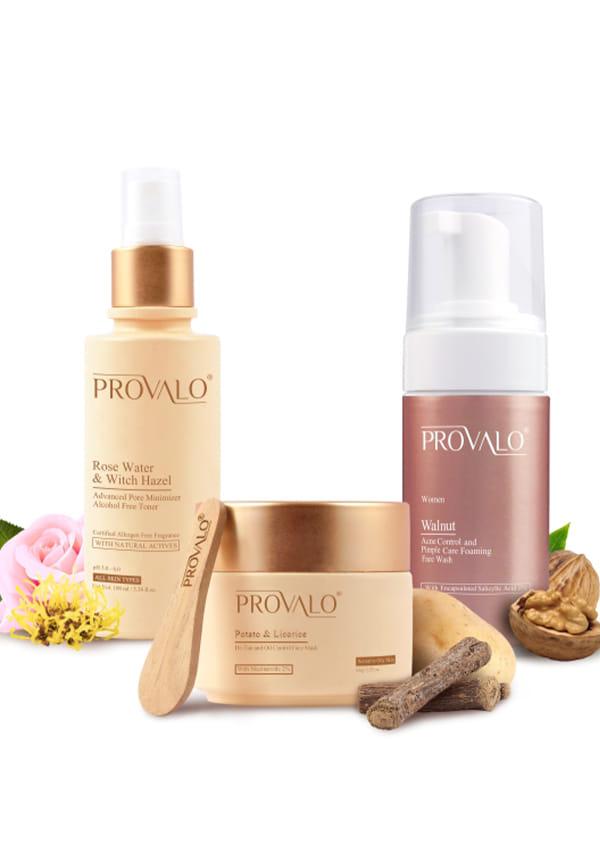
Ultimate Acne and Tan Removal Regime Combo For Normal to Oily Skin (Women)
Most topical skincare products don't significantly affect systemic testosterone levels. However, some ingredients like certain essential oils or parabens have been studied for potential endocrine-disrupting effects, though the evidence remains inconclusive for typical skincare use. Focus on choosing products based on their effectiveness for your skin type rather than worrying about minor hormonal effects.
Improvements in hormone-related oily skin typically become noticeable after 6-12 weeks of consistent skincare routine. This timeframe allows for complete skin cell turnover cycles. However, some people may notice reduced oiliness within 2-4 weeks of starting an appropriate routine. Patience is key, as rushing to try multiple products can actually worsen skin conditions.
For testosterone-affected oily skin, look for niacinamide (helps regulate sebum production), salicylic acid (penetrates oil to unclog pores), and hyaluronic acid (provides lightweight hydration). Avoid over-drying ingredients like high concentrations of alcohol or harsh scrubs, which can trigger increased oil production. When exploring new products, Smytten's trial packs let you test formulations before committing to full sizes, making it easier to find what works for your specific skin needs.
Absolutely not. Skipping moisturiser can actually worsen oily skin by disrupting your skin's natural barrier function, potentially leading to increased sebum production. Choose lightweight, non-comedogenic moisturisers that hydrate without adding excess oil. Gel-based or water-based formulas often work well for men with testosterone-influenced oily skin.
Diet can influence both hormone levels and skin health. High-glycaemic foods may worsen hormonal acne by affecting insulin levels, which can influence androgen production. Dairy products have also been linked to increased acne in some studies. Focus on a balanced diet rich in omega-3 fatty acids, antioxidants, and zinc to support overall skin health.
Understanding the relationship between testosterone and oily skin empowers you to make informed decisions about your skincare routine. Remember that having oily skin doesn't mean you're destined for constant breakouts—with the right approach, you can manage sebum production effectively while maintaining healthy skin. The key lies in gentle, consistent care rather than aggressive treatments that can disrupt your skin's natural balance.
Focus on building a simple but effective routine using evidence-based ingredients like niacinamide and salicylic acid. Don't forget that lifestyle factors—stress management, adequate sleep, and a balanced diet—play crucial roles in hormone-influenced skin health. Most importantly, be patient with your skin and give treatments time to work before making changes.
Managing testosterone-related oily skin is a journey that requires patience, consistency, and often some trial and error to find what works best for your individual skin needs. Rather than viewing oily skin as a burden, consider it an opportunity to develop a deeper understanding of your skin's unique requirements. Smytten makes this discovery process more accessible and affordable through curated trial packs from trusted brands, allowing you to explore different formulations without the commitment of full-size purchases. With over 28 million users and coverage across 90% of India's pin codes, the platform connects you with authentic, brand-verified minis that help you make confident skincare choices. The 100% cashback on trial purchases means you can experiment with various products to find your perfect routine, and when you discover something that truly works for your hormone-influenced skin, purchasing the full size is just a click away. After all, why settle for maybe when you can try it all and find exactly what your skin needs?
