Teen vs Adult Skin India: Your Questions Answered



Advanced Actives Youth Preserve Vitamin C Face Wash
Ever wondered why your teenage cousin's skincare routine looks nothing like yours? Or why that anti-aging serum your mum swears by made your 16-year-old sister break out? The truth is, teen skin and adult skin are fundamentally different beasts, especially in India's diverse climate. From hormonal surges during puberty to the gradual slowdown of collagen production in your twenties, your skin's needs evolve dramatically as you age. Understanding these changes isn't just skincare science—it's the key to building routines that actually work for your life stage.
The difference between teen skin versus adult skin goes far deeper than just the occasional spot. During adolescence, your skin is essentially learning how to be skin—and it's doing so whilst navigating India's humidity, pollution, and intense UV exposure. Adult skin, on the other hand, has settled into its patterns but faces entirely different challenges like environmental damage and the natural aging process.
Teenage years bring a hormonal rollercoaster that directly impacts your skin. Testosterone and oestrogen fluctuations trigger sebaceous glands to produce up to five times more oil than adult skin. In India's humid climate, this excess sebum can feel overwhelming—especially during monsoon season when moisture levels soar. The combination of internal hormonal changes and external humidity creates the perfect storm for hormonal acne and congested pores.
Teen skin has a thinner, less developed barrier function compared to mature skin. This means it's more reactive to environmental stressors like pollution in Indian cities, harsh weather changes, and even new skincare products. The cell turnover rate is also much faster—about every 14-21 days compared to 28-40 days in adults. Whilst this means teenage skin heals from breakouts more quickly, it also means it can become irritated more easily.
Once you hit your mid-twenties, collagen production begins its gradual decline—about 1% per year. Adult skin also shows the cumulative effects of sun exposure, which is particularly significant in India where UV levels remain high year-round. The skin barrier becomes more robust but also less efficient at retaining moisture, leading to different concerns like fine lines, uneven texture, and slower healing from blemishes.
Creating an effective skincare routine for teens in India means working with your skin's natural tendencies, not against them. The goal isn't to strip away every drop of oil or eliminate every spot overnight—it's about gentle, consistent care that supports your skin's development.
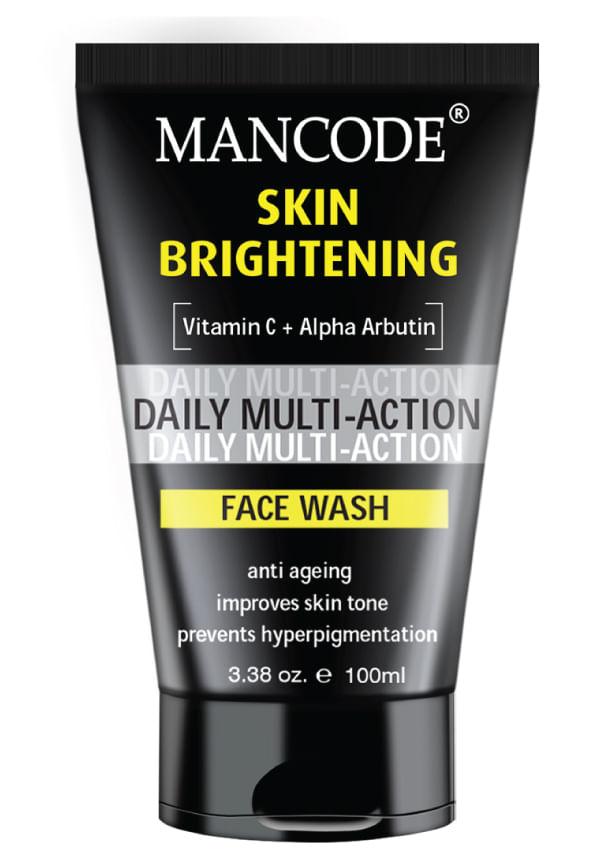
Skin Brightening Face Wash Anti Ageing Improves Skin Tone Multi Double Action Skin Purifying Face Wash
A simple three-step routine forms the foundation of good teen skincare India practices. Start with a gentle cleanser that removes excess oil without over-drying—look for ingredients like salicylic acid or tea tree oil. Follow with a lightweight, non-comedogenic moisturiser that won't clog pores in humid weather. Finally, never skip broad-spectrum SPF—Indian sun is intense even on cloudy days, and sun damage accumulated during teenage years shows up decades later.
When dealing with hormonal acne, patience is key. Niacinamide works brilliantly for Indian skin, helping control oil production whilst reducing inflammation. Salicylic acid gently exfoliates inside pores, preventing blackheads and whiteheads. For stubborn breakouts, benzoyl peroxide can be introduced gradually—start with 2.5% concentration and use it every other day to avoid irritation in India's already challenging climate.
The biggest mistake? Over-cleansing. Using harsh scrubs or washing your face multiple times daily actually triggers more oil production. Another common error is jumping straight into adult anti-aging products—teenage skin doesn't need retinoids or aggressive acids. Finally, many teens skip sunscreen during monsoon season, thinking cloudy skies mean no UV exposure. This couldn't be further from the truth.
Adult skincare India routines need to be more strategic and targeted. Whilst teenage skin responds well to simple, gentle care, adult skin benefits from specific ingredients that address particular concerns like fine lines, hyperpigmentation, and loss of firmness.
The best anti-aging skincare approach starts in your twenties with prevention. Vitamin C serums protect against environmental damage, whilst retinoids (introduced gradually) stimulate cell renewal and collagen production. Peptides support skin structure, and hyaluronic acid maintains hydration levels. For Indian skin tones, addressing hyperpigmentation from sun damage and post-inflammatory marks becomes increasingly important with age.
A comprehensive skincare routine for adults might include multiple serums, treatments, and targeted products. Morning routines focus on protection with antioxidants and SPF, whilst evening routines emphasise repair with retinoids, acids, and intensive moisturisers. The key is introducing new ingredients slowly and monitoring how your skin responds—adult skin may be more resilient, but it's also less forgiving of harsh treatment.
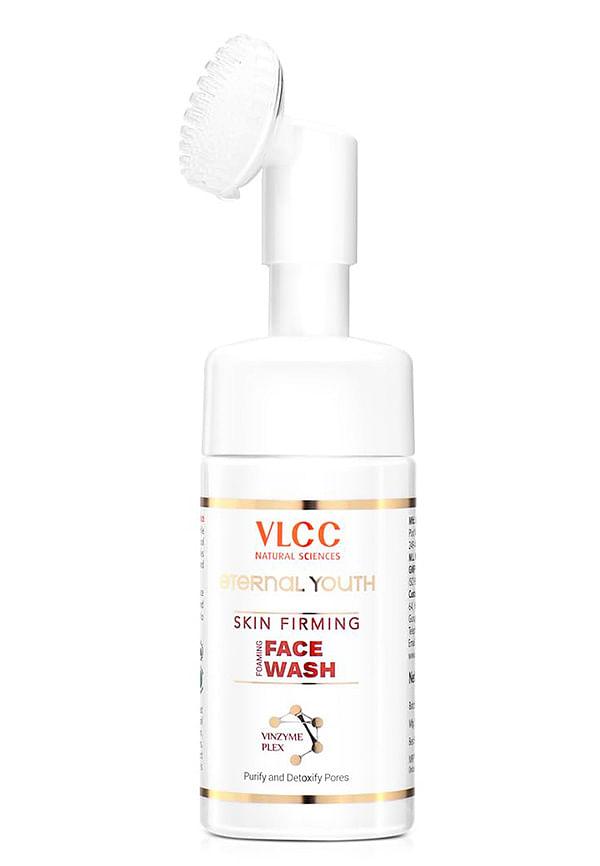
Eternal Youth Skin Firming Face Wash
Adult acne in India often relates to stress, hormonal fluctuations from conditions like PCOS, or post-pregnancy changes. Unlike teenage breakouts, adult acne tends to be deeper, more persistent, and often appears around the jawline and chin. Treatment requires a gentler approach—combining salicylic acid or retinoids with soothing ingredients like niacinamide and ceramides.
Indian skin types vary dramatically based on genetics, geography, and lifestyle. Understanding your specific skin type within the Indian context helps you choose products and routines that work with your environment, not against it.
Managing oily skin in India's humidity requires a delicate balance. Clay masks with bentonite or kaolin help absorb excess oil without over-drying. Niacinamide regulates sebum production, whilst zinc oxide in sunscreens provides oil control alongside UV protection. Coastal areas with higher humidity may require lighter formulations, whilst inland regions might need slightly more moisturising products.
Dry skin in India faces unique challenges—air conditioning in offices and homes, seasonal weather changes, and hard water in many cities. Hyaluronic acid and glycerin draw moisture from the environment, whilst ceramides and squalane strengthen the skin barrier. Layer lightweight hydrating products rather than relying on one heavy cream that might feel uncomfortable in humid weather.
Combination skin—oily T-zone with drier cheeks—is incredibly common in India. Multi-masking works well: clay masks on the T-zone and hydrating masks on drier areas. Use lightweight, gel-based moisturisers that won't clog pores but still provide adequate hydration. Niacinamide works brilliantly for combination skin, balancing oil production whilst maintaining moisture levels.
Absolutely. Starting with a gentle skincare routine for teens at 13 helps establish good habits and addresses early hormonal changes. Keep it simple: gentle cleanser, lightweight moisturiser, and SPF. This age is perfect for learning about skincare without overwhelming young skin with too many products.
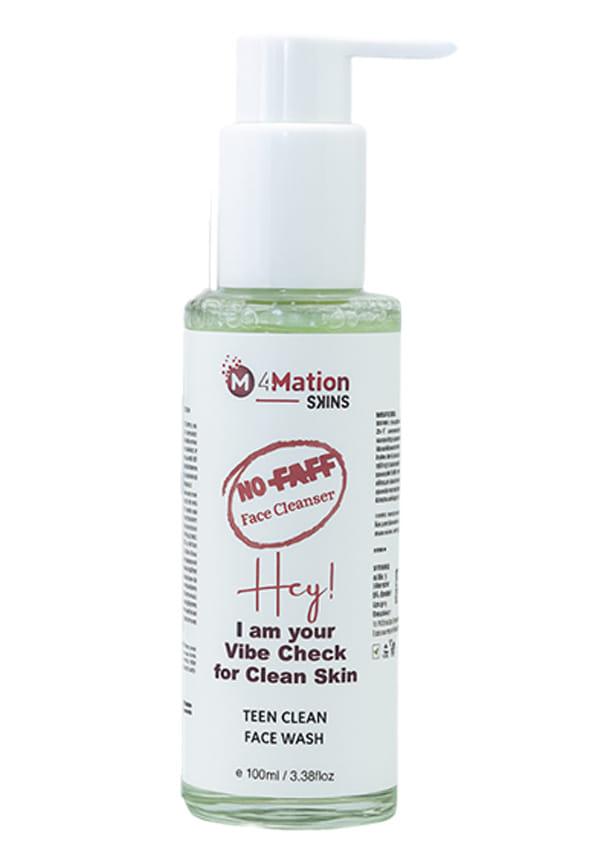
4Mation Skins Teen Clean Face Wash
A 12-year-old needs an even simpler approach—just cleansing and moisturising with SPF during the day. Look for fragrance-free, gentle formulations designed for sensitive skin. The goal is maintaining healthy skin habits, not treating specific concerns unless advised by a dermatologist.
The transition typically happens in your early twenties when hormonal fluctuations settle and skin concerns shift from acne management to prevention of aging. Signs include less frequent breakouts, changes in skin texture, or new concerns like fine lines. This is when you might introduce retinoids or more targeted anti-aging ingredients.
Teen acne is primarily hormonal and affects the entire face, especially the T-zone. Adult acne tends to be deeper, more persistent, and concentrated around the jawline and chin. Teen skin responds well to gentle acids and oil control, whilst adult skin needs more sophisticated treatment combining acne-fighting ingredients with anti-aging benefits.
Teens should generally avoid retinoids unless prescribed by a dermatologist. Teen skin is more sensitive and reactive, making gentler alternatives like salicylic acid or benzoyl peroxide more appropriate. Save retinoids for your twenties when your skin can better tolerate these powerful ingredients.
India's climate affects skin differently at various life stages. Teen skin produces more oil, making humidity feel overwhelming. Adult skin loses moisture more easily, making air conditioning and seasonal changes more challenging. Environmental factors like pollution also have cumulative effects that become more apparent with age.
Understanding the fundamental differences between teen skin versus adult skin transforms how you approach skincare. Teen years call for gentle, consistent care that works with hormonal changes rather than fighting them. Adult skincare becomes more strategic, focusing on prevention and targeted treatment of specific concerns. The key is patience—whether you're 15 dealing with your first breakout or 35 noticing fine lines, your skin's needs will continue evolving.
Building the right routine for your age and skin type doesn't have to be overwhelming. Smytten's curated selection includes trusted brands suitable for every life stage, from gentle teen-friendly formulations to sophisticated adult skincare solutions. With over 28 million users discovering products that actually work for their unique needs, you're never alone in your skincare journey. If you're curious about trying new products without committing to full sizes, Smytten also offers minis from many leading brands—a smart way to test what works for your skin before investing in the complete routine.
