Tan vs Pigmentation: Understanding the Difference for Clearer Skin

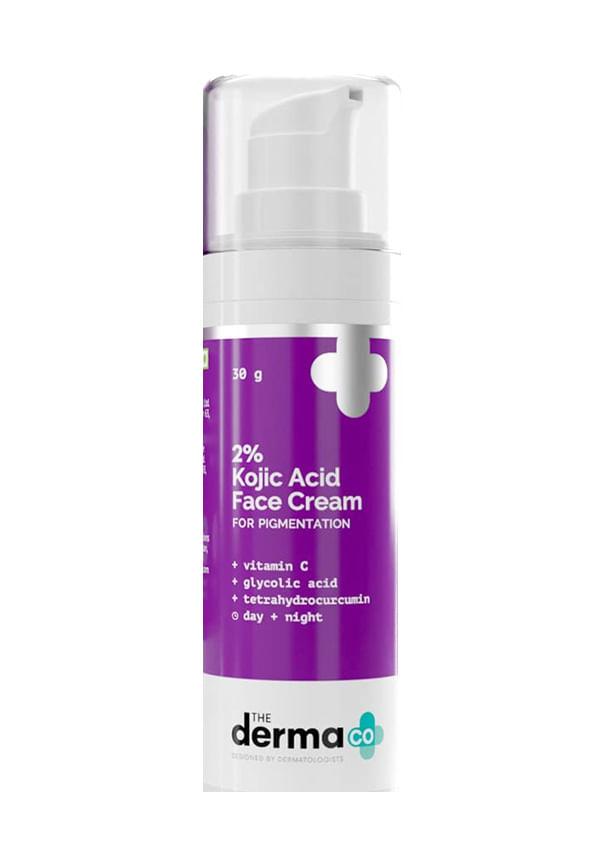
2% Kojic Acid Cream for Pigmentation
Very Good Product
 5
5“Very good product must try good”
Good for dry skin
5“really a good cream to use for dry skin”
Not for sensitive skin, but liked it
5“I highly recommend you that if you have sensitive skin don't use it ... well i liked it”
You've spent a lovely weekend at the beach, and now you're staring at your reflection wondering: is this gorgeous golden glow going to fade, or have you accidentally triggered something more permanent? The difference between tan and pigmentation isn't always obvious, especially when both can leave your skin looking darker than usual. Understanding what you're dealing with is the first step towards the right treatment approach.
The confusion between tan vs pigmentation is completely understandable—both involve your skin producing more melanin, the pigment that gives your skin its colour. However, they're fundamentally different processes with distinct characteristics and outcomes.
Skin tanning is your body's natural defence mechanism against UV radiation. When your skin detects sun exposure, it ramps up melanin production in the outer layers of your skin as a protective shield. This creates that coveted golden or bronze tone that appears relatively evenly across sun-exposed areas. The key word here is 'temporary'—a proper tan will gradually fade as your skin naturally sheds dead cells and renews itself, typically over 4-6 weeks.
Skin pigmentation goes deeper than surface-level tanning. It involves melanin deposits that settle into the deeper layers of your skin, creating persistent dark spots on skin or patches of uneven skin tone. Unlike tanning, pigmentation can be triggered by various factors beyond sun exposure, including hormonal changes, inflammation from acne, or even certain medications. These types of pigmentation are notoriously stubborn and won't fade naturally like a tan would.
The main differences lie in depth, duration, pattern, and causes. Tanning affects surface layers whilst pigmentation penetrates deeper. Tanning is temporary whilst pigmentation persists. Tanning appears evenly distributed whilst pigmentation shows up as irregular patches. Finally, tanning is caused solely by UV exposure whilst pigmentation has multiple triggers.
Identifying whether you're dealing with a tan or hyperpigmentation vs tan requires a closer look at the patterns and characteristics of your skin discoloration. Real talk: sometimes it's a bit of both, which is why understanding the visual cues matters.
A genuine tan presents as uniform bronze, golden, or deeper brown colouring that follows your sun exposure patterns. You'll notice clear demarcation lines where clothing protected your skin—think bikini lines or watch tan lines. The colour transition is gradual and consistent, with the same tone appearing across all affected areas. If you've been wearing the same summer outfit repeatedly, your tan will mirror those exact coverage patterns.
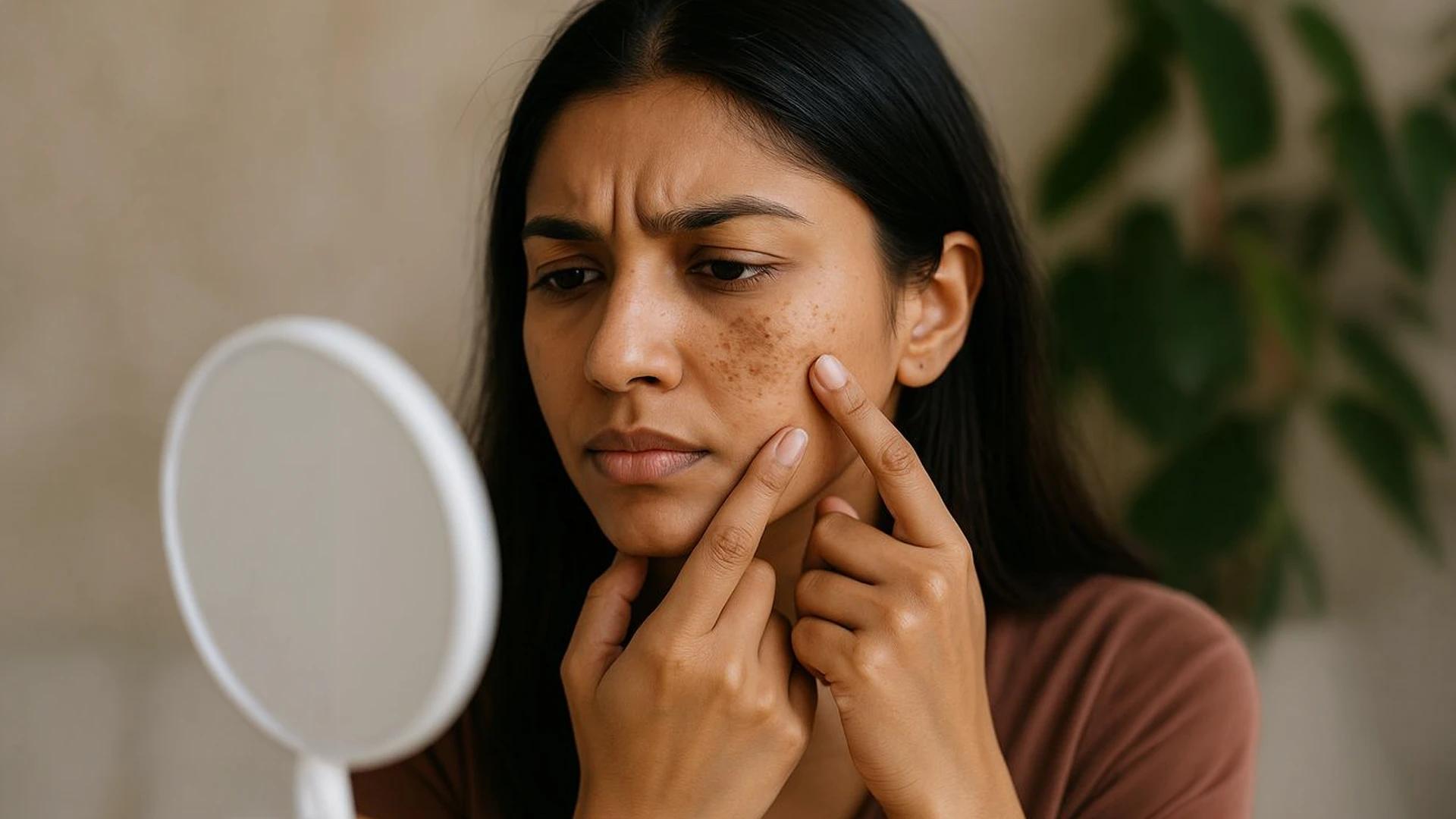
Pigmentation tells a different story entirely. Look for irregular dark spots on skin, patches that appear darker or lighter than surrounding areas, and asymmetrical patterns that don't match your sun exposure. These areas might appear on your face even if you've been diligent with sun protection, or show up as post-acne marks that refuse to fade. The colouring often varies within the affected area itself—some spots darker, others lighter, creating that frustrating uneven skin tone.
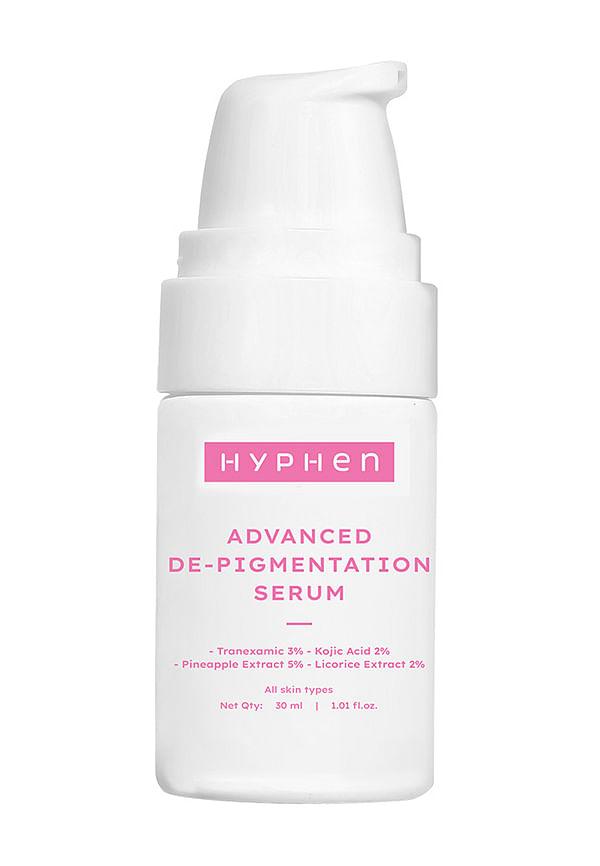
Advanced De-Pigmentation Serum For Hyperpigmentation, Melasma, Dark Spots & Scars
Effective Product, Fully Satisfied
5“Very effective product.. Fully satisfied”
Effective Product, Fully Satisfied
5“Very effective product.. Fully satisfied”
Effective Product, Fully Satisfied
5“Very effective product.. Fully satisfied”
When in doubt, dermatologists use specialised tools like Wood's lamps, which reveal pigmentation patterns invisible to the naked eye. Digital skin imaging can track changes over time, helping distinguish between fading tan and persistent pigmentation. If you're unsure about persistent skin discoloration, professional assessment provides clarity and appropriate treatment recommendations.
Understanding skin pigmentation causes versus tanning mechanisms helps explain why these conditions require different approaches. Your skin's response to various triggers determines whether you end up with a temporary glow or persistent patches.
UV radiation—both UVA and UVB—triggers immediate melanin production as your skin attempts to prevent DNA damage. This process happens relatively quickly, which is why you might notice colour changes within hours of sun exposure. Your individual skin type, genetic background, and the intensity of UV exposure all influence how quickly and deeply you tan. Seasonal factors matter too—summer sun at midday packs more punch than winter rays.
Pigmentation has a more complex origin story. Hormonal fluctuations during pregnancy, menstruation, or whilst taking oral contraceptives can trigger melasma—those symmetrical patches often called 'pregnancy mask.' Post-inflammatory hyperpigmentation develops after acne, eczema, or any skin trauma, leaving behind stubborn marks long after the original issue heals. Age-related changes, certain medications, and genetic predisposition also contribute to various types of pigmentation.
The cellular response differs significantly between tanning and pigmentation. Tanning involves acute, surface-level melanin production that responds to immediate UV threat. Pigmentation involves chronic stimulation that affects deeper skin layers, creating more persistent deposits. This explains why pigmentation requires targeted treatment whilst tans fade naturally.
Recognising specific patterns helps you identify what you're dealing with and choose appropriate treatments. Each type has distinct characteristics that guide treatment decisions.
Full-body tans appear evenly across all sun-exposed areas, creating that coveted 'healthy glow' look. Partial tanning shows clear clothing lines and protected areas. Gradual tanning from consistent, moderate exposure typically looks more natural than intense, short-term exposure results. The pattern always matches your sun exposure habits and protective measures.
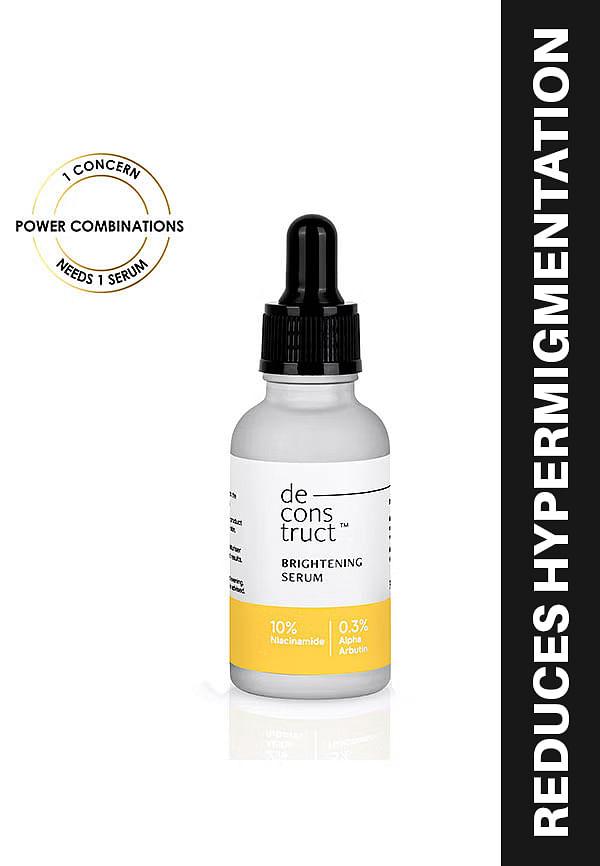
Brightening Face Serum for Pigmentation & Dark Spots Removal
Brightens and Fades Dark Spots
5“it is good it brightens and fades dark spots”
Reduces pigmentation, adds glow
4“it decreases my pigmentation. and gives glowing skin”
Worth Buying, Non-Irritating
5“worth buying non irritating .”
Melasma appears as symmetrical brown patches, typically on the face, triggered by hormonal changes. Post-acne marks show up as individual spots where breakouts occurred, often concentrated on the chin, jawline, or cheeks. Age spots develop as scattered, well-defined patches on areas with cumulative sun damage. Each type requires specific treatment approaches for effective management.
Face pigmentation often occurs despite sun protection, indicating hormonal or inflammatory causes. Body tanning follows sun exposure patterns more predictably. Understanding these location-specific differences helps determine whether you're dealing with protective tanning or problematic pigmentation.
The treatment strategy depends entirely on what you're addressing. Sun tan removal is relatively straightforward, whilst pigmentation correction requires patience and targeted ingredients.
Time is your best ally for sun tan removal. Your skin naturally sheds dead cells and renews itself every 28-40 days, gradually lightening tanned areas. Gentle exfoliation with AHAs can accelerate this process without irritation. Consistent moisturising keeps skin healthy during the renewal process. Most importantly, continued sun protection prevents further darkening whilst your tan fades.
Pigmentation requires active intervention. Vitamin C serums help brighten existing spots whilst preventing new ones. Niacinamide reduces inflammation and regulates melanin production. Retinoids accelerate cell turnover, bringing pigmented cells to the surface faster. For stubborn cases, professional treatments like chemical peels or laser therapy might be necessary. The key is consistency and patience—pigmentation correction takes months, not weeks.
Many people deal with both tanning and pigmentation simultaneously. A comprehensive approach addresses immediate tanning whilst targeting underlying pigmentation. This might involve gentle exfoliation for tan removal combined with targeted serums for pigmentation. Professional guidance helps create effective combination protocols without over-treating your skin.
Prevention remains the most effective strategy for both conditions. Understanding how to protect your skin saves you from extensive treatment later.
Broad-spectrum SPF 30 or higher forms your first line of defence against both tanning and UV-induced pigmentation. Reapplication every two hours, especially during outdoor activities, maintains protection. Protective clothing, wide-brimmed hats, and seeking shade during peak UV hours (10 AM to 4 PM) provide additional protection. Understanding UV index ratings helps you adjust protection levels based on daily conditions.
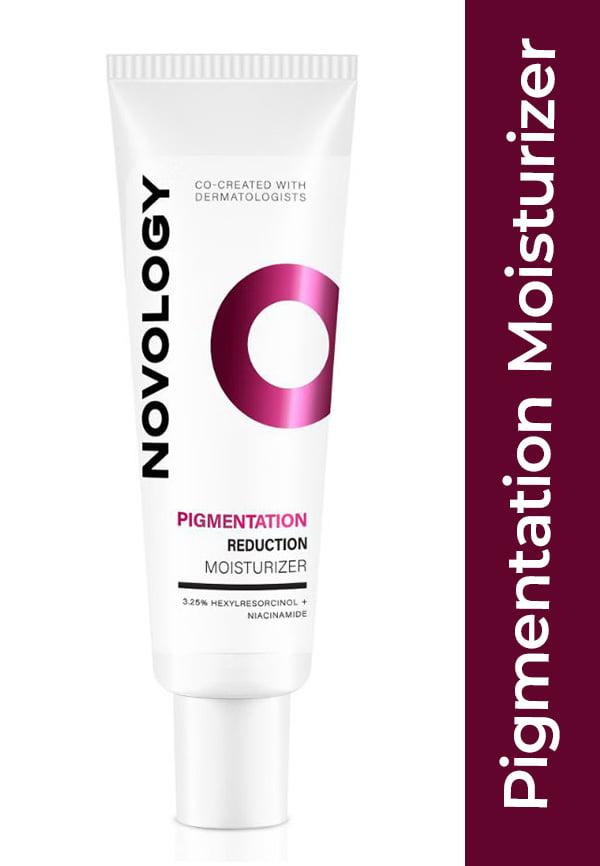
Pigmentation Moisturiser, Face Cream for Hyperpigmentation & Dark Spots
Amazing Product!
5“it really works. i tried it first time and m with love this product best brand I ever used”
Great Product, Will Buy Again
5“nice product richer base repurchase product”
Great for Oily Skin
5“Excellent product for oily skin.”
Managing hormonal factors through lifestyle choices and medical consultation can prevent melasma triggers. Anti-inflammatory skincare ingredients like niacinamide and gentle formulations reduce the risk of post-inflammatory pigmentation. Avoiding aggressive scrubbing or picking at breakouts prevents trauma-induced pigmentation. Early intervention with appropriate treatments stops minor discoloration from becoming major pigmentation issues.
Daily skincare routines incorporating gentle cleansing, moisturising, and sun protection maintain skin barrier function. Regular professional skin assessments catch developing issues early. Lifestyle factors like stress management, adequate sleep, and proper nutrition support overall skin health and resilience.
No, pigmentation and tanning are different conditions with distinct causes, appearance, and treatment requirements. Tanning is a temporary, even response to UV exposure, whilst pigmentation involves deeper, persistent melanin deposits that can be triggered by various factors beyond sun exposure.
Skin pigmentation appears as uneven, persistent dark spots on skin that don't fade naturally like a tan and may occur in areas not exposed to sun. Look for irregular patches, asymmetrical patterns, and discoloration that persists despite sun protection.
Excessive sun exposure can trigger deeper pigmentation issues, making some areas of tan-like discoloration more permanent. This is why consistent sun protection is crucial even when you're trying to maintain a tan.
Tans fade naturally with time and gentle care, whilst pigmentation typically requires targeted treatments like vitamin C serums, niacinamide, or professional procedures. The key is identifying which condition you're dealing with to choose appropriate treatment.
Understanding the difference between tan and pigmentation empowers you to make informed decisions about your skincare routine. Whether you're dealing with a summer glow that's overstayed its welcome or persistent dark spots that appeared seemingly overnight, the right approach makes all the difference. Remember, tanning fades with time and gentle care, whilst pigmentation requires targeted, consistent treatment.
Your skin journey is unique, and what works for your friend might not work for you. If you're curious about trying different products to address uneven skin tone or pigmentation concerns, Smytten's curated selection includes trusted brands with proven ingredients like vitamin C, niacinamide, and gentle exfoliants. With over 28 million users discovering their perfect skincare matches, you're in good company. The platform also offers minis from many leading skincare brands, letting you test products before committing to full sizes—because your skin deserves the right solution, not just any solution.
