Tan Removal Face Wash FAQ: Your Questions Answered


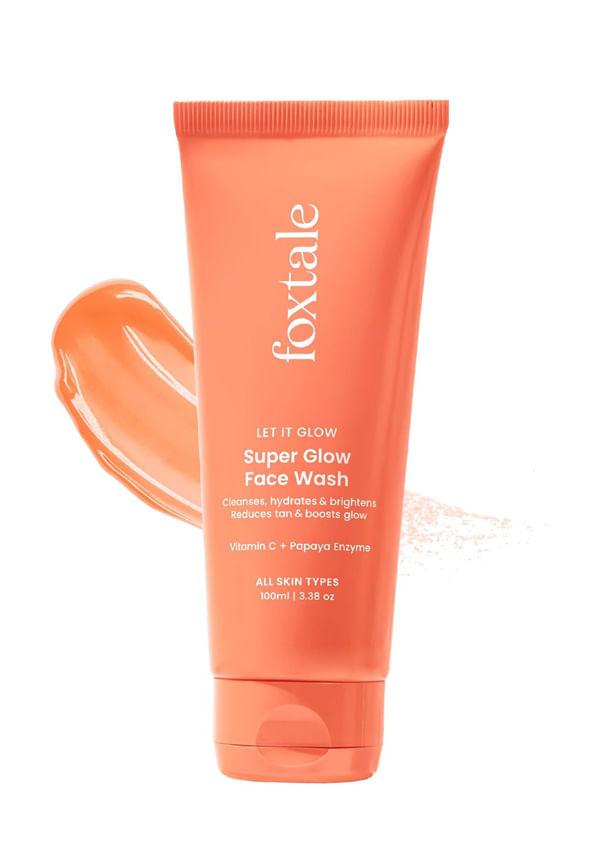
Vitamin C Super Glow Face Wash with Papaya enzyme
You've been diligently applying SPF all summer, but somehow that stubborn tan has still crept in. Whether it's from those weekend beach trips or daily commutes under the harsh sun, dealing with unwanted pigmentation can feel overwhelming. The good news? The right tan removal face wash can genuinely help fade that uneven tone over time. But with countless products claiming miraculous results, it's natural to wonder what actually works. Let's dive into the most common questions about tan removal and find you a routine that delivers real results.
Real talk: your skin doesn't just "wash off" a tan like makeup. When UV rays hit your skin, they trigger melanin production as a protective response. This melanin clusters in certain areas, creating that uneven, darker appearance we call a tan. A proper tan removal face wash works by gently encouraging cell turnover and inhibiting excess melanin production. Glycolic acid and lactic acid are the workhorses here. These AHAs dissolve the bonds between dead skin cells, revealing fresher, less pigmented skin underneath. Meanwhile, vitamin C acts as a melanin inhibitor, helping prevent new dark spots from forming whilst brightening existing ones. Natural exfoliants like papaya enzymes offer a gentler approach, breaking down proteins in dead skin cells without the potential irritation of chemical acids. The key difference? Chemical exfoliants penetrate deeper and work faster, whilst natural options are kinder to sensitive skin but require more patience. Expect to see subtle improvements within 2-3 weeks of consistent use, with more noticeable results appearing after 6-8 weeks. Your skin will notice the difference gradually, not overnight.
When shopping for an effective brightening face wash, certain ingredients consistently deliver results. Vitamin C tops the list for its dual action—it brightens existing pigmentation whilst protecting against future damage. Look for stable forms like magnesium ascorbyl phosphate or sodium ascorbyl phosphate. Niacinamide deserves equal attention. This form of vitamin B3 regulates melanin transfer to skin cells, effectively preventing new dark spots whilst fading existing ones. It's particularly brilliant for those dealing with both tan and oily skin concerns. Alpha hydroxy acids like glycolic and lactic acid provide the exfoliation needed to remove pigmented skin cells. Beta hydroxy acid (salicylic acid) works well for oily skin types, as it can penetrate through oil to exfoliate within pores. Traditional brightening ingredients shouldn't be overlooked. Turmeric contains curcumin, which naturally inhibits melanin production. Orange peel extract provides vitamin C alongside gentle exfoliation. Papaya enzymes offer protein-dissolving action that's particularly effective on sun-damaged skin. Avoid harsh ingredients like hydroquinone or high concentrations of kojic acid if you have sensitive skin. These can cause irritation and potentially worsen pigmentation in some skin types.
Creating an effective routine requires more than just switching your cleanser. Your morning routine should start with a gentle tan removal face wash containing vitamin C or natural brightening agents. Follow with a hydrating moisturiser and broad-spectrum SPF—this last step is crucial, as new sun exposure will undo your progress. Evening routines can handle stronger actives. Use your anti-tan face wash with AHAs or BHAs, but start slowly—every other night for the first week, then gradually increase frequency as your skin adjusts. Always follow with a nourishing moisturiser to prevent over-drying. Frequency matters enormously. Oily skin can typically handle daily use of active ingredients, whilst dry or sensitive skin should limit exfoliating cleansers to 2-3 times weekly. Combination skin benefits from targeted application—use stronger formulations on the T-zone and gentler options on drier areas. Complementary treatments amplify results. A vitamin C serum applied after cleansing provides concentrated brightening power. Niacinamide serums work beautifully under moisturiser to regulate oil production whilst fading pigmentation.
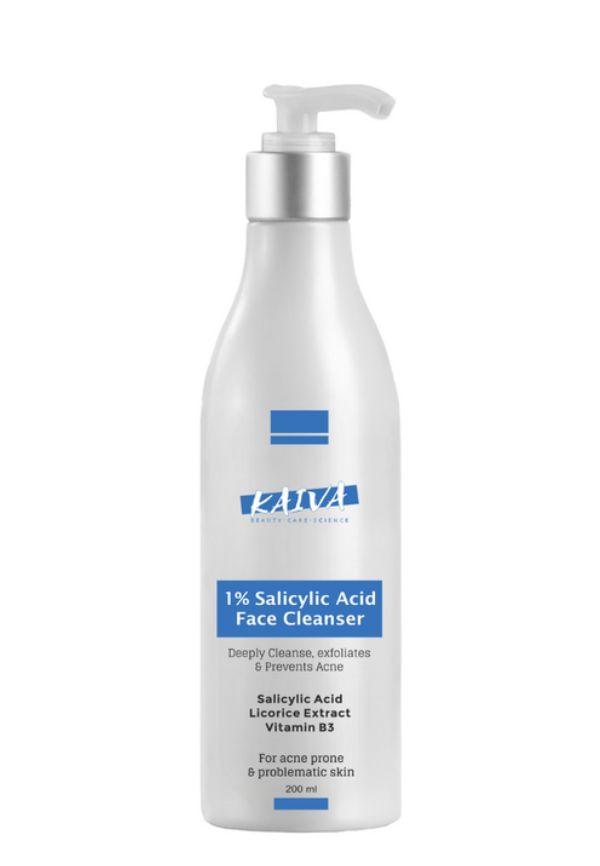
Salicylic Acid Face Wash with Glycolic Acid, Niacinamide & Licorice Extracts
Start with lukewarm water and your chosen brightening cleanser. Massage gently for 30-60 seconds, focusing on areas with visible tan lines. Pat dry and apply vitamin C serum if using, followed by moisturiser and SPF 30 or higher.
Double cleanse if you wear makeup or heavy SPF. Use an oil cleanser first, then follow with your tan removal face wash. This ensures complete removal of the day's buildup whilst allowing active ingredients to penetrate effectively.
Oily skin has unique advantages when it comes to tan removal. The natural oil production helps protect against over-drying from active ingredients, allowing for more frequent use of exfoliating cleansers. Look for tan removal face wash formulations that combine salicylic acid with brightening agents—this addresses both excess oil and pigmentation simultaneously. Gel-based cleansers work particularly well for oily skin, as they cleanse thoroughly without leaving residue. Ingredients like tea tree oil or witch hazel provide additional oil control whilst supporting the skin's natural healing process. Dry skin requires a more cautious approach. Cream-based cleansers with gentle AHAs like lactic acid provide exfoliation without stripping natural oils. Look for formulations that include hyaluronic acid or glycerin to maintain hydration during the tan removal process. Sensitive skin benefits most from natural brightening ingredients. Oatmeal, honey, and aloe vera provide gentle exfoliation and soothing properties. Avoid products with artificial fragrances or high concentrations of acids. Combination skin calls for strategic application. Use oil-controlling, exfoliating formulations on the T-zone whilst applying gentler, hydrating options to drier cheek areas. This targeted approach prevents over-treatment of delicate areas whilst adequately addressing oilier zones.
Homemade treatments can complement your tan removal face wash routine effectively. A classic turmeric and honey mask provides gentle brightening alongside antimicrobial benefits. Mix one teaspoon turmeric powder with two tablespoons raw honey, apply for 15 minutes, then rinse with lukewarm water. Ubtan-based formulations draw from traditional Ayurvedic wisdom. Combine gram flour, turmeric, rose water, and a few drops of lemon juice for a gentle exfoliating paste. This mixture removes dead skin cells whilst providing natural brightening compounds. Papaya and honey create an enzyme-rich treatment that dissolves protein bonds in pigmented skin cells. Mash fresh papaya with honey, apply for 20 minutes, then rinse thoroughly. The natural enzymes work similarly to commercial chemical exfoliants but with less potential for irritation. Safety precautions matter with DIY treatments. Always patch test new combinations on your inner arm before applying to your face. Lemon juice, whilst brightening, can cause photosensitivity—never use lemon-based treatments before sun exposure. Choose natural options when your skin is irritated or over-processed from commercial products. However, for stubborn pigmentation or faster results, well-formulated commercial products typically deliver more consistent outcomes.
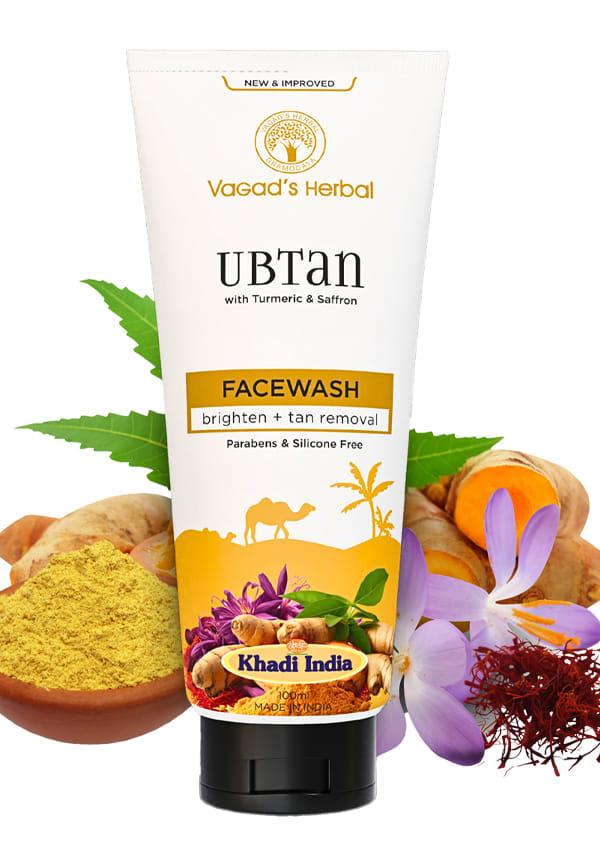
Ubtan with Turmeric & Saffron Face For Wash Brighten & Tan Removal
Understanding the difference between tan and hyperpigmentation helps you choose appropriate treatments. Tan affects the skin's surface layers and responds well to exfoliation. Hyperpigmentation often extends deeper and may require more targeted ingredients like arbutin or kojic acid. Dual-action formulas address both concerns simultaneously. Look for cleansers containing vitamin C for surface brightening plus niacinamide for deeper pigmentation control. These combinations work synergistically to improve overall skin tone. Sun tan removal cream versus face wash effectiveness depends on contact time and concentration. Creams remain on skin longer, allowing deeper penetration of active ingredients. However, daily use of an effective face wash for dark spots provides consistent, gentle treatment that's less likely to cause irritation. Post-inflammatory hyperpigmentation from acne requires gentle handling. Harsh scrubbing or strong acids can worsen inflammation and darken existing marks. Choose cleansers with salicylic acid for acne prevention plus niacinamide for pigmentation control.
Creams work best for targeted treatment of specific dark spots, whilst face washes provide overall tone improvement. Many people find success using both—a brightening cleanser daily plus a targeted cream for stubborn areas.
The best tan removal face wash depends on your skin type and sensitivity level. For oily skin, gel-based cleansers with salicylic acid and vitamin C work brilliantly. Dry skin benefits from cream cleansers containing lactic acid and hydrating ingredients. Sensitive skin should start with natural options like oatmeal or papaya enzyme cleansers. Look for products that combine gentle exfoliation with brightening agents rather than relying on harsh scrubbing action.
Realistic expectations matter here. You'll notice subtle improvements in skin texture within 2-3 weeks of consistent use. Visible lightening of tan typically appears after 4-6 weeks, with significant improvement occurring around the 8-12 week mark. Factors affecting speed include your natural skin renewal rate, severity of pigmentation, and consistency of use. Darker, deeper tans naturally take longer to fade than light surface pigmentation.
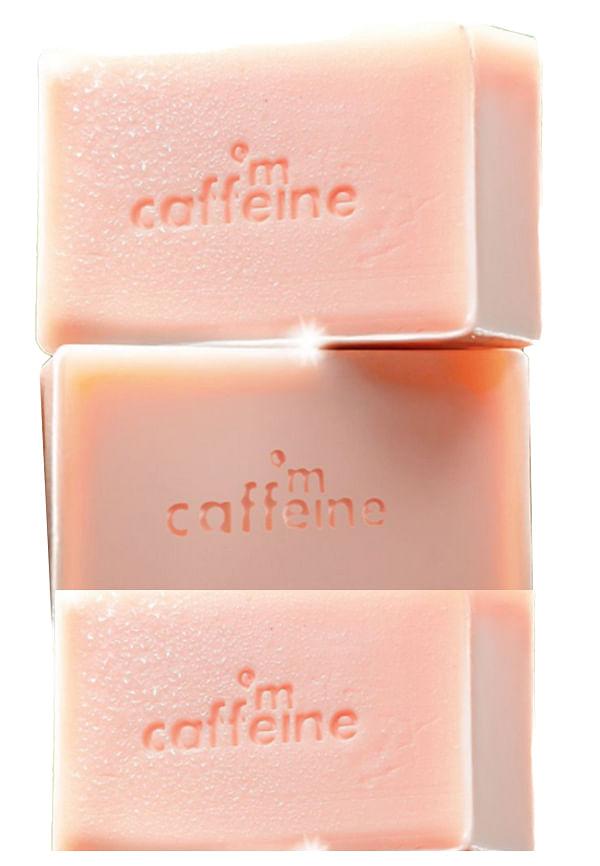
Brightening Tan Removal Soap - 1% Kojic Acid & Glutathione
Daily use depends entirely on your skin's tolerance and the product's formulation. Gentle, natural brightening cleansers can typically be used twice daily. Products containing AHAs or BHAs should start with every other day use, gradually increasing frequency as your skin adjusts. Watch for signs of over-exfoliation: redness, increased sensitivity, or flaking. If these occur, reduce frequency immediately.
Skin whitening face wash often contains stronger bleaching agents aimed at overall complexion lightening. Tan removal face wash focuses specifically on UV-induced pigmentation and typically uses gentler, more targeted ingredients. Tan removal products work with your skin's natural renewal process, whilst whitening products may attempt to alter your natural skin tone. For healthy, sustainable results, choose tan removal over whitening formulations.
Common side effects include initial dryness, mild irritation, or increased sun sensitivity, particularly with acid-based formulations. These typically subside as your skin adjusts. More serious reactions like persistent redness, burning, or darkening of pigmentation require immediate discontinuation. Always introduce new products gradually and maintain diligent sun protection during treatment.
Absolutely. Skin biology doesn't differ significantly between genders, so effective ingredients work equally well for everyone. However, men's skin tends to be thicker and oilier, often tolerating stronger formulations better. Men who shave daily might prefer gentler options to avoid irritation over freshly shaved skin.
Finding the right tan removal face wash requires understanding your skin's unique needs and responding accordingly. Whether you're dealing with post-holiday pigmentation or everyday sun exposure effects, consistent use of appropriate ingredients will gradually restore your skin's natural radiance. Remember that patience pays off—sustainable tan removal happens over weeks and months, not days. The key lies in choosing products that work with your skin type rather than against it. Oily skin can handle more frequent exfoliation, whilst sensitive skin thrives with gentler, natural approaches. Whatever your choice, maintaining proper sun protection remains crucial for preventing new pigmentation whilst treating existing concerns. Smytten's curated selection includes brightening cleansers from trusted brands, making it easier to find products that suit your specific needs and budget. With over 28 million users discovering their perfect skincare matches, the platform takes the guesswork out of product selection. If you're curious about trying different formulations before committing to full sizes, Smytten also offers trial options that let you test products risk-free. Your skin deserves the right care, and finding it shouldn't require settling for less than perfect.
