Sunscreen Indoors India: Your Questions Answered


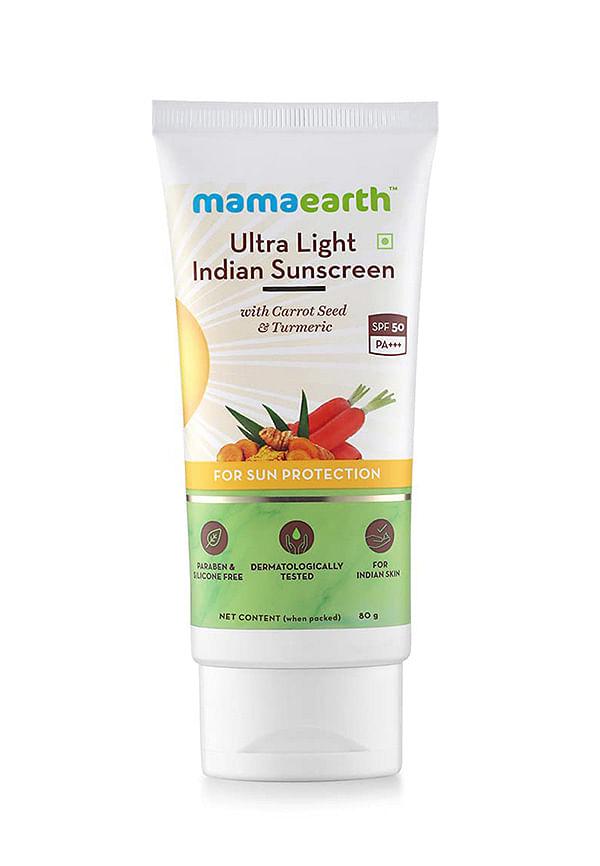
Ultra Light indian Sunscreen
Picture this: you're working from your home office, laptop positioned perfectly by the window for that natural light boost. Three hours later, you notice a warm patch on your cheek where the sun has been streaming in. Sound familiar? You're not alone in wondering whether that morning sunscreen application is still doing its job, or if you need to reapply even though you haven't stepped outside. The truth is, indoor UV exposure is more significant than most people realise, especially in India's intense climate where UV levels regularly hit 8-11 on the index. Let's dive into the real science behind sunscreen indoors and answer the questions that matter most for your skin's daily protection.
Here's what many people don't realise: standard window glass blocks most UVB rays (the ones that cause sunburn) but allows up to 75% of UVA rays to pass through. UVA rays are the silent skin damage culprits - they penetrate deeper into the skin and are primarily responsible for premature ageing, dark spots, and long-term skin damage. In India, where the sun's intensity is particularly strong year-round, this indoor exposure becomes even more significant.
The numbers are quite eye-opening. Research shows that people who work near windows can receive the same amount of UVA exposure as someone spending 20 minutes outdoors without protection. When you factor in India's geographical location and intense sunlight, particularly in cities like Mumbai, Delhi, and Bangalore, the case for indoor sun protection becomes compelling. The UV index in most Indian cities ranges from 8-11 throughout the year, which is considered very high to extreme.
Coastal cities like Mumbai face additional challenges with reflected UV rays from water bodies, whilst inland cities like Delhi deal with intense direct sunlight. Southern cities like Chennai and Bangalore experience consistent high UV levels year-round, making sunscreen reapplication indoors particularly relevant for residents in these areas.
Beyond window exposure, there's growing research on High Energy Visible (HEV) light from digital screens. Whilst the jury's still out on whether blue light causes significant skin damage, the combination of window UV exposure plus extended screen time creates a cumulative effect that many dermatologists now recommend addressing with daily sunscreen for skin protection.
Not all indoor situations require the same level of sun protection. Understanding when you're at higher risk helps you make smarter decisions about reapplication without overdoing it.
Near windows is the most obvious high-risk situation. If you're sitting within 2 metres of a window for more than 2-3 hours, reapplication becomes important. This includes home offices with large windows, reading nooks, dining areas with good natural light, and even covered balconies or verandas. Cars and public transport with windows also fall into this category - that daily commute might be exposing your skin more than you think.
Home offices deserve special mention here. With remote work becoming more common, many people spend 6-8 hours near windows without realising the cumulative UV exposure. If your workspace gets direct sunlight at any point during the day, treating it like outdoor exposure makes sense.
Windowless rooms, basements, or spaces with heavy curtains and UV-blocking films significantly reduce your exposure risk. If you're only indoors briefly (under 2 hours) or in rooms where no direct or reflected sunlight reaches you, your morning sunscreen application should suffice.
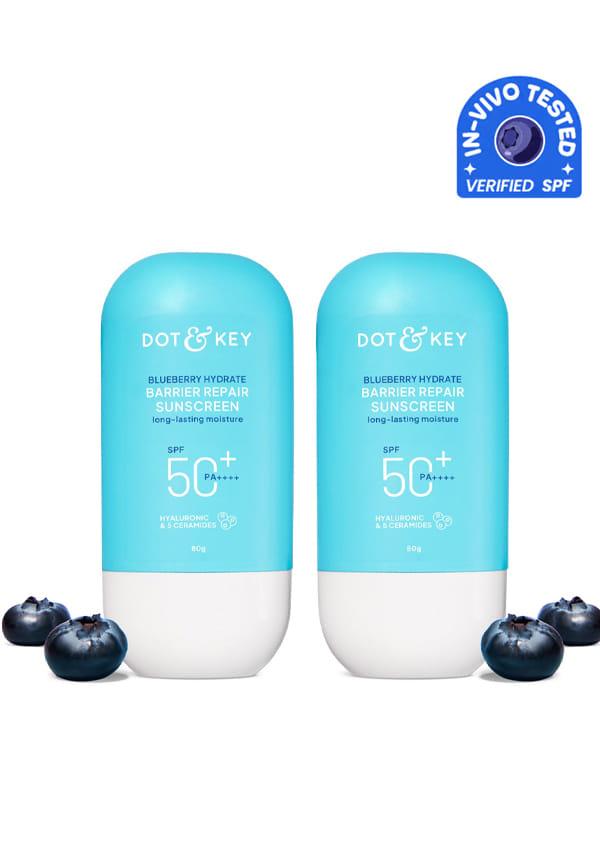
Barrier Repair Sunscreen, In-Vivo Tested SPF 50+ PA++++
This comes up constantly: do curtains actually protect you? The answer depends entirely on the fabric. Sheer curtains might look lovely but offer minimal UV protection - sometimes as little as 10-20%. Heavy, tightly woven fabrics can block up to 90% of UV rays. UV-blocking window films are becoming popular in India as a more permanent solution, especially for home offices and frequently used spaces.
The standard advice of reapplying sunscreen every 2 hours comes from outdoor exposure studies, but indoor situations are more nuanced. Your reapplication schedule should match your actual exposure risk.
For continuous window exposure - think working at a desk by a window all day - the 2-3 hour reapplication rule still applies. However, if you're moving between different rooms or only occasionally near windows, you might extend this to 4-5 hours. The key is being honest about your actual exposure time.
A practical approach for most people: apply your best sunscreen for indoor use in the morning around 9 AM as part of your routine. If you're working near windows, consider a midday reapplication around 1 PM when the sun is strongest. For extended afternoon window exposure, a 4 PM touch-up makes sense. This schedule accounts for India's peak UV hours (10 AM to 4 PM) whilst remaining realistic for daily life.
Your skin often tells you when protection is needed. Visible sun patches on your skin through windows, feeling warmth from sunlight during video calls, or frequently moving between indoor and outdoor spaces are all cues that reapplication would be beneficial. In India's humid climate, sweating can also reduce sunscreen effectiveness, even indoors with air conditioning.
Indoor sunscreen doesn't need to be as heavy-duty as beach protection, but it should still offer broad-spectrum coverage. SPF 30-50 hits the sweet spot - effective protection without the heaviness that higher SPFs often bring.
Chemical sunscreens tend to work better for daily indoor wear because they're typically lighter and more cosmetically elegant. Look for ingredients like avobenzone or zinc oxide for UVA protection. Mineral sunscreens with zinc oxide or titanium dioxide are excellent for sensitive skin but can feel heavier in India's humidity.
Lightweight, non-greasy formulas are essential for India's humid conditions. Gel-based sunscreens, fluid formulations, or sunscreen-moisturiser combinations work well for daily indoor use. Tinted sunscreens offer the bonus of light coverage whilst protecting your skin.
For those following a complete skincare routine indoors, look for sunscreens that play well with other products. Water-based formulations typically layer better with serums and treatments, whilst cream-based options might be better for drier skin types.

Barrier Repair Sunscreen, In-Vivo Tested SPF 50+ PA++++
Incorporating indoor sun protection into your existing routine doesn't require a complete overhaul. The key is making it feel natural and sustainable.
Your morning routine should follow the standard order: cleanser, any treatment serums, moisturiser, then sunscreen. Apply your sunscreen about 15 minutes before you'll be near windows to give it time to properly absorb and form a protective film on your skin.
India's seasons do affect indoor UV exposure. Summer months require more diligent reapplication, especially if you're using fans instead of air conditioning. Monsoon season brings humidity challenges - look for sweat-resistant formulations even for indoor use. Winter might feel like you can skip protection, but UV rays don't take a holiday, and the sun can be quite strong even on cooler days.
If you're using active ingredients like retinol, AHAs, or vitamin C, sunscreen becomes even more important indoors. These ingredients can increase photosensitivity, making your skin more susceptible to UV damage even from window exposure. Allow proper wait times between products - about 5-10 minutes between each layer works for most people.
Let's address the elephant in the room: many people still believe indoor sunscreen is unnecessary. The research tells a different story. Studies show that up to 40% of our daily UV exposure can happen indoors, particularly for people who work near windows or spend time in sun-filled rooms.
The "I don't need sunscreen at home" mindset is particularly common, but cumulative damage from casual window exposure adds up over time. That lovely morning coffee spot by the kitchen window? Those afternoon work calls with natural light streaming in? They're all contributing to your skin's UV exposure load.
Cloudy days are particularly deceptive in India. Up to 80% of UV rays can penetrate cloud cover, and the high altitude of many Indian cities means UV exposure remains significant even when it doesn't feel sunny. Reflected light from buildings, roads, and other surfaces also contributes to indoor UV exposure through windows.
This myth persists despite clear evidence that makeup with SPF rarely provides adequate protection. Most people don't apply foundation thickly enough to achieve the stated SPF, and makeup breaks down throughout the day. A dedicated sunscreen underneath your makeup is non-negotiable for proper protection.
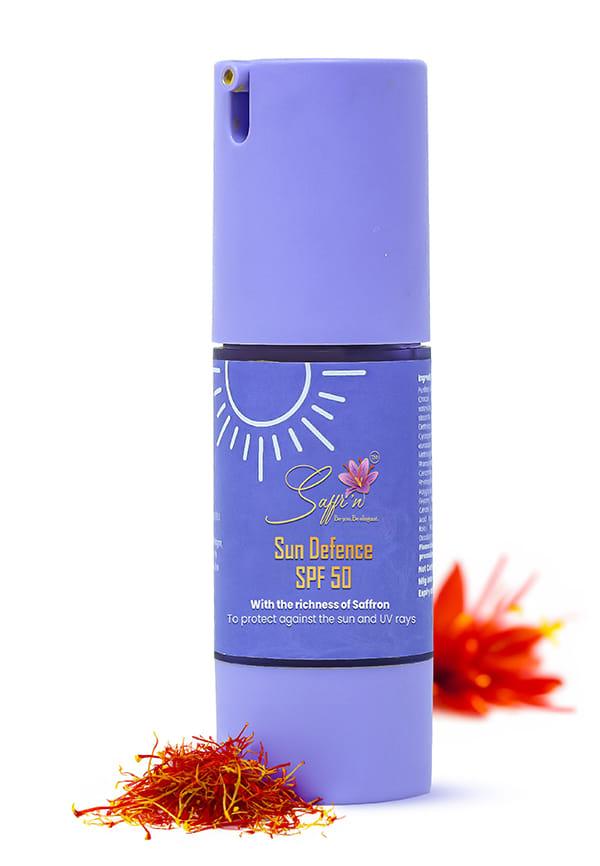
Sun Defence SPF 50
Yes, if you're within 2 metres of windows for more than 2-3 hours, reapplication is recommended for optimal protection. The key is assessing your actual UV exposure risk rather than following a rigid schedule.
Absolutely. UVA rays penetrate glass windows and can cause skin damage, premature ageing, and increase skin cancer risk even indoors. Window glass blocks most UVB rays but allows up to 75% of UVA rays through.
Yes, especially in India's high-UV environment. Indoor sunscreen protects against window UV exposure and potentially blue light from screens. It's particularly important if you spend significant time near windows.
Use 3 finger-lengths of sunscreen for your face and neck - approximately 1/4 teaspoon - for adequate coverage and protection. This ensures you're applying enough product to achieve the stated SPF protection.
Depends on curtain thickness and UV-blocking capability. Sheer curtains offer minimal protection; heavy, UV-rated curtains may eliminate the need for frequent reapplication. When in doubt, maintain your regular sunscreen routine.
Chemical sunscreens need about 15-20 minutes to absorb and become effective, whilst mineral sunscreens work immediately upon application. Plan accordingly when moving between indoor and outdoor spaces.
Yes, a good broad-spectrum sunscreen works for both situations. However, you might prefer lighter formulations for indoor use and more robust, water-resistant options for outdoor activities.
The question isn't whether you need sunscreen indoors - the science clearly shows that indoor UV exposure is real and cumulative. The real question is how to build a sustainable routine that protects your skin without feeling burdensome. Start by honestly assessing your daily UV exposure risk, choose a sunscreen that feels good on your skin, and set realistic reapplication reminders for high-risk periods.
Remember, skincare is deeply personal. What works for someone else might not work for you, and that's perfectly fine. The goal is finding a routine you can stick with long-term. Whether that's a lightweight daily sunscreen for minimal window exposure or a more diligent reapplication schedule for window-adjacent work, consistency matters more than perfection.
If you're curious about trying different sunscreen formulations to find your perfect indoor protection, Smytten's curated selection includes options from trusted brands that many users have tried and loved. Finding the right sunscreen for your skin type and lifestyle is worth the investment in your skin's long-term health. After all, the best sunscreen is the one you'll actually use every day.
