Sunscreen for Oily Acne-Prone Skin FAQ: Your Questions Answered

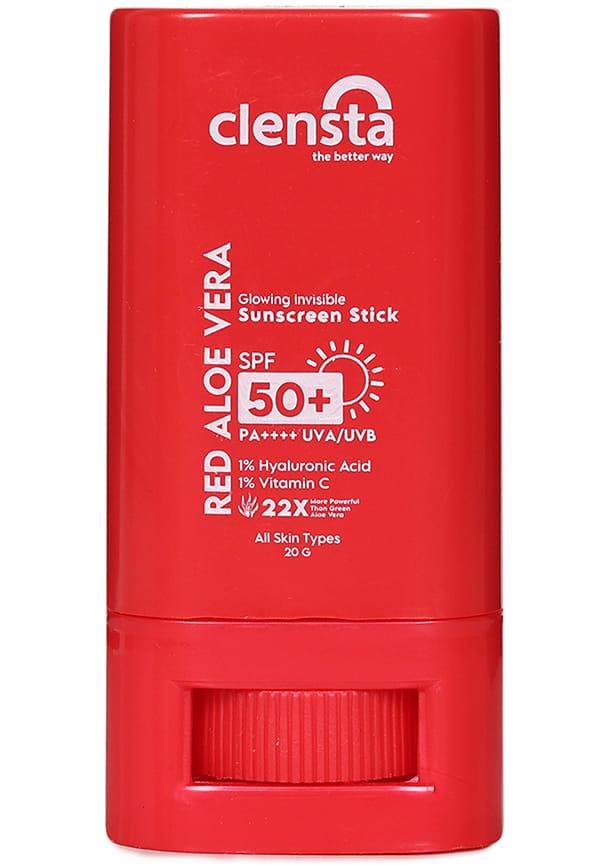
Red Aloe Vera SPF 50 Sunscreen Stick PA++++, UVA/UVB Rays Protection With Hyaluronic Acid & Vitamin C
Finding the right sunscreen for oily acne-prone skin feels like solving a puzzle, doesn't it? You need protection from UV damage, but every formula seems to either leave you looking like a grease slick or trigger a fresh wave of breakouts. Real talk: this struggle is incredibly common, and you're definitely not alone in feeling frustrated by sunscreens that promise the world but deliver clogged pores instead. The good news? There are genuinely brilliant formulas out there that protect your skin without sabotaging your complexion. Whether you're dealing with hormonal acne, post-inflammatory hyperpigmentation, or just trying to keep shine at bay during those sweltering summer months, the right SPF can actually work with your skin rather than against it. At Smytten, we've seen countless people discover their perfect sunscreen match through trial packs, proving that finding your holy grail doesn't have to involve expensive mistakes. Let's dive into the most common questions about sunscreen for oily acne-prone skin and get you the answers you've been searching for.
Sunscreen is absolutely essential for oily acne-prone skin to prevent scarring and hyperpigmentation
Look for non-comedogenic, oil-free formulas with zinc oxide or titanium dioxide
Gel-based textures offer the best lightweight protection without clogging pores
Proper application requires the two-finger rule and reapplication every 2-3 hours
Trial packs help you test formulas before committing to full-size purchases
Let's address the elephant in the room first. Many people with oily, acne-prone skin avoid sunscreen because they've been burnt before by heavy, pore-clogging formulas. But skipping SPF altogether is like leaving your skin defenceless against one of the biggest culprits behind persistent acne scarring and dark spots.
UV exposure doesn't just cause immediate damage—it actively worsens existing acne concerns. When your skin is exposed to UV rays, inflammation increases, which can make active breakouts more severe and longer-lasting. Post-inflammatory hyperpigmentation, those stubborn dark marks left behind after spots heal, becomes significantly darker and takes much longer to fade without proper sun protection.
Your skin will notice the difference, and not in a good way. UV exposure triggers increased sebum production as your skin tries to protect itself, creating a cycle where oily skin becomes even oilier. Those existing acne scars and dark spots? They'll darken and become more pronounced. Plus, you're fast-tracking premature ageing, which means fine lines and uneven texture on top of your existing skin concerns.
Not all sunscreen ingredients are created equal, especially when you're dealing with sensitive, breakout-prone skin. Understanding what to look for—and what to avoid—can make the difference between finding your holy grail and adding another disappointing product to your bathroom cabinet.
Zinc oxide is your best friend here. This mineral sunscreen ingredient provides broad-spectrum protection whilst being incredibly gentle on sensitive skin. It's naturally anti-inflammatory, which means it can actually help calm existing breakouts whilst protecting against future damage.
Titanium dioxide offers similar benefits with excellent broad-spectrum coverage. These physical sunscreens sit on top of your skin rather than being absorbed, making them less likely to interfere with your pores or trigger reactions.
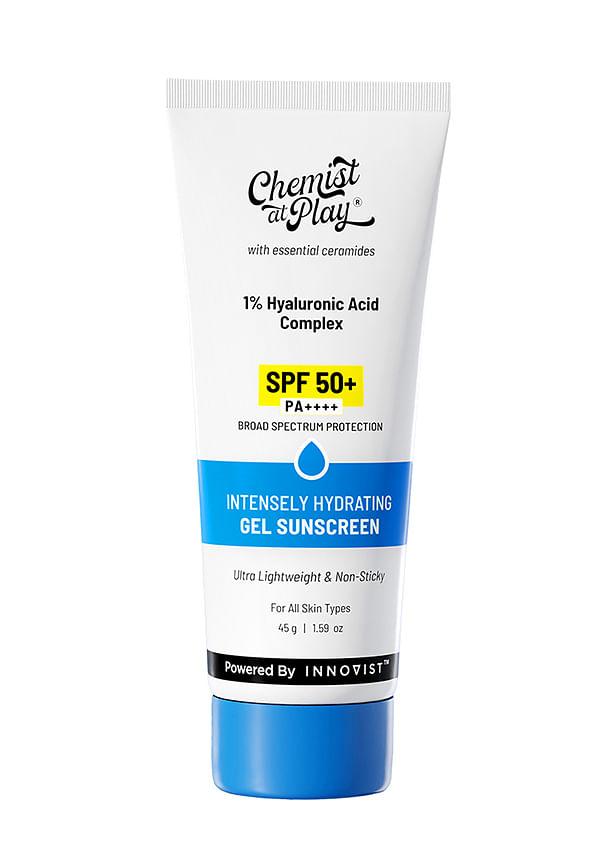
1% Hyaluronic Acid Gel Sunscreen | Intensely Hydrates | SPF 50+
Niacinamide is brilliant for oil control and pore refinement. When you find a sunscreen that includes this powerhouse ingredient, you're getting sun protection plus sebum regulation in one step.
Hyaluronic acid provides lightweight hydration without any heaviness. Even oily skin needs moisture, and this ingredient delivers it without contributing to that greasy feeling you're trying to avoid.
Comedogenic oils like coconut oil, cocoa butter, and heavy emollients are absolute no-gos. Fragrances and essential oils can trigger irritation and breakouts. Surprisingly, alcohol-based formulations might seem appealing for their mattifying effect, but they often trigger oil rebound, leaving you greasier than before.
The texture of your sunscreen matters just as much as the ingredients. Getting this right means the difference between a product you'll actually want to use daily and one that sits abandoned in your skincare drawer.
Gel sunscreens are often the gold standard for oily acne-prone skin. They absorb quickly, leave no residue, and provide that lightweight feel that doesn't interfere with makeup application. Water-based gel formulations work particularly well for combination skin, giving you protection without overwhelming your T-zone.
If gels aren't your thing, look for fluid or ultra-light lotion textures. Modern matte finish sunscreen technologies have come incredibly far, offering genuine oil control without that chalky, white cast that older formulas were notorious for. Broad spectrum sunscreen for oily skin now comes in textures so light, you'll forget you're wearing anything at all.
Tinted sunscreens can be brilliant for evening out your complexion whilst providing protection, but they need to match your skin tone properly. Clear formulas offer more versatility and won't interfere with your foundation shade. The choice really comes down to whether you want your SPF to double as light coverage or prefer to layer your makeup separately.
Your specific skin needs, lifestyle, and even gender can influence which sunscreen formula will work best for you. Let's break down the key considerations that'll help you narrow down your options.
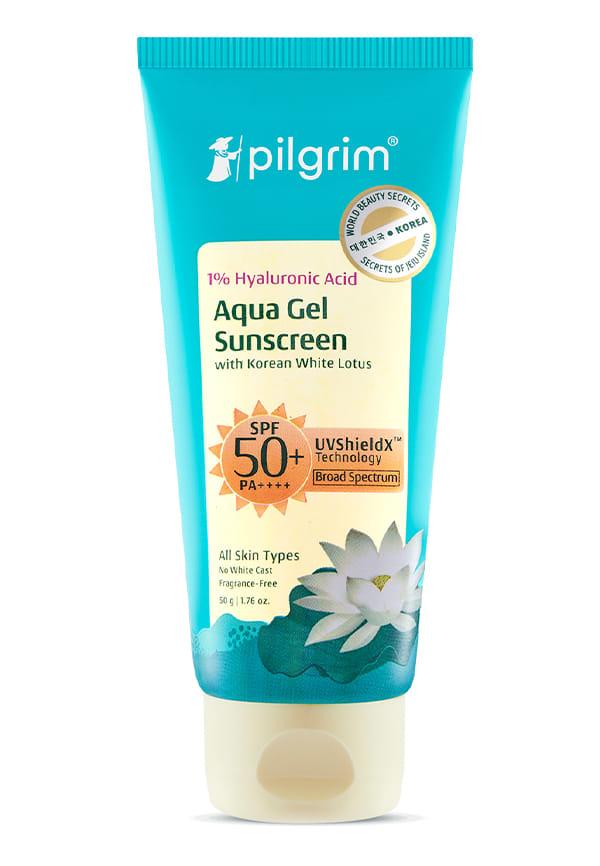
1% Hyaluronic Acid Aqua Sunscreen Gel SPF 50 PA++++
If you're dealing with dark spots and hyperpigmentation alongside oily, acne-prone skin, look for sunscreens that include brightening ingredients like vitamin C or kojic acid. These formulas work double duty, protecting against further damage whilst helping to fade existing marks.
For those with particularly sensitive skin that's also acne-prone, mineral sunscreens with zinc oxide or titanium dioxide are your safest bet. They're less likely to cause irritation whilst still providing excellent protection.
SPF 30 provides about 97% protection from UVB rays, whilst SPF 50 offers around 98%. For daily use, SPF 30 is perfectly adequate, but if you're spending extended time outdoors or have a history of hyperpigmentation, SPF 50 gives you that extra margin of protection.
Look for PA++++ ratings or broad spectrum labels to ensure you're getting UVA protection as well. UVA rays are the ones responsible for premature ageing and can penetrate deeper into the skin, making this protection crucial for long-term skin health.
Even the best sunscreen won't protect you properly if you're not applying it correctly. Getting your technique right ensures you're actually getting the protection promised on the bottle.
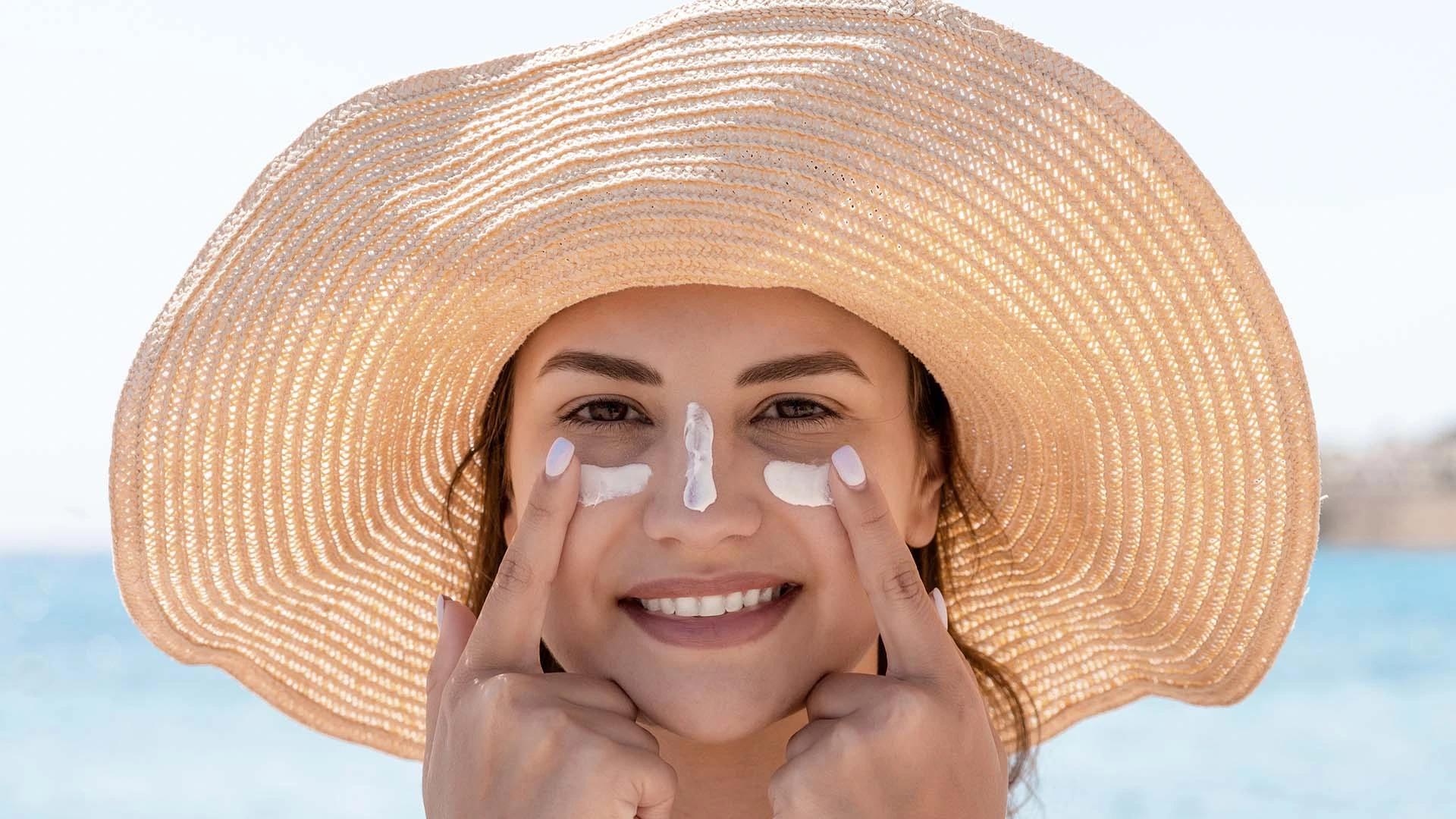
Squeeze sunscreen along the length of your index and middle fingers—this gives you roughly the right amount for your face and neck. It might seem like a lot at first, but this is what's needed for proper protection. Apply in gentle, upward strokes, making sure you don't miss areas like your hairline, around your nose, and under your chin.
Reapplying over makeup can be tricky, but it's essential if you're outdoors for extended periods. Powder sunscreens work well for touch-ups, though they shouldn't replace your morning application. SPF setting sprays can also work, but make sure you're applying enough—most people use far too little with spray formulations.
Sunscreen should be the last step in your morning skincare routine, applied after moisturiser but before makeup. If you're using active ingredients like retinoids or AHAs, wait about 10-15 minutes between applications to avoid pilling or reduced effectiveness.
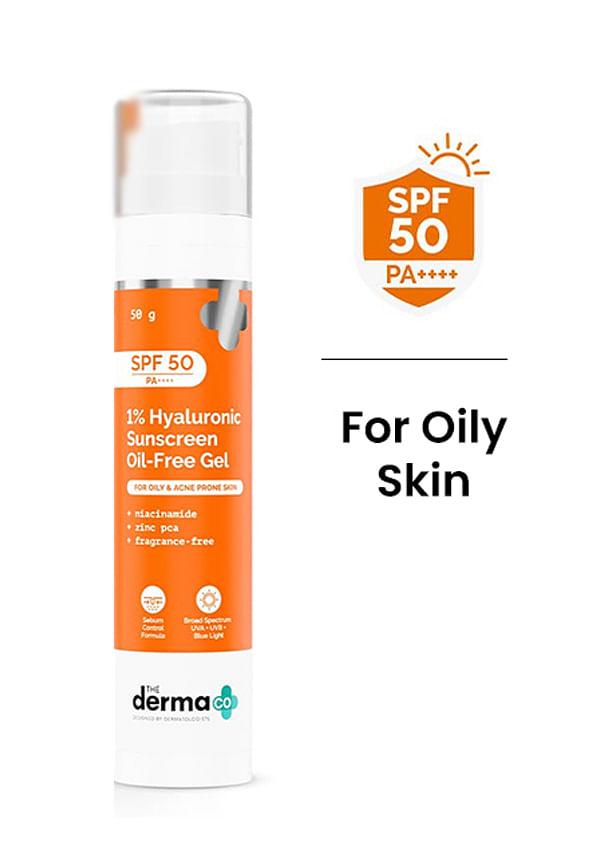
1% Hyaluronic Sunscreen Oil-Free Gel
Absolutely, yes. Sunscreen prevents UV damage that can worsen acne scarring and hyperpigmentation. The key is choosing the right formula—non-comedogenic, oil-free options won't clog your pores or make your skin greasier. In fact, proper sun protection helps prevent the inflammation that can make existing breakouts worse.
Steer clear of comedogenic oils like coconut oil, heavy emollients, fragrances, and essential oils. These can clog pores and trigger breakouts. Also avoid alcohol-based formulations that might seem mattifying but can actually cause oil rebound, making your skin produce even more sebum.
It's better to use separate formulas. Facial sunscreens are specifically formulated for the delicate skin on your face and are less likely to clog pores. Body sunscreens often contain ingredients that might be too heavy or comedogenic for facial use, especially if you're prone to breakouts.
Watch for new breakouts appearing specifically in areas where you apply sunscreen, increased blackheads, or your skin feeling congested after 2-3 weeks of consistent use. If you notice these signs, it's time to switch to a different formula. This is where trial packs from Smytten can be incredibly helpful—you can test a product for a few days without committing to a full-size purchase.
If you're sitting near windows or spending time in areas with significant natural light, reapplication is still important. UVA rays can penetrate glass, so you're not completely protected indoors. For typical office environments, one morning application is usually sufficient, but if you're near large windows, consider reapplying midday.
It depends on your skin's needs and the specific sunscreen formula. Some lightweight sunscreens for oily skin are designed to replace your morning moisturiser, whilst others work better when layered over a light, oil-free moisturiser. Pay attention to how your skin feels throughout the day—if it feels tight or dry, you might need that extra hydration step.
Finding the right sunscreen for oily acne-prone skin isn't about compromising—it's about finding a formula that works with your skin type rather than against it. Non-comedogenic, oil-free formulations with mineral ingredients like zinc oxide offer the best protection without triggering breakouts. Gel-based textures typically provide the lightweight feel that oily skin craves, whilst proper application using the two-finger rule ensures you're getting adequate protection.
Remember that consistency matters more than perfection. A sunscreen you'll actually use daily is infinitely better than the "perfect" formula that sits unused because you don't like how it feels. Don't be afraid to experiment with different textures and formulations until you find your match—your skin will thank you for the protection, and your future self will appreciate the prevention of premature ageing and hyperpigmentation.
Your journey to finding the perfect sunscreen for oily acne-prone skin doesn't have to involve expensive trial and error. Smytten is India's largest product discovery and trial platform, connecting you with over 2,400 trusted brands including skincare favourites like Cetaphil, Dot & Key, and WishCare. Through curated trial packs, you can explore different sunscreen formulations before committing to full-size purchases. With up to 10 trial points for just ₹279 and 100% cashback on trial purchases redeemable for future orders, you can discover your perfect SPF match affordably. The platform's 90% pincode coverage means authentic, brand-verified minis are available across India, helping over 28 million users make smarter skincare choices. When you find a sunscreen you love through trials, buying the full-size version is just a click away in Smytten's shop. After all, why settle for maybe when you can try it all and find exactly what your skin needs?
