Sunscreen for Beginners India: A Step-by-Step Application Guide

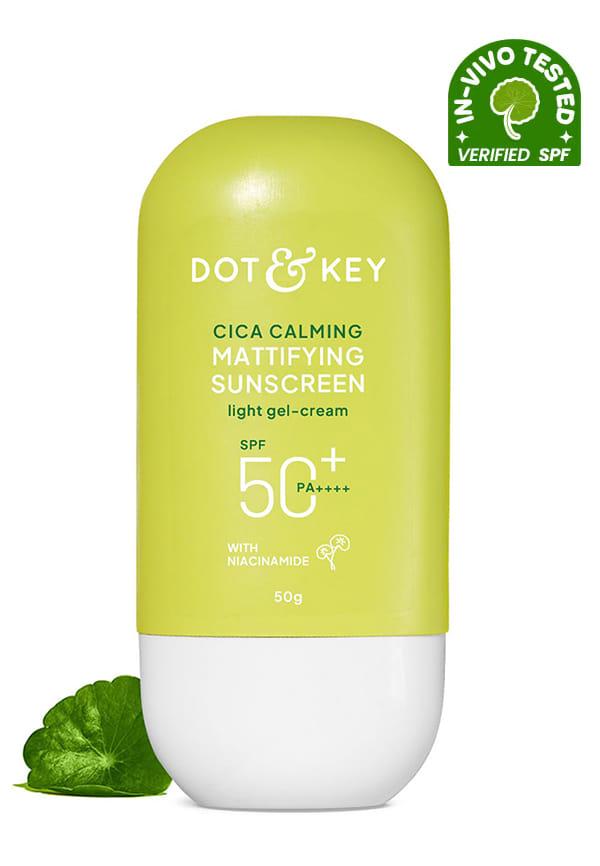
Cica + Niacinamide Sunscreen, In-Vivo Tested SPF 50+ PA++++
Lightweight on Skin
 4
4“it's light weight into your skin”
Lightweight on Skin
4“it's light weight into your skin”
Light, Textured, Smooth Skin
5“super light a nice texture smooth skin”
You've probably heard it a thousand times: wear sunscreen every day. But if you're staring at endless rows of SPF products wondering where to start, you're not alone. Between gel formulas, cream textures, SPF numbers, and ingredient lists that read like chemistry textbooks, choosing your first sunscreen for beginners india can feel overwhelming. The good news? Once you understand the basics, protecting your skin becomes as simple as brushing your teeth.
India's intense UV radiation doesn't take days off. Whether you're in Mumbai's humidity or Delhi's dry heat, your skin faces UV exposure that's significantly higher than many other countries. The UV index across most Indian cities regularly hits 8-11 during peak hours, which falls into the 'very high' to 'extreme' category.
Our tropical and subtropical climate means year-round sun exposure, even during monsoons when clouds create a false sense of security. UV rays penetrate cloud cover, and the combination of humidity and pollution actually makes your skin more vulnerable to damage. Cities like Bangalore might feel cooler, but the UV intensity remains high due to altitude and clear skies.
Daily sunscreen use isn't just about preventing sunburn. For Indian skin types, which are naturally more prone to hyperpigmentation, consistent SPF use helps prevent dark spots, melasma, and post-inflammatory hyperpigmentation from acne. It's also your first line of defence against premature ageing and maintains that even skin tone you've been working towards.
Think of sunscreen as your skin's daily armour. There are two main types, and understanding the difference helps you choose what works best for your lifestyle and skin concerns.
Physical sunscreens contain zinc oxide or titanium dioxide and work like tiny mirrors, reflecting UV rays away from your skin. They're brilliant for sunscreen for sensitive skin because they're less likely to cause irritation. Chemical sunscreens absorb UV rays and convert them to heat, which your body then releases. They tend to feel lighter and blend more easily, making them popular for daily wear.
Here's the real talk: SPF 30 blocks about 97% of UVB rays, while SPF 50 blocks 98%. That 1% difference might seem small, but in India's intense sun, dermatologists typically recommend SPF 50 for daily use. Look for 'broad-spectrum' on the label, which means protection against both UVA and UVB rays.
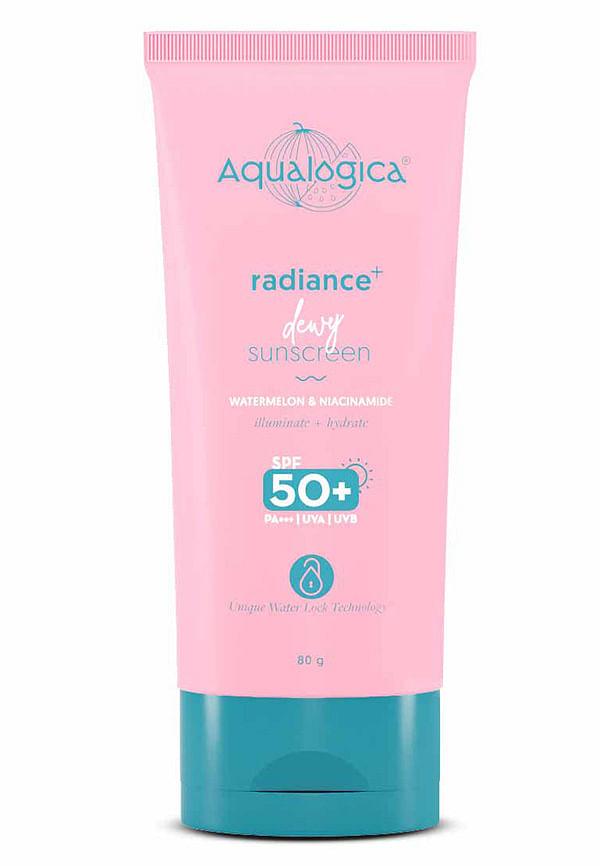
Radiance+ Dewy Sunscreen
Great for Indian Skin
5“light weight, no white cast and great for indian skin”
Great for Indian Skin
5“light weight, no white cast and great for indian skin”
Great for Indian Skin
5“light weight, no white cast and great for indian skin”
Beyond the active sunscreen ingredients, look for niacinamide for oil control, hyaluronic acid for hydration, and antioxidants like vitamin C. These bonus ingredients mean your sunscreen works harder for your skin while protecting it.
Your skin type determines which formula will become your daily go-to. There's no one-size-fits-all approach, and that's perfectly fine.
If your T-zone gets shiny by lunchtime, gel-based or mattifying sunscreens are your friends. Look for 'non-comedogenic' on the label, which means it won't clog pores. Sunscreen for acne prone skin often contains niacinamide or zinc oxide, which actually help control oil production whilst protecting your skin.
Sensitive skin responds best to physical sunscreens with minimal ingredients. Avoid fragrances, alcohol, and chemical filters like oxybenzone if your skin tends to react. Always patch test new products on your inner wrist and wait 24 hours before applying to your face.
Facial sunscreens are formulated to be lighter and less likely to interfere with makeup. Best sunscreen for face options often have a more elegant finish and may include skincare benefits. Body sunscreens can be thicker and more water-resistant, perfect for outdoor activities.
Proper application makes all the difference between protection and just going through the motions. Most people use far less sunscreen than needed, which significantly reduces protection.
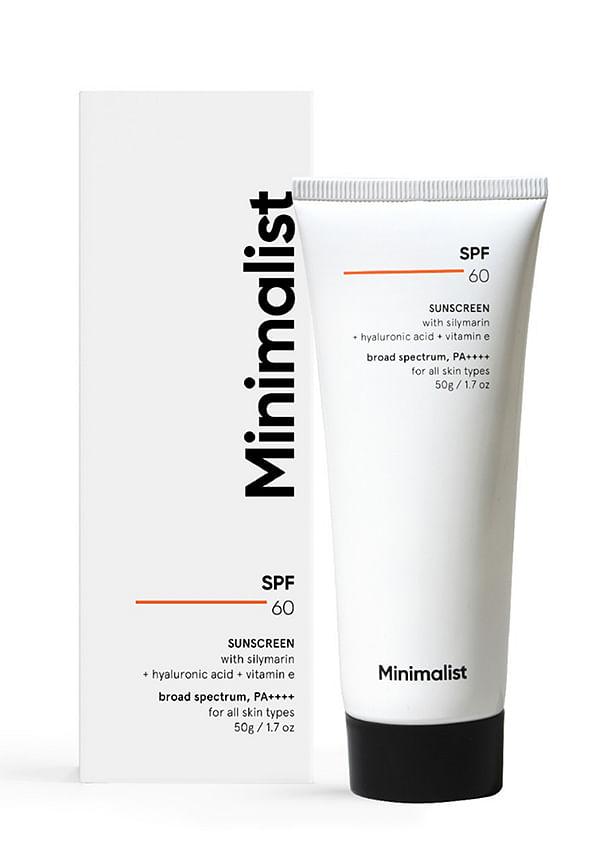
SPF 60 PA ++++ Sunscreen With Antioxidant Silymarin,Senstive Skin & Acne
Excellent Product Quality
5“Best quality product i have ever used”
Good Product, No White Cast
4“using it over 2 year. good product leaves no white cast”
Good Product, No White Cast
4“using it over 2 year. good product leaves no white cast”
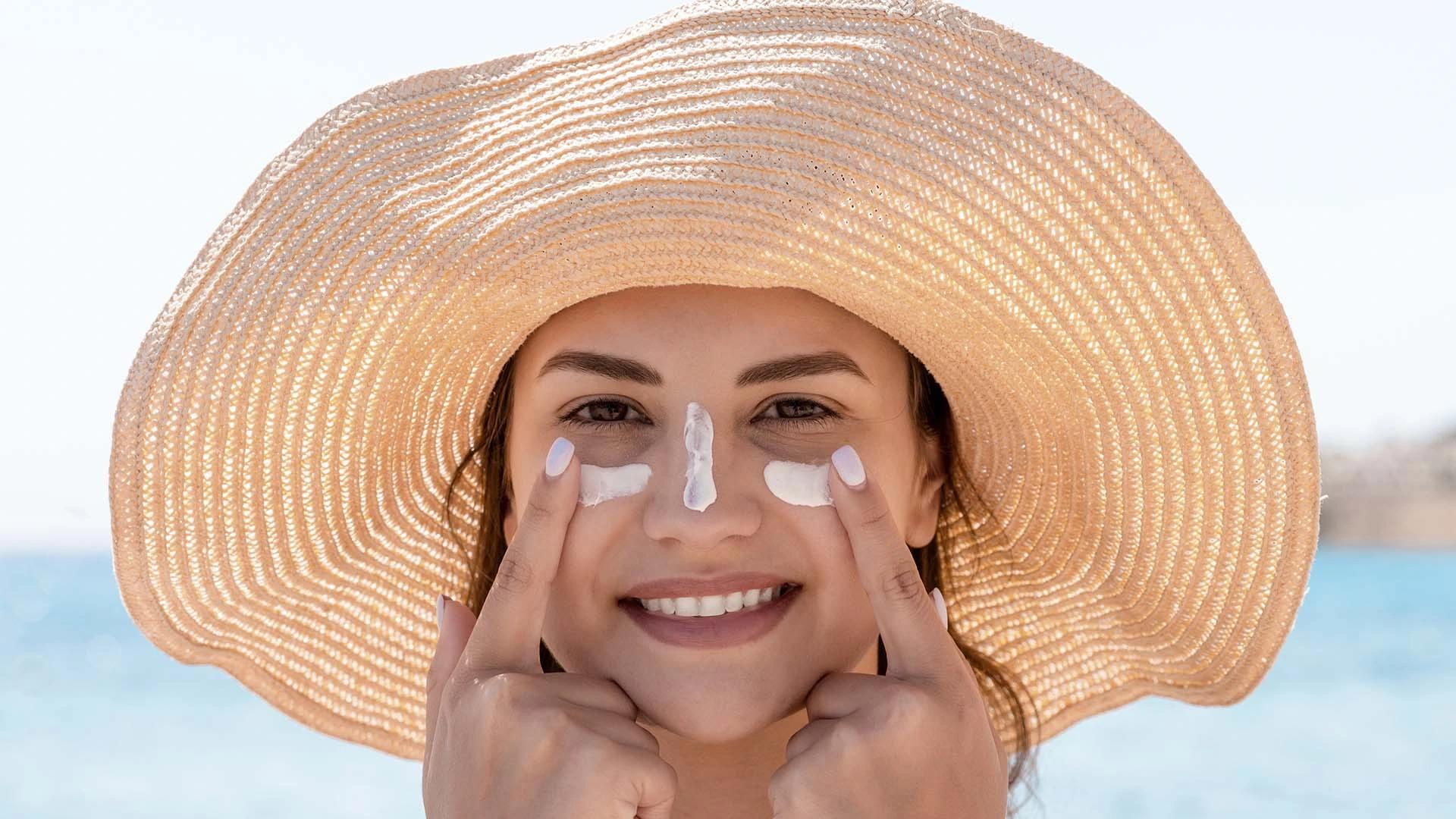
For your face and neck, you need about 1/4 teaspoon of product. That's roughly the size of a 10-rupee coin. It might seem like a lot initially, but your skin will absorb it within a few minutes. For your entire body, you'd need about 6 teaspoons of sunscreen.
Start with clean, moisturised skin. Apply sunscreen in dots across your face, then blend gently in upward motions. Don't forget your ears, neck, and the area around your eyes. Wait at least 15 minutes before applying makeup or heading outdoors to let the sunscreen set properly.
The golden rule is every two hours, but in India's climate, you might need to reapply more frequently if you're sweating or spending time outdoors. For reapplication over makeup, consider powder sunscreens or setting sprays with SPF.
Making sunscreen a habit rather than an afterthought is key to seeing long-term benefits for your skin.
Your daily sunscreen use should come after moisturiser but before makeup. The sequence is: cleanser, toner (if you use one), serums, moisturiser, sunscreen, then makeup. Give each layer a minute or two to absorb before applying the next.
During monsoons, you might prefer a lighter, gel-based formula that won't feel heavy in humidity. Summer calls for water-resistant options, especially if you commute on two-wheelers. Winter sun can be deceptive, but UV rays remain strong, so don't skip your SPF.
Using too little product is the biggest mistake. Others include skipping cloudy days (UV rays penetrate clouds), forgetting to reapply, and not extending application to your neck and ears. Also, expired sunscreen loses effectiveness, so check those dates.
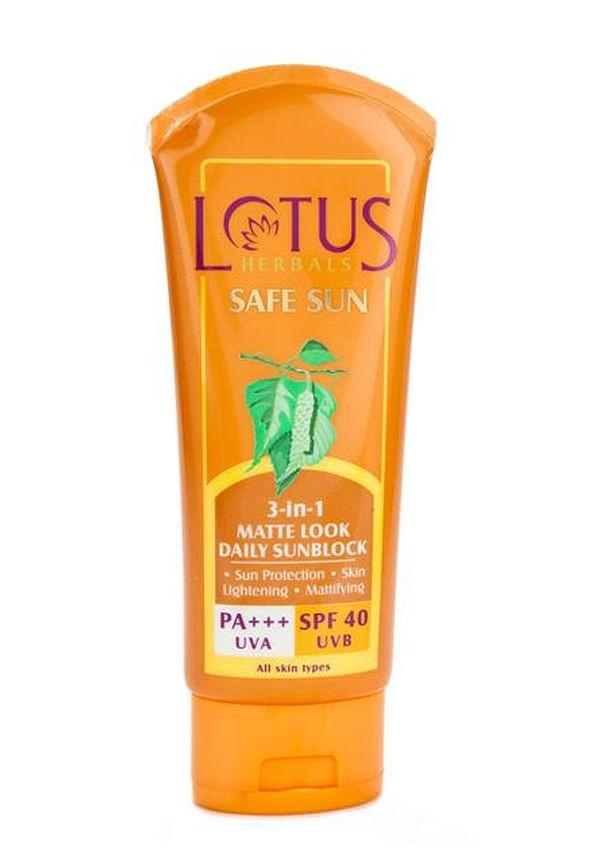
Safe Sun 3 In 1 Matte-Look Daily Sunscreen SPF 40 PA+++
Start with SPF 50 for daily use in Indian conditions. It provides excellent protection without being unnecessarily heavy, and most dermatologists recommend this level for our climate.
Absolutely. Look for non-comedogenic, gel-based formulas or those containing zinc oxide, which actually helps control oil and has anti-inflammatory properties that benefit acne-prone skin.
Sunscreen effectiveness decreases over time due to UV exposure, sweating, and natural skin oils. Reapply every two hours, or immediately after swimming, sweating heavily, or towelling off.
Not necessarily. Many affordable sunscreens offer excellent protection. Focus on broad-spectrum coverage, appropriate SPF levels, and ingredients that suit your skin type rather than price alone.
If you're near windows or spend time in areas with significant natural light, yes. UVA rays can penetrate glass, and if you're working from home near a window, some protection is beneficial.
Starting your sunscreen journey doesn't have to be complicated. Choose a formula that feels comfortable on your skin, apply it generously every morning, and reapply as needed. Your future self will thank you for the protection you're providing today.
Remember, the best sunscreen for face is the one you'll actually use consistently. Whether you prefer gel textures for oily skin or cream formulas for dry skin, the key is making it a non-negotiable part of your routine.
If you're curious about trying different formulations before committing to full-size products, platforms like Smytten let you explore minis from trusted brands. With over 28 million users discovering products through trial sizes, it's a smart way to find your perfect sunscreen match without the guesswork.
