Sunflower Seeds for Women's Skin: Your FAQ Guide

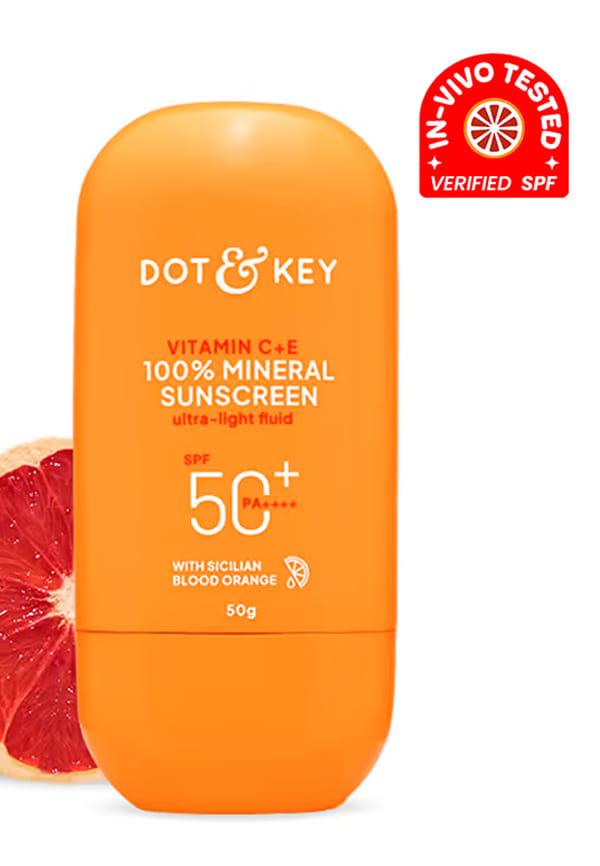
Vitamin C + E 100% Mineral Sunscreen SPF 50+ PA++++
Ever wondered why your skin feels dull despite following a solid skincare routine? The answer might be sitting in your kitchen cupboard. Sunflower seeds aren't just a crunchy snack - they're packed with nutrients that can transform your skin from the inside out. From tackling stubborn acne to fighting early signs of ageing, these tiny powerhouses offer benefits that go far beyond what most of us realise. If you've been searching for natural ways to support your skin health, understanding how sunflower seeds benefits for skin work could be the game-changer you've been looking for.
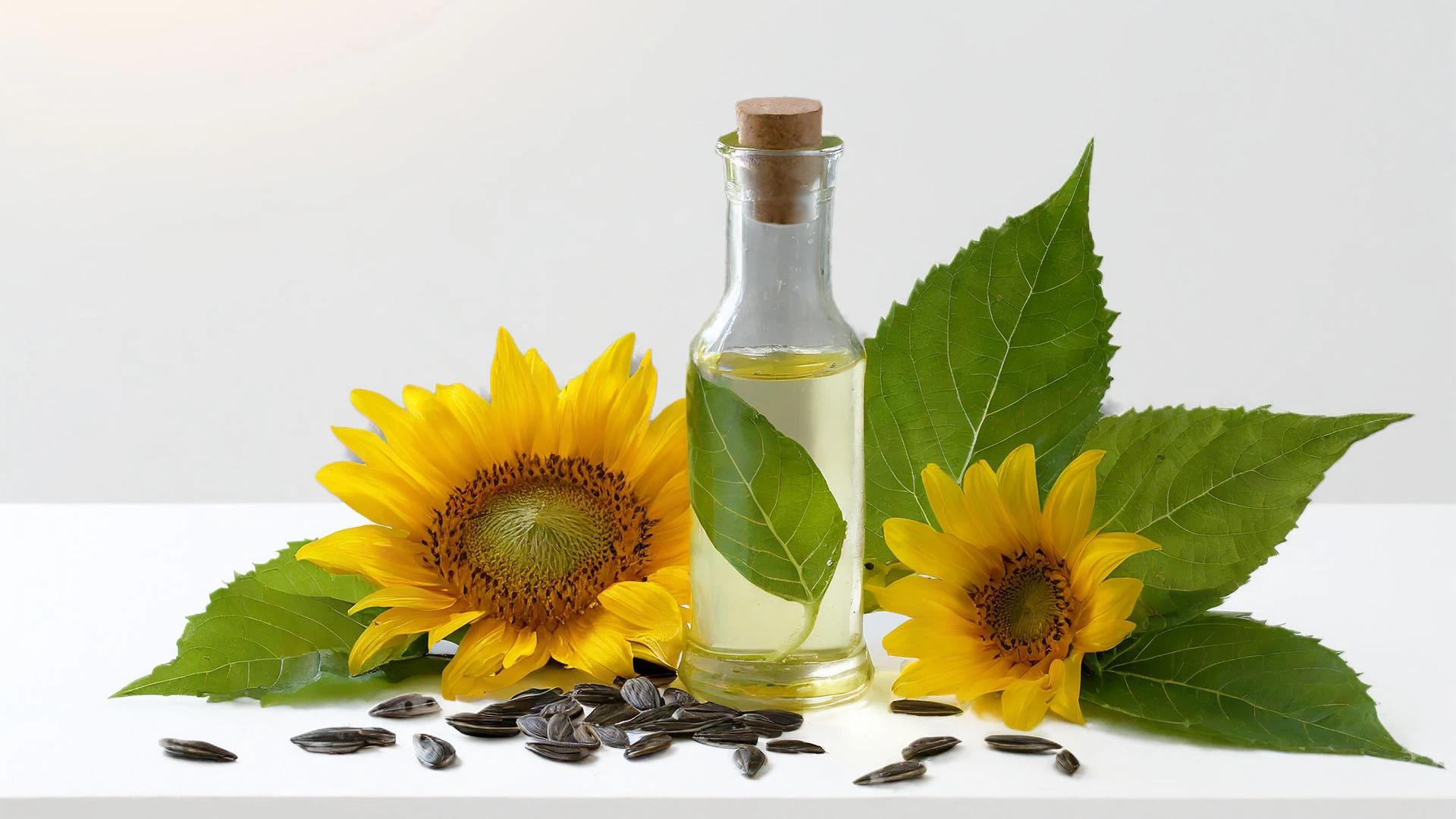
Sunflower seeds are the edible fruits of the sunflower plant, packed with an impressive nutritional profile that makes them particularly beneficial for women's skin. These small seeds contain a concentrated blend of vitamin E, healthy fats, selenium, zinc, and magnesium - all crucial nutrients for maintaining healthy, glowing skin.
What makes skin health and sunflower seeds such a perfect match is the way these nutrients work together. Women's skin faces unique challenges throughout different life stages - from hormonal fluctuations during menstruation to the effects of stress and environmental damage. The nutrients in sunflower seeds for skin address these concerns by supporting the skin's natural repair processes, maintaining moisture levels, and protecting against oxidative stress.
The connection between internal nutrition and external skin appearance is particularly strong with sunflower seeds. When you nourish your body with the right nutrients, your skin reflects this health from within. Unlike topical treatments that work on the surface, eating nutrient-rich foods like sunflower seeds supports your skin's foundation, creating lasting improvements in texture, tone, and overall radiance.
The research behind sunflower seeds benefits for skin is compelling, with multiple studies highlighting how specific nutrients in these seeds contribute to healthier skin. Let's explore the key components that make sunflower seeds such effective allies for your skincare routine.
Vitamin E for skin is one of the most potent antioxidants available, and sunflower seeds are amongst the richest food sources of this nutrient. Just 30 grams of sunflower seeds provide nearly 50% of your daily vitamin E requirement. This powerful antioxidant works by neutralising free radicals that cause premature ageing, protecting your skin cells from environmental damage, and supporting collagen synthesis for firmer, more youthful-looking skin.
The healthy fats for skin found in sunflower seeds, particularly linoleic acid, play a crucial role in maintaining your skin's protective barrier. This essential fatty acid helps repair damaged skin barriers, locks in moisture, and reduces inflammation that can lead to redness and irritation. When your skin barrier functions properly, it stays hydrated, plump, and resilient against external aggressors.
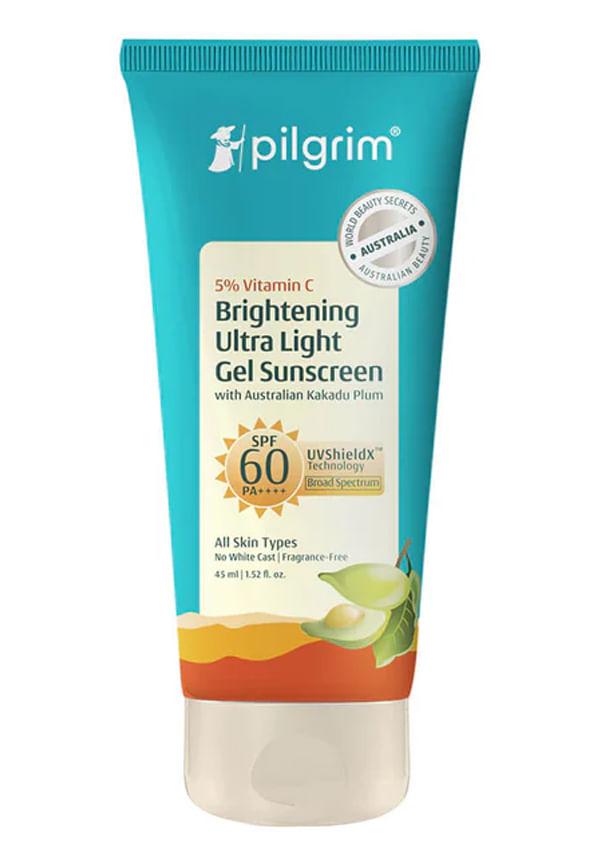
5% Vitamin C Brightening Ultra Light Gel Sunscreen SPF 60 PA++++
Beyond vitamin E and healthy fats, sunflower seeds contain selenium for skin elasticity, zinc for wound healing and acne prevention, and magnesium for managing stress-related skin issues. These minerals work synergistically to support various aspects of skin health, from cellular repair to hormone regulation that affects skin clarity.
Understanding how to eat sunflower seeds for skin benefits and exploring topical applications gives you multiple ways to harness their power. Both internal consumption and external application offer unique advantages for achieving healthier skin.
For optimal edible seeds for glowing skin results, aim for 30-40 grams of sunflower seeds daily - roughly a small handful. Raw or lightly roasted seeds retain the most nutrients, though avoid heavily salted varieties that can contribute to inflammation. Try sprinkling them over salads, blending into smoothies, or enjoying as a mid-morning snack. The key is consistency - your skin needs regular nutrient supply to show visible improvements over 4-6 weeks.
Sunflower seed oil for face application offers direct benefits to your skin's surface. This lightweight, non-comedogenic oil absorbs easily without clogging pores, making it suitable for most skin types. Apply 2-3 drops to clean skin before your moisturiser, or mix with your favourite face mask for added nourishment. The oil's anti-inflammatory properties help calm irritated skin whilst providing essential fatty acids directly where they're needed.
Different skin concerns respond particularly well to the targeted nutrients found in sunflower seeds. Whether you're dealing with breakouts, signs of ageing, or persistent dryness, these seeds offer specific benefits for each concern.
Sunflower seeds for acne work through multiple mechanisms. The zinc content helps regulate oil production and supports wound healing, whilst the anti-inflammatory properties of vitamin E and linoleic acid help calm existing breakouts. The seeds' ability to support hormonal balance also makes them particularly beneficial for women dealing with hormonal acne around their menstrual cycle.
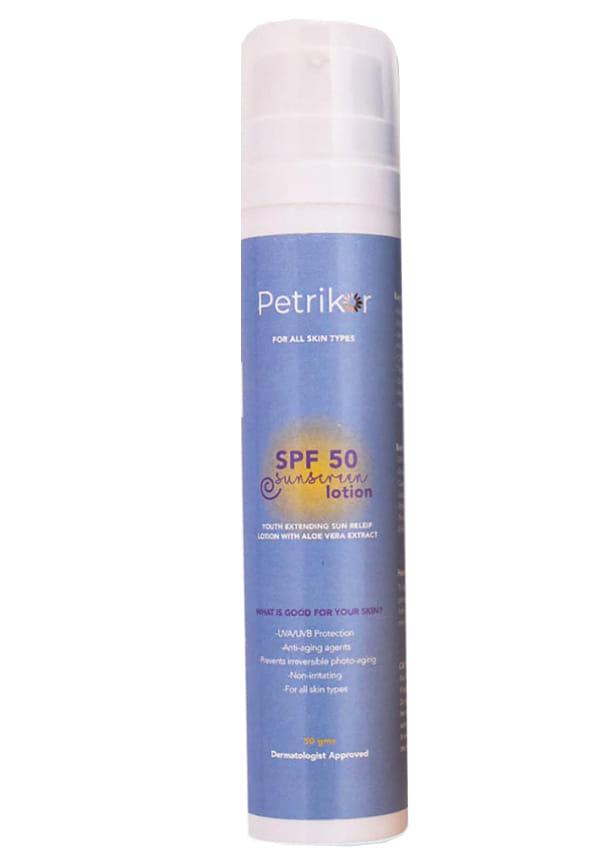
Sunscreen SPF 50 Infused with Aloe Vera Extract and Carrot seed oil
For sunflower seeds for anti-aging benefits, the combination of vitamin E and healthy fats works to protect existing collagen whilst supporting the production of new collagen fibres. This dual action helps maintain skin elasticity and reduces the appearance of fine lines. The antioxidant protection also prevents further damage from UV exposure and pollution.
The natural moisturising factors in sunflower seeds help strengthen your skin's barrier function, leading to improved moisture retention. This is particularly beneficial during winter months or in air-conditioned environments where skin tends to lose hydration more quickly.
Whilst sunflower seeds are generally safe for most people, understanding proper consumption guidelines ensures you get maximum benefits without any adverse effects.
The optimal amount for skin benefits is 30-40 grams daily, which provides substantial nutrients without excessive calories. This serving size offers approximately 200 calories and fits well into most balanced diets. Start with smaller amounts if you're new to eating seeds regularly, as your digestive system may need time to adjust.
Some individuals may experience digestive discomfort if consuming large quantities suddenly. Those with seed allergies should exercise caution and consult healthcare providers if uncertain. Pregnant and nursing women can safely include sunflower seeds in their diet, though moderation remains key. If you're taking blood-thinning medications, discuss vitamin E intake with your doctor, as high amounts may affect clotting.
Most people notice improvements in skin texture and hydration within 4-6 weeks of regular consumption. However, individual results vary based on overall diet, skin condition, and consistency of intake. The key is maintaining regular consumption rather than expecting immediate results.
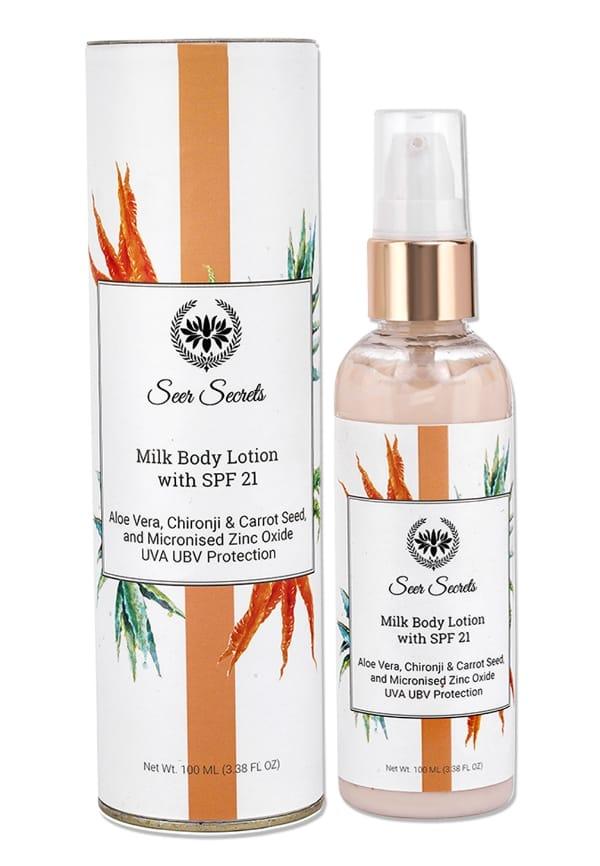
Aloe Vera, Chironji & Carrot Seed Spf 21 Milk Lotion- For Sun Damaged Skin
Yes, the zinc and healthy fats in sunflower seeds can help regulate oil production and reduce inflammation associated with hormonal breakouts. The seeds also support overall hormonal balance, which may help reduce the frequency and severity of hormonal acne over time.
Absolutely. Despite being an oil, sunflower seed oil is non-comedogenic and actually helps balance oil production. Its lightweight texture absorbs quickly without leaving a greasy residue, making it ideal for oily and combination skin types.
Sunflower seeds are generally well-tolerated and may actually help sensitive skin due to their anti-inflammatory properties. However, if you have known seed allergies or severe food sensitivities, start with small amounts and monitor your skin's response.
Lightly roasted sunflower seeds retain most of their nutritional value, though raw seeds contain slightly higher levels of heat-sensitive nutrients like vitamin E. Both forms offer significant skin benefits, so choose based on your taste preference.
Whilst sunflower seeds provide excellent nutritional support for skin health, they work best as part of a comprehensive approach that includes proper skincare, sun protection, and overall healthy lifestyle habits. Think of them as powerful allies rather than complete replacements for topical skincare.
The journey to healthier skin often starts from within, and sunflower seeds offer a simple, natural way to nourish your skin with essential nutrients. From supporting your skin's barrier function to providing powerful antioxidant protection, these tiny seeds pack impressive benefits that complement any skincare routine.
What makes sunflower seeds particularly appealing is their versatility - whether you prefer eating them as snacks, incorporating them into meals, or using the oil topically, you have multiple ways to harness their skin-supporting properties. The combination of vitamin E, healthy fats, and essential minerals creates a comprehensive nutritional profile that addresses various skin concerns naturally.
For those exploring new approaches to skincare, platforms like Smytten make it easier to discover products that work alongside your nutritional efforts. With access to curated selections from trusted brands and the ability to try products before committing to full sizes, you can build a skincare routine that complements your internal nutrition approach. After all, the best skin results often come from combining smart nutrition choices with quality skincare products that suit your unique needs.
