Sunburn vs Heat Rash on Indian Skin: FAQ


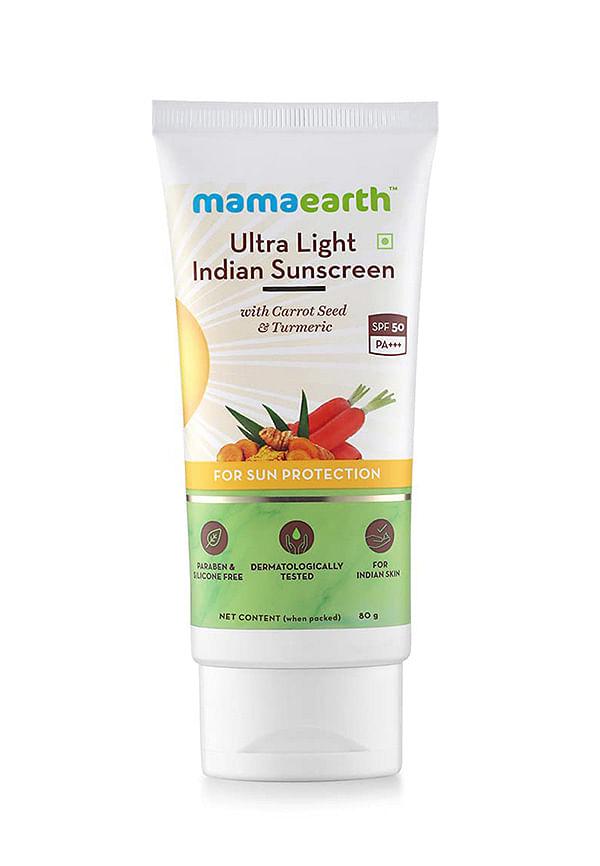
Ultra Light indian Sunscreen
That burning sensation after a day in the sun, or those tiny bumps that appear when you've been sweating too much – sound familiar? If you've ever wondered whether you're dealing with sunburn or heat rash, you're not alone. Many people with Indian skin find it tricky to tell the difference, especially since both conditions can look quite similar on darker skin tones. The good news? Once you know what to look for, identifying and treating these common skin irritations becomes much easier.
India's intense sun and humid climate create the perfect storm for various skin reactions. While our Indian skin has natural advantages thanks to higher melanin content, it's not immune to damage from UV rays or heat-related issues.
The higher melanin content in Indian skin does provide some natural protection against UV damage – think of it as a built-in SPF of about 4-6. However, this doesn't mean we're completely protected from sunburn. Many people assume darker skin tones can't burn, but that's simply not true. Sunburn on Indian skin often appears as darkening or hyperpigmentation rather than the obvious redness seen on lighter skin tones. Meanwhile, India's humid climate means our sweat glands work overtime, making heat rash incredibly common, especially during monsoon season when humidity peaks.
Here's the simplest way to tell them apart: sunburn typically affects sun-exposed areas like your face, shoulders, and arms, whilst heat rash loves warm, moist areas where sweat gets trapped – think underarms, chest, back, and areas covered by tight clothing. Sunburn develops hours after sun exposure and feels hot and tender to touch. Heat rash can appear within minutes of sweating and feels prickly or itchy rather than painful.
Sunburn on Indian skin doesn't always look like the lobster-red burns you see in movies. Instead, it's often more subtle but equally damaging.
On Indian skin, sunburn might appear as a darkening of the affected area, sometimes with a greyish or ashy undertone. You might notice your skin feels tight, hot, and tender to touch. In severe cases, you'll see actual redness, but it's often less obvious than on lighter skin tones. The real telltale sign is the heat radiating from your skin and the sharp, burning pain when touched.
Early signs include skin that feels warm and tight, followed by tenderness and possible swelling. Within 24-48 hours, you might notice darkening or hyperpigmentation in the affected areas. Severe sunburn can cause blistering, fever, and chills. The key difference from heat rash is that sunburn affects only the areas that were exposed to direct sunlight.
Heat rash, or prickly heat as it's commonly called, is incredibly common in India's hot, humid climate. It happens when sweat gets trapped under the skin, creating those annoying little bumps.
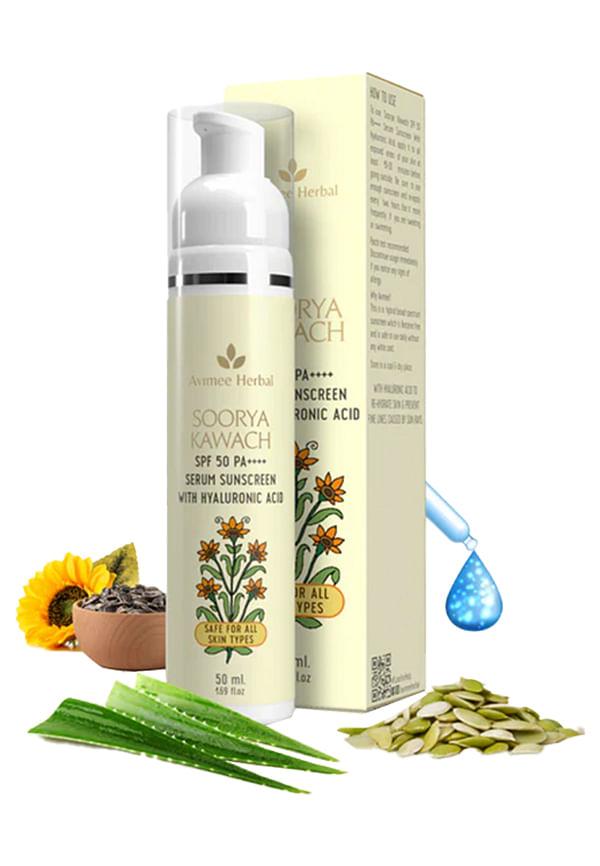
Soorya Kawach Sunscreen with Hyaluronic Acid
When you sweat excessively, your sweat ducts can become blocked, causing sweat to leak into surrounding skin tissue. This creates inflammation and those characteristic small, itchy bumps. Tight clothing, synthetic fabrics, and high humidity all increase your risk. Areas where skin rubs against skin – like underarms, groin, and under the breasts – are particularly prone to heat rash.
Heat rash appears as clusters of small, red bumps or tiny fluid-filled blisters. Unlike sunburn, it's intensely itchy rather than painful. You might feel a prickling or stinging sensation, especially when you start sweating again. The bumps are usually small and numerous, creating a bumpy texture on the skin that feels rough to touch.
Understanding the fundamental differences between these two conditions helps you choose the right treatment approach.
Sunburn is caused by UV radiation damaging skin cells, whilst heat rash results from blocked sweat ducts. Sunburn requires direct sun exposure, typically for 15-30 minutes or more depending on your skin tone and the UV index. Heat rash can develop simply from being in hot, humid conditions or wearing tight, non-breathable clothing.
Sunburn primarily causes burning pain, skin tightness, and heat radiating from the affected area. The skin may darken or show subtle redness. Heat rash is characterised by intense itching, a prickly sensation, and small bumps or blisters. While sunburn makes skin feel hot and dry, heat rash often occurs in areas that are warm and moist.
This is often the clearest way to distinguish between the two. Sunburn affects sun-exposed areas: face, neck, shoulders, arms, and any area not covered by clothing. Heat rash typically appears in areas where sweat accumulates: chest, back, underarms, groin, and areas covered by tight clothing. If your skin irritation is under your clothes, it's likely heat rash.
The treatment approaches for these conditions are quite different, so proper identification is crucial for effective relief.
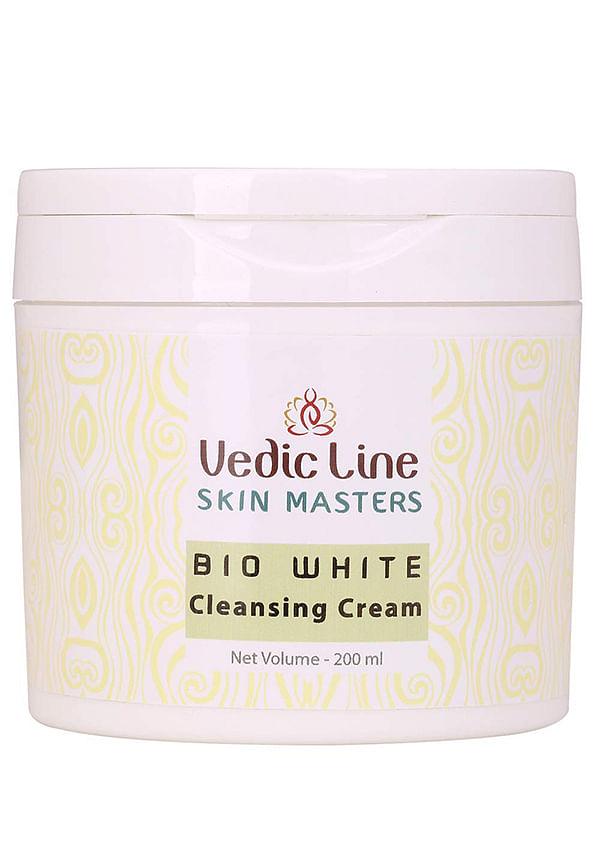
Skin Masters Bio White Cleansing Cream Reduce Suntan, Blemishes & Pigmentation
Cool your skin immediately with cold compresses or cool showers. Apply aloe vera gel or a moisturiser with ceramides to help repair the skin barrier. Avoid products with alcohol or strong fragrances that might irritate damaged skin further. Drink plenty of water to help your body heal from the inside out. For Indian skin, be particularly careful about products that might cause further pigmentation – stick to gentle, fragrance-free options.
The key to treating heat rash is cooling and drying the affected area. Move to a cool, air-conditioned environment if possible. Gently cleanse the area with cool water and pat dry completely. Apply a light dusting of talcum powder or cornstarch to absorb excess moisture. Calamine lotion can help reduce itching, but avoid heavy creams that might block pores further.
For sunburn, try cool milk compresses – the proteins in milk can help soothe damaged skin. Cucumber slices or cucumber juice can provide cooling relief. For heat rash, a paste made from sandalwood powder and rose water can be incredibly soothing. Neem leaves boiled in water and cooled make an excellent anti-inflammatory wash for both conditions.
Prevention is always better than cure, especially when it comes to skin damage that can lead to long-term pigmentation issues.
Don't fall for the myth that Indian skin doesn't need SPF. Choose a broad-spectrum sunscreen with at least SPF 30, and reapply every two hours. Look for formulations that don't leave a white cast on darker skin – zinc oxide and titanium dioxide work well. Seek shade during peak UV hours (10 AM to 4 PM) and wear protective clothing when possible.
Choose loose, breathable fabrics like cotton over synthetic materials. Keep skin dry by using antiperspirants in areas prone to heat rash. Take cool showers and avoid hot water that can worsen sweating. Stay in air-conditioned environments when possible, and if you must be outdoors, take frequent breaks in shaded, cool areas.
While most cases of sunburn and heat rash can be managed at home, certain symptoms require medical attention.
Seek medical help if you develop fever, chills, severe blistering, or signs of infection like pus or red streaking. Severe sunburn can lead to dehydration and heat exhaustion. If you experience nausea, dizziness, or confusion along with sunburn, get medical attention immediately.
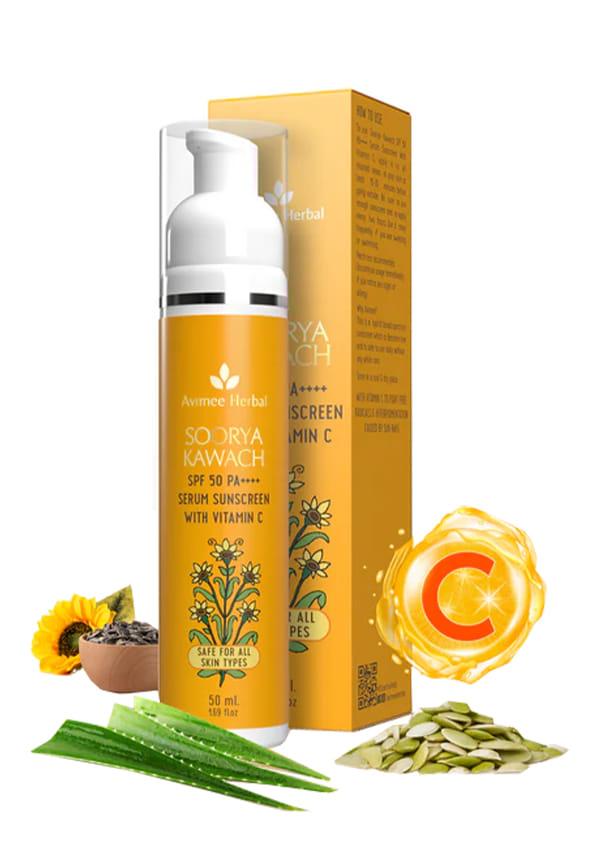
Soorya Kawach Sunscreen with Vitamin C
See a doctor if your heat rash doesn't improve after a few days of home treatment, if you develop fever, or if the bumps become filled with pus. Chronic heat rash that keeps returning might indicate an underlying condition that needs professional evaluation.
Yes, Indian skin can definitely get sunburned despite higher melanin content. While darker skin has some natural protection, it's not immune to UV damage. Sunburn on Indian skin often appears as darkening, tightness, and tenderness rather than obvious redness. The damage is just as real and can lead to premature ageing and hyperpigmentation if not protected properly.
The key differences include location, sensation, and appearance. Sunburn affects sun-exposed areas and causes burning pain with skin that feels hot and tight. Heat rash appears in areas where sweat accumulates, causes itching and prickling sensations, and looks like small bumps or blisters. If it's under your clothes, it's likely heat rash.
Most heat rashes improve within 1-3 days once you cool down and keep the affected area dry. Mild cases often resolve within 24 hours of moving to a cooler environment. However, if the rash persists beyond a few days or worsens, it might be infected or you might need to adjust your treatment approach.
On Indian skin, sunburn may appear as darkening of the affected area, sometimes with a greyish undertone. You might see subtle redness, but it's often less obvious than on lighter skin. The skin feels hot, tight, and tender to touch. In severe cases, blistering can occur, and the area may eventually peel as it heals.
Yes, it's possible to develop both conditions simultaneously, especially during outdoor activities in hot, sunny weather. You might get sunburn on exposed areas like your face and arms, whilst developing heat rash under tight clothing or in areas where you've been sweating heavily. Each condition requires its specific treatment approach.
Heat rash is caused by trapped sweat and blocked ducts, appearing as small itchy bumps in areas where you sweat. Sun rash (or sunburn) is UV-induced skin damage that causes burning pain and appears on sun-exposed areas. Some people also develop polymorphic light eruption, which is an allergic reaction to sun exposure that can look similar to heat rash but occurs only on sun-exposed skin.
Understanding the difference between sunburn and heat rash on Indian skin helps you respond quickly with the right treatment. Remember, both conditions are preventable with proper precautions – good SPF protection for sunburn and breathable clothing plus staying cool for heat rash. Your skin will thank you for taking these simple steps, especially during India's intense summer months.
When it comes to choosing the right skincare products for prevention and treatment, quality matters. Smytten's curated selection includes trusted brands with effective formulations for Indian skin types. With over 28 million users discovering products through trial-sized options, you can find what works for your skin without the guesswork. After all, why settle for maybe when you can try before you buy?
