Stress and Skin: Everything You Need to Know


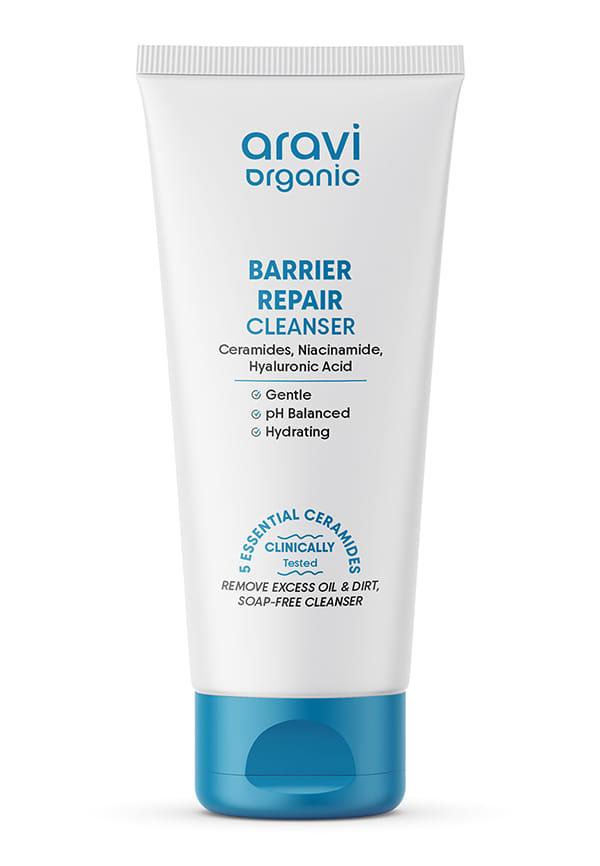
Hydrating Barrier Repair Face Wash - With Ceramide & Niacinamide
Ever noticed how your skin seems to break out right before a big presentation or during exam season? You're not imagining it. The stress skin connection explained through science reveals a fascinating bidirectional pathway between your mind and your complexion. When life gets overwhelming, your skin often becomes the first casualty, developing everything from stubborn breakouts to increased sensitivity. This isn't just coincidence—it's your body's complex stress response system at work. Understanding how stress affects skin health can transform your approach to both skincare and self-care. Whether you're dealing with cortisol-induced breakouts or wondering why your usual routine isn't working during stressful periods, the answers lie in the intricate relationship between your mental state and skin barrier function. At Smytten, we've seen countless users discover that managing stress-related skin concerns often requires both the right products and the right knowledge about what's happening beneath the surface.
Stress triggers cortisol release, which increases oil production and inflammation, leading to breakouts and skin sensitivity
The brain-skin connection operates bidirectionally—stress affects skin health, and skin problems can increase stress levels
Common stress-related skin issues include acne along the jawline, eczema flare-ups, and compromised skin barrier function
Managing stress through proven techniques like mindfulness, proper sleep, and gentle skincare can significantly improve skin health
Stress-conscious skincare focuses on anti-inflammatory ingredients and avoiding harsh products during high-stress periods
The brain-skin connection isn't just a trendy wellness concept—it's a scientifically proven pathway that explains why your skin reacts so dramatically to stress. This bidirectional communication system, known as the brain-skin axis, means that psychological stress directly impacts your skin's health and appearance. When you're stressed, your brain activates the hypothalamic-pituitary-adrenal (HPA) axis, setting off a cascade of hormonal changes that your skin feels immediately.
Recent dermatological studies have revealed that skin cells contain receptors for stress hormones, making them incredibly responsive to your mental state. This neuroendocrine-immune interaction explains why stress and acne are so closely linked. Your skin essentially becomes a mirror of your internal stress levels, reflecting everything from minor daily pressures to major life changes.
Cortisol, often called the stress hormone, plays a central role in how stress affects skin. When you're under pressure, your adrenal glands release cortisol as part of your body's fight-or-flight response. While this hormone is essential for survival, chronic elevation wreaks havoc on your complexion.
Elevated cortisol levels stimulate your sebaceous glands to produce more oil, creating the perfect environment for stress-induced breakouts. This explains why hormonal acne stress patterns often appear during exam periods, work deadlines, or relationship troubles. The increased sebum production, combined with inflammation, leads to clogged pores and those deep, painful breakouts that seem to appear overnight.
Recognising stress-related skin problems is the first step towards addressing them effectively. Unlike regular breakouts, stress and acne have distinct patterns and characteristics that set them apart from other skin concerns.
Stress-induced acne typically appears along the jawline, chin, and lower face—areas where we unconsciously touch or clench during tense moments. These breakouts tend to be deeper, more inflamed, and take longer to heal than typical hormonal fluctuations. The skin inflammation stress causes also manifests as increased redness, sensitivity, and a compromised skin barrier that struggles to maintain proper hydration levels.
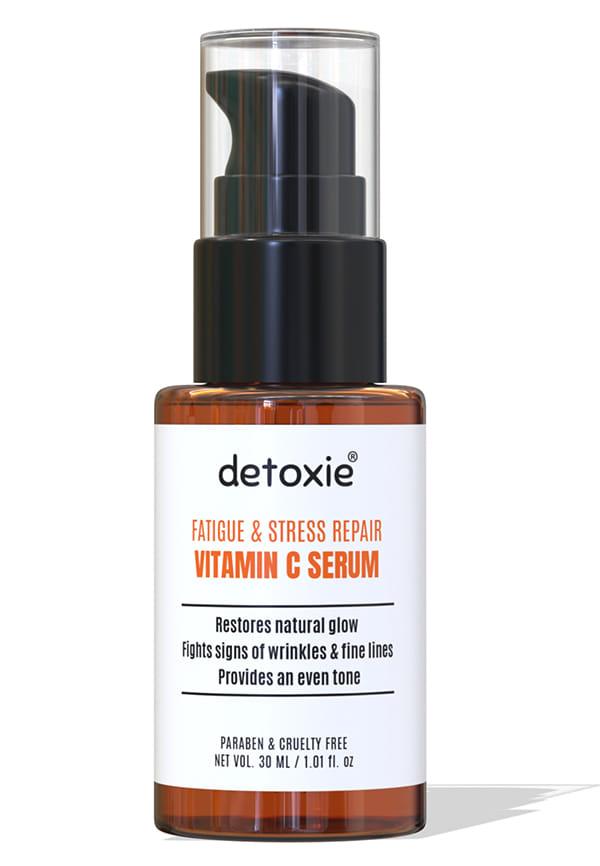
Fatigue & Stress Repair Vitamin C face Serum
Beyond acne, anxiety and skin problems often present as eczema flare-ups, psoriasis patches, or sudden onset of skin conditions that seemed dormant. Your skin's natural healing processes slow down under stress, meaning cuts, scratches, and blemishes take longer to resolve. Many people also notice changes in their skin's texture and tone during stressful periods, with some areas becoming patchy or developing an uneven complexion.
Chronic stress creates a state of low-grade inflammation throughout your body, and your skin bears the brunt of this inflammatory response. When cortisol levels remain elevated, your skin barrier—the protective outer layer that keeps moisture in and irritants out—becomes compromised and weakened.
This skin barrier stress manifests as increased sensitivity to products you've used without issue before, heightened reactions to environmental factors like pollution or weather changes, and a general feeling that your skin is more reactive than usual. The inflammatory cascade also generates free radicals, leading to oxidative stress that accelerates signs of ageing and dulls your complexion.
Understanding this process helps explain why stress-induced breakouts often come with additional symptoms like dryness, flakiness, or areas of irritation. Your skin is essentially fighting a battle on multiple fronts—dealing with increased oil production while simultaneously struggling to maintain its protective barrier function.
Developing awareness around mental health skincare means learning to recognise the patterns between your emotional state and skin condition. Stress-related breakouts often follow predictable timelines, appearing 1-3 days after a stressful event and persisting longer than typical blemishes.
Pay attention to the location of your breakouts—anxiety and skin problems frequently manifest around the mouth, jaw, and chin area due to unconscious touching, teeth grinding, or jaw clenching during stressful periods. These breakouts tend to be deeper and more painful than surface-level congestion, often developing into cystic lesions that resist typical spot treatments.
If you notice your skin becoming increasingly reactive, developing new sensitivities, or failing to respond to your usual routine during stressful periods, these are clear indicators that stress is impacting your skin health. Keeping a simple skin diary alongside noting major stressors can help you identify these patterns and adjust your approach accordingly.
Effective stress management for clear skin requires addressing the root cause rather than just treating the symptoms. Research consistently shows that mindfulness practices, regular exercise, and adequate sleep can significantly reduce cortisol levels and improve skin health outcomes.
Meditation and deep breathing exercises have been proven to lower stress hormones within minutes of practice. Even five minutes of focused breathing can help reset your nervous system and reduce the inflammatory response that leads to breakouts. Regular exercise not only manages stress but also improves circulation, helping deliver nutrients to skin cells while flushing out toxins through increased blood flow.
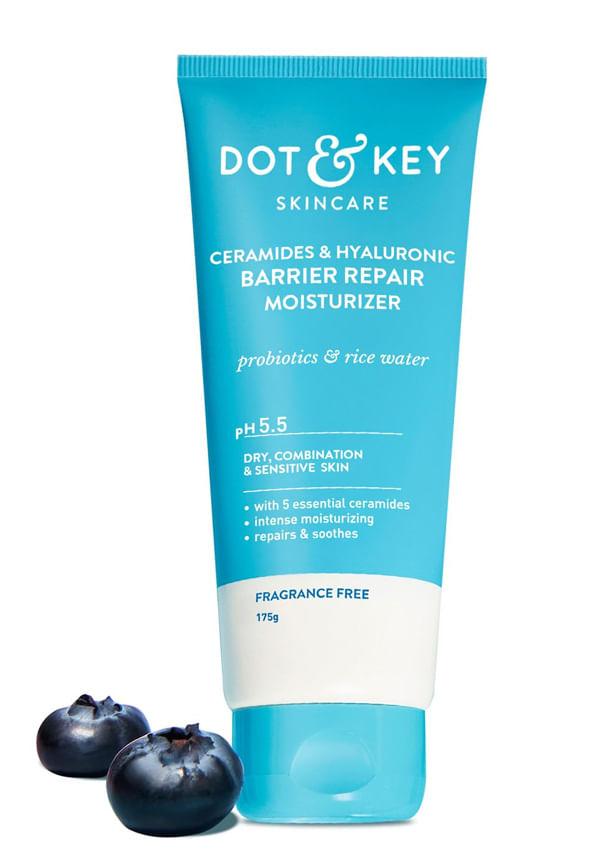
Ceramides & Hyaluronic Barrier Repair Moisturizer
Sleep hygiene plays a crucial role in skin recovery, as your skin repairs itself most effectively during deep sleep phases. Aim for 7-9 hours of quality sleep, and consider establishing a calming bedtime routine that signals to your body it's time to wind down. This might include gentle skincare rituals, reading, or light stretching—activities that naturally lower cortisol levels.
When your skin is under stress, your usual routine might need gentle modifications to support rather than overwhelm your compromised skin barrier. Focus on anti-inflammatory ingredients like niacinamide, which helps regulate oil production while calming irritation, and ceramides, which support barrier repair.
During high-stress periods, avoid introducing new products or aggressive treatments that might further irritate already sensitive skin. Instead, stick to gentle cleansers, hydrating serums, and broad-spectrum SPF to protect against additional environmental stressors. Consider incorporating calming ingredients like chamomile, green tea, or centella asiatica, which have both topical anti-inflammatory benefits and aromatherapeutic stress-reducing properties.
Your morning routine should focus on protection and hydration, while evening routines can emphasise repair and recovery. This might mean using a gentle retinol alternative like bakuchiol during stressful periods, or temporarily reducing the frequency of active ingredients until your skin barrier recovers its strength.
The stress skin connection explained through science involves the brain-skin axis, where psychological stress activates your HPA axis, releasing cortisol and other stress hormones. These hormones increase oil production, trigger inflammation, and compromise your skin barrier, leading to breakouts, sensitivity, and various skin conditions. This bidirectional pathway means stress affects skin health, and skin problems can increase stress levels.
Stress-induced breakouts typically appear as deep, inflamed papules and pustules, often concentrated around the jawline, chin, and lower face. They tend to be more painful than regular breakouts, take longer to heal, and may develop into cystic lesions. These breakouts often appear 1-3 days after a stressful event and resist typical spot treatments.
Yes, stress directly causes breakouts through multiple pathways. Elevated cortisol stimulates sebaceous glands to produce excess oil, increases inflammation throughout the body, and weakens the skin barrier. This creates ideal conditions for acne-causing bacteria to thrive while making skin more reactive and prone to irritation.

Ceramides & Hyaluronic Barrier Repair Moisturizer
Stress-induced breakouts typically last longer than regular blemishes, often persisting for 1-2 weeks or more. The timeline depends on stress levels, skin type, and how quickly you address both the underlying stress and the skin symptoms. Chronic stress can lead to ongoing skin issues that require comprehensive management.
Stress acne often appears in specific patterns—primarily around the jawline, chin, and lower face. It typically coincides with stressful periods in your life, appears deeper and more inflamed than regular breakouts, and may be accompanied by increased skin sensitivity. Keeping a simple diary of stressful events and breakout patterns can help identify connections.
Anti-inflammatory ingredients work best for stress-related skin concerns. Niacinamide helps regulate oil production and calm irritation, while ceramides support barrier repair. Gentle options available on Smytten include products with chamomile, green tea, and centella asiatica, which provide both topical benefits and aromatherapeutic stress relief.
The relationship between stress and skin health is complex but manageable once you understand the underlying mechanisms. Stress affects skin through hormonal pathways, particularly cortisol release, which increases oil production and inflammation while compromising your skin barrier function. Recognising the patterns of stress-induced skin problems—from jawline breakouts to increased sensitivity—allows you to address both the symptoms and root causes effectively.
Successful management requires a dual approach: implementing proven stress reduction techniques like mindfulness, exercise, and proper sleep hygiene, while adapting your skincare routine to support stressed skin. Focus on gentle, anti-inflammatory ingredients during high-stress periods, and avoid introducing new products that might further irritate compromised skin.
Remember that healing stress-related skin concerns takes time, as both your stress levels and skin barrier need opportunity to recover. Be patient with the process and consider that small, consistent changes in both stress management and skincare often yield better results than dramatic interventions.
Understanding the stress skin connection explained through science empowers you to take control of both your mental wellbeing and skin health. While stress may be unavoidable, its impact on your skin doesn't have to be permanent or overwhelming. Smytten's extensive collection of gentle, effective skincare products makes it easier than ever to build a stress-conscious routine that supports your skin during challenging times. With trial packs from over 2,400 trusted brands, you can explore anti-inflammatory and barrier-supporting products before committing to full sizes. The platform's try before you buy approach is particularly valuable when dealing with stress-reactive skin, as you can test how products perform during different stress levels. Plus, with 100% cashback on trials and PAN-India delivery, discovering the right stress-management skincare routine becomes both affordable and accessible. After all, why settle for maybe when you can #TryItAll and find exactly what your stressed skin needs to thrive?
