Stress and Skin Ageing FAQ: Common Questions Answered
h)-b42ba301-44e2-4876-b13f-a8e981871e87.webp&w=3840&q=75)

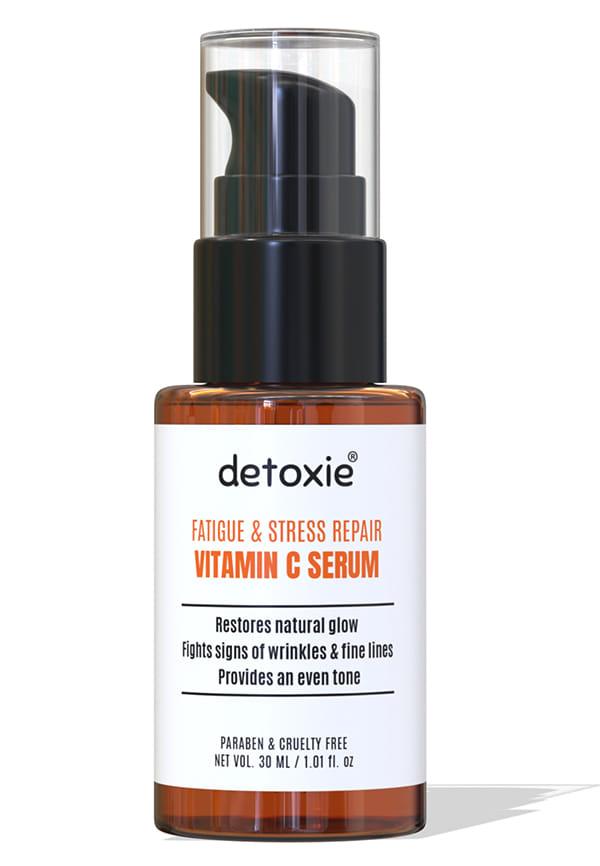
Fatigue & Stress Repair Vitamin C face Serum
Ever wondered why your skin looks tired after a particularly stressful week at work? Or noticed new fine lines appearing during exam season? You're not imagining things. The connection between stress and skin ageing is real, backed by solid science, and affects millions of us daily. When cortisol levels spike, your skin pays the price through accelerated ageing, breakouts, and a compromised barrier function. But here's the good news: understanding how stress affects your skin is the first step towards healthier, more resilient skin. Whether you're dealing with stress-induced acne, premature wrinkles, or just want to protect your skin from life's inevitable pressures, this comprehensive FAQ addresses your most pressing concerns. From the science behind cortisol's impact on collagen to practical stress management strategies, we've gathered expert insights to help you navigate the complex relationship between your mind and your skin. Plus, with platforms like Smytten offering trial-sized skincare solutions, you can experiment with stress-fighting products without the commitment of full-size purchases.
TL;DR
Stress triggers cortisol release, which breaks down collagen and accelerates skin ageing through inflammation
Some stress-induced skin damage is reversible with proper care, though timeline varies by individual
Stress affects skin through multiple pathways: hormone disruption, sleep deprivation, and compromised barrier function
Evidence-based stress management including sleep optimisation, mindfulness, and targeted skincare can significantly improve skin health
Professional intervention may be needed for chronic stress-related skin conditions
The relationship between stress and skin ageing isn't just in your head—it's happening at a cellular level. When you're stressed, your body releases cortisol, often called the "stress hormone." This hormone triggers a cascade of reactions that directly impact your skin's health and appearance.
Cortisol breaks down collagen, the protein responsible for keeping your skin plump and youthful. Think of collagen as your skin's scaffolding—when it weakens, wrinkles and sagging follow. Research shows that chronic stress can reduce collagen production by up to 40%, which explains why stressed individuals often look older than their chronological age.
Stress doesn't just affect hormones; it triggers chronic inflammation throughout your body. This inflammatory state accelerates cellular damage and interferes with your skin's natural repair processes. When inflammation becomes chronic, it creates free radicals that attack healthy skin cells, leading to premature ageing.
Psychodermatology, the study of how psychological factors affect skin health, reveals fascinating connections between your mental state and skin condition. Your brain and skin communicate through shared nerve pathways, meaning emotional stress can directly trigger skin reactions. This explains why many people experience breakouts during stressful periods or notice their skin looking dull when they're overwhelmed.
The encouraging news is that much of stress-induced skin damage can be reversed, though the timeline and extent depend on several factors. Your skin has remarkable regenerative abilities when given the right support and environment to heal.
Surface-level changes like dullness, dehydration, and minor breakouts often improve within 4-6 weeks of implementing stress management strategies. However, deeper structural changes such as wrinkles and loss of elasticity may take 3-6 months to show noticeable improvement, and some changes may require professional intervention.
Reversible changes include inflammation-related redness, stress-induced acne, dehydration lines, and compromised barrier function. These respond well to targeted skincare and stress reduction techniques.
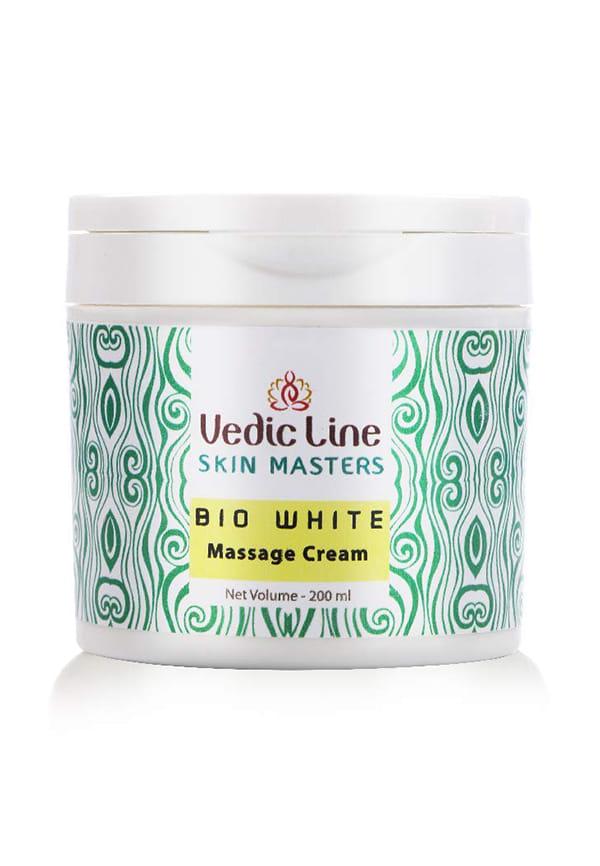
Skin Masters Bio White Massage Cream Helps to Reduce Acne
More challenging to reverse are deep wrinkles, significant collagen loss, and hyperpigmentation from chronic inflammation. These may require professional treatments like retinoids, chemical peels, or dermatological procedures alongside stress management.
Understanding cortisol's impact on your skin helps explain why stress management is crucial for maintaining a youthful appearance. This hormone affects virtually every aspect of skin function, from oil production to healing capacity.
When cortisol levels remain elevated, your skin's barrier function becomes compromised. This leads to increased water loss, making your skin appear dry and dull. Simultaneously, cortisol can trigger excess oil production in some areas while causing dryness in others, creating an uneven complexion.
Your skin barrier is your first line of defence against environmental aggressors. Chronic stress weakens this barrier, making your skin more susceptible to irritation, infection, and accelerated ageing. A compromised barrier also means skincare products may not penetrate effectively, reducing their benefits.
Cortisol significantly slows wound healing, which means blemishes take longer to resolve and may leave more noticeable marks. This is why stress-induced acne often seems more persistent and prone to scarring than other types of breakouts.
Stress manifests differently on everyone's skin, but certain patterns are remarkably common. Recognising these signs helps you address stress-related skin issues before they become entrenched problems.
Stress-induced acne typically appears along the jawline, chin, and temples—areas where we unconsciously touch our faces when anxious. Unlike hormonal acne, stress breakouts often coincide with specific stressful events and may include both inflammatory and non-inflammatory lesions.
Chronic stress accelerates the formation of expression lines, particularly around the eyes and forehead. When you're stressed, you're more likely to furrow your brow, squint, or tense facial muscles, creating repetitive movements that eventually become permanent lines.
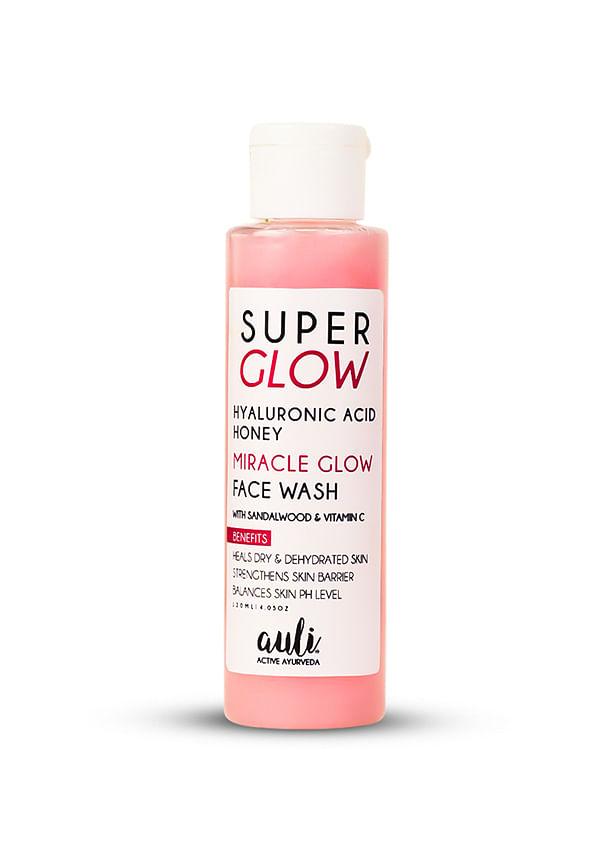
Hyaluronic Acid Nourishing Facewash - SUPER GLOW
Poor sleep quality, often linked to stress, compounds skin ageing. During sleep, your skin undergoes crucial repair processes. Sleep deprivation disrupts these processes, leading to increased inflammation, reduced collagen production, and impaired barrier function. Just one night of poor sleep can increase cortisol levels by up to 45%.
Effective stress management for skin health requires a multi-faceted approach. Research consistently shows that combining lifestyle modifications with targeted skincare produces the best results for stress-related skin concerns.
Sleep optimisation forms the foundation of any stress-skin recovery plan. Aim for 7-9 hours of quality sleep nightly, maintaining consistent sleep and wake times. Create a calming bedtime routine that includes gentle skincare and relaxation techniques to signal your body it's time to repair and regenerate.
Regular meditation practice can reduce cortisol levels by up to 23% within just eight weeks. Even 10 minutes daily of mindfulness practice can significantly impact stress hormones and, consequently, skin health.
Anti-inflammatory foods like omega-3 rich fish, leafy greens, and antioxidant-packed berries help combat stress-induced inflammation. Limiting sugar and processed foods prevents additional inflammatory burden on your system.
Look for products containing niacinamide to regulate oil production, hyaluronic acid for hydration, and gentle AHAs to promote cell turnover. Avoid harsh scrubs or aggressive treatments that could further compromise your stressed skin barrier.
Stress-related wrinkles can improve significantly with consistent stress management and proper skincare, though complete reversal depends on factors like age, skin type, and duration of stress exposure. Fine lines and expression lines often show the most improvement, while deeper wrinkles may require professional treatments alongside stress reduction techniques.
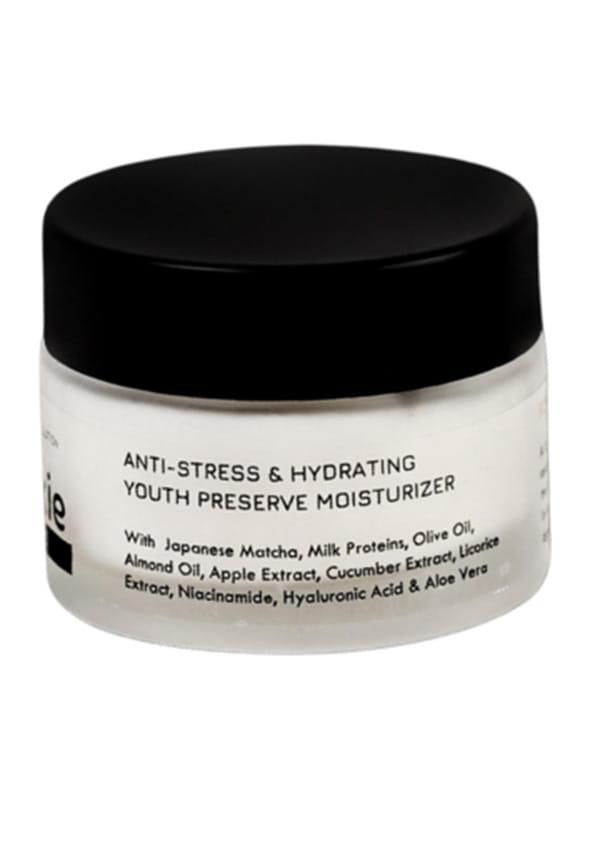
Anti-Stress & Hydrating, Youth Preserve Face Moisturizer
Early indicators include increased breakouts, particularly along the jawline, dull or uneven skin tone, increased sensitivity, delayed healing of blemishes, and changes in oil production. You might also notice your usual skincare products becoming less effective or causing irritation.
Initial improvements in skin brightness and reduced breakouts often appear within 2-4 weeks of implementing stress management strategies. More significant changes like improved texture and reduced fine lines typically become noticeable after 6-12 weeks of consistent stress reduction and proper skincare.
While chronic stress can cause lasting changes like deep wrinkles and collagen loss, much of the damage is treatable with appropriate intervention. The key is addressing stress early and consistently to prevent irreversible changes from occurring.
Stress management is crucial but works best when combined with proper skincare, sun protection, and healthy lifestyle habits. While reducing stress can significantly improve skin health, a comprehensive approach yields the most dramatic and lasting results.
Smytten's trial-sized products allow you to test stress-fighting skincare ingredients like niacinamide, ceramides, and antioxidants without committing to full-size purchases. This reduces the financial stress of finding the right products while letting you experiment with different formulations to address your specific stress-related skin concerns.
The connection between stress and skin ageing is undeniable, but it's not irreversible. Understanding how cortisol and chronic inflammation affect your skin empowers you to take targeted action. The most effective approach combines stress management techniques with appropriate skincare and lifestyle modifications.
Remember that skin improvement takes time—be patient with the process and consistent with your efforts. Focus on sustainable stress reduction strategies rather than quick fixes, as long-term skin health requires long-term lifestyle changes.
If you're experiencing persistent stress-related skin issues that don't improve with lifestyle modifications, consider consulting a dermatologist or exploring psychodermatology resources. Professional guidance can help you develop a personalised approach to managing both stress and its impact on your skin.
Managing stress-related skin ageing requires patience, consistency, and often some experimentation to find what works best for your unique situation. This is where Smytten's approach to product discovery becomes invaluable. As India's largest product discovery and trial platform, Smytten connects you with over 2,400 trusted brands including skincare specialists like Cetaphil, Dot & Key, and WishCare. Rather than investing in full-size products that might not suit your stressed skin, you can explore curated trial packs to find the perfect stress-fighting ingredients. With up to 10 Trial Points for just ₹279 and 100% cashback on trial purchases, you can affordably experiment with different niacinamide serums, barrier-repair moisturisers, and gentle cleansers until you discover what truly works for your skin. The platform's 90% pin code coverage ensures that whether you're in a bustling metro or a smaller city, effective skincare solutions are just a click away. After all, why settle for guessing what might work when you can try it all and make informed decisions for your skin's health?
