Sticky vs. Weightless Lip Oils FAQ: Choosing Your Perfect Feel


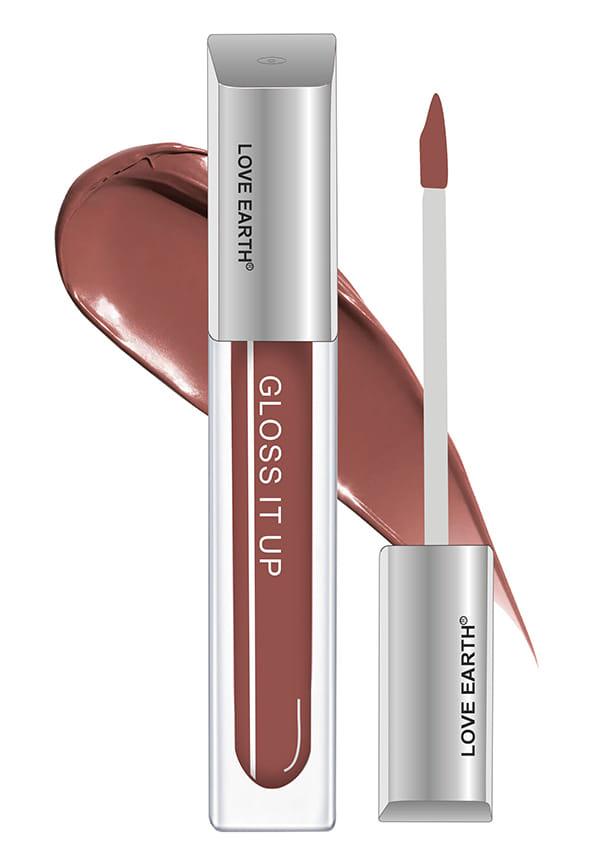
Lip Gloss
Shiny and Weird Smell
 5
5“it's shiny and smells weird I didn't like it”
Perfect Shade for Indian Skintones
5“perfect shade for indian skintones who ever loved glossy pink lips its perfect”
Great Lip Shade
4“Nice lip shade. Love this Love Earth”
The lip oil revolution has transformed how we think about lip care, but with so many textures flooding the market, choosing between sticky and weightless formulations can feel overwhelming. Whether you're reaching for that glossy finish during your morning routine or seeking a lightweight lip balm alternative that won't transfer onto your coffee cup, understanding how to distinguish between sticky and weightless lip oils is essential for finding your perfect match. At Smytten, we've seen countless users discover their ideal lip oil texture through trial-sized versions, making it easier to explore different feels without committing to full-size products. This comprehensive guide will walk you through everything you need to know about lip oil texture, from the science behind different formulations to practical tips for identifying which type suits your lifestyle best.
TL;DR
Sticky lip oils contain heavier molecular weight ingredients and film-formers, whilst weightless formulas use fast-absorbing plant oils
You can identify texture differences through immediate feel, transfer properties, and ingredient lists
Weightless lip oils offer breathable comfort and minimal transfer, perfect for daily wear
Sticky formulations typically provide longer-lasting shine but may feel heavy on lips
Your choice depends on personal preference, lifestyle needs, and desired finish
The texture of any lip oil comes down to its molecular composition and how those ingredients interact with your skin. When you apply a product to your lips, you're experiencing the result of carefully balanced formulations designed to deliver specific benefits and sensations.
The molecular weight of oils plays a crucial role in determining lip oil texture. Lighter molecules penetrate the skin more easily, creating that weightless sensation, whilst heavier molecules sit on the surface, contributing to a more substantial feel. Absorption rates vary significantly between different oil types - jojoba oil, for instance, absorbs quickly due to its similarity to natural skin sebum, whereas castor oil tends to remain on the surface longer.
Viscosity factors also affect how a lip oil feels upon application. Thicker formulations naturally feel more substantial, whilst thinner consistencies glide on smoothly and disappear into the lips more readily.
Rather than thinking of lip oils as strictly sticky or weightless, it's helpful to imagine a spectrum. Sticky lip oils are characterised by their ability to create a noticeable layer on your lips - you'll feel their presence throughout wear. These formulations often provide longer-lasting shine and may transfer slightly when you touch your lips or drink from a cup.
Weightless formulations, on the other hand, absorb quickly into the lip tissue, providing hydration and subtle shine without the sensation of wearing a product. They're often described as feeling like a lightweight lip balm but with the glossy benefits of traditional lip oils.
Recognising sticky lip oil formulations becomes easier once you know what to look for, both in terms of immediate sensations and ingredient lists. These products serve a specific purpose and can be perfect for certain occasions and preferences.
Upon application, sticky lip oils create an immediate coating sensation. Your lips will feel noticeably different - there's a distinct awareness that you're wearing a product. These formulations often leave residue when you press your lips together or touch them with your finger.
The longevity versus comfort trade-off is particularly noticeable with sticky formulations. Whilst they may provide hours of visible shine, they can feel heavy during extended wear. Many oily lip products that tend toward stickiness also transfer more readily onto cups, straws, or when kissing.
Heavy molecular weight oils like castor oil and mineral oil are frequent culprits in sticky formulations. These ingredients don't absorb easily into the skin, instead creating a protective barrier on the surface. Synthetic polymers and film-formers are often added to enhance longevity, but they contribute significantly to that sticky sensation.
When examining lip care ingredients, watch for polybutene, hydrogenated polyisobutene, and various waxes in high concentrations. These ingredients aren't inherently problematic - they serve important functions - but they do create a more substantial feel on the lips.
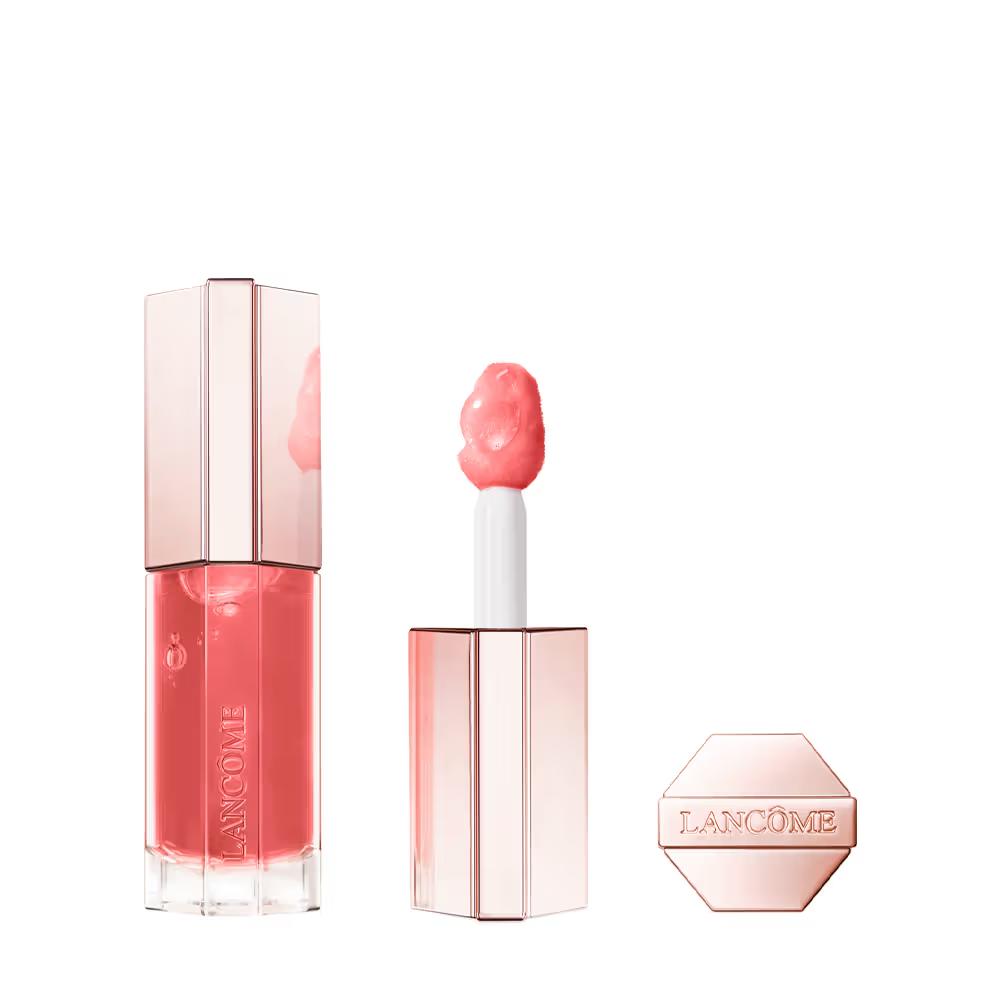
Weightless lip oils represent the pinnacle of comfortable lip care, offering benefits without the sensation of wearing a heavy product. Understanding their characteristics helps you identify formulations that prioritise comfort alongside effectiveness.
The hallmark of weightless lip oils is their ability to provide benefits whilst feeling virtually invisible on your lips. These non-sticky lip gloss alternatives absorb quickly, leaving behind hydration and subtle shine without residue. You'll notice instant absorption properties - the product seems to disappear into your lips rather than sitting on top.
Despite their lightweight feel, quality weightless formulations still deliver a glossy lip finish without heaviness. The shine appears natural and healthy rather than artificial or overly reflective. Most importantly, they maintain a breathable feel throughout wear, never creating that suffocating sensation some heavier products can cause.
Fast-absorbing plant oils form the backbone of weightless formulations. Squalane, derived from olives or sugarcane, provides excellent hydration whilst absorbing completely. Jojoba oil, technically a wax ester, mimics natural skin oils and penetrates easily without leaving residue.
Lightweight emollients like caprylic/capric triglyceride enhance the hydrating lip oil benefits without adding weight. These ingredients have smaller molecular structures that allow them to slip between skin cells rather than forming a surface layer. The molecular structure advantages of these ingredients mean they can deliver moisture deep into the lip tissue whilst maintaining that weightless sensation.
Understanding how lip oils compare to other lip products helps clarify their unique position in your beauty routine. Each product type serves different needs and occasions, with texture being a key differentiating factor.
The lip oil vs gloss debate often centres around texture differences. Traditional lip glosses prioritise high-impact shine and often contain more synthetic ingredients to achieve that mirror-like finish. They typically feel heavier on the lips and transfer more readily than lip oils.
Lip oils, whether sticky or weightless, generally offer more comfortable wear than conventional glosses. They provide hydration alongside shine, making them more functional for daily use. The shine levels in lip oils tend to be more subtle and natural-looking, whilst glosses often deliver dramatic, attention-grabbing results.
In terms of longevity, glosses may maintain their shine longer, but lip oils often provide longer-lasting comfort and hydration benefits. The best use cases for each depend on your priorities - choose glosses for maximum impact and lip oils for comfortable, everyday enhancement.
The difference between lip oil and lip balm lies primarily in their base ingredients and resulting textures. Lip balms typically use wax-based formulations that create a protective barrier, whilst lip oils rely on, well, oils that can penetrate the skin more effectively.
Absorption rates differ significantly between the two. Lip oils, particularly weightless formulations, absorb into the lip tissue, providing hydration from within. Lip balms often sit on the surface, creating a protective layer that prevents moisture loss but doesn't necessarily add hydration.
Hydration delivery methods also vary. Lip oils can carry moisture-binding ingredients deeper into the skin, whilst balms work primarily through occlusion - preventing existing moisture from escaping. When choosing between the two, consider whether you need protection (balm) or active hydration (oil).
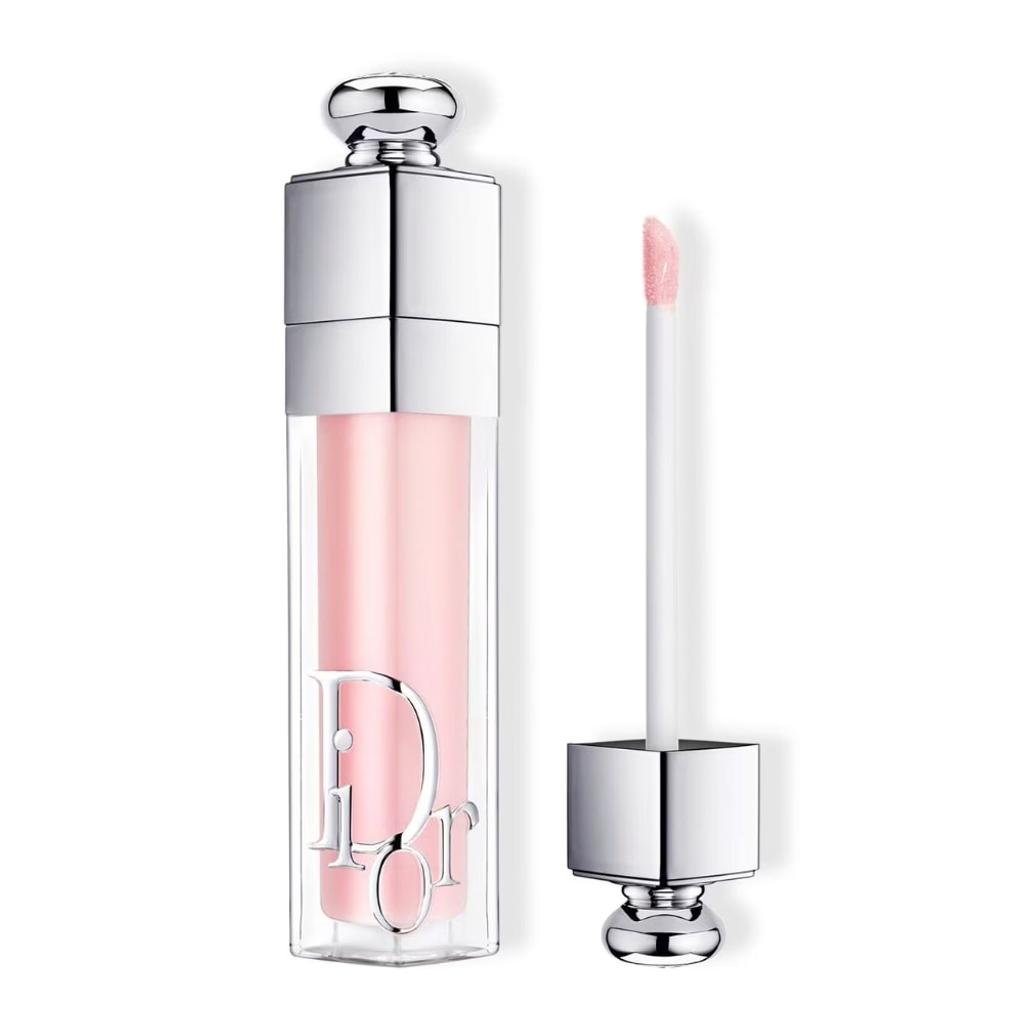
The contrast between lip oils and lipsticks is perhaps the most dramatic in terms of texture and coverage. Lipsticks contain pigments suspended in wax and oil bases, creating opacity and colour payoff that lip oils simply cannot match.
Coverage differences are obvious - lipsticks can completely transform your lip colour, whilst lip oils enhance your natural tone with subtle tinting at most. The application experience also differs significantly; lipsticks require more precision and often benefit from lip liner, whilst lip oils can be applied quickly and casually.
Texture-wise, even the most comfortable lipstick formulations feel more substantial than weightless lip oils. This isn't necessarily negative - sometimes you want that awareness of wearing a product, especially when creating a polished look.
Selecting the perfect lip oil texture requires honest assessment of your needs, preferences, and lifestyle. There's no universally "best" option - only what works best for your specific circumstances.
Your lip condition plays a crucial role in determining which texture will work best. If you have naturally dry or sensitive lips, weightless formulations often provide better comfort for extended wear. Those with normal to oily lip conditions might enjoy the longer-lasting benefits of slightly stickier formulations.
Climate and environmental considerations matter significantly. In humid conditions, weightless oils prevent that uncomfortable heavy feeling, whilst in very dry climates, slightly stickier formulations might provide better protection against moisture loss.
Consider your daily routine and reapplication preferences. If you prefer to apply lip products once and forget about them, stickier formulations might suit you better. If you enjoy frequent touch-ups and prefer minimal sensation between applications, weightless options are ideal.
When shopping in-store, test products on the back of your hand first to get a sense of their texture and absorption rate. Pay attention to how quickly the product absorbs and whether it leaves any residue when you rub your finger across the application area.
Online review interpretation requires reading between the lines. Look for specific texture descriptions rather than general satisfaction ratings. Reviews mentioning "lightweight," "absorbs quickly," or "doesn't feel like wearing anything" typically indicate weightless formulations.
Ingredient list analysis becomes easier with practice. Scan for the oil types and additional ingredients mentioned earlier. Products listing lightweight oils like squalane or jojoba early in the ingredient list often feel less sticky than those featuring castor oil or multiple waxes.
Professional settings often benefit from weightless formulations that won't transfer onto coffee cups or feel distracting during long meetings. The subtle enhancement they provide maintains a polished appearance without drawing attention.
Active lifestyle considerations favour weightless options that won't feel heavy during exercise or outdoor activities. They're less likely to attract dust or debris and won't create that uncomfortable sensation when you're breathing heavily.
For makeup layering compatibility, weightless lip oils work better under lipsticks or glosses, whilst stickier formulations are best used alone or as the final step in your lip routine.
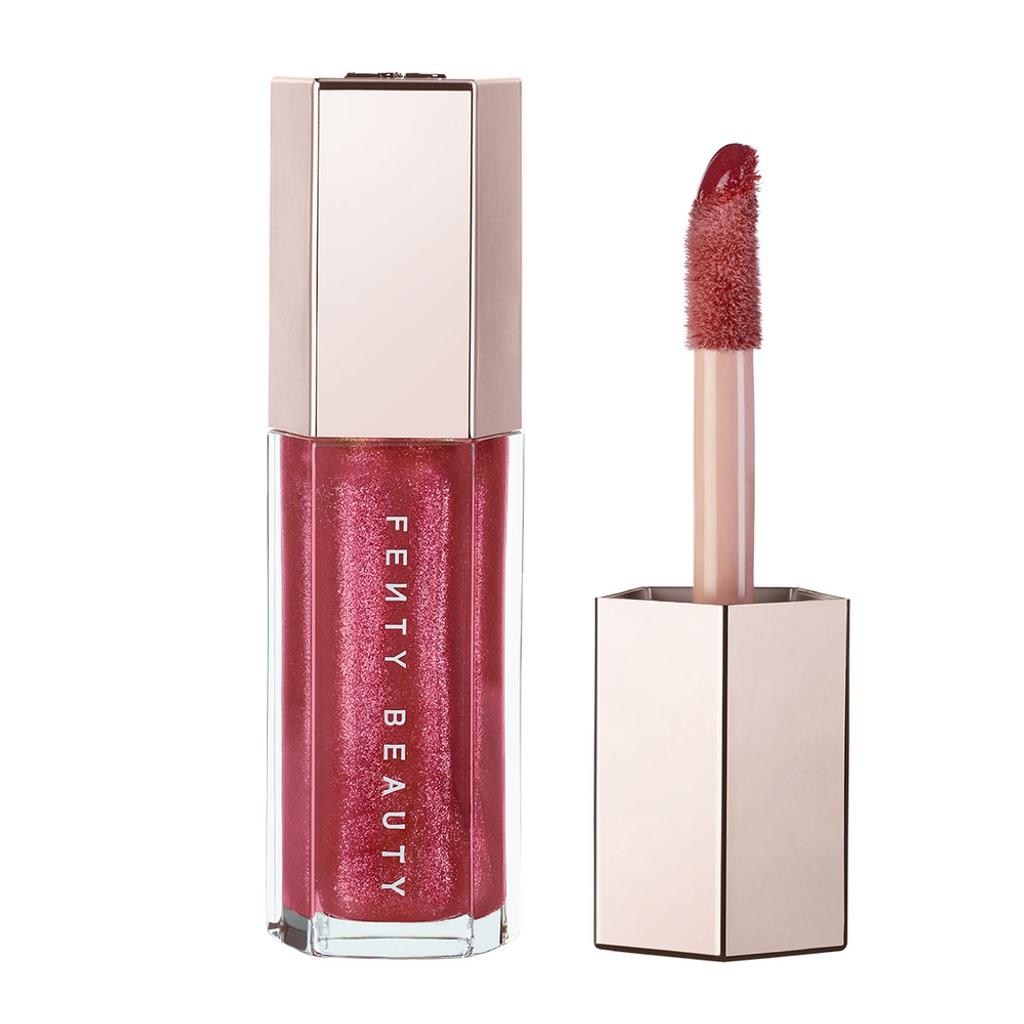
The Lancôme Lip Idôle Juicytreat Lip Gloss 27 Melon Treat exemplifies how premium formulations can balance comfort with performance, offering a weightless feel whilst delivering beautiful colour and shine. This type of hybrid product demonstrates how the industry is evolving to meet demands for both comfort and effectiveness in lip care.
Lip oils aren't inherently supposed to be sticky, but some formulations naturally feel more substantial than others. A slight tackiness immediately after application is normal and often indicates ingredients that provide longer-lasting benefits. However, if a lip oil feels uncomfortably sticky or remains tacky for hours, it may not be the right formulation for your preferences.
Weightless lip oils achieve their texture through fast-absorbing ingredients like squalane, jojoba oil, and lightweight emollients. These ingredients have smaller molecular structures that penetrate the skin rather than sitting on the surface. The absence of heavy waxes and film-forming agents also contributes to the weightless sensation.
Yes, you can reduce the heavy feeling by applying thinner layers and allowing each layer to absorb before adding more product. Blotting gently with a tissue after application can also remove excess product whilst maintaining hydration benefits. However, if you consistently find a product too sticky, a different formulation might suit you better.
Quality weightless lip oils can provide excellent hydration despite their light feel. The key is in the formulation - ingredients like hyaluronic acid and ceramides can deliver intense moisture without adding weight. Many users find weightless formulations more hydrating than sticky ones because they're more likely to reapply throughout the day.
When shopping online, read detailed product descriptions and customer reviews focusing on texture comments. Look for ingredient lists featuring lightweight oils early in the formulation. Many platforms, including Smytten, offer trial sizes that let you experience the texture before committing to full-size products, making it easier to find your perfect match.
Stickier formulations typically provide longer-lasting shine and may feel present on the lips for more hours. However, weightless formulations often provide longer-lasting hydration benefits, even if the visible shine fades more quickly. The "lasting" quality you prioritise - shine, comfort, or hydration - will determine which texture serves you better.
Understanding the difference between sticky and weightless lip oils empowers you to make informed choices that align with your preferences and lifestyle. Sticky formulations offer longer-lasting shine and protection but may feel heavy during extended wear, whilst weightless options provide comfortable hydration with subtle enhancement that feels virtually invisible on your lips.
The key to distinguishing between textures lies in understanding ingredient compositions, testing methods, and honest assessment of your personal needs. Whether you prefer the substantial feel of a sticky formulation or the breathable comfort of a weightless oil, both serve valid purposes in modern lip care routines.
Remember that texture preference is highly individual and may change based on seasons, occasions, or even your mood. The best approach is experimenting with different formulations to build a collection that serves various needs throughout your week.
Discovering your perfect lip oil texture doesn't have to involve expensive trial and error with full-size products. Smytten is India's largest product discovery and trial platform, connecting consumers with top lifestyle, beauty, wellness, and grooming brands through curated trial packs from over 2,400 trusted brands. This try before you buy approach lets you explore different lip oil textures and formulations before committing to full-size purchases. Each mini is linked with Trial Points, and you can get up to 10 Trial Points for just ₹279, with 100% cashback on trial purchases redeemable for future orders. With authentic brand-verified minis available on Smytten and PAN-India delivery, you can confidently explore India's largest minis collection to find your ideal lip oil texture. After all, why settle for 'maybe' when you can #TryItAll!
