Step-by-Step: Choosing the Best Face Serum for Dry Skin
Published Date - 22 July 2025
4.3|(30 ml)
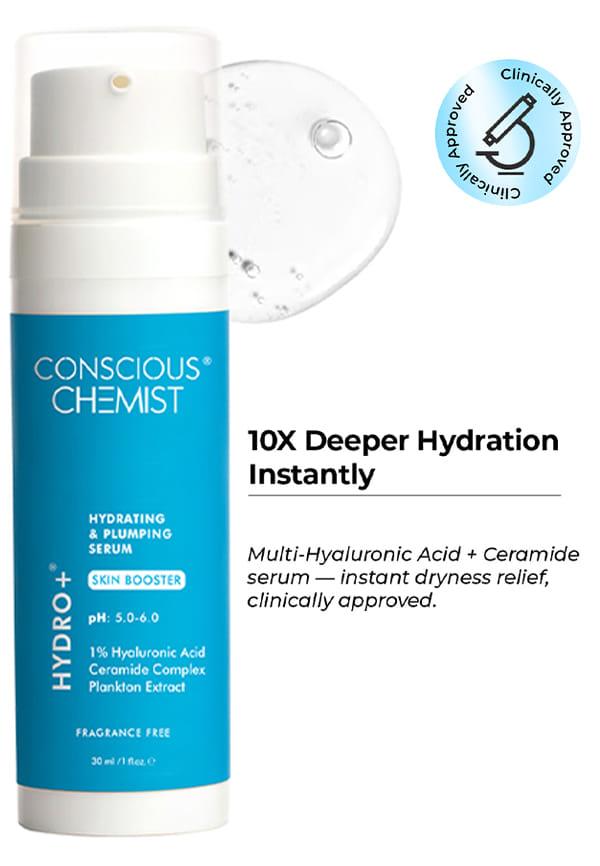
Conscious Chemist
Hydro+ 1% Hyaluronic Acid Serum for Dry Skin
₹ 59955 % OFF
₹ 270
Reviews from genuine users
Wonderful Product, Must Try
5
“wonderful product.. must give a try”
Subhomoy Mukherjee18 Jul 2026
Good size, awaiting results
5
“loved the product size. but have to wait for the results hoping so it gives nice results on my skin and suits it”
Stakshi S26 Apr 2026
Excellent for skin
5
“its too good for the skin must buy”
Delfi Saron27 Mar 2026
Dry skin can feel like a constant battle. One day your face feels tight and uncomfortable, the next it's flaking like a badly peeling sunburn. Finding the best face serum for dry skin might just be the game-changer your skincare routine desperately needs. Face serums are like that clever friend who knows exactly what you need—they deliver concentrated ingredients straight to where your skin needs them most. From hydrating facial serums to intensive moisture serums, the right serum can transform your skin from parched to perfectly plump. Ready to discover your skin's new bestie? Let's break down everything you need to know about choosing a serum that'll actually work for your dry skin.
Understanding Dry Skin and Its Needs
Dry skin isn't just about feeling a bit tight after washing your face—it's a whole thing that needs proper understanding. Your complexion acts as a protective barrier that's working overtime but running low on the resources it needs to do its job properly. When this barrier gets compromised, you end up with that familiar cycle of dryness, irritation, and frustration.
Characteristics of Dry Skin
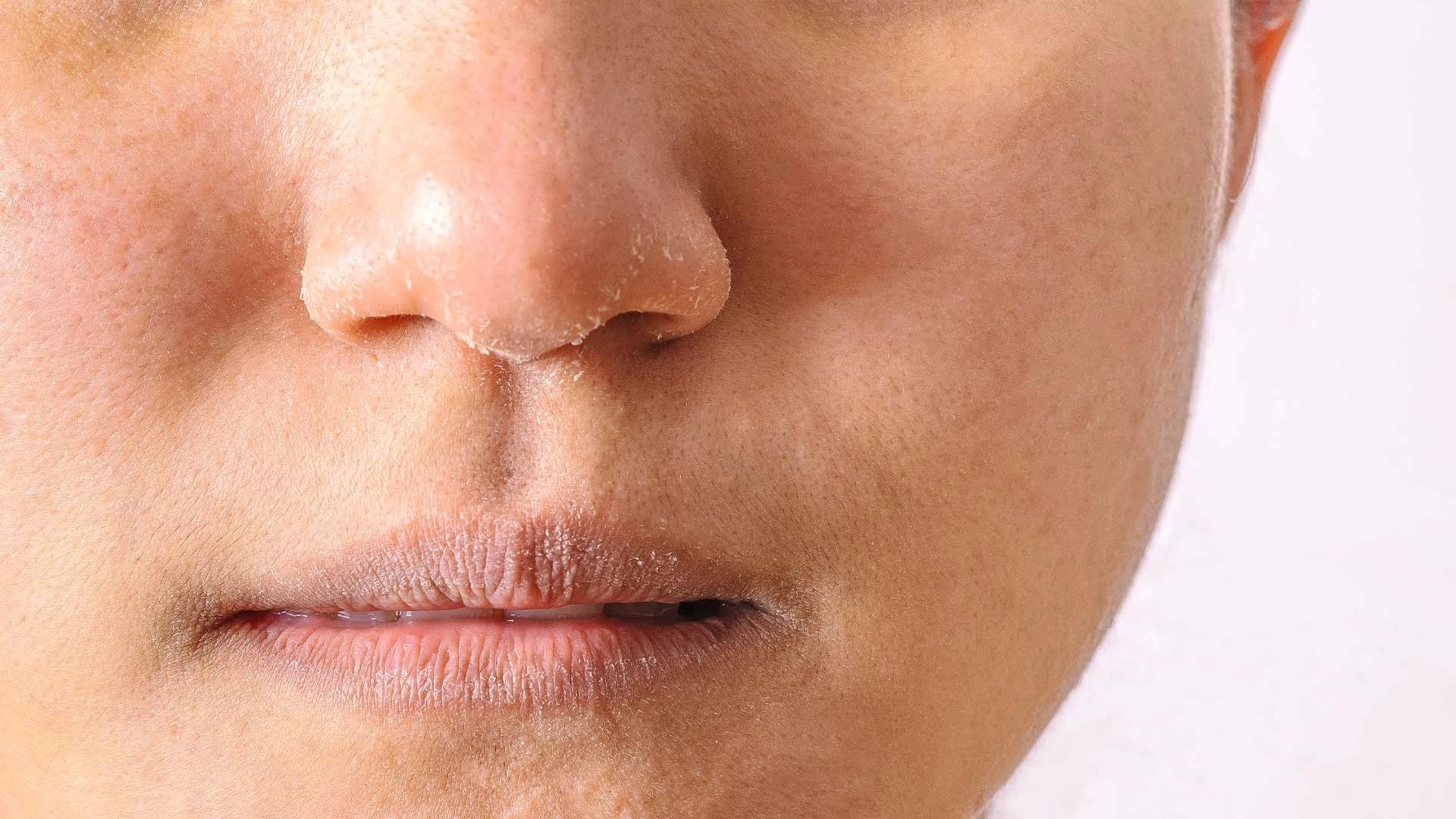
Spotting dry skin is usually pretty straightforward. Your face might feel tight right after cleansing, almost like it's been shrink-wrapped. You'll notice flakiness, especially around your nose and cheeks, and your skin texture feels rougher than it should. The worst part? Dry skin tends to be more sensitive, so products that work fine for others might leave you looking red and irritated.
Why Dry Skin Needs Special Care
Your skin produces natural oils to keep itself happy and hydrated. But with dry skin, there's just not enough of these oils being made. This means your skin barrier—that protective layer that keeps moisture in and irritants out—isn't functioning at its best. That's why regular moisturising skincare products sometimes aren't enough, and you need those concentrated nourishing face treatments to really make a difference.
The Role of Face Serums in Treating Dry Skin
Here's where face serums become your skin's best mate. Unlike regular moisturisers that sit on top of your skin, serums are formulated with smaller molecules that can actually penetrate deeper layers. This makes them perfect for delivering all those skin hydration boosters exactly where they're needed most.
Benefits of Using Face Serums for Dry Skin
Face serums are basically concentrated treatments that pack a punch. They provide deep hydration without feeling heavy or greasy on your skin. Plus, they work brilliantly under your regular moisturiser, creating a layered approach to hydration. Many serums also help your other skincare products absorb better, making your entire routine more effective. The right serum can be the best serum for dry skin for glow, transforming dull complexions into radiant, healthy-looking skin.
Key Ingredients to Look for in Face Serums for Dry Skin
When you're browsing for rejuvenating skincare solutions, keep an eye out for these game-changing ingredients:
• Hyaluronic acid - can hold an impressive amount of water
• Ceramides - help repair and strengthen your skin barrier
• Glycerin
3.9|(100 ml)
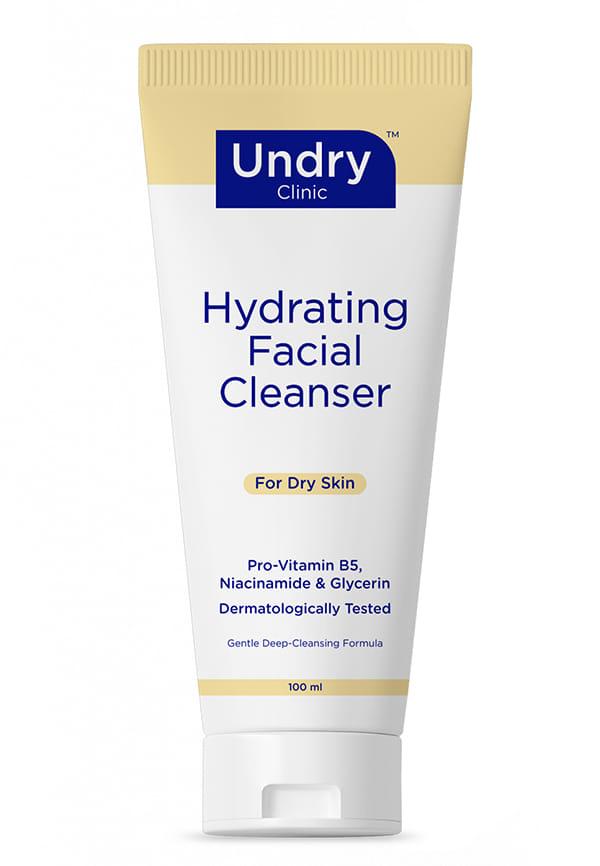
Undry
Hydrating Facial Cleanser for Dry Skin
₹ 26935 % OFF
₹ 175
Reviews from genuine users
Effective Cleanser
4
“it is good cleanser cleanses effectively”
Shweta Purecha15 Feb 2024
- draws moisture to your skin
• Niacinamide - reduces inflammation and improves skin texture
• Vitamin E - provides antioxidant protection
Step 1: Assess Your Skin Type and Concerns
Before diving into the world of serums, you need to get properly acquainted with your skin. It's like being your own skin detective—understanding what's actually going on will help you choose products that'll work, not just look pretty on your bathroom shelf.
Dry Skin vs. Dehydrated Skin
Here's something that trips up loads of people: dry skin lacks oil, while dehydrated skin lacks water. You can actually have oily skin that's dehydrated. Dry skin feels rough and may look flaky, while dehydrated skin might feel tight but still produce oil. Knowing the difference helps you pick the right type of serum.
Common Concerns with Dry Skin
Dry skin often comes with a few unwelcome extras. Fine lines tend to show up earlier because there's less natural plumpness. Your complexion might look dull or tired, and the texture can feel uneven. Many people with dry skin also notice their makeup doesn't sit as smoothly as they'd like. Understanding your specific needs helps identify the best face serum for dry skin women can trust for consistent results.
Step 2: Different Types of Face Serums
Not all serums are created equal, and understanding the different types will help you find your perfect match. Think of it like choosing the right tool for the job—each type of serum has its own special powers.
Hydrating Serums
These are your water-based heroes that focus on delivering moisture deep into your skin. A good hyaluronic acid serum fits perfectly into this category. They're usually lightweight and absorb quickly, making them perfect for layering under heavier products.
Nourishing Serums
These are richer formulations that contain oils and lipids to help replenish what your skin's missing. Facial oils for dehydrated skin often fall into this category. They're perfect for really dry skin that needs that extra bit of nourishment.
Anti-Aging Serums for Dry Complexion
5.0|(48 gm)
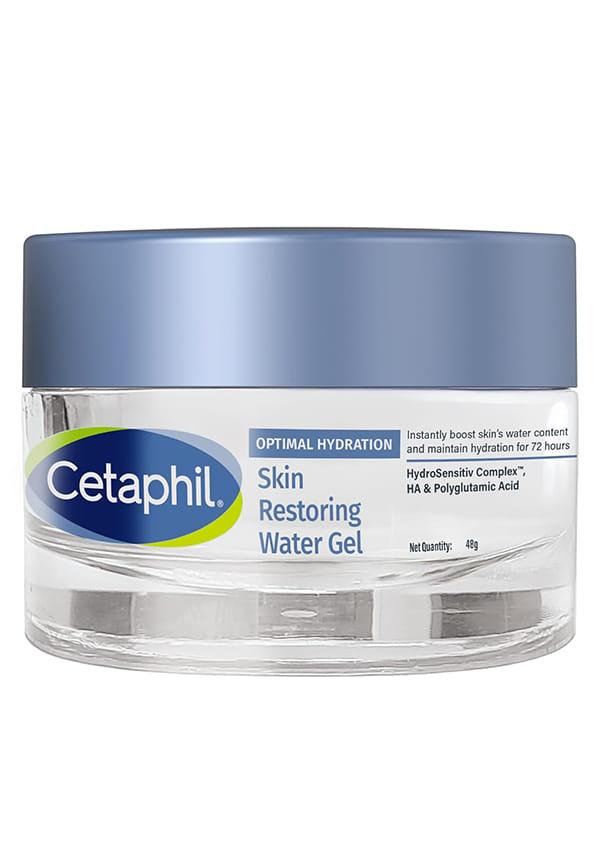
Cetaphil
Optimal Hydration Restoring Water Gel
₹ 179920 % OFF
₹ 1439
Reviews from genuine users
Results not impressive
5
“thik hai itna achhhhhh result nhi aya”
Trupti Vishwanath30 Mar 2026
These clever formulas tackle multiple concerns at once. They often contain ingredients like retinol or peptides to address fine lines while also providing the hydration that dry skin craves. It's like getting two treatments in one bottle. Some formulations work as the best serum for dry skin and dark spots, addressing multiple concerns simultaneously.
Step 3: Read and Understand Product Labels
Product labels can look like a confusing mess of science-y words, but once you know what to look for, they become your best friend for finding the right serum. It's all about knowing which words actually mean something and which ones are just marketing fluff.
Key Terms to Look For
When you're scanning labels, words like "hydrating," "moisturising," and "nourishing" are good signs. Also look for phrases like "for dry skin" or "for sensitive skin" as these indicate the formula has been designed with your skin type in mind. Dermatologist-recommended face serums often carry these clear indicators.
Ingredients to Avoid
Some ingredients can actually make dry skin worse. Alcohol (especially denatured alcohol) can be incredibly drying. Strong fragrances might smell lovely but can irritate sensitive, dry skin. Harsh exfoliants in a serum can also be too much for already compromised skin. Those with reactive complexions should look for the best serum for dry sensitive skin, which typically avoids harsh fragrances and alcohol.
Step 4: Consider Your Budget and Brand Preferences
Let's be real—skincare can get expensive, but you don't need to break the bank to find a serum that works. The key is knowing what you're willing to spend and what really matters in terms of ingredients and results.
Price Range of Face Serums
Serums come in all price ranges. You can find effective options at the drugstore, mid-range products that offer good value, and luxury serums with fancy packaging. The price doesn't always reflect effectiveness, so don't assume the most expensive option is automatically the best. For those wanting to explore trending options, Trial Orders let you test premium serums affordably. Budget-conscious shoppers can find effective drugstore options that deliver reliable results.
Researching Brands
Before committing to a serum, do a bit of detective work. Read reviews from people with similar skin types. Check the brand's reputation. See if dermatologists recommend their products. When researching the best serum for dry skin in India, consider brands that understand local climate challenges and skin needs.
Step 5: Patch Test and Introduce Gradually
Once you've found a serum that ticks all your boxes, don't just slap it all over your face straight away. Even the gentlest intensive moisture serums can cause reactions if your skin isn't ready for them.
How to Perform a Patch Test
Apply a small amount of the serum to a discreet area like behind your ear or on your inner wrist. Wait 24-48 hours to see if any redness, itching, or irritation develops. If your face stays happy, you're good to go.
Add the Serum to Your Routine
3.7|(30 ml)
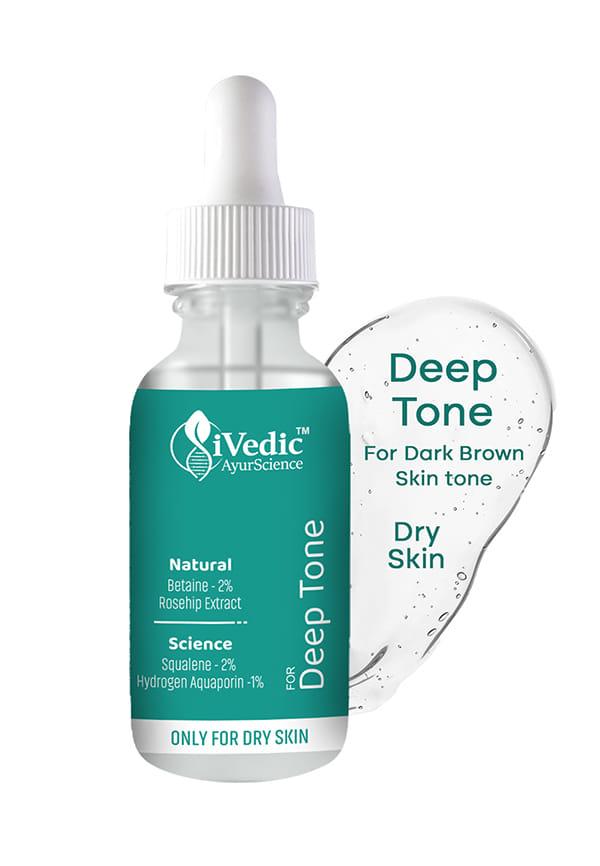
iVedic AyurScience
Illuminance Skin Brigthening Face Serum | Only For Dry Skin with Dark tone
₹ 599
Reviews from genuine users
Excellent for Dry Skin
5
“this serum is very good for dry skin”
Nikki K16 Dec 2024
Start by using your new serum every other day, then gradually increase to daily use if your skin tolerates it well. Apply it after cleansing but before your moisturiser. A few drops are usually enough—more isn't always better with serums.
Step 6: Monitor and Adjust
The final step is probably the most important: paying attention to how your skin responds. Good skincare is all about listening to what your skin is telling you and adjusting accordingly.
Signs of Improvement
With the right serum, you might start noticing changes within a few weeks. Your skin might feel more hydrated and comfortable, look plumper and smoother, and have less visible flakiness. The texture should improve, and your makeup should go on more smoothly. A good dry skin serum for glowing skin will leave your complexion looking radiant and healthy.
When to Consider Switching Products
If you haven't seen any improvement after several weeks of consistent use, it might be time to try something different. Also, if you develop any irritation or your skin starts looking worse, stop using the product immediately.
Frequently Asked Questions
Is serum good for dry skin?
Absolutely! Serums are brilliant for dry skin because they deliver concentrated ingredients directly where they're needed. They can provide deep hydration and help repair your skin barrier more effectively than many regular moisturisers alone.
How do I use serum for dry skin?
Apply your serum to clean skin, before your moisturiser. Use a few drops and gently pat it into your skin rather than rubbing. Start with every other day and gradually increase frequency as your skin gets used to it.
Can serums for dry skin be used by people with other skin types?
Many hydrating serums work well for different skin types, especially if you're dealing with dehydration. However, very rich, oil-based serums might be too heavy for naturally oily skin.
Will a serum for dry skin make my skin feel greasy or oily?
A good serum should absorb well into your skin without leaving a greasy residue. If it feels too heavy, you might be using too much, or the formula might not be right for your skin.
Can serums for dry skin help with other skin concerns besides dryness?
Definitely! Many serums multitask beautifully. Hydrating serums can help plump fine lines, while nourishing serums might improve overall skin texture and brightness.
Which serum ingredients should I avoid if I have dry, sensitive skin?
If you have dry, sensitive skin, it's best to avoid serums containing alcohol, strong fragrances, and harsh acids. These ingredients can potentially irritate your skin and exacerbate dryness. Look for gentle, hydrating ingredients instead.
How long does it take to see results from a serum for dry skin?
The timeline for seeing results can vary depending on the individual and the specific product. Generally, you might start noticing some improvement in hydration within a few days to a week. However, for more significant changes in skin texture and overall health, it can take 4-6 weeks of consistent use. Remember, factors like your skin's condition, the serum's ingredients, and your overall skincare routine can all influence how quickly you see results.
Final Thoughts
Choosing the best face serum for dry skin doesn't have to be overwhelming. Start by understanding your skin's specific needs, then look for serums with ingredients that address those concerns. Remember to introduce new products gradually and give them time to work—good skincare is a marathon, not a sprint. Your skin is unique, so what works for your mate might not work for you, and that's completely normal. The key is finding products that make your skin feel comfortable, hydrated, and healthy. Finding the best serum for glowing skin starts with understanding your skin's unique needs. Trust the process, listen to your skin, and don't be afraid to adjust your routine as needed. This is where Smytten's Trial Orders become your skin's best friend—try different serums without committing to full sizes until you find your perfect match.

 5
5