Squalane vs Hyaluronic Acid: Which Wins for Skin?


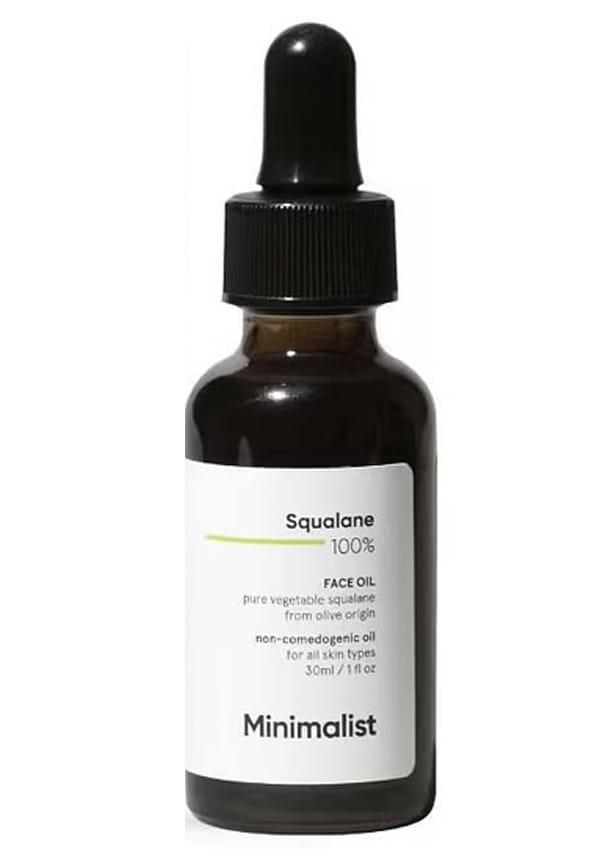
Squalane 100% (Plant Derived) Super-Lightweight Face Oil
Happy with product and discounts
 5
5“happy with the product, and discounts”
Hydrating, Non-Sticky for Daily Use
4“hydrating... non sticky... daily use”
Lightweight & Hydrating Oil
4“Light weight oil, very good for hydrating dry skin”
Let's be real—skincare can feel like a chemistry lesson sometimes. Two ingredients that keep popping up in every conversation are squalane for skin and hyaluronic acid. Both promise glowing, hydrated skin, but which one actually delivers? If you've been torn between these two powerhouses, you're not alone. The truth is, they work differently, and understanding what each brings to the table can help you make the right choice for your skin. Ready to dive into the ultimate skincare showdown?
Before we get into the comparison, let's talk about what is squalane and why it's become such a skincare favourite. Squalane is a stable, hydrogenated form of squalene—a natural lipid your skin already produces. The catch? Your body's squalene production starts declining in your twenties, which is where squalane steps in to save the day.
Here's what makes squalane special: it's molecularly identical to the oils your skin naturally produces. This means it integrates seamlessly without causing irritation or clogged pores. Modern squalane is typically derived from plants like olives or sugarcane, making it a sustainable and cruelty-free choice. Unlike its predecessor that was sourced from shark liver oil, today's plant-based versions are just as effective and much more ethical.
The magic of squalane lies in its lightweight molecular structure. It absorbs quickly without leaving that greasy film that puts so many people off facial oils. Because it's non-comedogenic, it won't clog your pores—making it suitable for all skin types, including oily and acne-prone skin. Think of it as giving your skin exactly what it's been missing.
Now that you know what squalane is, let's explore the squalane benefits that have made it a must-have in skincare routines worldwide. From hydration to anti-ageing, this ingredient packs quite a punch.
Squalane works by preventing transepidermal water loss (TEWL), which is essentially your skin losing moisture to the environment. It creates a protective barrier that locks in hydration while allowing your skin to breathe. Research from the National Institutes of Health shows that squalane significantly improves skin barrier function, making it particularly beneficial for dry or compromised skin.
If you struggle with redness, irritation, or conditions like eczema, squalane might just become your new best friend. Its anti-inflammatory properties help calm irritated skin, while its antioxidant capabilities protect against free radical damage. This makes it an excellent choice for sensitive skin that reacts to harsher ingredients.
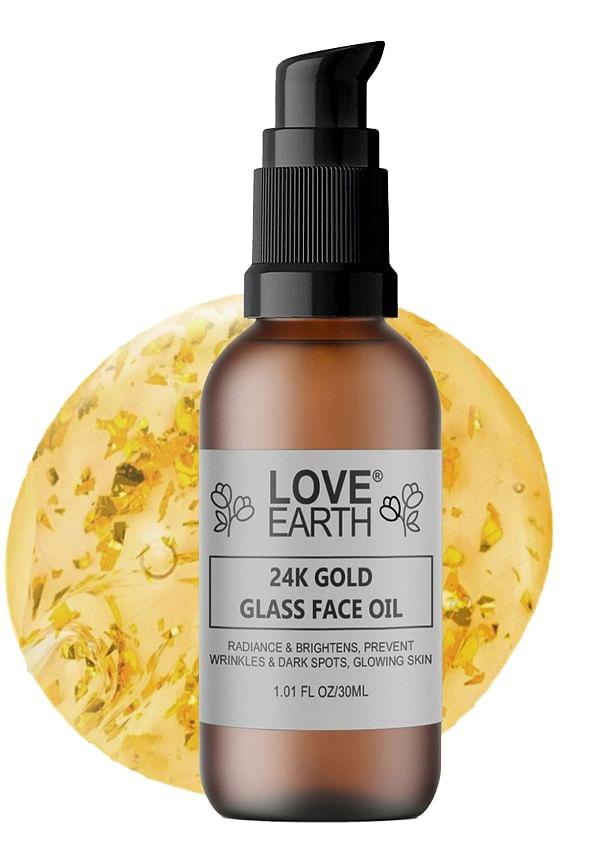
24K Gold Glass Face Oil
Very Nice, Glass Look
5“very nice product leaves a glass like look”
Light & Glowing
5“very light on skin... gives a nice glow”
Great Value and Quality
5“good quality, vallue for money.”
Beyond hydration, squalane improves skin elasticity and softness over time. Regular use can lead to a more luminous, youthful-looking complexion. It's like giving your skin a natural glow-up without any of the drama that comes with more aggressive treatments.
Here's where things get interesting. The squalane vs hyaluronic acid debate isn't really about which is better—it's about understanding what each does and when to use them. They're actually quite different in how they work their magic.
Squalane is an oil-based moisturiser that focuses on barrier protection and preventing water loss. Hyaluronic acid, on the other hand, is a humectant that draws moisture from the environment into your skin. Think of squalane as the protective shield and hyaluronic acid as the moisture magnet. They complement each other beautifully rather than compete.
If your main concern is maintaining hydration and protecting your skin barrier, squalane takes the lead. Its antioxidant properties give it an edge over hyaluronic acid when it comes to anti-ageing benefits. However, if you're dealing with dehydrated skin that needs an immediate moisture boost, hyaluronic acid might be your go-to. The sensory experience is different too—squalane feels more nourishing, while hyaluronic acid provides that plump, bouncy feeling.
Absolutely! The best approach is often layering them strategically. Apply hyaluronic acid first on damp skin to maximise its moisture-drawing abilities, then follow with squalane to seal everything in. This combination gives you the best of both worlds—intense hydration plus long-lasting protection.
Not all squalane products are created equal. Understanding the difference between squalane oil, squalane serum, and squalane moisturiser can help you choose the right formula for your needs and preferences.
Pure squalane oil gives you 100% concentration, making it the most potent option. It's particularly beneficial for very dry or mature skin that needs intensive nourishment. A few drops applied to damp skin in the evening can work wonders. The key is using it sparingly—a little goes a long way.
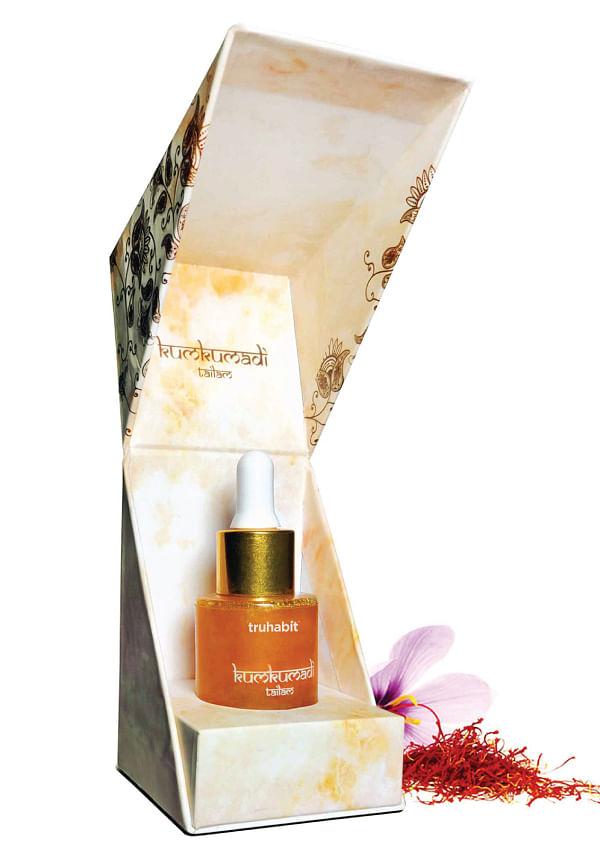
Kumkumadi Tailam Face Oil
Good Facial Oil for Dry Skin
5“actually I love it .........good facial oil for dry skin”
Mixed feelings on smell
5“It's nice but the smell is not pleasant”
Good Product, Face Glow
5“very good product makes my face glow”
Squalane serums and moisturisers offer a more user-friendly approach, especially if you're new to facial oils. These products typically contain squalane alongside other beneficial ingredients like peptides, vitamins, or ceramides. Look for products with at least 5-10% squalane concentration for noticeable benefits. They're often more budget-friendly than pure squalane oil and easier to incorporate into existing routines.
Knowing the squalane uses and proper application techniques can make all the difference in your results. Whether you're using it on your squalane face routine or incorporating it into your broader squalane skincare regimen, timing and technique matter.
For morning routines, apply squalane after your serum but before sunscreen. In the evening, it can be your final step or used before a heavier night cream. Start with 2-3 drops for your entire face and neck—you can always add more if needed. Gently press it into your skin rather than rubbing, allowing it to absorb naturally.
The beauty of squalane is its compatibility with most other skincare ingredients. It plays well with retinol, vitamin C, and niacinamide without causing irritation. However, avoid using it immediately after exfoliating acids like AHA or BHA—give your skin a few minutes to settle first. In winter, you might want to use it twice daily, while summer might call for evening-only application.
One of the biggest misconceptions about facial oils is that they're only for dry skin. Squalane acne concerns are often unfounded, and this ingredient can actually benefit various skin types and concerns.
Contrary to popular belief, oily skin can benefit enormously from squalane. Its non-comedogenic properties mean it won't clog pores, while its lightweight texture absorbs quickly without adding greasiness. Some studies suggest that squalane can actually help balance oil production by providing the moisture your skin needs, potentially reducing overproduction of sebum.
The anti-inflammatory properties of squalane make it suitable for acne-prone skin. It provides gentle hydration without the risk of breakouts, and its soothing effects can help calm existing blemishes. Dermatologists often recommend it as a gentle moisturising option for those using acne treatments that can be drying.
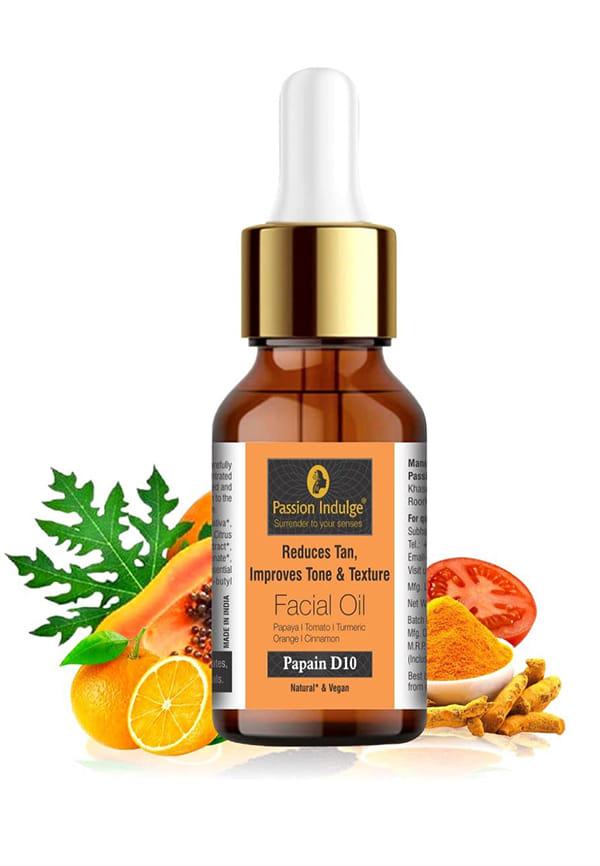
Papain D10 Facial Oil
This is where squalane truly shines. Its barrier-repairing capabilities make it excellent for dry, sensitive, or compromised skin. It provides long-lasting moisture retention without the irritation that some other moisturising ingredients can cause. For those with conditions like eczema or rosacea, squalane's gentle, soothing properties can provide much-needed relief.
They serve different purposes, so it's not about one being better than the other. Squalane focuses on barrier protection and preventing moisture loss, while hyaluronic acid draws moisture into the skin. For comprehensive hydration, using both together often yields the best results.
Squalane moisturises, protects the skin barrier, provides antioxidant benefits, and helps maintain skin elasticity. It's particularly effective at preventing transepidermal water loss and can improve overall skin texture and radiance over time.
These ingredients address different skin concerns. Squalane is primarily a moisturiser and barrier protector, while niacinamide helps with oil control, pore appearance, and brightening. They work beautifully together in a skincare routine.
Squalane and retinol serve completely different functions. Retinol is an active ingredient that promotes cell turnover and addresses signs of ageing, while squalane is a moisturising and protective ingredient. They complement each other well—squalane can actually help buffer retinol's potential irritation.
Modern squalane is typically derived from plant sources like olives, sugarcane, or amaranth seeds. It's a hydrogenated, stable form of squalene that occurs naturally in human skin and various plants.
The squalane vs hyaluronic acid debate doesn't need a winner—both ingredients bring unique benefits to your skincare routine. Squalane excels at barrier protection, long-term hydration, and providing antioxidant benefits, making it suitable for all skin types. Whether you choose pure squalane oil or opt for squalane-infused products, this ingredient can transform your skin's health and appearance over time.
The beauty of skincare lies in finding what works for your unique needs, and sometimes that means trying different formulations and concentrations. Platforms like Smytten make this exploration easier by offering curated trial packs from trusted brands, letting you discover your perfect squalane product without the commitment of full-size purchases. With over 1,500 brands available and the ability to try up to 8 minis for just ₹249, you can experiment with different squalane formulations until you find your perfect match. After all, why settle for 'maybe' when you can try it all?
