SPF in Skincare India: Your Questions Answered


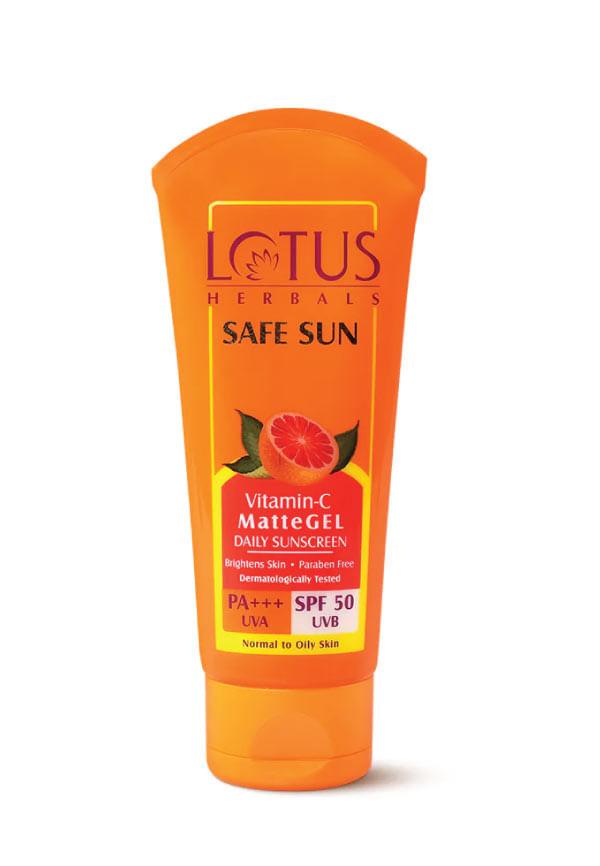
Safe Sun Vitamin-C Mattegel Daily Sunscreen SPF 50 PA+++
You've probably heard it a thousand times: wear SPF every day. But when you're rushing to get ready in Mumbai's humidity or dealing with Delhi's pollution, that extra step feels like just another thing on your skincare to-do list. Here's the thing though - in a country where the UV index regularly hits 8-11+ (that's 'very high' to 'extreme' territory), skipping SPF isn't just about getting a tan. It's about protecting your skin from damage that shows up years later as hyperpigmentation, premature ageing, and an uneven skin tone that no amount of vitamin C can fully reverse.
Let's talk numbers for a moment. India's UV index ranges from 8-11+ for most of the year, which puts us in the 'very high' to 'extreme' category. To put this in perspective, fair skin can burn in as little as 10-15 minutes under these conditions. But here's where it gets interesting for Indian skin tones.
There's this persistent myth that natural melanin provides enough protection for Indian skin. While melanin does offer some defence, it's equivalent to only SPF 4-13 protection - nowhere near enough for our intense sun exposure. The reality is that Indian skin is just as vulnerable to UV damage, it just shows up differently.
UVA rays penetrate deep into the skin, breaking down collagen and causing premature ageing. They're present year-round, even on cloudy days, and can pass through glass windows. UVB rays are the ones that cause burning and are strongest between 10 AM and 4 PM. Both contribute to hyperpigmentation, which is one of the most common skin concerns for Indian skin types.
Add India's unique climate challenges - high humidity that makes you sweat off your sunscreen, pollution that creates free radicals, and intense heat that can make any skincare routine feel overwhelming - and you've got a perfect storm for skin damage without proper protection.
The benefits of using SPF daily go far beyond preventing sunburn. For Indian skin, consistent SPF use is your best defence against the skin concerns that tend to plague us most.
Hyperpigmentation prevention is perhaps the biggest win. Those dark spots that appear after acne, small cuts, or even just from sun exposure? SPF stops them from forming in the first place. Once hyperpigmentation sets in, it can take months or even years to fade, even with targeted treatments like niacinamide or arbutin.
Then there's the anti-ageing aspect. UV exposure is responsible for about 80% of visible ageing signs. Daily SPF use can prevent those fine lines around your eyes, the uneven skin tone that makes you reach for concealer, and the loss of firmness that happens when UV rays break down your skin's collagen.
For those dealing with melasma or stubborn dark patches, SPF isn't just helpful - it's absolutely essential. Without it, even the most expensive treatments won't work effectively because new damage keeps forming faster than your skin can repair itself.
Walking into any beauty store or scrolling through skincare options online can feel overwhelming when you're faced with SPF 15, 30, 50, and even 100. For Indian conditions, SPF 30-50 hits the sweet spot. SPF 30 blocks about 97% of UVB rays, while SPF 50 blocks about 98%. The difference is minimal, but the higher number gives you a bit more buffer if you don't apply quite enough product.
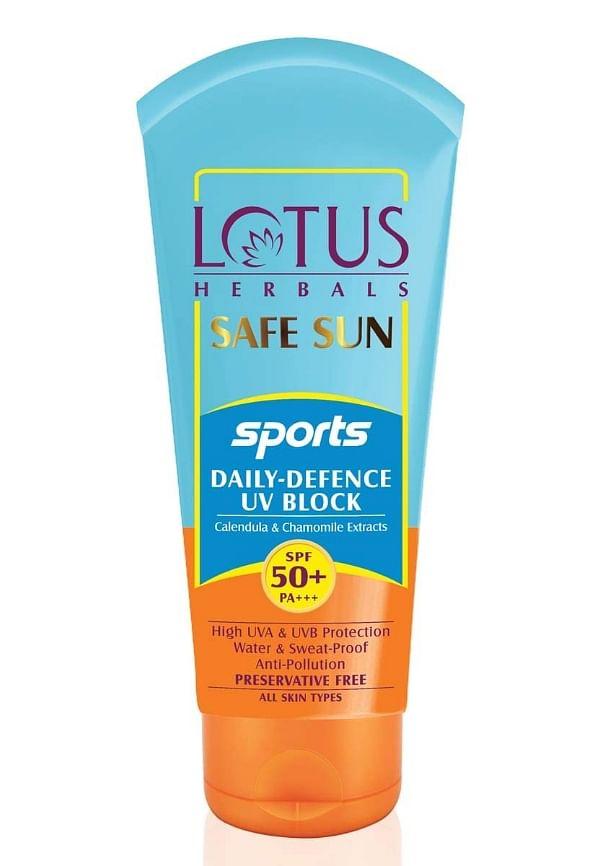
Safe Sun Sports Daily-Defence UV Block Sunscreen SPF 50+
The physical vs chemical sunscreen debate is real, especially for Indian skin types. Physical sunscreens (with zinc oxide or titanium dioxide) sit on top of your skin and reflect UV rays. They're brilliant for sensitive skin and work immediately upon application. Chemical sunscreens (with ingredients like avobenzone or octinoxate) absorb into your skin and convert UV rays into heat.
For India's humid climate, texture matters enormously. A thick, creamy sunscreen might offer excellent protection, but if it makes you feel sticky and uncomfortable, you won't use it consistently. Gel-based sunscreens work beautifully for oily skin, while those with dry skin might prefer a more moisturising lotion formula.
Coastal regions like Mumbai, Chennai, or Goa face intense UV exposure combined with high humidity. The reflection off water increases UV intensity, so you need broad-spectrum protection and frequent reapplication. Look for water-resistant formulas that won't slide off with sweat.
Northern plains including Delhi and surrounding areas deal with seasonal extremes and pollution. Winter might tempt you to skip SPF, but UV rays are still present. Pollution creates free radicals that compound UV damage, making antioxidant-rich sunscreens particularly beneficial.
Hill stations have their own challenge - UV intensity increases with altitude. That crisp mountain air might feel gentle, but you're actually closer to the sun and there's less atmospheric protection.
Your daily skincare routine SPF integration doesn't have to be complicated, but the order matters. After cleansing, apply any serums or treatments, then your moisturiser, and finally your SPF. This creates the right barrier and ensures your sunscreen can form an effective protective film.
Timing is crucial too. Apply your sunscreen at least 15-20 minutes before stepping outside to give chemical filters time to activate. If you're using a physical sunscreen, you're protected immediately, but that wait time helps the product settle properly.
Reapplication is where most people struggle. Every 2-3 hours is the gold standard, but let's be realistic about Indian lifestyles. If you're indoors most of the day, morning application with a touch-up before any outdoor activity works. For days with significant sun exposure, powder sunscreens or SPF sprays can make reapplication more manageable.
If you're using tretinoin, retinoids, or AHAs in your routine, SPF becomes non-negotiable. These ingredients increase your skin's photosensitivity, meaning you'll burn faster and develop pigmentation more easily. A minimum SPF 30 is essential, but SPF 50 gives you better peace of mind.
Vitamin C and SPF make a powerful combination. Vitamin C provides antioxidant protection that complements SPF's UV blocking action. Apply your vitamin C serum in the morning, followed by moisturiser and SPF for comprehensive protection.
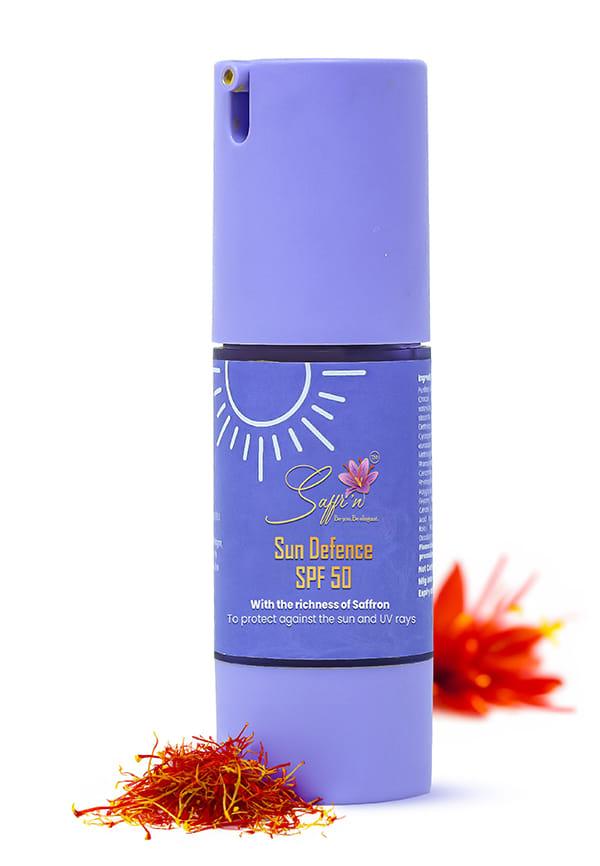
Sun Defence SPF 50
"But it's cloudy today" - we've all been there. Here's the reality: up to 80% of UV rays can penetrate clouds. Those overcast monsoon days in July? You still need SPF. That pleasant winter morning in January? UV rays are still reaching your skin.
The "should you wear sunscreen everyday even at home" question comes up constantly. If you're sitting by windows, especially in high-rise buildings, UVA rays are reaching your skin. Add in blue light from screens (though the jury's still out on how much damage this actually causes), and daily SPF makes sense even for indoor days.
During monsoon season, the combination of humidity and intermittent sun exposure can be particularly tricky for your skin. You might not feel like you're getting much sun, but those brief moments when clouds part can cause significant exposure, especially if your skin isn't used to it.
The biggest mistake? Not using enough product. You need about 1/4 teaspoon of sunscreen for your face and neck - that's roughly a 50p coin-sized amount. Most people use about half that, which dramatically reduces protection.
Skipping reapplication during long outdoor exposure is another common issue. If you're spending the day at a wedding, festival, or outdoor event, that morning application won't last. Carry a small tube for touch-ups, especially on your nose, forehead, and shoulders.
Using expired sunscreen is surprisingly common, especially in India's heat and humidity. Sunscreen typically lasts 2-3 years unopened, but once opened, it's best used within 12 months. Store it in a cool, dry place - not in your car or bathroom cabinet where heat and humidity can break down the active ingredients.
The makeup-over-sunscreen layering technique trips up many people. Your SPF should be the last step in your skincare routine, but the first step before makeup. Let it set for a few minutes before applying primer or foundation to prevent pilling.
Absolutely. While Indian skin does have more natural melanin protection than fair skin, it's equivalent to only SPF 4-13. With India's UV index regularly hitting 8-11+, this natural protection isn't nearly enough. Indian skin is particularly prone to hyperpigmentation from UV exposure, making daily SPF essential for preventing dark spots and maintaining an even skin tone.
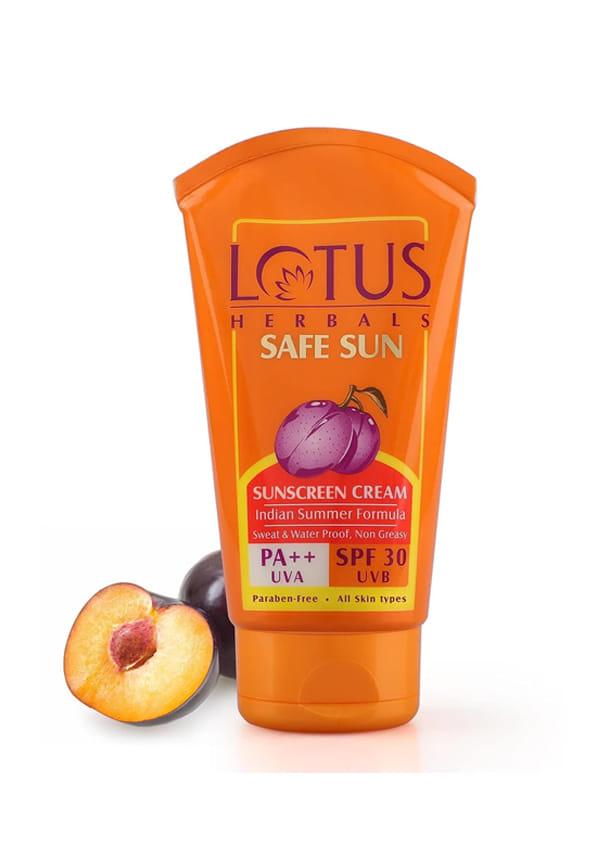
Safe Sun Sunscreen Cream SPF 30 PA++
Product Not Suitable
 4
4“so so product. not suits my skin”
Mixed Review
4“Heavy on skin, white cast, good sun protection”
Excellent Product Quality
5“very good quality and good product”
Sunscreen prevents new hyperpigmentation from forming, but it won't fade existing dark spots. Think of SPF as your prevention strategy - it stops further damage while you use targeted treatments like niacinamide, vitamin C, or arbutin to address existing pigmentation. Without SPF, even the best pigmentation treatments won't work effectively because new damage keeps forming.
If you're near windows or spend time outdoors (even briefly), yes. UVA rays penetrate glass windows and can cause cumulative damage over time. For days when you're truly indoors with minimal window exposure, you can skip it, but many people find it easier to make SPF a daily habit rather than deciding each morning.
Always after moisturiser. The correct order is: cleanser, serums, moisturiser, then SPF. This ensures your sunscreen can form an effective protective barrier on top of your skincare. Wait about 5 minutes between moisturiser and SPF application to let each layer settle properly.
Daily SPF prevents premature ageing, hyperpigmentation, and maintains your skin's overall health. You'll notice fewer dark spots developing, more even skin tone, and better results from other skincare products. The anti-ageing benefits become apparent over months and years - think of it as an investment in your future skin.
SPF 30-50 works best for Indian conditions. SPF 30 blocks 97% of UVB rays, while SPF 50 blocks 98%. The choice often comes down to your lifestyle, skin type, and how much time you spend outdoors. For daily city life, SPF 30 is sufficient. For beach days or extended outdoor exposure, go with SPF 50.
SPF isn't just another skincare step - it's the foundation that makes every other product in your routine more effective. In India's intense UV environment, daily sun protection prevents the hyperpigmentation, premature ageing, and uneven skin tone that can take years to reverse.
The key is finding a sunscreen that works with your skin type and lifestyle. Whether that's a lightweight gel for oily skin or a moisturising cream for dry skin, consistency matters more than perfection. Start with SPF 30, apply generously, and reapply when needed.
For those exploring different sunscreen options, Smytten's curated selection includes trusted brands that understand Indian skin needs. With over 28 million users discovering products through trial sizes, you can test different formulations before committing to full-size products. It's a smart way to find your perfect SPF match without the guesswork.
