SPF Explained for Beginners: Your Sun Protection Questions Answered

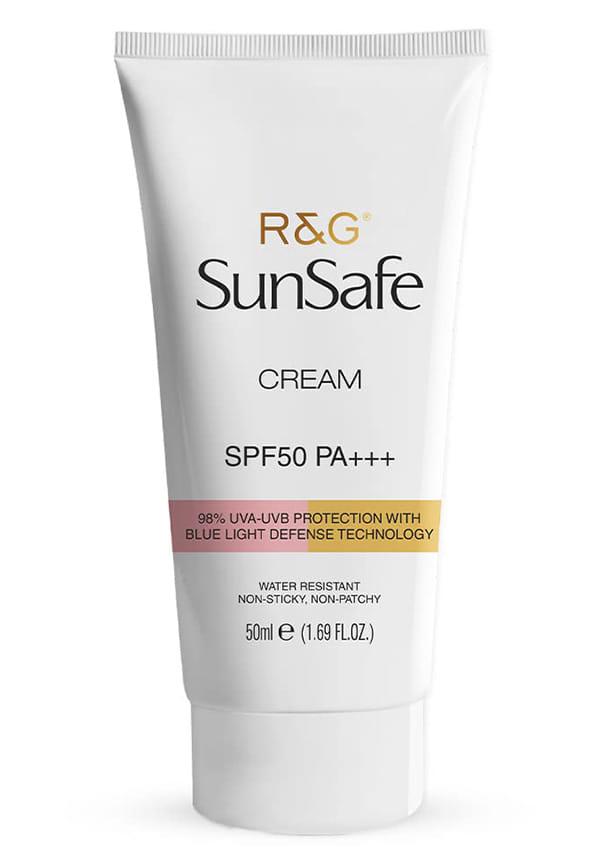
SunSafe SPF 50 Sunscreen For Women & Men | Broad Spectrum PA+++
If you've ever stood in the skincare aisle staring at SPF numbers wondering what they actually mean, you're not alone. Sun Protection Factor can feel like a mystery wrapped in confusing numbers and scientific jargon. But here's the thing - understanding SPF doesn't require a chemistry degree. Whether you're dealing with post-summer pigmentation, trying to prevent premature ageing, or simply want to protect your skin from daily UV damage, getting to grips with SPF basics is one of the best investments you can make for your skin's future. From decoding those numbers on bottles to understanding why your dermatologist keeps banging on about broad spectrum protection, we're breaking down everything you need to know about SPF in simple, practical terms. And if you're new to the sunscreen game, platforms like Smytten make it easier than ever to trial different formulations before committing to full-size products, so you can find what works best for your skin without the guesswork.
TL;DR
SPF measures how long sunscreen protects against UVB rays - SPF 30 blocks 97% of UVB radiation, while SPF 50 blocks 98%
Broad spectrum protection covers both UVA and UVB rays - look for PA ratings or zinc oxide/titanium dioxide in ingredients
Mineral sunscreens (zinc oxide, titanium dioxide) are gentler for sensitive skin, whilst chemical sunscreens offer lighter textures
Daily SPF use prevents premature ageing, hyperpigmentation, and skin damage - reapply every 2 hours for optimal protection
SPF 30-50 is ideal for daily use - higher numbers offer minimal additional protection but may feel heavier on skin
Sun Protection Factor, or SPF, is essentially your skin's bodyguard against harmful UV radiation. Think of it as a numerical rating that tells you how much longer you can stay in the sun without burning compared to unprotected skin. If your skin normally burns after 10 minutes in direct sunlight, SPF 30 theoretically extends that time to 300 minutes (10 x 30). However, real-world protection depends on proper application, skin type, and environmental factors.
The numbers you see on sunscreen bottles - 15, 30, 50, 70+ - represent different levels of UVB protection. SPF 15 blocks approximately 93% of UVB rays, SPF 30 blocks 97%, and SPF 50 blocks 98%. Notice how the protection increase becomes smaller as numbers get higher? That's why dermatologists often recommend SPF 30-50 for daily use rather than chasing the highest numbers available.
One common misconception is that SPF 50 offers twice the protection of SPF 25. In reality, the difference is much smaller - just 1% more UVB protection. What matters more is consistent application, proper coverage (about ¼ teaspoon for face and neck), and regular reapplication throughout the day.
Understanding how SPF actually protects your skin helps you make better choices about sun protection. UV radiation comes in two main types that reach our skin: UVA and UVB rays. UVB rays are the primary cause of sunburn and directly damage DNA in skin cells, whilst UVA rays penetrate deeper, causing premature ageing, wrinkles, and contributing to skin cancer risk.
SPF specifically measures protection against UVB radiation through laboratory testing. Researchers apply sunscreen to volunteers' skin and measure how much UV exposure causes redness compared to unprotected skin. This testing happens under controlled conditions with specific amounts of sunscreen - typically 2mg per square centimetre of skin.
Here's where real-world application differs from laboratory conditions: most people apply only 25-50% of the recommended amount of sunscreen. This dramatically reduces actual protection. If you're using half the recommended amount of SPF 30, you're getting roughly SPF 5-7 protection. That's why generous application and reapplication matter more than chasing higher SPF numbers.
When choosing between different SPF levels, it helps to understand what those numbers actually translate to in terms of protection. The jump from SPF 15 to SPF 30 is significant - you're going from 93% to 97% UVB protection. However, the jump from SPF 30 to SPF 50 is much smaller, increasing protection from 97% to 98%.
For daily use, SPF 30 is considered the sweet spot by most dermatologists. It offers excellent protection when applied properly, feels comfortable on skin, and doesn't break the bank. SPF 50 makes sense for extended outdoor activities, beach days, or if you have very fair skin that burns easily.
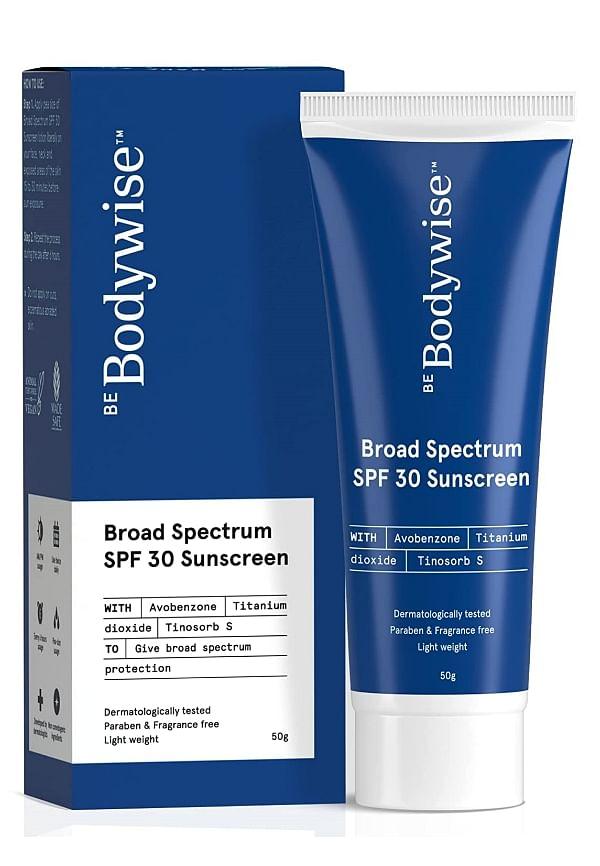
Broad Spectrum Spf 30 Sunscreen
SPF 15: Blocks 93% of UVB rays - suitable for minimal sun exposure
SPF 30: Blocks 97% of UVB rays - ideal for daily wear and moderate sun exposure
SPF 50: Blocks 98% of UVB rays - recommended for extended outdoor activities
SPF 70+: Blocks 98%+ of UVB rays - minimal additional benefit over SPF 50
Higher SPF products often feel heavier, cost more, and may contain higher concentrations of chemical filters that could irritate sensitive skin. Unless you're spending hours outdoors or have specific medical recommendations, SPF 30-50 provides excellent daily protection.
While SPF measures UVB protection, "broad spectrum" indicates that a sunscreen also protects against UVA rays. This dual protection is crucial because UVA rays penetrate deeper into skin, causing long-term damage like premature ageing, dark spots, and increased skin cancer risk. UVA rays also maintain consistent intensity throughout the day and can penetrate glass, making year-round protection essential.
In many Asian markets, you'll see PA ratings alongside SPF numbers. PA stands for Protection Grade of UVA, with + symbols indicating protection levels: PA+ offers some UVA protection, PA++ offers moderate protection, PA+++ offers high protection, and PA++++ offers extremely high UVA protection. European sunscreens often display a UVA symbol in a circle, indicating the product meets EU standards for UVA protection.
Look for "broad spectrum" on the label
Check for PA ratings (PA+ to PA++++)
Zinc oxide and titanium dioxide naturally provide broad spectrum protection
Chemical filters like avobenzone, octinoxate, or octisalate in combination
Without broad spectrum protection, you're only getting half the story. Your skin might not burn (thanks to UVB protection), but UVA damage continues accumulating, leading to premature ageing and hyperpigmentation over time.
Sunscreens work through two main mechanisms: mineral (physical) filters that sit on skin's surface and reflect UV rays, or chemical filters that absorb UV radiation and convert it to heat. Both types offer effective protection, but they suit different skin types and preferences.
Mineral sunscreens contain zinc oxide and/or titanium dioxide as active ingredients. These create a physical barrier on skin that immediately reflects and scatters UV rays. They're particularly suitable for sensitive skin, rosacea, or anyone who experiences irritation from chemical sunscreens. Modern mineral formulations have improved significantly, with micronised particles that blend better and leave less white cast.
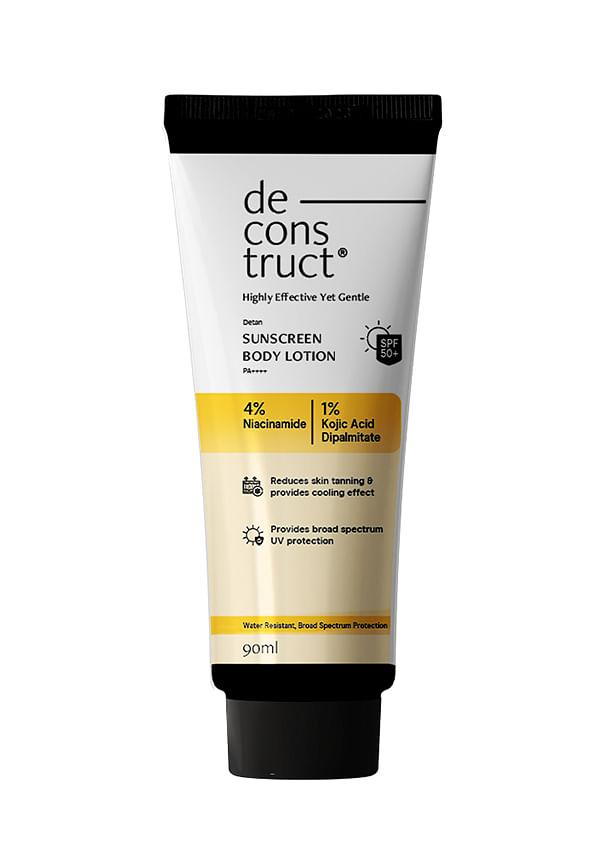
Detan Sunscreen Body Lotion with SPF 50+
Immediate protection upon application
Less likely to cause skin irritation or allergic reactions
Naturally broad spectrum protection
Suitable for sensitive skin and children
Photostable (doesn't break down in sunlight)
Lighter, more cosmetically elegant textures
Easier to blend into skin without white residue
Often more water-resistant
Better for darker skin tones
Can be formulated into lightweight, daily-wear products
Chemical sunscreens need about 15-20 minutes to become fully effective, as they require time to absorb into skin and form protective bonds. Common chemical filters include avobenzone, octinoxate, octisalate, and newer ingredients like zinc oxide alternatives that offer broad spectrum protection.
The most effective sunscreen is the one you'll actually use every day. Daily SPF application isn't just about preventing sunburn - it's about protecting against cumulative UV damage that leads to premature ageing, dark spots, and increased skin cancer risk. Even on cloudy days, up to 80% of UV rays can penetrate clouds, and UVA rays maintain consistent intensity year-round.
Indoor workers aren't off the hook either. UVA rays penetrate glass windows, so if you sit near windows during the day, you're still getting UV exposure. This is why dermatologists recommend daily SPF as part of your morning skincare routine, regardless of your plans for the day.
Apply SPF as the last step in your morning skincare routine
Use about ¼ teaspoon for face and neck coverage
Reapply every 2 hours, or immediately after swimming or sweating
Don't forget often-missed areas: ears, neck, hands, and lips
Choose a formula you enjoy using to ensure consistent application
The long-term benefits of daily SPF use are remarkable. Studies show that people who use sunscreen daily experience 24% less skin ageing than those who use it occasionally. Regular SPF use also helps prevent and fade hyperpigmentation, keeping skin tone more even over time.
SPF 30 is excellent for daily use and blocks 97% of UVB rays, whilst SPF 50 blocks 98% - a minimal difference. SPF 30 is ideal for normal daily activities, whilst SPF 50 makes sense for extended outdoor exposure, very fair skin, or beach holidays. The key is consistent application and reapplication rather than chasing higher numbers.
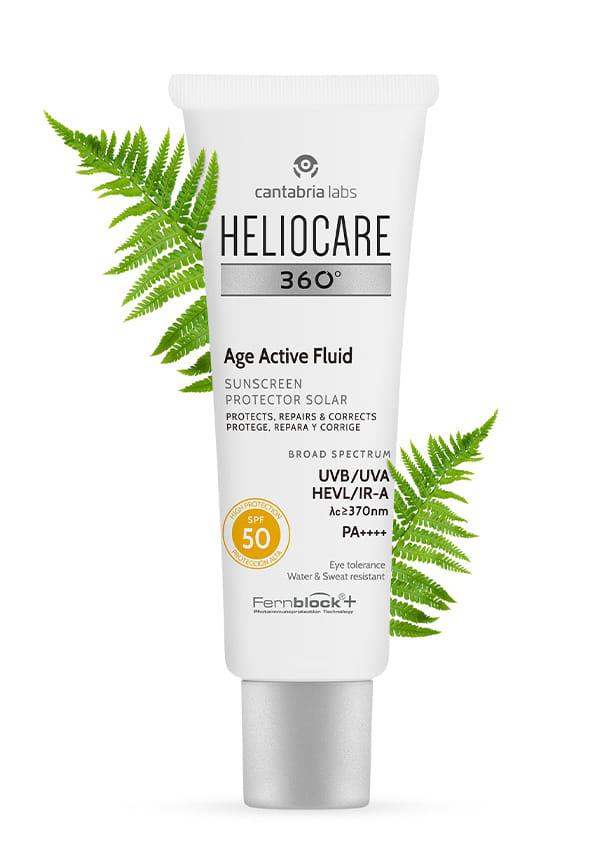
360º Age Active Fluid SPF 50 Sunscreen
PA++++ indicates the highest level of UVA protection in the Asian rating system. PA stands for Protection Grade of UVA, with + symbols showing protection levels. PA+ offers some protection, PA++ moderate, PA+++ high, and PA++++ extremely high UVA protection. This rating helps you choose sunscreens that protect against both burning (UVB) and ageing (UVA) rays.
Not exactly. While SPF 30 theoretically extends your burn time by 30 times, this calculation assumes perfect laboratory conditions and proper application. In reality, factors like sweating, swimming, touching your face, and applying less product than recommended reduce protection time. That's why dermatologists recommend reapplying every 2 hours regardless of SPF level.
SPF 70 is technically stronger, blocking about 98.6% of UVB rays compared to SPF 50's 98%. However, this tiny difference rarely translates to noticeably better protection in real-world use. SPF 50 is usually the better choice as it offers excellent protection, feels lighter on skin, and costs less. Save SPF 70+ for extreme sun exposure situations.
SPF 30 broad spectrum is perfect for beginners. It offers excellent daily protection, feels comfortable on most skin types, and won't overwhelm your routine. Look for formulas that blend well with your skin tone and don't cause irritation. Platforms like Smytten let you trial different sunscreen formulations before committing to full sizes, making it easier to find your perfect match.
Absolutely! Many modern sunscreens are designed to work beautifully under makeup. Look for lightweight, non-greasy formulas that absorb quickly. Mineral sunscreens can sometimes provide a good base for makeup, whilst chemical sunscreens often feel more lightweight. Allow your SPF to set for a few minutes before applying makeup for best results.
Understanding SPF doesn't have to be complicated. The most important thing is choosing a broad spectrum sunscreen with at least SPF 30 that you'll actually use every day. Whether you prefer mineral or chemical formulations depends on your skin type and personal preferences - both offer effective protection when used correctly.
Remember that higher SPF numbers don't necessarily mean dramatically better protection. SPF 30 blocks 97% of UVB rays, whilst SPF 50 blocks 98% - the difference is minimal. Focus on proper application (¼ teaspoon for face and neck), regular reapplication every 2 hours, and choosing a formula you enjoy using.
Daily SPF use is one of the most effective anti-ageing and skin protection strategies available. It prevents premature ageing, helps fade existing hyperpigmentation, and significantly reduces skin cancer risk. Make it a non-negotiable part of your morning routine, and your future skin will thank you.
Starting your SPF journey doesn't have to involve expensive trial and error. Smytten is India's largest product discovery and trial platform, connecting consumers with top lifestyle, beauty, wellness, and grooming brands. At its core, Smytten offers curated trial packs - mini-sized products from over 2,400 trusted brands such as Cetaphil, Dot & Key, WishCare, and many others. This lets users explore and experience different sunscreen formulations before committing to full-size purchases. Each mini is linked with Trial Points, and users can get up to 10 Trial Points for just ₹279. Plus, Smytten offers 100% cashback on the purchase of these minis, redeemable in the shop section for future orders, making sunscreen discovery both affordable and rewarding. With over 28 million users and 100 million trial minis delivered across 90% pincode coverage, Smytten helps consumers make smarter, more confident choices about their sun protection routine. After all, why settle for 'maybe' when you can try before you buy and find the perfect SPF for your skin?
