SPF 30 vs SPF 50 for Indian Skin: Your Questions Answered


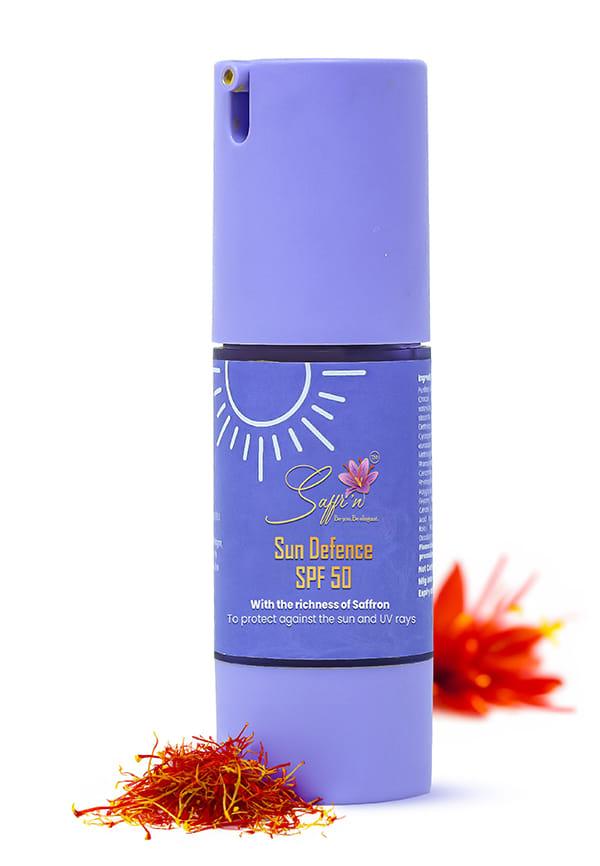
Sun Defence SPF 50
You've been standing in the sunscreen aisle for ten minutes, comparing SPF 30 and SPF 50 bottles, wondering if that extra 20 in the number really makes a difference for your skin. With India's UV index hitting 8-12+ across different regions, this isn't just about picking any sunscreen—it's about understanding how your melanin-rich skin actually responds to different levels of protection. The truth is, the choice between SPF 30 and SPF 50 depends on more than just the numbers on the bottle.
Before diving into which SPF works best for Indian skin, let's decode what these numbers actually represent. SPF 30 blocks approximately 97% of UVB rays, while SPF 50 blocks about 98%. That 1% difference might seem minimal, but it translates to allowing twice as much UV radiation through your skin barrier.
The SPF calculation works like this: if your skin normally burns after 10 minutes of sun exposure, SPF 30 theoretically extends that time to 300 minutes. However, this calculation assumes perfect application—something most of us don't achieve in real life. Most people apply only 25-50% of the recommended amount, which significantly reduces the actual protection level.
There's a persistent myth that darker skin tones don't need as much sun protection because melanin provides natural SPF. Whilst melanin does offer some protection (equivalent to about SPF 4), it's nowhere near enough to shield against India's intense UV radiation. Hyperpigmentation, melasma, and premature ageing affect all skin tones, and Indian skin is particularly prone to post-inflammatory hyperpigmentation from sun damage.
The answer isn't straightforward—it depends on your lifestyle, skin type, and exposure patterns. Your daily routine, the time you spend outdoors, and even your city's climate all play crucial roles in determining the right SPF level for your skin.
For office workers who spend most of their day indoors with minimal direct sun exposure, SPF 30 provides adequate protection when applied correctly. However, if you're commuting during peak hours (10 AM to 4 PM), attending outdoor meetings, or working in sales or field jobs, SPF 50 becomes more relevant. The key is honest assessment of your actual sun exposure.
Fair to medium Indian skin tones (Fitzpatrick types III-IV) generally benefit from SPF 50, especially during summer months. Darker skin tones can often manage with SPF 30 for daily use, but should consider SPF 50 for extended outdoor activities. If you have sensitive skin or are using active ingredients like retinoids or AHAs, SPF 50 provides that extra buffer of protection your compromised skin barrier needs.
SPF 50 formulations typically cost 20-30% more than SPF 30 versions. However, if you're applying the correct amount (about 1/4 teaspoon for face and neck), the cost per application difference is minimal. The real consideration is whether you'll actually use the product consistently—a lightweight SPF 30 you apply daily is infinitely better than an SPF 50 that sits unused because it feels too heavy.
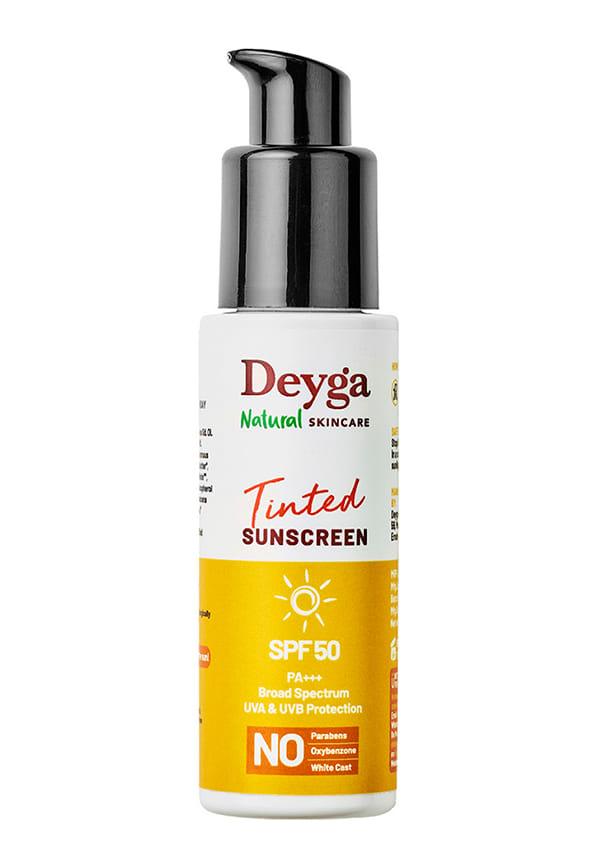
Sunscreen Spf 50
SPF 30 isn't inherently good or bad—it's about context and proper use. In India's diverse climate zones, from the humid coastal regions to the dry northern plains, SPF 30 can be perfectly adequate when used correctly.
During winter months (November to February) when the UV index drops to 4-6 in most Indian cities, SPF 30 provides excellent protection for daily activities. Urban dwellers who spend most time indoors, travel in covered vehicles, and have limited direct sun exposure can rely on SPF 30 year-round. The key is combining it with other protective measures like seeking shade and wearing protective clothing.
When the UV index climbs above 8 (common from April to June across India), SPF 30's limitations become apparent. Coastal cities like Mumbai and Chennai, with their intense reflected UV from water, and high-altitude regions like Shimla or Darjeeling require more robust protection. Extended outdoor activities—beach days, trekking, or outdoor sports—push SPF 30 beyond its comfort zone.
SPF 50 isn't just about blocking more UV rays—it's about providing a safety net for real-world application habits and India's challenging sun conditions.
Your face and neck are constantly exposed and most prone to melasma and dark spots. SPF 50 provides crucial protection for these areas, especially if you're dealing with existing pigmentation issues. Post-treatment skin—after chemical peels, laser treatments, or even aggressive exfoliation—needs maximum protection to prevent rebound pigmentation.
If you're using tretinoin, retinol, or other photosensitising ingredients, SPF 50 becomes non-negotiable. These ingredients increase your skin's vulnerability to UV damage, and the extra protection helps prevent the irritation and pigmentation that can result from inadequate sun protection. Always choose broad spectrum formulas that protect against both UVA and UVB rays.
The best SPF for your face isn't just about the number—it's about finding a formula you'll actually want to use every single day. Consistency trumps perfection when it comes to sun protection.
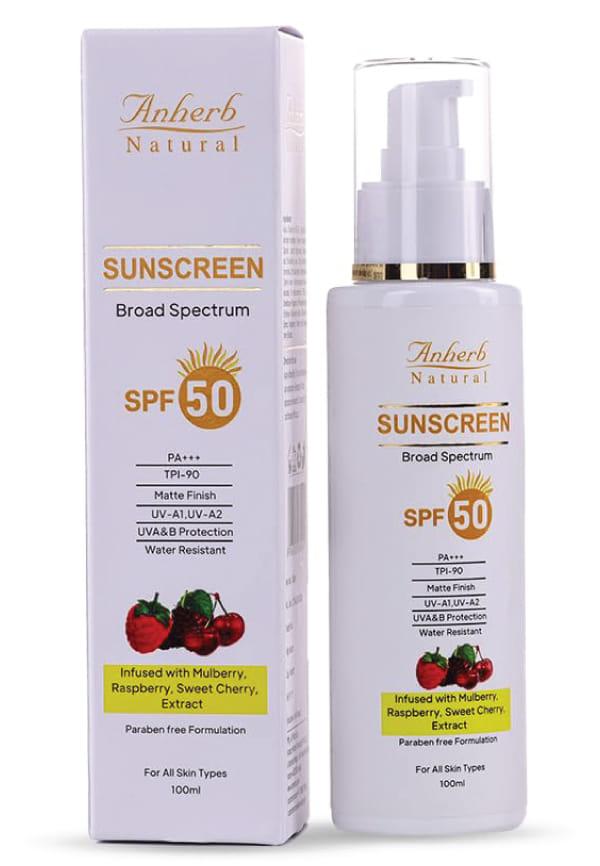
Sunscreen SPF 50
Look for broad spectrum protection that shields against both UVA (ageing) and UVB (burning) rays. In India's humid climate, gel-based or lightweight fluid formulations often work better than heavy creams. For acne-prone skin, seek out non-comedogenic formulas that won't clog pores. Ingredients like niacinamide or zinc oxide can provide additional skin benefits beyond sun protection.
The 2mg/cm² rule translates to about 1/4 teaspoon for your face and neck—more than most people use. Apply sunscreen 15-20 minutes before sun exposure and reapply every 2 hours, or immediately after sweating or swimming. If you wear makeup, consider SPF-containing setting sprays for touch-ups, though they shouldn't replace your primary sunscreen.
India's vast geography means UV exposure varies dramatically from Kashmir to Kanyakumari. Understanding your region's specific challenges helps you make informed SPF choices.
The northern plains experience extreme seasonal variation—harsh summers requiring SPF 50 and milder winters where SPF 30 suffices. Coastal regions maintain consistently high UV levels year-round, with added challenges from reflected UV off water surfaces. Cities like Goa, Mumbai, and Chennai benefit from consistent SPF 50 use.
High-altitude regions see increased UV exposure due to thinner atmosphere—UV intensity increases by 10-12% for every 1000 metres of elevation. Desert climates in Rajasthan combine intense direct sun with reflected heat, making SPF 50+ essential. These extreme conditions often require reapplication every 90 minutes rather than the standard 2 hours.
For daily indoor use, SPF 30 provides adequate protection for most Indian skin tones when applied correctly. However, SPF 50 is recommended for extended outdoor exposure, fair or sensitive skin, or during peak summer months when the UV index exceeds 10. The choice depends on your lifestyle, skin type, and regional climate conditions.
Yes, SPF 30 blocks 97% of UVB rays and is sufficient for daily protection when applied in the correct amount (1/4 teaspoon for face and neck) and reapplied every 2 hours. It's ideal for urban lifestyles with limited direct sun exposure, especially during winter months when UV index is lower.
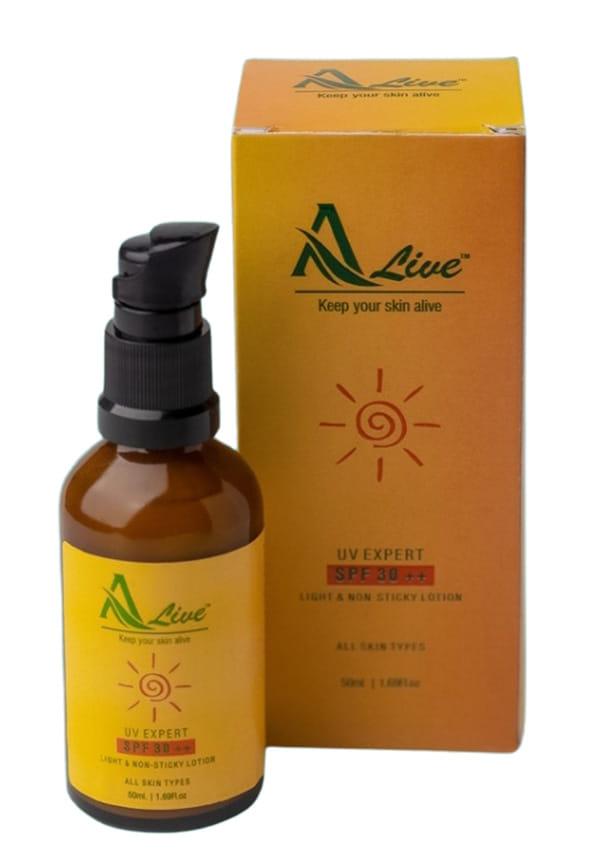
Spf 30 ++
Whilst the protection difference is only 1%, it becomes significant during prolonged exposure. Dark skin can still experience UV damage, hyperpigmentation, and premature ageing. The melanin in darker skin provides only about SPF 4 protection, making proper sunscreen selection important regardless of skin tone.
SPF 30 is the minimum recommended protection for tretinoin users, but SPF 50 is preferred due to increased photosensitivity. Retinoids make your skin more vulnerable to UV damage, so the extra protection helps prevent irritation and rebound pigmentation. Always choose broad-spectrum formulas and reapply frequently.
Both can work for oily skin—focus on gel-based, non-comedogenic formulas rather than SPF level. SPF 30 may feel lighter for daily wear, whilst SPF 50 offers better protection for outdoor activities. Look for ingredients like niacinamide or zinc oxide that provide additional oil-control benefits.
Both require reapplication every 2 hours during sun exposure, or immediately after swimming, sweating, or towelling off. The SPF level doesn't change the reapplication schedule—consistency is key for maintaining protection throughout the day.
Actually, it's the opposite that makes more sense. Summer's intense UV (index 8-12+) calls for SPF 50, whilst winter's milder conditions (UV index 4-6) make SPF 30 adequate. However, if you prefer consistency in your routine, using SPF 50 year-round is perfectly fine.
Price doesn't always correlate with protection level. An affordable SPF 30 that you use consistently is better than an expensive SPF 50 that sits unused. Focus on broad-spectrum protection, suitable texture for your skin type, and ingredients that address your specific concerns.
The SPF 30 vs SPF 50 debate isn't about finding a universal winner—it's about understanding your skin's specific needs within India's diverse climate conditions. Your choice should factor in your daily sun exposure, skin type, regional UV intensity, and honestly, which formula you'll actually use consistently.
For most urban Indians with indoor lifestyles, SPF 30 provides excellent daily protection when applied correctly. However, if you have fair skin, use photosensitising ingredients, or spend significant time outdoors, SPF 50 offers that extra margin of safety. The key is choosing a broad spectrum formula with a texture you enjoy, then using it religiously.
Remember, the best sunscreen is the one you'll actually wear every day. Whether you choose SPF 30 or 50, consistent application and proper reapplication matter more than the number on the bottle. Your skin will thank you for the daily protection, regardless of which level you choose.
Smytten's curated selection includes trusted sunscreen brands suitable for Indian skin types and climate conditions, with options for every preference and budget. If you're curious about trying different SPF formulations before committing to full-size products, exploring minis can help you find the perfect match for your skin's unique needs.
