Slugging for Dry Skin FAQ: Expert Advice Answered

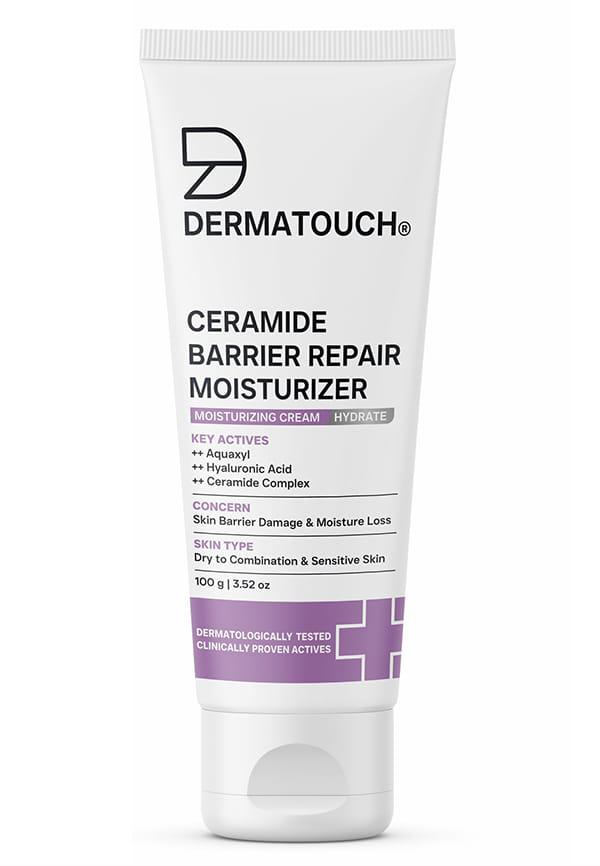
Ceramide Barrier Repair Moisturizer
If you've been scrolling through skincare TikTok lately, you've probably seen the term "slugging" everywhere. This K-beauty inspired technique involves slathering petroleum jelly or similar occlusive products on your face as the final step in your nighttime routine. Real talk, if you've been dealing with dry skin, dermatologists have actually been recommending this approach for decades. The science is simple: occlusives create a protective barrier that prevents water loss from your skin whilst you sleep. But with so much conflicting information online, it's worth understanding what skincare experts really say about slugging for dry skin. Whether you're dealing with winter dryness, post-treatment sensitivity, or chronic dehydration, this comprehensive guide covers everything you need to know about incorporating slugging into your routine safely and effectively. At Smytten, we've seen countless users discover their perfect occlusive products through trial packs, making it easier than ever to test what works for your unique skin needs.
TL;DR
Slugging is a dermatologist-backed technique that uses occlusive products to lock in moisture and repair the skin barrier overnight
Experts recommend petroleum jelly, Aquaphor, or ceramide-rich alternatives for different skin types and sensitivities
The technique works best for dry, sensitive, or compromised skin but should be avoided during active breakouts
Proper application involves clean skin, minimal product, and consistent nighttime use for optimal results
Safety considerations include patch testing and avoiding the eye area, especially for sensitive skin types
Slugging refers to the practice of applying a thick, occlusive product as the final step in your evening skincare routine. The name comes from the glossy, slug-like appearance your skin takes on after application. Despite its recent social media fame, this technique has been a dermatological staple for treating dry, compromised skin for over a century.
The science behind slugging centres on transepidermal water loss (TEWL) - the process by which water evaporates from your skin throughout the day and night. As consultant dermatologists explain, occlusive ingredients create a semi-permeable barrier that can reduce TEWL by up to 98%. This dramatic reduction allows your skin's natural repair processes to work more effectively whilst maintaining optimal hydration levels.
What sets slugging apart from traditional moisturising is its focus on sealing rather than adding moisture. Whilst humectants like hyaluronic acid draw water to the skin and emollients smooth the surface, occlusives form a protective film that prevents existing moisture from escaping. This makes slugging particularly effective for those with compromised skin barriers, chronic dryness, or conditions like eczema where maintaining hydration is crucial.
Clinical research consistently supports the effectiveness of occlusive moisturising for dry skin conditions. A 2019 study published in the Journal of Dermatological Science found that petroleum-based occlusives improved skin barrier function within just seven days of consistent use. The benefits extend far beyond simple hydration, addressing multiple aspects of skin health simultaneously.
Enhanced moisture retention tops the list of expert-recognised benefits. When your skin barrier is functioning optimally, it can hold up to 30% more water than compromised skin. This increased hydration leads to improved elasticity, reduced fine lines, and that coveted "plump" appearance that many seek from expensive serums and treatments.
Key benefits dermatologists observe include:
Accelerated healing of dry, cracked areas
Reduced inflammation and irritation
Improved tolerance to active ingredients like retinoids
Cost-effective alternative to prescription barrier repair treatments
Enhanced effectiveness of underlying skincare products
Dermatologists specialising in barrier repair note that slugging can be particularly beneficial for those using prescription treatments. "Patients on tretinoin or other retinoids often experience dryness and peeling. Slugging helps maintain the skin barrier whilst allowing these powerful ingredients to work effectively," they explain.
Proper slugging technique is crucial for achieving results without clogging pores or causing irritation. The process begins hours before you actually apply your occlusive, starting with thorough cleansing and appropriate product layering. Dermatologists emphasise that slugging should always be the final step in your routine, never applied to dirty or inadequately prepared skin.
The timing of your slugging routine matters significantly. Experts recommend beginning your evening routine at least 30 minutes before bed, allowing each layer to absorb properly before applying your occlusive. This prevents product pilling and ensures maximum effectiveness of your underlying skincare.
Cleanse thoroughly: Remove all makeup, SPF, and daily pollutants with a gentle cleanser. Double cleansing may be necessary if you wear heavy makeup or waterproof SPF.
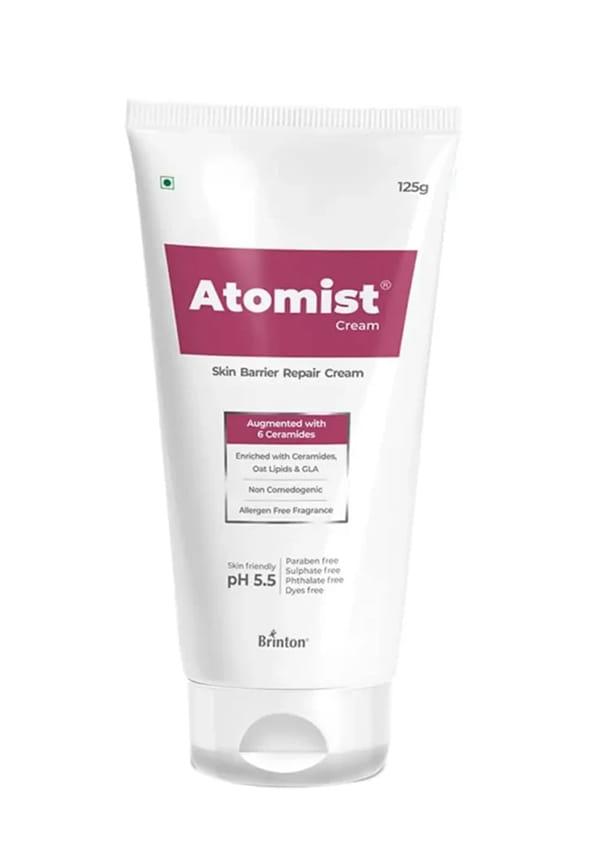
Atomist Skin Barrier Repair Cream
Used for dry skin on toddler
 5
5“Used for dryskin for toddler skin ”
Good moisturizer, instant results
5“good moisturizer instant results i like it.”
Good for Sensitive, Acne-Prone Skin; Improves Barrier
5“so good for sensitive skin also acne prone skin devloped my skin barrier fr”
Apply your usual skincare: Use your regular serums, treatments, and moisturiser. Allow each layer to absorb for 3-5 minutes before proceeding to the next step.
Use minimal product: A thin layer is sufficient - you need much less than you think. Start with a pea-sized amount for your entire face.
Gentle patting motion: Avoid rubbing or massaging the product in. Instead, gently pat and press the occlusive onto your skin, focusing on the driest areas first.
Avoid the eye area: Unless specifically formulated for delicate skin, keep occlusives away from your immediate eye area to prevent milia or irritation.
Not all occlusive products are created equal, and dermatologists have specific recommendations based on skin type, sensitivity level, and individual concerns. The gold standard remains petroleum jelly due to its proven track record and extensive clinical research, but several alternatives offer additional benefits for specific skin needs.
When selecting an occlusive for slugging, experts consider factors like comedogenicity, ingredient purity, and additional beneficial components. The ideal product should form an effective barrier without causing breakouts or irritation, whilst being suitable for long-term use.
Pure petroleum jelly (Vaseline): The most researched and clinically proven option. It's non-comedogenic, hypoallergenic, and provides maximum occlusion. Best for very dry or sensitive skin.
Aquaphor Healing Ointment: Contains petroleum jelly plus panthenol and glycerin for added healing benefits. Slightly less occlusive than pure petroleum jelly but offers enhanced skin repair properties.
Ceramide-rich balms: Products containing ceramides help rebuild the skin barrier whilst providing occlusion. Ideal for those with compromised barriers or eczema-prone skin.
Plant-based alternatives: Shea butter, coconut oil, or specially formulated plant-based occlusives offer lighter textures for those who find petroleum jelly too heavy.
Product Type | Best For Skin Type | Key Benefits | Price Range | Main Ingredients |
|---|---|---|---|---|
Pure Petroleum Jelly | Very dry, sensitive | Maximum occlusion, proven safety | ₹50-150 | 100% petroleum jelly |
Aquaphor | Dry, healing skin | Added healing properties | ₹200-400 | Petroleum jelly, panthenol, glycerin |
Ceramide Balms | Compromised barrier | Barrier repair + occlusion | ₹300-800 | Ceramides, cholesterol, fatty acids |
Plant-Based Options | Normal to dry | Lighter texture, natural ingredients | ₹250-600 | Shea butter, plant oils, waxes |
Lanolin-Based | Very dry, not wool-sensitive | Excellent moisture retention | ₹400-700 | Lanolin, emollients |
Sensitive skin requires extra consideration when incorporating slugging into your routine. Dermatologists emphasise that whilst occlusive products are generally well-tolerated, individual reactions can vary significantly. The key lies in proper product selection, gradual introduction, and careful monitoring for any adverse reactions.
Dermatologists specialising in sensitive skin conditions recommend starting with patch testing any new occlusive product. "Apply a small amount to your inner wrist or behind your ear for 24-48 hours before using it on your face. This simple step can prevent widespread reactions and help identify potential sensitivities early."
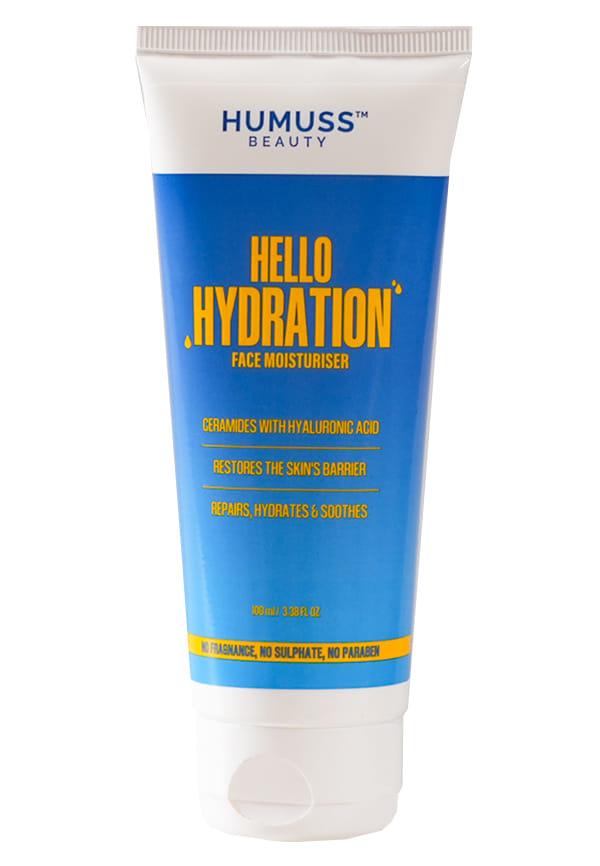
Hello Hydration' Barrier Repair Ceramides & Hyaluronic Acid Face Moisturiser
Start gradually: Begin with slugging just 2-3 times per week, gradually increasing frequency as your skin adapts. This allows your skin to build tolerance without overwhelming it.
Choose fragrance-free formulations: Fragrances are common irritants for sensitive skin. Stick to unscented, hypoallergenic options specifically formulated for sensitive skin types.
Monitor for warning signs: Increased redness, burning, stinging, or new breakouts may indicate that slugging isn't suitable for your current skin condition or chosen product.
Clinical evidence strongly supports slugging's effectiveness for dry skin. Studies show that occlusive products can reduce transepidermal water loss by up to 98%, leading to significant improvements in skin hydration within 7-14 days. Success rates are highest among those with genuinely dry skin rather than oily skin types mistaking dehydration for dryness.
Yes, dermatologists have recommended occlusive moisturising for decades, particularly for patients with eczema, xerosis, or barrier-compromised skin. However, they emphasise proper technique and product selection. Most dermatologists recommend slugging for dry, sensitive, or healing skin whilst advising against it for acne-prone or oily skin types.
Traditional Korean skincare often incorporates sleeping masks and occlusive balms rather than pure petroleum jelly. Popular K-beauty slugging products include snail secretion filtrate-based sleeping masks, ceramide-rich night balms, and specially formulated overnight treatments. The approach tends to be lighter and more cosmetically elegant than Western petroleum-based methods.
For truly dry skin, nightly slugging is generally safe and beneficial. However, experts recommend adjusting frequency based on your skin's response, climate, and seasonal changes. During humid months or if you notice any congestion, reducing frequency to every other night or a few times per week may be more appropriate.
Slugging works well with most skincare ingredients when properly layered. Apply water-based serums first, followed by treatments like retinoids or acids, then moisturiser, and finally your occlusive. However, avoid mixing occlusives directly with active ingredients, as this can affect their penetration and effectiveness.
Most people notice improved skin texture and hydration within 3-7 days of consistent slugging. Significant barrier repair and long-term improvements typically become apparent after 2-4 weeks of regular use. Those with severely compromised skin may need 6-8 weeks to see full benefits.
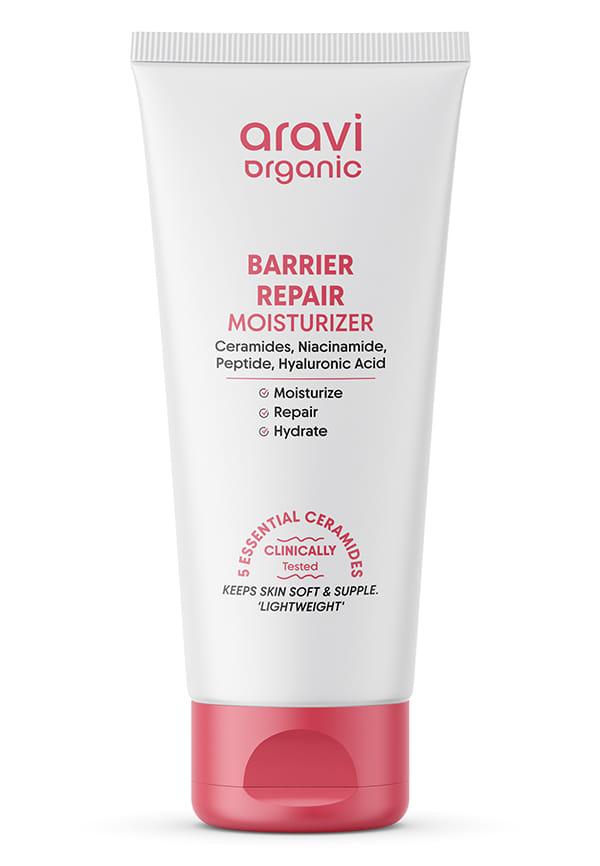
Advanced Barrier Repair Moisturizer With Ceramide & Hyaluronic Acid For Deep Hydration
Despite its benefits for dry skin, slugging isn't universally appropriate. Dermatologists identify several scenarios where occlusive products may worsen existing conditions or create new problems. Understanding these contraindications is crucial for safe and effective skincare.
Active acne represents the primary contraindication for slugging. The occlusive nature of petroleum jelly and similar products can trap bacteria and sebum, potentially worsening breakouts. Dermatologists explain: "Whilst petroleum jelly itself is non-comedogenic, it can trap other pore-clogging substances and create an environment where acne bacteria thrive."
Avoid slugging if you have:
Active acne breakouts or cystic acne
Extremely oily skin with no dry areas
Fungal acne (malassezia folliculitis)
Open wounds or active infections
Known allergies to petroleum products
Climate considerations also play a role in slugging appropriateness. In very humid environments, the additional occlusion may feel uncomfortable and could potentially lead to heat rash or folliculitis in susceptible individuals.
Successful slugging extends beyond simply applying an occlusive product. Dermatologists recommend a holistic approach that considers your entire skincare routine, lifestyle factors, and seasonal adjustments. These expert strategies can significantly enhance your results whilst minimising potential drawbacks.
Seasonal modifications represent one of the most important considerations for long-term slugging success. Winter months typically require more frequent slugging due to low humidity and heating systems that dry out indoor air. Conversely, summer humidity may necessitate reducing frequency or switching to lighter occlusive formulations.
Post-procedure care: Slugging can be particularly beneficial after professional treatments like chemical peels, microneedling, or laser therapy, helping to support the healing process and maintain results.
Prescription compatibility: Work with your dermatologist to integrate slugging with prescription treatments. Many find that slugging helps them tolerate stronger retinoids or other medications with fewer side effects.
Keep a skin diary: Note changes in hydration, texture, and any reactions. This helps identify optimal frequency and timing for your individual needs.
Adjust based on hormonal cycles: Many women find their skin's needs change throughout their menstrual cycle. Increase slugging frequency during the luteal phase when skin tends to be drier.
Slugging represents a scientifically-backed approach to managing dry skin that has earned widespread dermatologist approval. The technique's effectiveness lies in its ability to dramatically reduce water loss whilst supporting the skin's natural repair processes. For those with genuinely dry, sensitive, or compromised skin, slugging can provide significant benefits when implemented correctly.
Success with slugging depends heavily on proper product selection, appropriate application technique, and realistic expectations. Pure petroleum jelly remains the gold standard for maximum occlusion, whilst alternatives like Aquaphor or ceramide-rich balms offer additional benefits for specific skin concerns. The key is starting gradually, monitoring your skin's response, and adjusting frequency based on individual needs and environmental factors.
Remember that slugging isn't suitable for everyone. Those with active acne, extremely oily skin, or certain skin conditions should avoid this technique or consult with a dermatologist before beginning. When done correctly, however, slugging offers an affordable, effective solution for dry skin that rivals much more expensive treatments and procedures.
Finding the right occlusive product for your slugging routine doesn't have to involve expensive full-size purchases that might not work for your skin. Smytten is India's largest product discovery and trial platform, connecting consumers with top lifestyle, beauty, wellness, and grooming brands through curated trial packs. With mini-sized products from over 2,400 trusted brands including WishCare, Minimalist, and other skincare favourites, you can explore different occlusive options before committing to full-size purchases. Each mini is linked with Trial Points, and users can get up to 10 Trial Points for just ₹279, plus Smytten offers 100% cashback on trials, redeemable for future orders. This makes discovering your perfect slugging product both affordable and rewarding. With over 28 million users and 100% authentic, brand-verified minis delivered across 90% pin code coverage, Smytten helps you make smarter, more confident skincare choices. After all, why settle for 'maybe' when you can #TryItAll!
