Sleep and Skin Repair Connection FAQ: Your Questions Answered


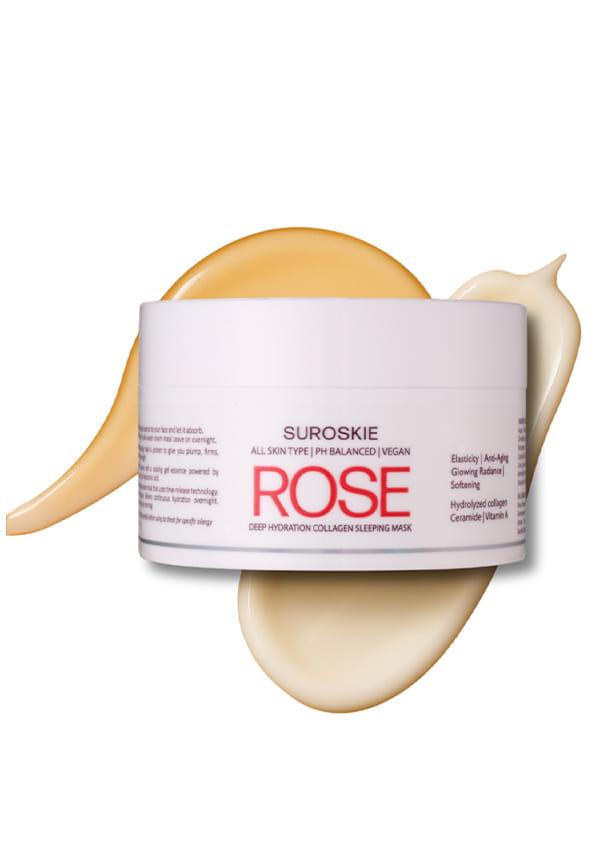
Rose Deep Hydration Collagen Sleeping Mask
Ever wondered why they call it 'beauty sleep'? Turns out, there's solid science behind this age-old phrase. Your skin doesn't just rest when you sleep—it goes into full repair mode, working harder than you might imagine to undo the day's damage and prepare for tomorrow. From boosting collagen production to repairing DNA damage, your nighttime hours are when the real skincare magic happens. Yet many of us still treat sleep as optional, wondering why our complexions look dull despite expensive serums and treatments. The truth is, no amount of skincare can fully compensate for poor sleep quality. Understanding the sleep and skin repair connection isn't just fascinating—it's essential for anyone serious about healthy, glowing skin. Whether you're dealing with premature ageing, stubborn breakouts, or just want to maximise your skincare routine's effectiveness, getting your sleep right might be the missing piece of your beauty puzzle. At Smytten, we've seen countless users discover that their best skin days often follow their best sleep nights, which is why we're diving deep into this crucial connection.
Your skin repairs itself most actively during sleep, particularly between 10 PM and 2 AM when growth hormone peaks
Poor sleep quality accelerates ageing, increases inflammation, and compromises your skin barrier function
Quality sleep boosts collagen production, improves skin cell turnover, and helps maintain optimal hydration levels
Seven to nine hours of consistent, quality sleep is essential for visible skin health improvements
Simple changes to your sleep environment and routine can dramatically improve your skin's overnight repair process
When you drift off to sleep, your skin doesn't switch off—it switches on. The nighttime skin repair process is remarkably sophisticated, orchestrated by your body's internal clock and a cascade of hormones that work together to heal, restore, and regenerate. This isn't just about feeling refreshed; it's about giving your skin the time it needs to perform essential maintenance that simply can't happen during the day.
Your circadian rhythm plays the starring role in this nightly transformation. This internal biological clock doesn't just regulate when you feel sleepy—it controls when your skin cells divide, when collagen gets produced, and when your body releases the growth hormones essential for repair. Between 10 PM and 2 AM, your skin enters its peak repair phase, which is why dermatologists often emphasise the importance of being asleep during these crucial hours.
During deep sleep, your pituitary gland releases growth hormone in significant pulses. This hormone is absolutely crucial for skin regeneration during sleep, stimulating the production of new skin cells and supporting the repair of damaged tissue. Without adequate deep sleep, this growth hormone release becomes irregular and insufficient, leaving your skin struggling to keep up with daily damage.
Your skin cells work overtime while you sleep, with cell turnover rates increasing significantly during nighttime hours. This is when damaged DNA gets repaired, free radical damage gets addressed, and new, healthy cells are produced to replace old ones. The skin recovery while sleeping process also involves increased blood flow to the skin, delivering essential nutrients and oxygen that support this intensive repair work.
The beauty sleep benefits extend far beyond just looking refreshed in the morning. During sleep, your skin undergoes a complex series of restorative processes that directly impact how you look and feel. Understanding these mechanisms helps explain why consistent, quality sleep is non-negotiable for healthy skin.
One of the most significant processes is collagen production sleep enhancement. Collagen, the protein responsible for skin elasticity and firmness, is primarily produced during sleep when growth hormone levels peak. This is why chronic sleep deprivation often leads to premature ageing—your skin simply isn't getting enough time to produce the collagen it needs to stay plump and youthful.
Your skin barrier works harder during sleep to restore its protective function. Throughout the day, environmental stressors, pollution, and UV exposure can compromise this barrier, leading to moisture loss and increased sensitivity. Sleep provides the uninterrupted time needed for lipid production and barrier repair, which is why you often wake up with softer, more hydrated skin.
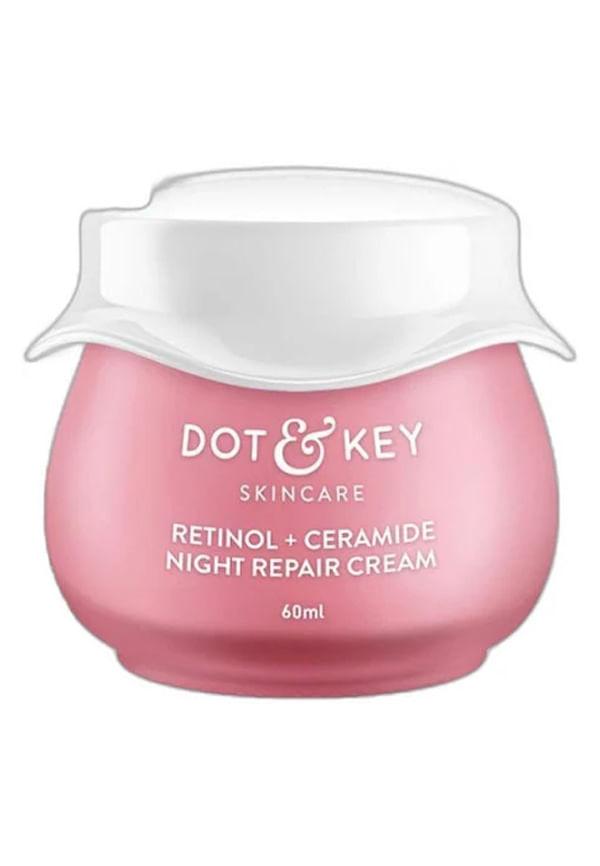
Night Reset Retinol + Ceramide Sleep Treatment Cream
Quality sleep naturally reduces inflammation throughout your body, including your skin. Cortisol levels, which spike during stressful waking hours, drop significantly during sleep, allowing anti-inflammatory processes to take over. This is particularly important for those dealing with acne, rosacea, or other inflammatory skin conditions.
The effects of sleep deprivation on skin are both immediate and long-term, creating a cascade of problems that no amount of expensive skincare can fully address. When you consistently skimp on sleep, your skin pays the price in ways that become increasingly difficult to reverse.
Research has shown that just one night of poor sleep can increase signs of ageing, including fine lines, uneven pigmentation, and reduced skin elasticity. Chronic sleep deprivation accelerates these effects, essentially fast-forwarding the ageing process. Your sleep quality and complexion are so closely linked that dermatologists can often guess someone's sleep habits just by looking at their skin.
Without adequate sleep, collagen production drops significantly, leading to increased fine lines and loss of skin firmness. The skin also becomes less able to recover from daily damage, meaning that sun exposure, pollution, and other stressors have a more lasting impact.
Sleep-deprived skin loses moisture more rapidly and struggles to maintain proper hydration levels. This leads to that tired, dull complexion that's so characteristic of poor sleep. The skin barrier becomes more permeable, making it more susceptible to irritation and environmental damage.
Poor sleep disrupts hormone regulation, often leading to increased cortisol and insulin resistance. These hormonal changes can trigger breakouts, particularly around the jawline and chin, and make existing acne worse. The skin's natural healing process also slows down, meaning blemishes take longer to resolve.
Dermatologists consistently emphasise that dermatology sleep and skin health go hand in hand. The medical community has extensive research showing that sleep quality directly impacts skin ageing, healing, and overall appearance. Most skin specialists now consider sleep hygiene as important as any topical treatment when developing comprehensive skincare plans.
The consensus among dermatologists is clear: seven to nine hours of quality sleep is essential for optimal skin health. However, it's not just about duration—timing, consistency, and sleep quality all play crucial roles in maximising skin healing overnight.
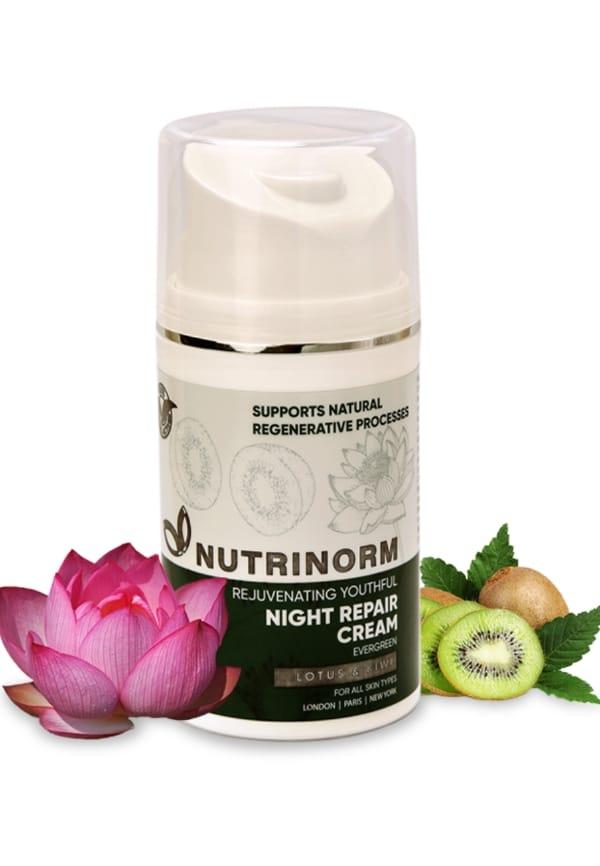
Night Repair Cream
While individual needs vary, most adults require seven to nine hours of sleep for optimal skin repair. Going to bed before 11 PM allows you to take advantage of the peak repair hours between 10 PM and 2 AM, when growth hormone release is highest.
Your sleep position affects how your skin ages over time. Sleeping on your side or stomach can create pressure points that, over years, contribute to wrinkle formation. Back sleeping is ideal for preventing these pressure-related lines, though it's not always practical for everyone.
To truly optimise skin recovery while sleeping, you need to consider both your sleep environment and your pre-sleep routine. Small changes can make a significant difference in how effectively your skin repairs itself overnight.
Your bedroom environment plays a crucial role in sleep quality and, by extension, skin health. The ideal sleep environment for skin repair includes proper humidity levels (around 40-60%), cool temperatures (around 18-20°C), and minimal light exposure. These conditions support both quality sleep and optimal skin function.
Your evening skincare routine should support, not hinder, the natural repair processes that occur during sleep. This means choosing products with ingredients that work synergistically with your skin's nighttime renewal cycle, such as retinoids, peptides, and hydrating ingredients like hyaluronic acid.
Humidity levels significantly impact skin hydration overnight. Dry air can increase trans-epidermal water loss, undoing much of your skin's repair work. Consider using a humidifier, especially during winter months or in air-conditioned environments.
Absolutely. Sleep is when your skin does its most intensive repair work. During sleep, cell turnover increases, collagen production peaks, and your skin barrier function restores itself. Studies show that skin repairs itself up to three times faster during sleep compared to waking hours.
Sleep affects skin regeneration through multiple pathways. Growth hormone released during deep sleep stimulates cell division and protein synthesis. Blood flow to the skin increases during sleep, delivering nutrients essential for repair. Additionally, the stress hormone cortisol drops during quality sleep, reducing inflammation that can impair healing.
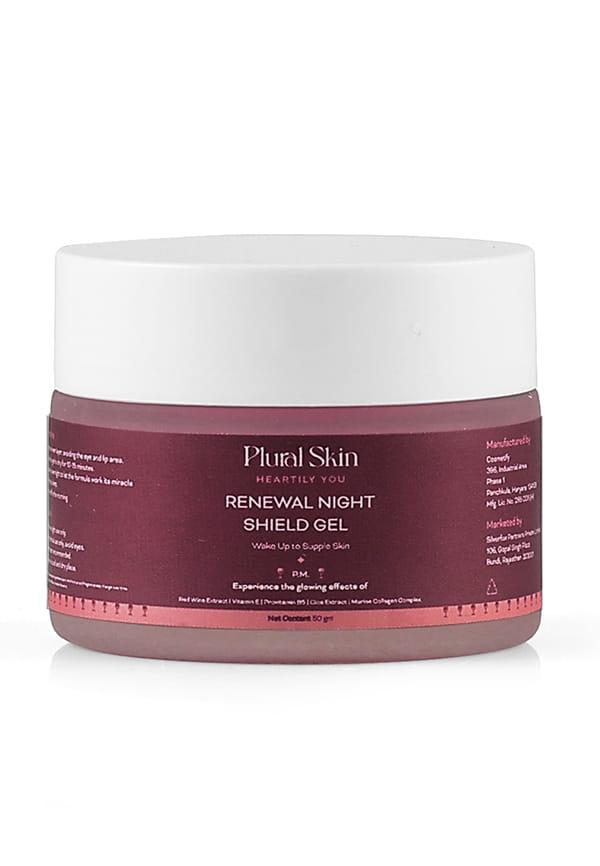
Renewal Night Sheild Gel with Marine Collagen Complex
All skin types benefit from quality sleep, but the specific benefits vary. Oily skin sees reduced inflammation and better pore function. Dry skin benefits from improved barrier repair and moisture retention. Sensitive skin experiences less reactivity due to reduced cortisol levels. Mature skin shows improved collagen production and reduced fine lines.
Most dermatologists recommend seven to nine hours of quality sleep for optimal skin health. However, consistency matters more than hitting an exact number. Regular sleep patterns support your circadian rhythm, which regulates skin repair processes.
Yes, chronic sleep deprivation accelerates skin ageing through multiple mechanisms. It reduces collagen production, increases cortisol levels that break down existing collagen, and impairs the skin's ability to repair daily damage. Studies show that people who consistently get less than six hours of sleep show more signs of premature ageing.
Back sleeping is ideal for preventing sleep wrinkles, as it eliminates pressure on your face. If you're a side sleeper, consider using a silk or satin pillowcase to reduce friction. Some people find success with specially designed pillows that support side sleeping while minimising facial contact.
Smytten's trial packs let you test different nighttime skincare products before committing to full sizes. You can try various night creams, serums, and treatments to find what works best for your skin's overnight repair needs, all while taking advantage of 100% cashback on trial purchases.
Yes, room temperature significantly impacts both sleep quality and skin function. Cooler temperatures (around 18-20°C) promote deeper sleep and prevent excessive sweating that can clog pores. However, extremely cold environments can dry out your skin, so finding the right balance is key.
The sleep and skin repair connection is one of the most powerful yet underutilised aspects of skincare. Quality sleep isn't just about feeling rested—it's about giving your skin the time and conditions it needs to repair, regenerate, and maintain its health. From boosting collagen production to reducing inflammation, sleep provides benefits that no topical treatment can fully replicate.
Prioritising seven to nine hours of consistent, quality sleep, ideally with bedtime before 11 PM, allows you to maximise your skin's natural repair processes. Combined with a supportive sleep environment and appropriate nighttime skincare routine, good sleep habits can dramatically improve your complexion over time. Remember, the effects of sleep on skin health are cumulative—the sooner you start prioritising sleep, the better your skin will look and feel in the long run.
Understanding the intricate relationship between sleep and skin health opens up new possibilities for achieving your best complexion. While we often focus on the latest skincare ingredients and treatments, the foundation of healthy skin lies in consistent, quality sleep. Smytten makes it easier to discover the right nighttime skincare products to support your skin's natural repair processes. As India's largest product discovery platform, Smytten offers trial packs from over 2,400 trusted brands, letting you experiment with different night creams, serums, and treatments before committing to full sizes. With 100% cashback on trial purchases and the convenience of trying before you buy, you can build the perfect sleep-supporting skincare routine without the guesswork. After all, why settle for tired-looking skin when you can discover products that work harmoniously with your body's natural repair cycle? Sweet dreams and glowing skin await.
