Skincare Shelf Life After Opening India: FAQ

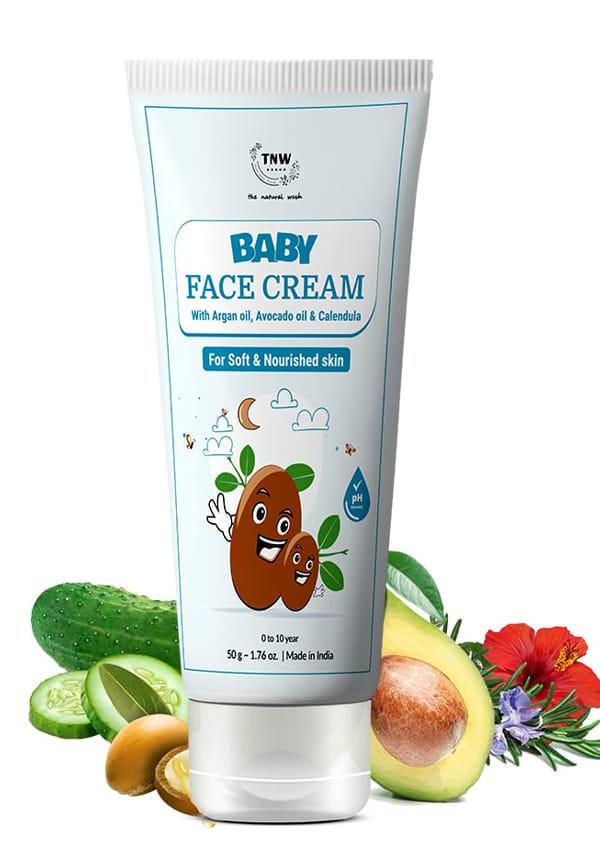
Moisturizing Baby Face Cream for Soft Skin | Baby Face Cream with Natural Ingredients | Suitable for 010 years | 50g
Good Product
 5
5“good product...i really like it”
Instant Shine
5“super effective. gives instant shine”
Ever opened your bathroom cabinet and wondered if that moisturiser from last summer is still safe to use? Or found yourself squinting at tiny symbols on your serum bottle, trying to decode when it actually expires? You're not alone. With India's humid climate and the growing popularity of multi-step skincare routines, understanding skincare product expiration has become more important than ever. Let's decode the mystery of PAO symbols, shelf life guidelines, and storage tips that'll keep your skin happy and your products effective.
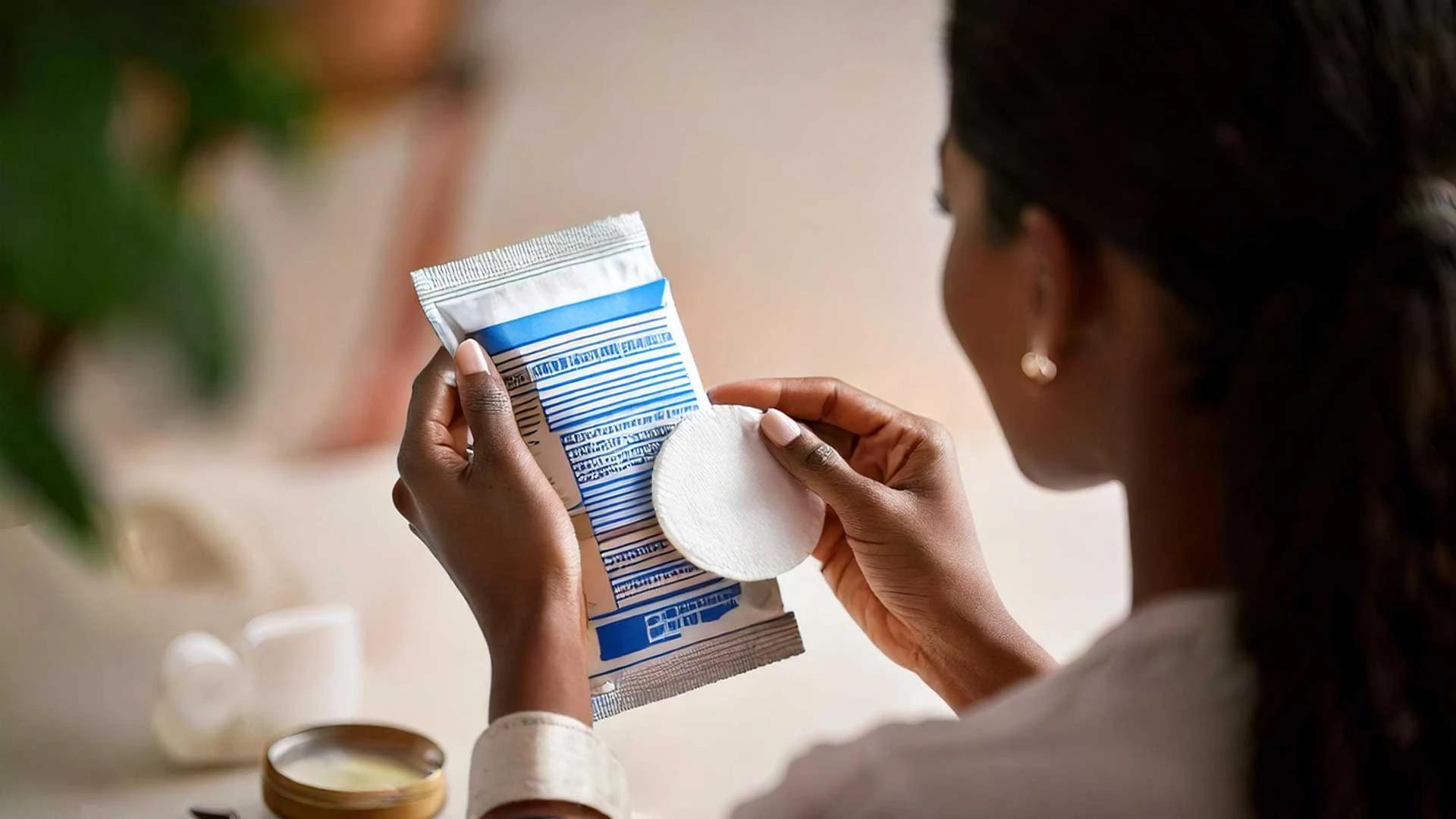
That little jar symbol with a number followed by 'M' on your skincare products isn't just decorative—it's your guide to safe skincare use. The PAO symbol tells you exactly how many months a product remains effective after you first open it.
You'll typically find this symbol on the back or bottom of your product packaging. The number indicates months: 6M means six months, 12M means twelve months, and 24M means twenty-four months. This countdown starts the moment you break that seal or pump that first drop.
Here's where it gets interesting—the PAO symbol matters more than the manufacturing date once you've opened your product. While an unopened moisturiser might last three years from manufacture, once opened, that 12M symbol means you've got twelve months to use it up, regardless of when it was made.
Indian skincare brands are increasingly adopting clearer PAO labelling, making it easier to track your products. This is particularly important in our climate, where heat and humidity can accelerate product degradation.
Different skincare products have varying shelf lives once opened, and understanding these timelines helps you get the most from your routine while keeping your skin safe.
Cleansers typically last 6-12 months after opening. Gel and foam cleansers tend to have longer shelf lives due to their formulations, while cream cleansers may expire sooner. The key is watching for changes in texture or scent.
Most moisturisers maintain their effectiveness for 6-12 months post-opening. Jar packaging exposes the product to more air and potential contamination, so these may expire faster than pump bottles. Night creams with active ingredients often have shorter shelf lives than basic day moisturisers.
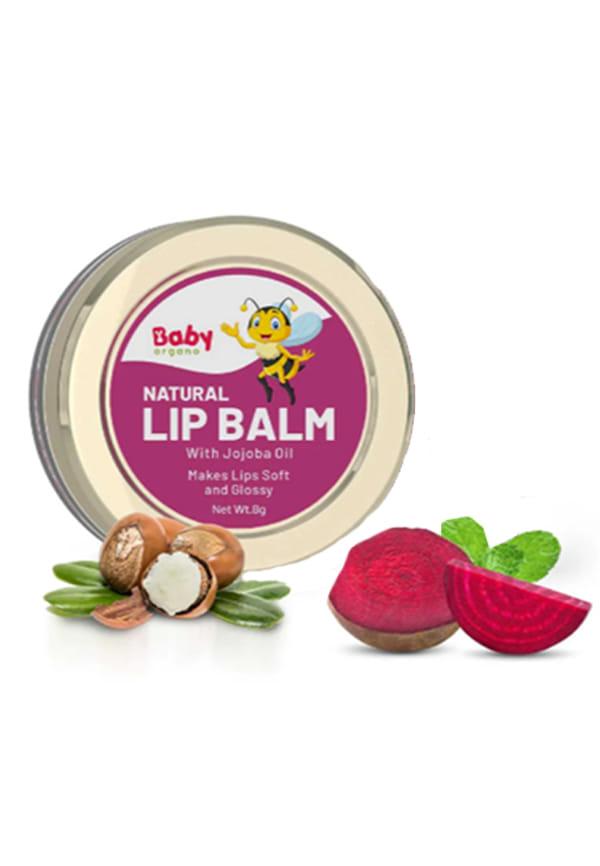
Natural Lip Balm | Ayurvedic Lip Balm for Kids & Babies | 0-15 Years
Serums containing active ingredients like niacinamide, vitamin C, or retinol typically last 6-9 months. These concentrated formulas are more sensitive to light and air exposure. Vitamin C serums may show the earliest signs of degradation, often changing colour when they're no longer effective.
SPF products generally maintain their protective properties for up to 12 months after opening. However, chemical sunscreens may degrade faster in high temperatures, making proper storage crucial in Indian climates.
These water-based products often have the longest shelf life, lasting 12-24 months after opening. Their simpler formulations and lower oil content make them less prone to bacterial growth.
The delicate eye area deserves fresh products, so eye creams are best used within 6-9 months of opening. Their rich formulations and the sensitive application area make timely use particularly important.
Many international brands use batch codes rather than clear expiry dates, but you can decode these with the right tools. Several online batch code checkers help you determine manufacturing dates and recommended use-by periods.
For brands like L'Oreal, Garnier, and Neutrogena, look for a combination of letters and numbers printed on the packaging. These codes, when entered into brand-specific checkers or general cosmetic batch code websites, reveal the manufacturing date. From there, you can calculate the expiry based on the product's typical shelf life.
Indian brands like Lakme and Himalaya often print clearer date codes, making it easier to track freshness. When in doubt, contact the brand's customer service—most are happy to help decode their specific marking systems.
Your senses are excellent tools for detecting expired skincare products. Visual changes are often the first indicator—if your white cream has turned yellow or your clear serum looks cloudy, it's time to bin it.
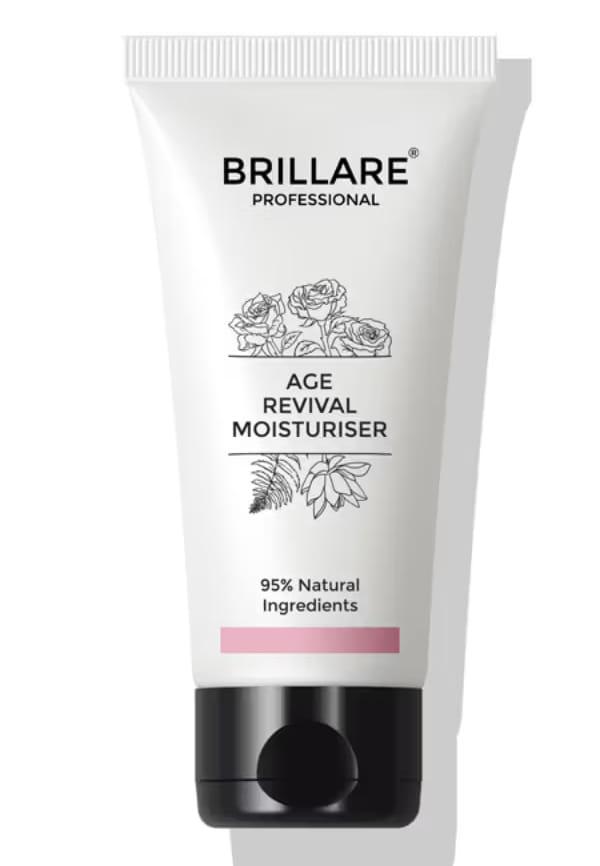
Age Revival Moisturiser For Aging Skin
Good for Parents, Works Well
4“Its good for parents use works fibe”
Excellent Brilliare Product
4“very good product by brilliare.”
Scent changes are equally telling. Fresh skincare products have consistent, pleasant fragrances. If your moisturiser smells rancid, metallic, or just 'off', trust your nose. Similarly, texture changes like separation, grittiness, or unusual thickness suggest the product has degraded.
Performance changes matter too. If your trusted serum suddenly stops delivering results or your cleanser feels harsh when it used to be gentle, expiration might be the culprit. Most importantly, if a product starts causing irritation, breakouts, or sensitivity when it never did before, discontinue use immediately.
India's hot, humid climate poses unique challenges for skincare storage. Heat accelerates chemical breakdown, while humidity encourages bacterial growth. Your bathroom, despite being convenient, is often the worst place to store skincare due to temperature fluctuations and moisture.
Instead, choose a cool, dry place away from direct sunlight. A bedroom drawer or dedicated skincare fridge works well. If you must store products in the bathroom, ensure good ventilation and consider using airtight containers for extra protection.
Always use clean hands or tools when applying products, especially those in jars. This simple step prevents introducing bacteria that can cause premature spoilage. For products you use infrequently, consider decanting small amounts into travel containers to minimise exposure of the main product.
During monsoon season, be extra vigilant about storage. The increased humidity can affect even well-sealed products, so check your skincare collection more frequently during these months.
Natural and organic skincare products often have shorter shelf lives due to fewer preservatives. While this might seem concerning, it actually reflects their cleaner formulations. Products labelled 'preservative-free' or 'all-natural' typically last 3-6 months after opening, compared to 6-12 months for conventional products.
DIY skincare requires even more caution. Homemade face masks, scrubs, or treatments should be used immediately or within a few days if refrigerated. Without proper preservatives, these products can harbour harmful bacteria quickly.
When choosing between natural and commercial products, consider your usage patterns. If you're consistent with your routine and will use products quickly, natural options work well. For occasional use or travel, conventional products with longer shelf lives might be more practical.
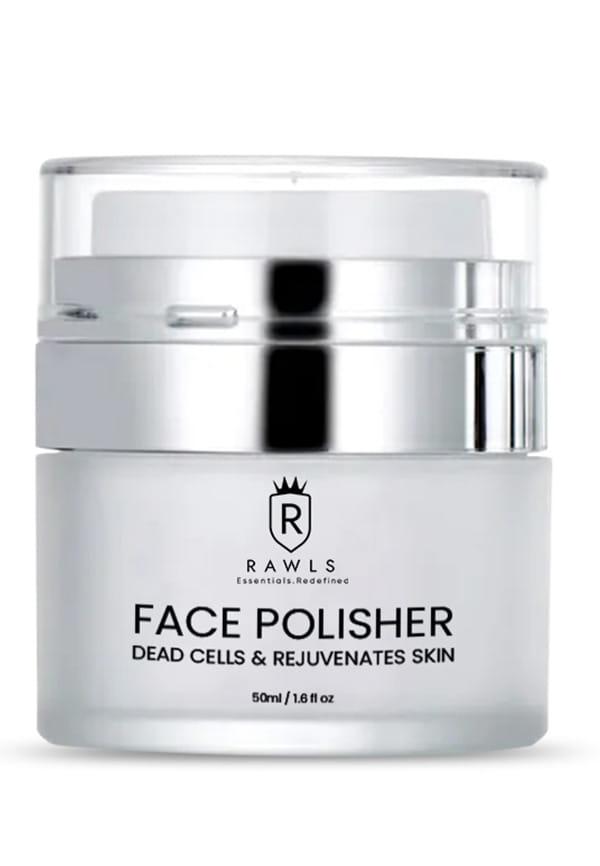
Face Polisher - Dead Cells and Rejuvenates Skin
Using 2-year-old skincare products depends on several factors. If the product was unopened and stored properly, it might still be safe, though potentially less effective. However, opened products that are 2 years old are generally not recommended, as they've likely exceeded their PAO guidelines and may harbour bacteria or have degraded active ingredients.
There's typically a small grace period after the PAO date, but it varies by product type. Stable products like basic moisturisers might be usable for a month or two past their PAO, while active treatments should be discarded promptly. Always check for signs of spoilage before using any expired product.
Using expired skincare can lead to skin irritation, breakouts, or allergic reactions. At best, the product simply won't work as intended due to degraded active ingredients. At worst, bacterial growth in expired products can cause infections or severe skin reactions.
Yes, unopened skincare products do expire, but they typically last much longer than opened ones—often 2-3 years from manufacture. The key is proper storage away from heat, light, and humidity. Check for manufacturing dates or batch codes to determine age.
Proper storage is crucial—keep products cool, dry, and away from sunlight. Always use clean hands or tools when applying products. Consider using spatulas for jar products to avoid contamination. Store products in their original packaging when possible, as it's designed to protect the formula.
Understanding skincare shelf life isn't just about getting value from your products—it's about keeping your skin healthy and safe. The PAO symbol is your friend, storage conditions matter more in Indian climates, and your senses are reliable guides for detecting spoiled products.
Remember, expired skincare isn't worth the risk of skin damage or reactions. When in doubt, replace the product. Your skin deserves fresh, effective formulations that work as intended.
For those building their skincare collection, platforms like Smytten offer a smart approach to product discovery. With over 28 million users exploring curated selections from trusted brands, you can try products before committing to full sizes. This way, you're more likely to use up products within their optimal timeframes, reducing waste and ensuring you always have fresh, effective skincare in your routine.
