Skincare for Indian Women in their 40s: FAQ



White Opalite Gua Sha Tool
Your skin at 40 feels different, doesn't it? Maybe you've noticed that your usual moisturiser isn't quite cutting it anymore, or those dark spots from last summer's holiday are taking longer to fade. If you're wondering what changes you should make to your skincare routine now that you've entered your fabulous forties, you're asking exactly the right question. Indian skin has its own unique needs during this decade, and understanding them is the first step towards maintaining that healthy glow you've always had.
The changes happening to your skin right now aren't just in your head. After 40, your skin genuinely behaves differently than it did in your twenties and thirties. The good news? Once you understand what's happening, you can work with these changes rather than against them.
Indian skin has some distinct advantages when it comes to ageing. Our higher melanin content provides natural protection against UV damage, which means we often develop fewer fine lines and wrinkles compared to lighter skin tones. However, this same melanin can work against us when it comes to hyperpigmentation. Dark spots, melasma, and uneven skin tone become more pronounced in our forties, especially if we've had years of sun exposure or hormonal changes.
The most common concerns Indian women face in their 40s include stubborn dark spots that refuse to fade, a loss of that natural bounce and firmness, and skin that feels drier despite using the same products for years. Hormonal fluctuations during perimenopause can also trigger unexpected breakouts or make existing pigmentation worse.
Here's what's actually happening beneath the surface. Your skin's collagen production drops by about 1% each year after age 20, but this decline becomes more noticeable in your 40s. Cell turnover, which used to happen every 28 days in your twenties, now takes 45-60 days. This slower renewal process means dead skin cells hang around longer, making your complexion look duller.
Your skin also produces less natural oil, which explains why that combination skin you've always had might suddenly feel tight and dry. The good news is that understanding these changes helps you choose the right products and ingredients to support your skin through this transition.
Building an effective routine doesn't mean overhauling everything overnight. The key is introducing targeted changes that address your skin's evolving needs whilst maintaining the basics that have always worked for you.
Your morning routine should focus on protecting your skin from environmental damage whilst addressing specific concerns. Start with a gentle cleanser that won't strip your skin's natural barrier. Look for cream or lotion-based cleansers rather than foaming ones, which can be too drying for mature skin.
Next, apply a vitamin C serum. This powerhouse ingredient helps brighten existing dark spots whilst preventing new ones from forming. Choose a stable form like magnesium ascorbyl phosphate if you have sensitive skin, or L-ascorbic acid for maximum potency. Follow with a moisturiser containing hyaluronic acid to plump and hydrate your skin.
Never skip SPF 30 or higher. This is non-negotiable in your 40s, especially for preventing further pigmentation. Look for broad-spectrum protection that guards against both UVA and UVB rays.

Flat Hair Brush (India's No. 1* Hair Brush Brand) for Men & Women (R16-FB)
Positive Product Review
 5
5“This is very nice loved it......”
Evenings are when your skin does its repair work, so this is the time to introduce more active ingredients. Start with double cleansing if you wear makeup or sunscreen. An oil-based cleanser followed by a gentle water-based one ensures you're removing everything without over-cleansing.
Retinol is your best friend for addressing multiple signs of ageing. Start with a low concentration (0.25% or 0.5%) two to three times per week, gradually building up as your skin adjusts. Retinol helps speed up cell turnover, reduces fine lines, and can even help with pigmentation over time.
Finish with a nourishing night moisturiser containing ceramides or peptides to support your skin barrier whilst you sleep. Once or twice a week, incorporate a gentle chemical exfoliant with AHAs like glycolic or lactic acid to help with texture and brightness.
Every skin concern requires a slightly different approach, and what works for your friend might not work for you. Here's how to tackle the most common issues Indian women face in their 40s.
Dark spots and uneven skin tone are often the biggest frustrations for Indian women in their 40s. The key is using ingredients that work to fade existing pigmentation whilst preventing new spots from forming. Niacinamide is excellent for this - it's gentle enough for daily use and helps regulate melanin production.
For more stubborn pigmentation, look for products containing kojic acid, arbutin, or alpha arbutin. These ingredients work by inhibiting the enzyme that produces melanin. Azelaic acid is another gentle option that's particularly good for those with sensitive skin.
Professional treatments like chemical peels can be incredibly effective, but they need to be done carefully on Indian skin to avoid post-inflammatory hyperpigmentation. Always consult a dermatologist experienced with darker skin tones before considering professional treatments.
Whilst Indian skin tends to wrinkle less than lighter skin tones, loss of firmness and elasticity becomes noticeable in the 40s. Retinoids are your most powerful tool here - they stimulate collagen production and help improve skin texture over time.
Peptides are another excellent ingredient for firmness. These protein fragments signal your skin to produce more collagen and can help improve the appearance of fine lines. Look for products containing palmitoyl pentapeptide-4 or copper peptides.
Don't underestimate the power of facial massage. Spending a few minutes each evening gently massaging your face whilst applying your night cream can improve circulation and help maintain muscle tone.
Your skin type might have changed since your thirties, so it's worth reassessing your approach. If you still have oily skin, look for lightweight, non-comedogenic moisturisers and avoid over-cleansing, which can actually trigger more oil production.
For those experiencing dry skin for the first time, focus on gentle, cream-based cleansers and richer moisturisers. Ingredients like squalane, ceramides, and shea butter can help restore your skin barrier without feeling heavy.
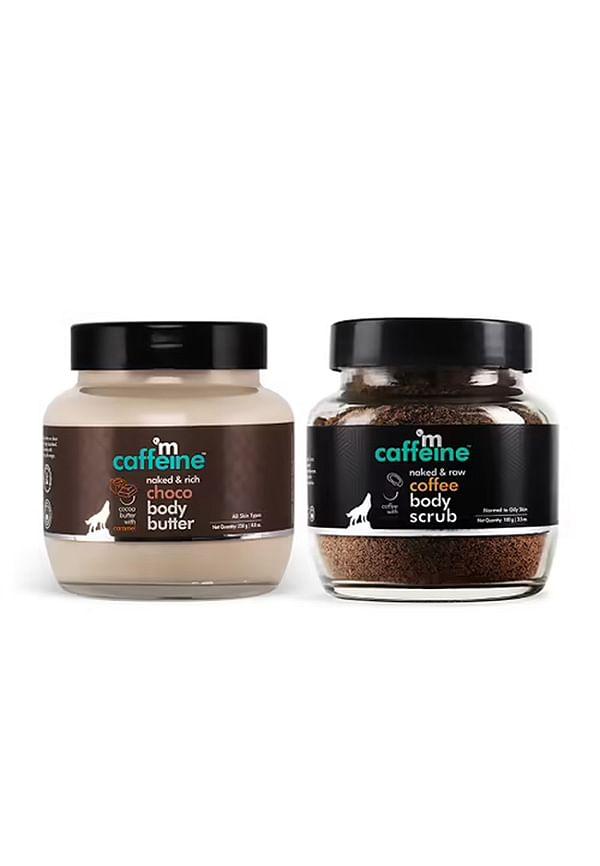
Body Polishing Kit for Exfoliation, Tan Removal & Intense Moisturization
Loved the product
5“I loved this product so so much”
Affordable with Good Quality & Quantity
5“affordable price and good quality and quantity”
Very Good Product
5“goooooooooooood h bhut mst h please”
Sometimes, at-home skincare needs a professional boost. Knowing when and what treatments to consider can help you make informed decisions about your skin investment.
Chemical peels can be transformative for addressing pigmentation and texture issues, but they require careful consideration for Indian skin. Superficial peels with glycolic acid or lactic acid are generally safer options that can help with brightness and texture without risking hyperpigmentation.
The key is finding a dermatologist who understands how to treat darker skin tones safely. Post-peel care is crucial - you'll need to be extra diligent about sun protection and gentle skincare for several weeks after treatment.
Skin boosters and hydrating facials can give your skin an immediate plumpness boost. These treatments work by delivering hyaluronic acid directly into the skin, providing deep hydration that topical products can't always achieve.
Professional microneedling combined with serums can also help improve product absorption and stimulate natural collagen production. These treatments are generally safe for Indian skin when performed by qualified professionals.
Effective skincare doesn't have to break the bank. The key is knowing where to invest and where you can save without compromising results.
If you're working with a limited budget, prioritise a good sunscreen, a gentle cleanser, and a basic moisturiser first. These three products form the foundation of any good routine. Once you have these basics covered, you can gradually add targeted treatments like vitamin C or retinol.
Many affordable brands offer excellent formulations with proven ingredients. Look for products that list active ingredients clearly and avoid paying extra for fancy packaging or marketing claims. A simple niacinamide serum from a budget-friendly brand can be just as effective as an expensive alternative.
Some traditional Indian skincare remedies genuinely have scientific backing. Turmeric has anti-inflammatory properties that can help with both acne and pigmentation, though it should be used sparingly to avoid staining.
Rose water makes an excellent gentle toner, especially for sensitive skin. Aloe vera is brilliant for soothing irritation and providing lightweight hydration. These natural options can complement your routine without replacing proven active ingredients.

Flat Hair Brush (India's No. 1* Hair Brush Brand) for Men & Women (R8-FB)
A comprehensive routine should include gentle cleansing morning and evening, a vitamin C serum in the morning, retinol 2-3 times per week in the evening, daily moisturising with hyaluronic acid or ceramides, and broad-spectrum SPF 30+ every day. Weekly chemical exfoliation with AHAs can help with texture and brightness. The key is consistency and patience - it takes 6-12 weeks to see significant changes.
Start slowly with a low concentration (0.25% or 0.5%) once or twice a week in the evening. Apply it to clean, dry skin and follow with a moisturiser. Gradually increase frequency as your skin builds tolerance. Always use SPF during the day when using retinol, as it can increase sun sensitivity. If you experience irritation, reduce frequency or try a gentler retinol alternative like retinyl palmitate.
Absolutely. Many ingredients work on multiple concerns simultaneously. Retinol helps with both fine lines and pigmentation over time. Vitamin C addresses pigmentation whilst providing antioxidant protection. Niacinamide can help with both pigmentation and skin texture. The key is introducing products gradually and being patient with results.
Most people notice initial improvements in skin texture and hydration within 2-4 weeks. Pigmentation changes typically take 6-12 weeks to become noticeable, whilst anti-ageing benefits from retinol can take 3-6 months of consistent use. Remember that skin cell turnover slows down in your 40s, so patience is essential.
Yes, Indian weather requires some seasonal adjustments. During monsoon season, you might need lighter moisturisers and more frequent cleansing due to humidity. In winter, switch to richer creams and consider adding a facial oil. Summer requires extra attention to sun protection and oil control. However, your core routine of cleansing, treating, moisturising, and protecting should remain consistent year-round.
Not necessarily. Many affordable products contain the same active ingredients as luxury brands. Focus on the ingredient list rather than the price tag. However, sometimes premium products offer better formulations, packaging that preserves ingredient stability, or higher concentrations of actives. The key is finding products that work for your skin and budget.
Your 40s can be the decade when your skincare routine finally makes perfect sense. You know your skin better than ever, you understand what works and what doesn't, and you have the patience to stick with products long enough to see real results. The changes your skin is going through are completely normal, and with the right approach, you can address them effectively.
Remember that consistency trumps perfection every time. A simple routine that you follow religiously will always give better results than an elaborate one you only manage occasionally. Start with the basics - cleanse, treat, moisturise, protect - and build from there based on your specific concerns and budget.
The beauty of platforms like Smytten Shop is that you can explore products from trusted brands without the commitment of full-size purchases. With over 2,400 curated brands and the ability to try before you invest, it's easier than ever to find products that truly work for your skin. Whether you're curious about a new vitamin C serum or want to test a retinol product before committing, having access to trial sizes can make building your perfect routine both affordable and exciting.
