Skincare for Fine Lines FAQ: Your Questions Answered


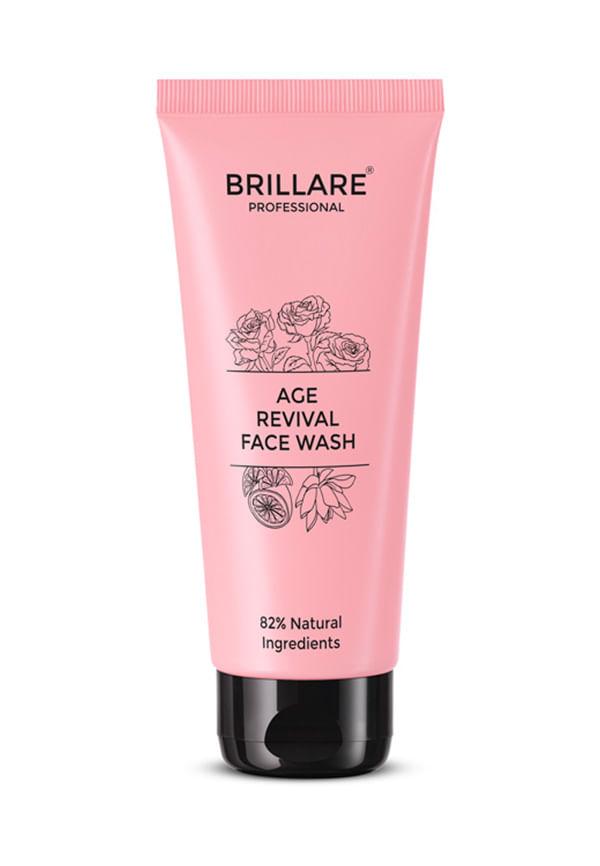
Age Revival Face Wash For Aging Skin
Good Winter Product
 4
4“it is a good product for winter shop”
You've noticed them in the mirror - those subtle lines around your eyes when you smile, or the faint creases on your forehead that seem to linger a bit longer each morning. Fine lines are often the first signs of ageing that catch our attention, and suddenly everyone's talking about retinol, vitamin C, and collagen boosting products. If you're feeling overwhelmed by all the anti-ageing advice out there, you're not alone. Let's tackle the most common questions about skincare for fine lines with straightforward, science-backed answers that actually make sense for your routine.
Fine lines are shallow creases that typically measure less than 2mm in depth, appearing as delicate etches across the skin's surface. Unlike deeper wrinkles, they're often the earliest visible signs of ageing and can appear as early as your mid-twenties, particularly around expressive areas like the eyes and mouth.
The formation process begins with the gradual breakdown of collagen and elastin - the proteins responsible for keeping your skin plump, firm, and bouncy. As we age, our bodies produce roughly 1% less collagen each year after age 25. This natural decline, combined with external factors, creates the perfect conditions for fine lines to develop.
Sun damage ranks as the leading cause, with UV rays breaking down collagen fibres and accelerating the ageing process. Dehydration plays a significant role too - when skin lacks moisture, it becomes less plump and more prone to creasing. Repetitive facial movements, like squinting or frowning, create temporary creases that eventually become permanent as skin loses its elasticity.
Environmental factors such as pollution, harsh weather, and even air conditioning contribute to skin barrier damage and moisture loss. Lifestyle choices including smoking, poor sleep, and high stress levels further accelerate the breakdown of skin-supporting proteins.
The most effective anti-ageing skincare ingredients work by either stimulating collagen production, protecting existing collagen, or providing intense hydration to plump the skin. Here's what actually works, backed by research and real results.
Retinol and retinoids remain the gold standard for wrinkle reduction. These vitamin A derivatives accelerate cell turnover, stimulate collagen production, and help smooth skin texture over time. Start with a low concentration (0.25% to 0.5%) and gradually increase as your skin builds tolerance.
Vitamin C acts as a potent antioxidant whilst boosting collagen synthesis. L-ascorbic acid is the most researched form, though magnesium ascorbyl phosphate offers a gentler alternative for sensitive skin types.
Niacinamide strengthens the skin barrier, improves texture, and works beautifully alongside other actives without causing irritation. It's particularly effective for those dealing with fine lines and uneven skin tone simultaneously.
Bakuchiol provides a natural alternative to retinol, offering similar benefits for collagen stimulation without the potential irritation. It's ideal for those with sensitive skin or during pregnancy when retinoids aren't recommended.
Hyaluronic acid holds up to 1000 times its weight in water, providing immediate plumping effects that temporarily smooth fine lines whilst delivering deep hydration to support long-term skin health.
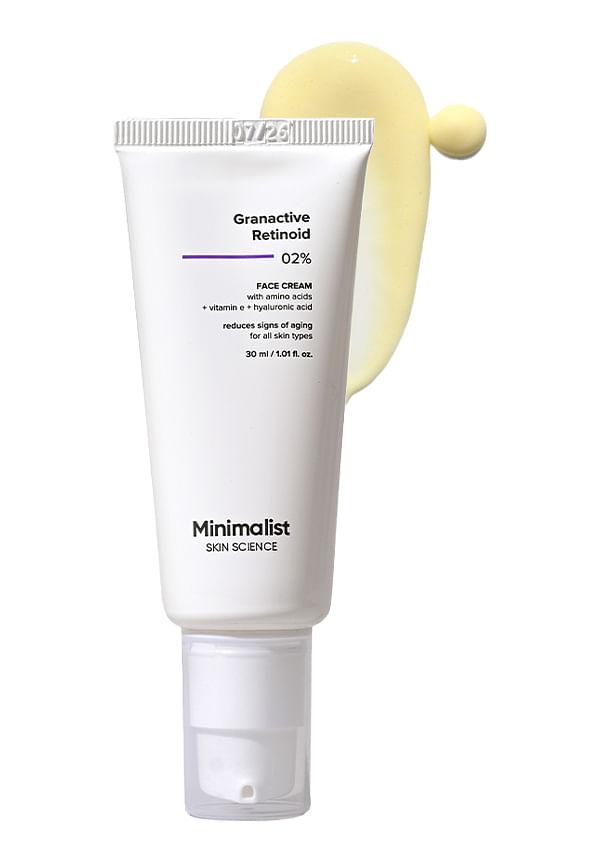
Granactive Retinoid 2% Face Cream
Good product
5“very good and very nice product”
Good for Anti-Ageing
5“Great for anti ageing and fine lines”
Good for Anti-Ageing
5“Great for anti ageing and fine lines”
Creating a routine for fine line prevention and treatment requires strategic layering of ingredients and consistent application. The key is starting slowly and building up your skin's tolerance to active ingredients over time.
Your morning routine should focus on protection and hydration. Begin with a gentle cleanser that won't strip your skin's natural oils, followed by a vitamin C serum for antioxidant protection. Always finish with a broad-spectrum SPF 30 or higher - this single step prevents more ageing than any other product in your arsenal.
Evenings are when your skin repairs itself, making it the perfect time for active ingredients. Start with double cleansing to remove makeup, sunscreen, and daily pollutants. Follow with your chosen active - whether that's retinol, bakuchiol, or an age defying serum containing multiple actives.
Layer a hydrating serum containing hyaluronic acid or niacinamide, then seal everything in with a nourishing moisturiser. Those with very dry skin might benefit from adding a facial oil as the final step.
Weekly treatments can enhance your routine's effectiveness. Gentle exfoliation with AHAs or BHAs helps remove dead skin cells and allows better penetration of your active ingredients. Hydrating masks provide an extra boost of moisture when your skin feels particularly parched.
The skincare market offers countless options for facial lines treatment, from budget-friendly drugstore finds to premium formulations. The key is understanding what works for your skin type and concerns rather than simply choosing the most expensive option.
Collagen boosting products containing peptides, growth factors, or stem cell extracts can support your skin's natural repair processes. Look for products with clinically proven ingredients rather than marketing buzzwords.
Chemical peels performed by professionals can address fine lines more aggressively than at-home treatments. Glycolic acid, lactic acid, and TCA peels help resurface the skin and stimulate collagen production.
Laser treatments and microneedling offer more intensive skin rejuvenation options for those with deeper concerns. These treatments work by creating controlled micro-injuries that trigger the skin's healing response and collagen production.
For immediate results, injectable treatments like botox and dermal fillers can smooth lines and restore volume, though these require ongoing maintenance and professional administration.
Prevention remains more effective and affordable than treatment when it comes to maintaining youthful skin. The habits you establish in your twenties and thirties will determine how your skin ages in the decades to come.
Daily sun protection cannot be overstated - UV damage is responsible for up to 80% of visible facial ageing. Apply SPF every morning, regardless of weather or season, and reapply every two hours when outdoors.
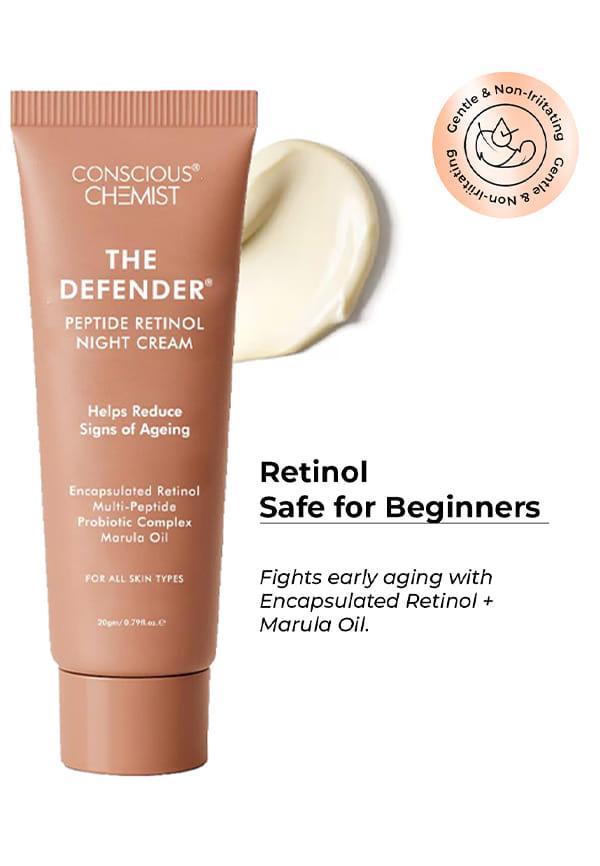
Multi Peptide Retinol Anti Aging Night Cream For Fine Lines & Sagging Skin
Good for Glowing Skin
4“Really good for glowing skin..”
Good for Glowing Skin
4“Really good for glowing skin..”
Superb Night Cream, Really Works
5“superb night cream it's really work 💯👍👍👍👍”
Hydration works from the inside out. Drinking adequate water supports your skin's natural moisture levels, whilst using a humidifier can combat environmental dryness that contributes to fine line formation.
Quality sleep allows your skin to repair and regenerate. During deep sleep, your body produces growth hormone, which helps rebuild collagen and repair daily damage. Aim for 7-9 hours of consistent, quality sleep.
Stress management plays a crucial role in skin elasticity. Chronic stress elevates cortisol levels, which breaks down collagen and impairs the skin's ability to repair itself. Regular exercise, meditation, or other stress-reduction techniques benefit both your overall health and skin appearance.
Even with the best intentions, many people sabotage their anti-ageing skincare efforts through common mistakes that can actually accelerate ageing or cause irritation.
Over-exfoliation tops the list of skincare sins. Using too many acids or scrubbing too aggressively damages the skin barrier, leading to increased sensitivity, dehydration, and ironically, more visible signs of ageing. Stick to gentle exfoliation 2-3 times per week maximum.
Using too many active ingredients simultaneously can overwhelm your skin and cause irritation. Introduce new products one at a time, allowing 2-4 weeks to assess how your skin responds before adding another active ingredient.
Neglecting the neck and décolletage area is another common oversight. These areas show signs of ageing just as readily as your face but are often forgotten in skincare routines. Extend your products down to your chest for consistent results.
Inconsistent application undermines even the best products. Skincare for fine lines requires patience and consistency - most ingredients need 8-12 weeks of regular use before showing visible improvements.
Most people notice initial improvements in skin texture and hydration within 2-4 weeks of starting a new routine. However, significant changes in fine lines typically require 8-12 weeks of consistent use. Retinol and vitamin C may show results sooner, whilst collagen-boosting ingredients often take longer to demonstrate visible effects.
Whilst skincare can significantly improve the appearance of fine lines, complete reversal isn't always possible, especially for deeper lines caused by years of sun damage or natural ageing. However, consistent use of proven ingredients can prevent new lines from forming and dramatically improve existing ones.
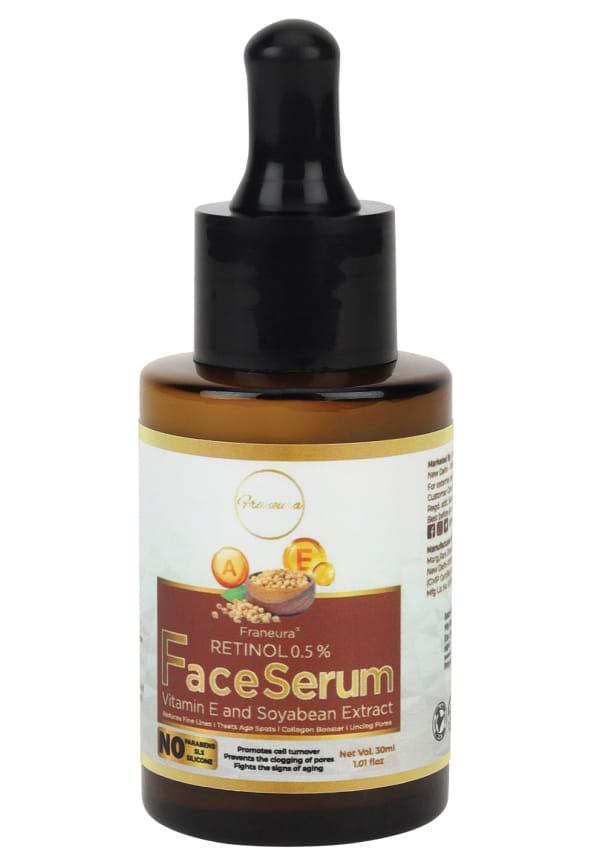
Retinol Anti-Aging Face Serum to Reduce Fine Lines & Wrinkles
Nice product, but texture could be improved
4“its texture is not that good bht the product is overall nice and gives a glowey look.”
Effective for Fine Lines
5“good product, reduces fine lines”
Great Product
4“awesome product.i like this product”
Fine lines are shallow, measuring less than 2mm deep, and often appear first around the eyes and mouth. Wrinkles are deeper creases that remain visible even when facial muscles are relaxed. Fine lines typically respond better to topical treatments, whilst deeper wrinkles may require professional interventions.
Prevention is always easier than correction. Most dermatologists recommend starting with basic anti-ageing skincare in your mid-twenties, focusing on sun protection, hydration, and gentle actives like vitamin C. Retinol can be introduced in your late twenties or early thirties, depending on your skin's needs and tolerance.
Price doesn't always correlate with effectiveness. Many affordable products contain the same active ingredients as luxury alternatives. Focus on ingredient lists, concentrations, and formulation quality rather than price tags. Some of the most effective wrinkle reduction products are surprisingly budget-friendly.
Dry skin benefits from richer formulations with hyaluronic acid and ceramides. Oily skin should look for lightweight, non-comedogenic formulas. Sensitive skin requires gentler actives like bakuchiol instead of retinol, and fragrance-free formulations. Always patch test new products before full application.
Yes, but strategic layering is essential. Vitamin C works well in the morning with SPF, whilst retinol is best used at night. Niacinamide plays well with most ingredients and can be used morning or evening. Avoid combining acids with retinol initially, and always introduce new combinations gradually.
Start simple: gentle cleanser, vitamin C serum in the morning, moisturiser with SPF, and a basic retinol product at night. Once your skin adjusts (usually 4-6 weeks), you can add hyaluronic acid for extra hydration or niacinamide for additional skin barrier support.
Effective skincare for fine lines doesn't require a complicated 10-step routine or the most expensive products on the market. Success comes from understanding your skin's needs, choosing proven ingredients, and maintaining consistency over time. Whether you're dealing with your first fine lines or looking to prevent future ones, the key is starting with the basics and building from there.
Remember that youthful skin is about more than just products - your lifestyle choices, sleep quality, stress levels, and sun protection habits all play crucial roles in how your skin ages. The most effective anti-ageing skincare routine is one you can stick to long-term, not one that overwhelms or irritates your skin.
If you're curious about trying new products but hesitant to commit to full sizes, Smytten's curated selection lets you explore collagen boosting products and age defying serums from trusted brands before making larger investments. With over 28 million users discovering their perfect skincare matches, it's a smart way to test what works for your unique skin concerns before you invest in full-size products.
